
Attracting hummingbirds to your garden is a rewarding experience that begins with setting up the right feeding station. By placing your feeders in quiet, visible locations and keeping them filled with fresh nectar, you can easily turn your backyard into a bustling sanctuary for these vibrant, fast-moving visitors throughout the season.
However, success requires more than just hanging a container. You must maintain rigorous cleanliness to prevent mold and ensure the safety of the birds. Understanding the local migration patterns and the specific dietary needs of hummingbirds will help you manage realistic expectations while creating an environment they will want to visit daily.
This guide explains how to properly place, fill, and maintain your feeders to ensure these vibrant birds make your yard a regular stop. We will also explore essential gardening tools and lawn care equipment that help you cultivate a nectar-rich landscape, providing the practical home gardening tips needed to sustain a thriving hummingbird habitat.
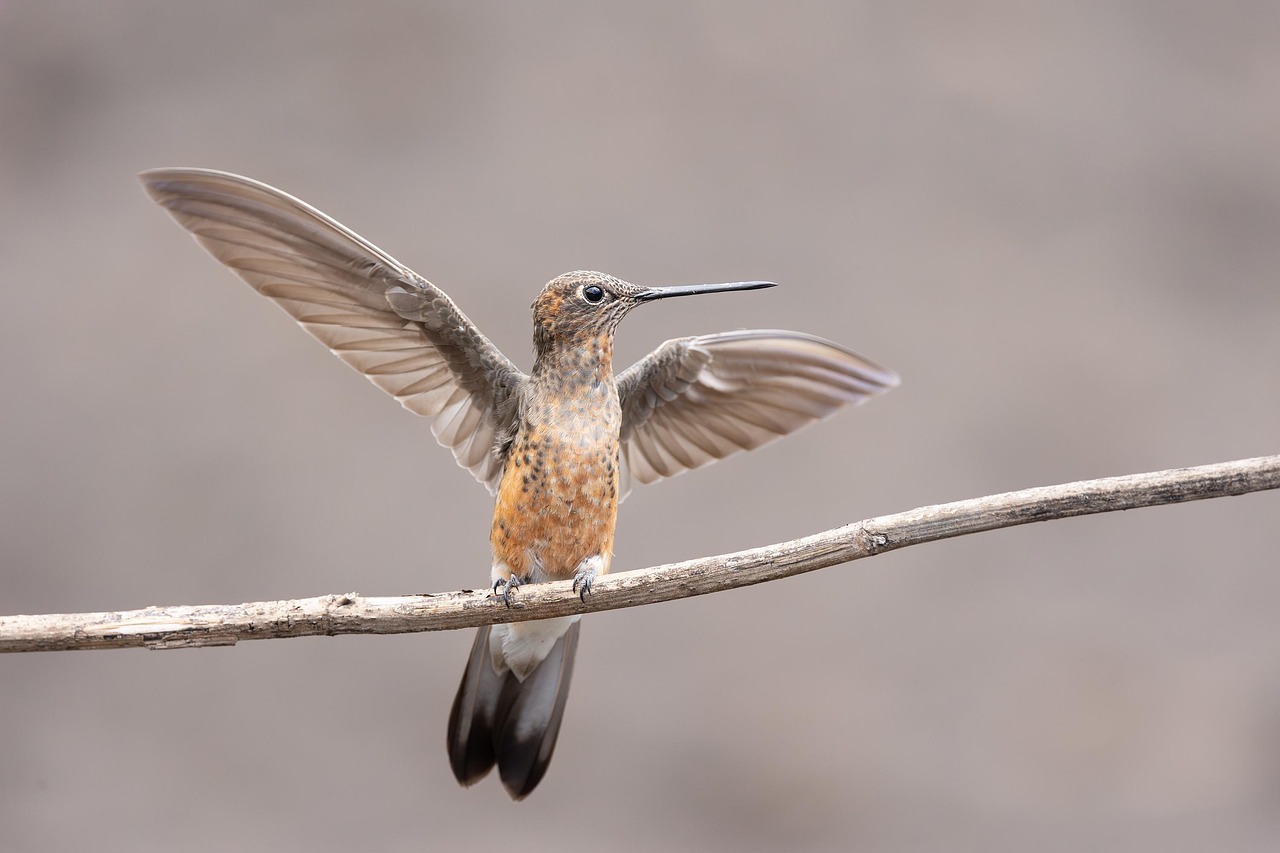
Choosing and Placing the Right Feeder
Selecting the right feeder is the most critical step in creating a welcoming environment for hummingbirds. Prioritize models that are easy to disassemble and clean, as nectar can quickly ferment in warm weather, posing a health risk to birds. Look for feeders that feature bright red accents; this color naturally mimics the appearance of tubular flowers and acts as a visual beacon for hummingbirds patrolling your yard.
Once you have chosen your feeder, placement is key. Position it in a quiet, partially shaded area. While hummingbirds need to see the feeder from a distance, they also require protection from strong winds, which can make hovering difficult. A location near native flowering shrubs provides both a natural food source and a safe place for birds to perch and rest.
If your chosen spot requires a mounting bracket or a hook, you may need to use a power drill or hand tools to secure the hardware. When performing these home maintenance tasks, prioritize your safety by following these guidelines:
- Always wear ANSI-rated safety glasses to protect your eyes from flying wood chips, metal shards, or masonry dust.
- Check your power drill for frayed cords or damaged battery packs before starting.
- Ensure the surface you are drilling into is stable and free of hidden electrical wires or plumbing lines.
- Use the correct bit size for your anchors to ensure the mount can support the weight of a full feeder without pulling loose.
If you are using hand tools like a screwdriver or a wrench, keep your work area organized and clear of debris. Maintaining a tidy workspace prevents tripping hazards and helps you focus on the task. Once the bracket is securely installed, hang your feeder at a height that allows you to monitor it easily from your window while remaining high enough to be out of reach of neighborhood cats or other predators.
By combining the right equipment with thoughtful placement, you create a reliable oasis. Regular maintenance, such as cleaning the feeder every few days and ensuring the mounting hardware remains tight, will keep your backyard visitors coming back throughout the season. Remember, a well-maintained feeder is the foundation of a successful hummingbird sanctuary.
Preparing the Ideal Nectar
Creating the perfect nectar is the most effective way to ensure hummingbirds return to your feeder daily. While many store-bought mixes contain unnecessary dyes and preservatives, a simple homemade solution is safer, more cost-effective, and mimics the natural sugar content of flower nectar.
To prepare the ideal mixture, follow this standard ratio:
- One part white granulated sugar.
- Four parts water.
Begin by bringing the water to a boil in a clean pot. Once boiling, stir in the sugar until it is completely dissolved. Boiling is an essential step as it helps eliminate impurities and slows the fermentation process once the nectar is placed outdoors. After the sugar is fully incorporated, remove the pot from the heat and allow the mixture to cool completely to room temperature before filling your feeder.
It is critical to follow these safety guidelines to protect the health of your local hummingbird population:
- Use only refined white sugar: Avoid organic, raw, or brown sugars, as these contain iron levels that can be toxic to hummingbirds.
- Never use honey: Honey can promote dangerous fungal growth in a hummingbird’s throat and is extremely hazardous to their health.
- Skip artificial sweeteners: Hummingbirds require the calories provided by real sugar to fuel their high-energy flight; artificial sweeteners provide no nutritional value and can lead to starvation.
- Avoid food coloring: Red dye is unnecessary and potentially harmful. Most modern feeders already feature red accents, which are sufficient to attract birds to the nectar source.
If you have extra nectar, you can store it in a clean, airtight container in the refrigerator for up to two weeks. However, always discard any nectar left in the feeder if it becomes cloudy or if you notice black spots, which indicate mold growth. Regular maintenance of your feeding equipment is just as important as the quality of the nectar itself. By keeping your feeder clean and providing a fresh, safe sugar solution, you create a reliable oasis that will encourage hummingbirds to visit your garden throughout the entire season. Always ensure your feeder is placed in a shaded area to keep the nectar from spoiling quickly under direct sunlight.

Maintaining Cleanliness and Safety
Hummingbirds have incredibly high metabolisms and delicate immune systems, making them highly susceptible to illness from mold, yeast, and bacteria. Because nectar is a sugar-rich solution, it can ferment rapidly in the sun, creating a breeding ground for harmful pathogens. Maintaining a strict sanitation schedule is the most effective way to ensure your backyard stays a safe sanctuary for these birds.
To keep your equipment in top condition, clean your hummingbird feeders at least twice a week. During periods of extreme heat, you may need to clean them every other day to prevent spoilage. Follow these steps for a thorough sanitization process:
- Disassemble the feeder completely to reach every crevice.
- Use a dedicated bottle brush to scrub the interior of the reservoir and the feeding ports.
- Rinse the components thoroughly with hot water. Avoid using harsh soaps or detergents, as lingering chemical residues can be toxic to birds.
- If you notice stubborn black mold, soak the parts in a solution of one part white vinegar to two parts water, then rinse extensively.
When performing this maintenance, handle your cleaning tools with care. Many bottle brushes and specialized feeder scrapers feature stiff bristles or metal wires that can cause skin abrasions or eye injuries if handled improperly. Always work on a stable, flat surface to avoid dropping and shattering glass feeders, which can create dangerous shards in your garden soil.
Before refilling your feeder, perform a quick safety inspection. Check the plastic or glass reservoir for hairline cracks where bacteria can hide and multiply. Examine any metal components for signs of rust or oxidation, as these can leach harmful substances into the nectar. If you find significant damage, it is safer to replace the feeder entirely rather than attempting a repair.
Proper maintenance extends beyond the feeder itself. Keep the surrounding area tidy by clearing away dead leaves or debris where pests might congregate. By treating your feeder like a piece of high-quality outdoor power equipment—requiring regular tune-ups and careful handling—you ensure that your garden remains a healthy, inviting destination for hummingbirds throughout the season.
Creating a Hummingbird-Friendly Habitat
While a well-placed feeder provides a reliable energy boost, your backyard becomes a true hummingbird sanctuary when it offers a natural, continuous food source. Hummingbirds are highly efficient foragers, and they are much more likely to frequent your property if they can supplement their sugar-water diet with the nutrient-rich nectar found in native plants.
To create a habitat that keeps these birds returning, focus on planting species known for their high nectar content. Incorporate a variety of tubular, brightly colored flowers such as:
- Bee Balm (Monarda): A perennial favorite that thrives in most climates and provides ample nectar.
- Salvia: Offers a long blooming season, ensuring food is available throughout the summer.
- Columbine: An early-season bloomer that helps sustain hummingbirds when they first arrive in the spring.
Maintaining these plants is essential for a healthy garden. Regular deadheading and pruning encourage new growth and keep your nectar sources abundant. When using garden tools for this maintenance, safety should always be your priority. Keep your shears and pruners sharp, as dull blades can crush stems and make the plant more susceptible to disease. Always clean your blades with an alcohol wipe between plants to prevent the spread of pathogens.
Furthermore, never underestimate the importance of proper hand protection. When working with dense shrubs or thorny perennials, always wear durable work gloves. High-quality gloves protect your skin from sharp thorns, rough bark, and potential irritants found in certain plant sap. A good pair of gloves also provides a better grip on your hand tools, reducing the risk of slips during precise trimming tasks.
Beyond flowers, consider the overall structure of your garden. Hummingbirds require sheltered areas to rest and hide from predators. By using garden maintenance equipment to strategically manage your hedges and small trees, you can create the perfect balance of open space for feeding and dense foliage for security. Avoid over-manicuring your yard; leaving a few wilder patches provides the insects that hummingbirds also require for essential protein. By combining your feeder with a thoughtfully maintained, nectar-rich landscape, you turn your home into a vital stopover that hummingbirds will visit season after season.

Troubleshooting and Ongoing Care
Maintaining a hummingbird feeder requires more than just filling it with nectar. If you aren’t seeing birds, the first step is to evaluate your setup. Hummingbirds are sensitive to heat; if your feeder is positioned in direct, intense sunlight, the nectar can ferment or spoil rapidly, becoming unappealing or even harmful to the birds. Relocate your feeder to a spot with filtered light or partial shade to keep the solution fresh for longer.
Pests are another common hurdle in backyard birding. Ants and bees are naturally drawn to the high sugar content of nectar, which can discourage hummingbirds from feeding. To regain control of your station, consider these practical solutions:
- Ant Moats: Install a small cup filled with water above your feeder. Ants cannot cross the water barrier, effectively blocking their access.
- Nectar Guards: Use specialized feeder ports designed with flexible membranes. These allow hummingbirds to insert their long beaks while preventing bees and wasps from reaching the liquid.
- Cleaning: Frequently wipe down the exterior of the feeder with a damp cloth to remove any sticky residue or nectar drips that attract unwanted insects.
Regular maintenance is essential for bird health. You should clean your feeders at least twice a week—or more often during hot weather—using a mild solution of one part white vinegar to four parts water. Rinse thoroughly and ensure the feeder is completely dry before refilling. Never use soap or bleach, as lingering chemical residues can be toxic to delicate hummingbirds.
Finally, be observant of the birds visiting your yard. If you notice a hummingbird that appears lethargic, has matted feathers, or shows signs of injury, do not attempt to capture or treat the bird yourself. Hummingbirds have incredibly high metabolisms and require specialized care that only trained professionals can provide. If you encounter a distressed bird, immediately contact a local wildlife rehabilitation center. They have the expertise to assess the situation and provide the necessary medical intervention.
By keeping your equipment clean and your nectar fresh, you create a safe, reliable environment that encourages hummingbirds to return to your garden throughout the season. Consistent care is the most effective way to ensure your backyard remains a thriving sanctuary for these remarkable pollinators.

Dedicated team of gardening enthusiasts with years of hands-on experience testing lawn mowers, gardening tools, and outdoor equipment. We help home gardeners and professionals alike make informed buying decisions with honest, thorough reviews. From push mowers to pruning shears, we test it all so you don’t have to. Got a gardening tool you’d like us to review? Get in touch!