
Creating a hummingbird-friendly garden is a rewarding way to bring vibrant life to your outdoor space. By providing the right food sources, water, and shelter, you can transform your backyard into a reliable sanctuary for these fascinating pollinators. These tiny birds are naturally drawn to nectar-rich flowers, consistent water features, and safe, quiet nesting spots.
Attracting hummingbirds requires patience and a strategic approach to your landscape design. While you cannot force them to visit, you can significantly increase your chances by selecting native plants that bloom at different times throughout the season. Remember that maintaining a healthy, pesticide-free environment is just as important as choosing the right colorful blossoms.
In this guide, we will explore the essential garden maintenance techniques and outdoor power equipment needed to cultivate your space effectively. From selecting the best hand tools for precise pruning to managing your lawn care equipment for a thriving habitat, we provide practical advice to help you build and sustain a beautiful, welcoming hummingbird haven.

Choose the Right Hummingbird-Attracting Plants
Attracting hummingbirds begins with selecting the right flora. These birds possess high metabolisms and require a constant energy source, which they find in nectar-rich, tubular flowers. Hummingbirds are particularly drawn to vibrant colors, with red, orange, and pink being the most effective at catching their attention from a distance.
To create a reliable habitat, prioritize native perennials. Native plants have evolved alongside local pollinators, providing the highest quality nectar while requiring less maintenance and water than non-native varieties. When planning your garden layout, consider these reliable choices:
- Bee Balm (Monarda): A favorite for its long, tubular blooms and impressive height.
- Columbine (Aquilegia): Perfect for early-season feeding, offering unique, nectar-filled spurs.
- Salvia: Known for long-lasting, spike-shaped flowers that hummingbirds visit repeatedly.
- Trumpet Honeysuckle: A vigorous vine that provides a dense, natural buffet for visiting birds.
Success lies in succession planting. If all your flowers bloom simultaneously, your garden will be a hotspot for a few weeks, followed by a long period of inactivity. By selecting a mix of species that bloom at different times—from early spring through late autumn—you ensure a steady, season-long supply of nectar. This consistency encourages hummingbirds to establish your yard as a permanent part of their territory.
When preparing your beds, use sharp hand tools like a trowel or transplanter to minimize root disturbance during installation. Ensure your soil is well-draining and enriched with organic compost to support vigorous growth. While your plants establish, use a garden hose with a gentle spray nozzle to provide consistent moisture, especially during the heat of mid-summer.
Avoid using chemical pesticides in your flower beds. Hummingbirds supplement their nectar diet with small insects and spiders, which provide essential proteins. A healthy, chemical-free garden supports a natural food web, making your space far more attractive to nesting hummingbirds. Keep your garden tidy by deadheading spent blooms, which often encourages plants to produce a second flush of flowers later in the season. With the right selection of native perennials and a commitment to natural maintenance, you can transform your outdoor space into a thriving hummingbird sanctuary that provides beauty and biological value for years to come.
Install and Maintain Hummingbird Feeders
While native flowers are the best way to attract hummingbirds, supplemental feeders provide a vital energy boost, especially during migration or when natural nectar sources are scarce. A well-maintained feeder acts as a reliable refueling station, encouraging these birds to return to your garden daily.
To create a safe nectar solution, mix four parts water with one part white granulated sugar. Boil the water first to dissolve the sugar completely, then allow it to cool entirely before filling your feeder. Never use honey, brown sugar, molasses, or artificial sweeteners, as these can be toxic to hummingbirds. Additionally, avoid adding red dye; it is unnecessary and potentially harmful to the birds’ health.
Proper maintenance is essential to prevent the growth of mold and harmful bacteria, which can be fatal to hummingbirds. Follow these steps to keep your feeders clean and safe:
- Clean your feeders at least twice a week. In hot, humid weather, increase the frequency to every other day to prevent fermentation.
- Use hot water and a dedicated bottle brush to scrub the interior of the reservoir and the feeding ports.
- Avoid using harsh soaps or bleach, as residue can be toxic. If you must use a cleaning agent, ensure it is mild and rinse the components thoroughly with hot water multiple times.
- Inspect the feeder for cracks or damaged gaskets where mold might hide. If the plastic becomes cloudy or pitted, it is time to replace the unit.
When selecting a feeder, look for models that are easy to disassemble and clean. Avoid complex designs with hard-to-reach crevices, as these often harbor bacteria that are difficult to remove with standard hand tools. If you use multiple feeders, stagger them throughout your landscape to reduce territorial aggression between birds. Keep them in a shaded area to slow the spoilage of the sugar-water solution, and always place them far enough away from windows to prevent accidental collisions.
By keeping your feeders scrupulously clean and the nectar fresh, you create a healthy environment that sustains your local hummingbird population. Consistent care ensures that your garden remains a preferred destination for these energetic visitors throughout the season.
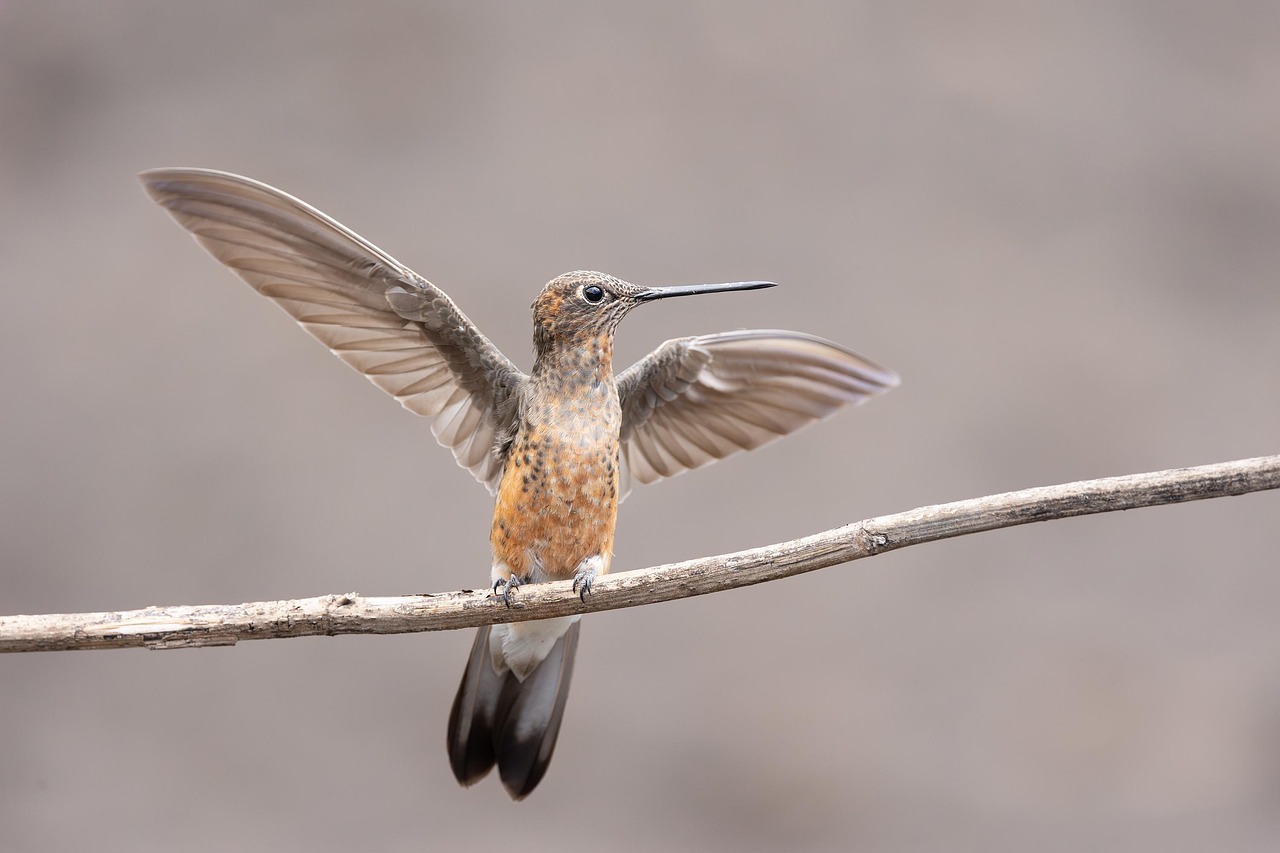
Provide Water and Safe Nesting Sites
Hummingbirds are fastidious creatures that require more than just nectar to thrive. Providing a reliable water source is essential, as these birds prefer bathing in fine mists or shallow, moving water rather than deep birdbaths. A small solar-powered fountain or a simple mister attachment for your garden hose works perfectly to create the gentle spray they love.
When selecting equipment for your water feature, prioritize easy-to-clean materials. Stagnant water can harbor bacteria, so use a soft-bristled scrub brush to clear algae from basins weekly. If you use a mister, ensure the hose connection is secure and leak-free to conserve water while providing a consistent, refreshing experience for your local hummingbirds.
Beyond hydration, hummingbirds need secure, sheltered areas for nesting and resting. They often build their tiny, cup-shaped nests in the forks of tree branches or dense shrubs. To encourage nesting success, maintain a diverse landscape with a mix of native trees, deciduous shrubs, and evergreens that offer both protection from predators and shelter from harsh weather.
Strategic garden maintenance is vital during the breeding season. Before you begin any heavy pruning or hedge trimming, always perform a thorough visual inspection of the area. Hummingbird nests are exceptionally small—often disguised with lichen and spider silk—making them easy to overlook. Follow these best practices to keep your garden safe:
- Inspect before you cut: Use a pair of long-handled loppers or a pole pruner to gently nudge branches, allowing you to check for hidden nests before engaging power equipment.
- Delay heavy pruning: If possible, avoid major hedge trimming or tree thinning during the peak nesting months of late spring and early summer.
- Use manual tools: Hand pruners and bypass shears offer more control and precision than hedge trimmers, reducing the risk of accidental damage to nesting sites.
- Create perches: Leave a few dead branches or “snags” on trees; hummingbirds use these as high-visibility perches to survey their territory and guard their nests.
By integrating these thoughtful maintenance habits with the right water features, you transform your backyard into a sanctuary. When you approach your garden with a focus on safety and observation, you increase the likelihood that these magnificent birds will return to nest in your landscape year after year.
Garden Maintenance and Tool Safety
Maintaining a tidy landscape is essential for creating an inviting habitat, but your approach to garden maintenance significantly impacts the local hummingbird population. While hummingbirds are famous for sipping nectar, they rely heavily on small insects and spiders as a vital source of protein, especially when raising their young. Avoid the routine use of broad-spectrum pesticides or insecticides, as these chemicals eliminate the very food sources that keep hummingbirds returning to your yard season after season.
Instead of chemical interventions, focus on mechanical and manual maintenance. Hand tools like bypass pruners and weeding hoes allow for precise control, helping you manage unwanted growth without harming beneficial pollinators. When you do need to tidy up overgrown areas, prioritize manual labor over heavy machinery whenever possible to keep the environment quiet and undisturbed.
When outdoor power equipment is necessary for larger tasks, safety must be your top priority. Whether you are using hedge trimmers to shape shrubs or a leaf blower to clear debris, always follow these safety guidelines:
- Wear Personal Protective Equipment: Always use impact-resistant safety glasses to shield your eyes from flying debris and high-quality hearing protection to prevent long-term damage from engine noise.
- Inspect Your Equipment: Before starting, ensure all guards are in place, blades are sharp, and power cords are free of frays. Dull blades can tear plant tissue, leaving your garden vulnerable to disease.
- Manage Your Workspace: Keep extension cords draped over your shoulder or clearly marked to prevent tripping hazards. Always maintain a firm footing and be aware of your surroundings, especially when working on ladders or uneven terrain.
- Work During Quiet Hours: Hummingbirds are most active during the early morning and late afternoon. By scheduling your power tool usage for midday, you minimize the stress caused by loud equipment during their peak feeding times.
A well-maintained garden should look natural rather than manicured to perfection. Leaving small piles of leaf litter or twigs in out-of-the-way corners provides essential nesting material and habitat for the insects hummingbirds crave. By balancing tidy maintenance with a “wild” approach to garden health, you create a safe, sustainable sanctuary that hummingbirds will choose to visit year after year.
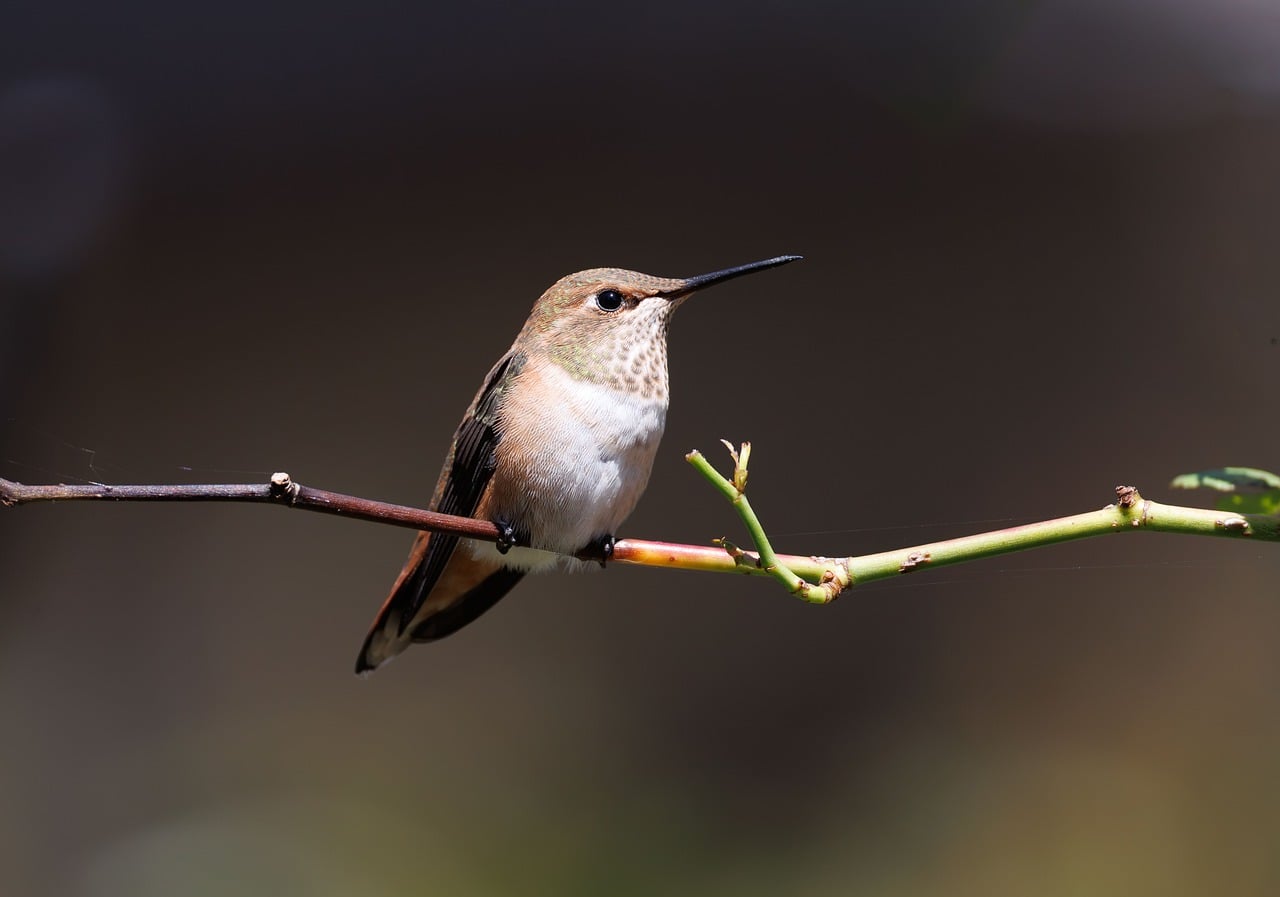
Common Questions and Ongoing Care
Determining the right time to set out your feeders is crucial for supporting local hummingbird populations. As a general rule, place your feeders out just before the spring migration begins in your specific region. Checking local birding reports or migration maps can provide precise timing, ensuring that early scouts find a reliable food source immediately upon arrival.
Ongoing garden maintenance plays a significant role in creating a safe habitat. To keep your hummingbirds healthy, prioritize these practices:
- Eliminate Chemicals: Avoid using synthetic pesticides, herbicides, and fertilizers. Hummingbirds consume small insects and spiders for protein, and chemical residues on plants or in the soil can be toxic to them.
- Maintain Native Plants: Use hand tools like pruners and trowels to manage your garden beds without disturbing nesting sites. Focus on native perennials that provide natural nectar sources throughout the season.
- Clean Feeders Regularly: Use a simple solution of one part white vinegar to four parts water to clean feeders every few days. Avoid using harsh soaps or bleach, which can leave behind harmful residues.
- Provide Water Features: Hummingbirds prefer misting devices or shallow, moving water over deep birdbaths. Keep these areas clean and free of algae buildup using soft brushes.
If you encounter a hummingbird that appears lethargic, grounded, or visibly injured, it is important to resist the urge to handle the bird yourself. Hummingbirds have incredibly fragile skeletal structures and high metabolic rates that make them prone to stress. Instead, follow these steps:
- Observe the bird from a distance to ensure it is not simply resting or in a state of torpor, a natural energy-saving sleep state.
- If the bird remains unresponsive or clearly injured, contact a licensed local wildlife rehabilitator or an avian specialist immediately.
- If instructed to transport the bird, place it gently in a small, ventilated box lined with a soft paper towel, keeping it in a quiet, dark environment until you reach professional help.
By keeping your outdoor power equipment use to a minimum during nesting season and maintaining a chemical-free environment, you provide the safest possible sanctuary. Consistent, gentle care ensures that your garden remains a welcoming destination for hummingbirds year after year.

Dedicated team of gardening enthusiasts with years of hands-on experience testing lawn mowers, gardening tools, and outdoor equipment. We help home gardeners and professionals alike make informed buying decisions with honest, thorough reviews. From push mowers to pruning shears, we test it all so you don’t have to. Got a gardening tool you’d like us to review? Get in touch!