
Hummingbirds are notoriously picky about their water sources, preferring moving water over stagnant pools. To successfully attract these tiny pollinators to your bird bath, you must create an environment that mimics their natural preferences. This guide explains how to set up the ideal water feature to entice them to your garden using simple, practical techniques.
Creating a hummingbird-friendly oasis requires more than just filling a basin with water. Because these birds rarely land to drink, they prioritize safety, visibility, and consistent movement. Understanding their unique behavior is essential for success, as a stagnant or improperly placed bath will often be ignored by these high-energy visitors regardless of your setup.
In the following sections, we will explore the best tools and equipment needed to maintain a clean, inviting space for your birds. From selecting the right mister or fountain attachments to proper garden maintenance and placement strategies, you will learn exactly how to transform your outdoor area into a reliable sanctuary for hummingbirds.
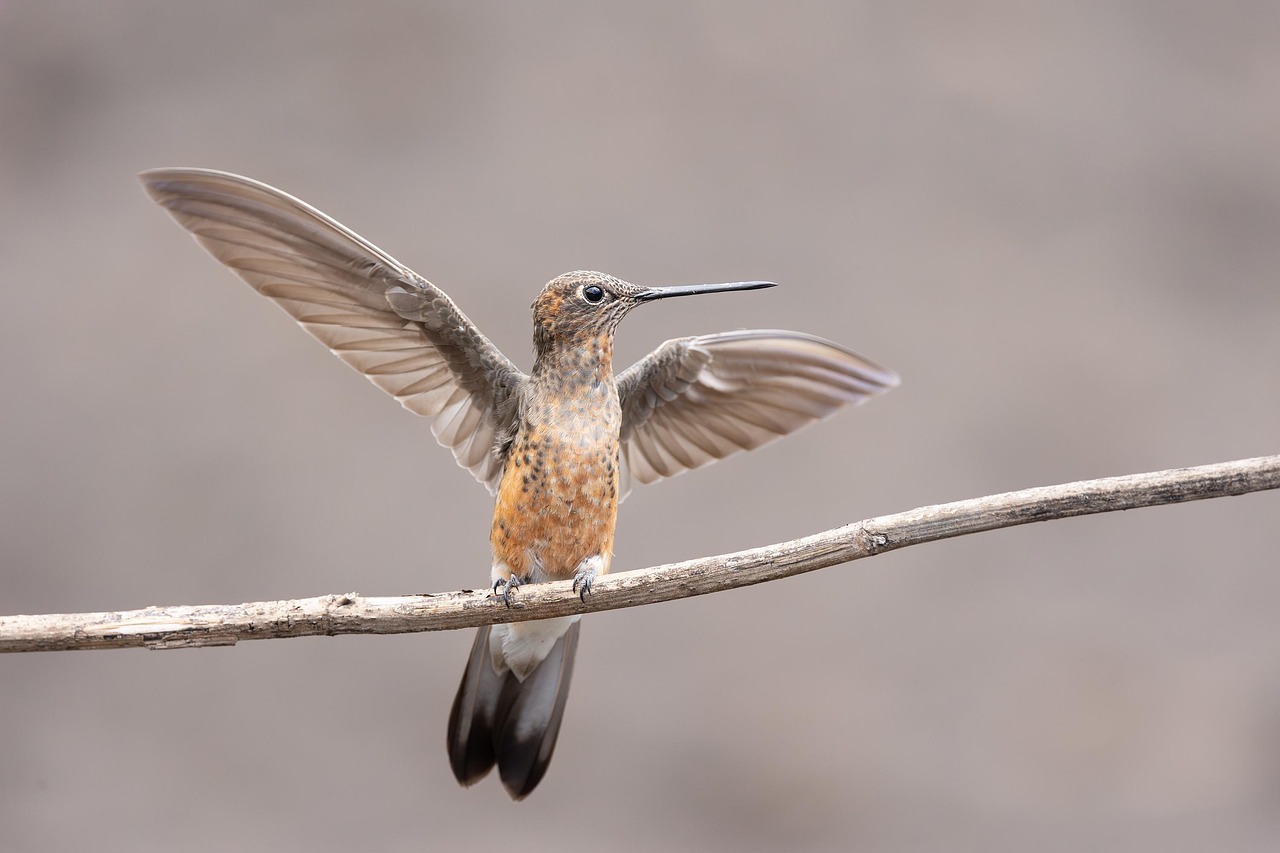
Why Hummingbirds Prefer Moving Water
Unlike larger songbirds that enjoy splashing in deep, static bird baths, hummingbirds have unique physiological needs. In the wild, these tiny avian athletes rarely drink from stagnant ponds or deep basins. Instead, they instinctively seek out moving water sources, such as misting leaves, dripping moss, or the edges of bubbling streams. This preference is rooted in both safety and hygiene.
Hummingbirds are incredibly vulnerable while bathing. A deep, still bird bath can be dangerous, as they cannot easily judge the depth or find a secure place to perch. Furthermore, they use water primarily for preening—the process of cleaning and maintaining their intricate feather structure—and for cooling down during high-intensity flight. Moving water is naturally cleaner, less prone to harboring bacteria, and provides a refreshing mist that coats their feathers without soaking them to the point of hindering flight.
If you want to transform your garden into a hummingbird haven, you must mimic the water movement they recognize in nature. A standard bird bath often goes unnoticed because it lacks the visual and auditory cues that signal a safe, active water source to a passing hummingbird.
To attract them effectively, consider these practical modifications:
- Add a Misting System: A simple misting nozzle attached to your garden hose creates a fine spray that mimics morning dew. Hummingbirds will often fly directly through the mist to bathe.
- Install a Dripper: A water dripper creates a rhythmic sound and visual ripple that acts as a beacon. The constant movement prevents the water from becoming stagnant.
- Use a Fountain or Bubbler: If you use a traditional bird bath, add a small, solar-powered fountain pump. The gentle bubbling motion breaks the surface tension, making the water visible and inviting.
- Prioritize Shallow Depths: Hummingbirds prefer water that is less than an inch deep. If your existing bath is deep, add smooth, clean stones to the basin to create safe, shallow perches.
By providing a moving water feature, you align your landscape with the hummingbird’s biological requirements. This simple upgrade shifts your bird bath from a static ornament into a functional, life-sustaining station, significantly increasing your chances of observing these fascinating creatures up close.
Selecting the Right Bird Bath Setup
To successfully attract hummingbirds, your bird bath setup must cater to their unique physiology. Unlike larger backyard birds that enjoy splashing in deep water, hummingbirds are not strong swimmers. They are extremely vulnerable in deep basins and require a setup that prioritizes safety and ease of access.
The most critical feature of a hummingbird-friendly bath is the depth of the water. Hummingbirds prefer a shallow basin—ideally no more than one inch deep at the center. They are primarily looking for a place to mist their feathers rather than soak their bodies. A shallow, gently sloping basin allows them to wade in safely without the risk of drowning.
When selecting materials and features, keep these practical requirements in mind:
- Surface Texture: Choose a basin with a slightly rough or textured bottom. Hummingbirds need a secure, non-slip surface to grip while they perch and bathe. Smooth glass or glazed ceramic can be too slippery, causing them to lose their footing.
- Maintenance and Hygiene: Opt for materials like stone, concrete, or high-quality, UV-resistant resin. These are easy to scrub and disinfect, which is essential for preventing the growth of algae and bacteria. Avoid porous materials that can trap debris and harbor pathogens.
- Stability: Ensure the bath is placed on a sturdy, level surface. A wobbling bath will discourage hummingbirds from landing, as they require a stable platform to feel secure while hovering and perching.
Because hummingbirds are attracted to the sound of moving water, consider adding a solar-powered mister or a small dripper to your setup. A steady, rhythmic drip creates ripples that catch the light, making the water source much more visible from the air. If you use a fountain, ensure the spray is fine and gentle; a heavy stream or high-pressure jet will overwhelm these tiny birds and keep them at a distance.
Finally, keep the surrounding area clear of dense foliage that could hide predators like cats. By placing your shallow, textured bath in an open, visible location near nectar-rich flowers, you create a safe oasis that encourages hummingbirds to return throughout the season. Regular cleaning with a mild vinegar solution and a stiff-bristled scrub brush will keep the water fresh and your tiny visitors healthy.

Installing Water Features and Misters
Hummingbirds are naturally drawn to the sound and sparkle of moving water. While a static bird bath provides a place to drink, adding motion through a fountain or mister significantly increases your chances of attracting these energetic visitors. Integrating these features requires basic garden maintenance skills and a focus on safety.
For most residential setups, a solar-powered fountain pump is the most practical solution. These units eliminate the need for complex wiring and allow you to place your bath anywhere in the garden that receives direct sunlight. To install one, simply submerge the pump in the center of the basin, secure the solar panel in a sunny spot using a ground stake, and adjust the spray nozzle to create a gentle, bubbling effect rather than a harsh jet.
If you prefer a consistent misting effect, a simple drip system connected to an outdoor spigot is highly effective. You can run flexible, thin-gauge tubing along the ground, camouflaging it with mulch or low-growing ground cover. Attach a fine-mist nozzle at the end, positioning it so the spray falls directly over the water basin. This creates the humid environment hummingbirds love for bathing and preening.
When incorporating any electrical components, such as submersible pumps or automated timers, prioritize safety to protect both your equipment and your family:
- Always use products explicitly labeled as “outdoor-rated” or “waterproof.”
- Ensure all power connections are housed in protective, weather-resistant boxes to prevent moisture ingress.
- Use a Ground Fault Circuit Interrupter (GFCI) outlet for all exterior power sources to prevent shock hazards.
- Route electrical cords along the edges of garden beds or pathways. Use cord covers or bury them slightly under mulch to eliminate tripping hazards.
- Inspect cords regularly for signs of wear, fraying, or damage caused by garden tools or local wildlife.
Before finalizing your installation, test the water flow to ensure it does not splash out of the basin too quickly, which could lead to water loss and create slippery patches on nearby walkways. A steady, rhythmic drip or a soft, bubbling fountain is perfect for inviting hummingbirds to linger in your garden while keeping your outdoor space safe and well-maintained.
Strategic Placement for Safety and Visibility
Positioning your bird bath is the most critical factor in attracting hummingbirds while ensuring their survival. These tiny birds are highly vigilant; they require a location that provides a clear, 360-degree view of their surroundings. This visibility allows them to spot potential threats, such as hawks or neighborhood cats, well before they become an immediate danger.
Place your bird bath in an open area, ideally at least 10 to 15 feet away from dense shrubs, tall ornamental grasses, or thick hedges. While these plants provide excellent cover for larger birds, they also serve as perfect ambush points for predators. By keeping the immediate perimeter clear, you eliminate the “blind spots” that cats use to stalk their prey.
However, hummingbirds do not like to feel completely exposed. To strike the right balance, follow these placement guidelines:
- Maintain a “Safety Buffer”: Keep the bath in an open space, but ensure there is a tree or a sturdy trellis with light foliage located about 10–15 feet away. This provides a quick retreat for the birds to perch and preen without being vulnerable to ground-based threats.
- Height Matters: Mount your bird bath on a pedestal or hang it at least 3 to 5 feet off the ground. This height keeps hummingbirds safely above the reach of leaping cats and provides them with a better vantage point.
- Clear the Ground: Use your hand tools or a string trimmer to keep the grass and weeds short directly beneath and around the bird bath. Removing tall vegetation in the immediate vicinity prevents predators from hiding near the base of the structure.
- Avoid Solid Barriers: Do not place the bath directly against a solid wall or a fence. Hummingbirds prefer an approach path that allows them to zip in and out quickly from multiple directions.
Regular garden maintenance plays a key role in this safety strategy. Use long-handled pruners or shears to trim back any encroaching branches that might grow too close to the bath over the season. By keeping the area tidy and open, you create a sanctuary that hummingbirds feel confident visiting repeatedly. When the birds feel secure, they are far more likely to make your bird bath a permanent stop in their daily routine.

Maintenance and Troubleshooting
A clean bird bath is essential for attracting hummingbirds. These delicate creatures are highly sensitive to water quality, and stagnant, contaminated water can harbor bacteria or mosquito larvae that pose health risks to local wildlife.
To keep your water source safe, establish a consistent maintenance routine. During peak summer heat, change the water daily to prevent algae growth and mineral buildup. If you notice a slimy film or visible debris, scrub the basin thoroughly using a stiff-bristled hand brush. Avoid harsh chemical cleaners, as residue can be toxic to birds; instead, use a simple solution of one part white vinegar to nine parts water, followed by a thorough rinse with a garden hose.
For stubborn mineral deposits or hard water stains, consider these practical maintenance steps:
- Vinegar Soak: Let a vinegar-water solution sit in the basin for 15 minutes to break down calcium deposits before scrubbing.
- Mechanical Removal: Use a plastic scraper or a non-abrasive scouring pad to gently lift mineral crusts without damaging the bath’s finish.
- Preventative Care: If you live in an area with particularly hard water, consider using a soft-bristled brush every two days to prevent buildup from hardening.
If you maintain a pristine water source but hummingbirds still avoid the area, environmental factors may be at play. First, ensure the bath is placed in a quiet, sheltered location near nectar-rich plants, as hummingbirds prioritize safety and proximity to food. Check that the water depth is shallow—hummingbirds prefer a depth of no more than one inch—or provide a gentle mister, which they often prefer over standing water.
If you have addressed these factors and still see no activity, or if you observe birds appearing lethargic or showing signs of illness, consult a local wildlife expert or your regional extension office. They can provide insights into local avian health trends or potential environmental hazards in your neighborhood. Remember, consistency is the most important tool in your gardening kit. By keeping the bath fresh, you create a reliable oasis that hummingbirds will return to throughout the season. Regular, light maintenance is far more effective than heavy-duty cleaning, ensuring the water remains a safe, inviting feature of your outdoor space.

Dedicated team of gardening enthusiasts with years of hands-on experience testing lawn mowers, gardening tools, and outdoor equipment. We help home gardeners and professionals alike make informed buying decisions with honest, thorough reviews. From push mowers to pruning shears, we test it all so you don’t have to. Got a gardening tool you’d like us to review? Get in touch!