
Attracting hummingbirds to your garden brings vibrant energy and natural beauty to your outdoor space. This guide provides practical steps for setting up, positioning, and maintaining your feeders to ensure these unique birds make your yard a regular stop. By following these simple strategies, you can transform your backyard into a bustling, avian-friendly sanctuary.
Successfully drawing these tiny, fast-moving visitors requires more than just hanging a sugary solution. You must consider the specific placement of your equipment, the cleanliness of your feeders, and the surrounding environment of your lawn. While results may not happen overnight, consistent care and proper maintenance will gradually increase your chances of frequent sightings.
In the following sections, we will explore essential garden maintenance tips and the best tools to keep your outdoor area inviting. From selecting the right nectar mixtures to using hand tools for creating a bird-friendly landscape, we provide the practical guidance you need. Get ready to enhance your home gardening routine and enjoy the spectacle of hummingbirds.
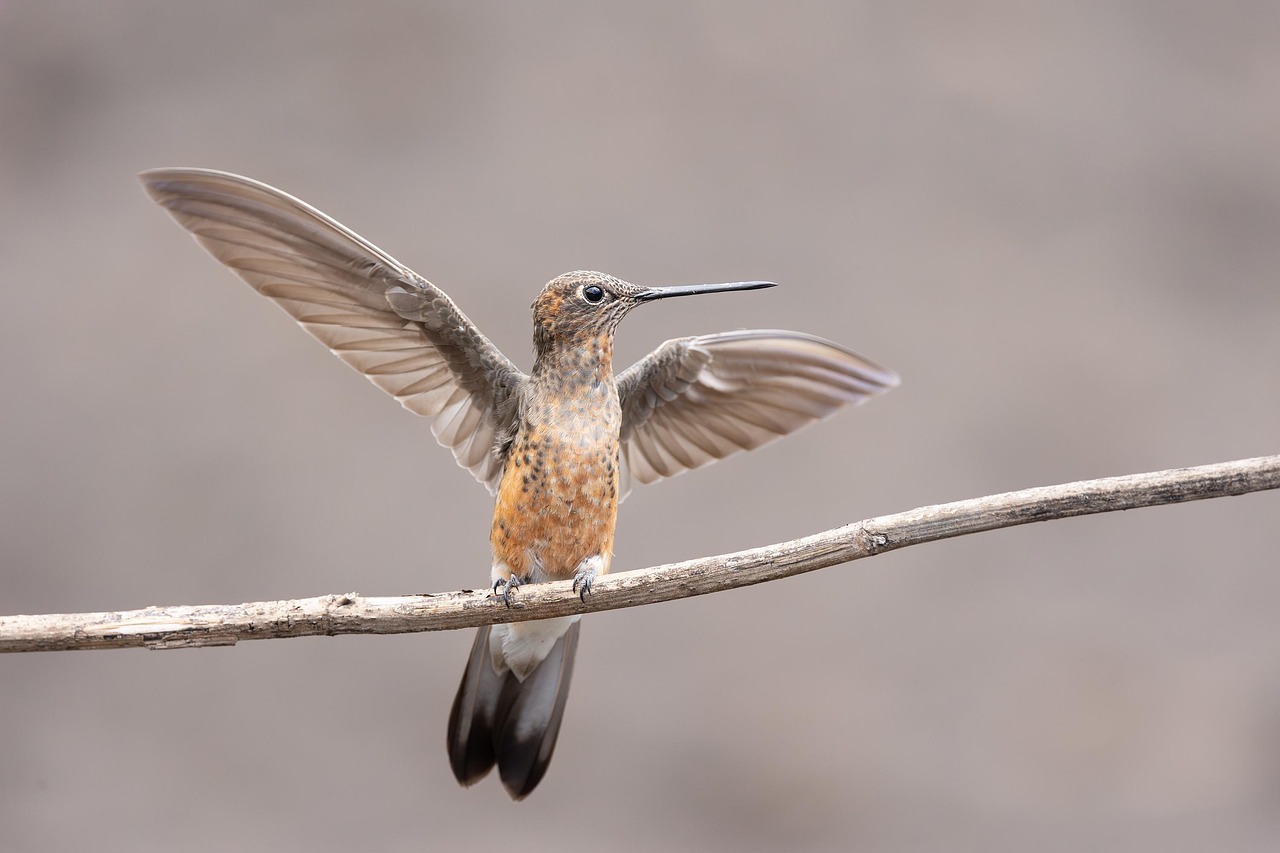
Selecting the Right Feeder
Choosing the right feeder is the most important step in creating a reliable backyard sanctuary for hummingbirds. While many nectar feeders are available, not all are created equal. Focus on models specifically engineered for these high-energy birds to ensure they return season after season.
Hummingbirds are naturally drawn to the color red, which they associate with nectar-rich flowers. Look for a feeder that features red components, such as a red lid, base, or decorative accents. You do not need to use red-dyed sugar water, as the color of the feeder itself is sufficient to catch their attention.
Beyond aesthetics, prioritize functionality and hygiene. Hummingbirds are highly susceptible to bacteria and mold, which can grow rapidly in warm, sugary water. A feeder that is difficult to clean will quickly become a health hazard rather than a food source.
When shopping for a feeder, look for these practical design features:
- Easy Disassembly: Choose a model that can be taken apart completely without the need for specialized tools. This allows you to reach every crevice during your weekly scrub.
- Wide-Mouth Openings: A wide opening makes the feeder easier to fill without spilling and allows for thorough cleaning with a bottle brush.
- Built-in Ant Moats: Ants are attracted to sugar water. A feeder with a built-in moat—a small cup that holds water to create a barrier—prevents insects from crawling into the nectar.
- Bee Guards: If your area has many bees or wasps, look for feeders with small mesh screens or extended feeding ports that prevent insects from accessing the liquid.
Avoid feeders with complex, decorative glass shapes that have hard-to-reach corners. While they may look beautiful, they are often impossible to sanitize properly. A simple, functional design is the best choice for both the birds and your maintenance routine.
Once you have selected a high-quality feeder, place it in a location that offers both sunlight and shade. Keep it away from high-traffic areas and ensure it is positioned where you can easily reach it for regular maintenance. By selecting a feeder that is easy to clean, you ensure that your garden remains a safe, healthy environment for hummingbirds to thrive throughout the season.
Preparing the Ideal Nectar
Creating the perfect nectar is the most critical step in attracting hummingbirds to your garden. While commercial mixes are available, the safest and most effective solution is a simple homemade recipe that mimics the sugar concentration found in natural flower nectar. Stick to a ratio of one part refined white sugar to four parts water.
To prepare the mixture, follow these steps:
- Measure one cup of white granulated sugar and four cups of tap water.
- Combine the ingredients in a clean saucepan.
- Bring the mixture to a boil, stirring until the sugar is completely dissolved. Boiling helps remove impurities and slows down fermentation.
- Remove the pan from the heat and allow the solution to cool completely to room temperature before filling your feeder.
It is vital to use only plain, refined white sugar. Avoid organic, raw, or brown sugars, as these contain molasses and iron levels that can be toxic to hummingbirds. Furthermore, never use honey, as it encourages dangerous fungal growth, and steer clear of artificial sweeteners, which provide no energy for the birds.
You may be tempted to add red food dye to make the nectar more visible, but this is unnecessary and potentially harmful. Hummingbirds are naturally attracted to the color red, so it is far safer to choose a feeder with red accents or attach a red ribbon to the base. If you use dye, you risk exposing the birds to chemicals that their small kidneys cannot process.
When maintaining your feeding station, cleanliness is just as important as the recipe itself. Before refilling, empty any old nectar and scrub the feeder thoroughly with hot water and a bottle brush. If you notice black mold or a cloudy appearance, use a diluted vinegar solution to sanitize the plastic or glass components. Rinse the feeder multiple times to ensure no residue remains.
In hot weather, nectar can ferment quickly, turning sour or developing bacteria. During peak summer heat, change the solution every two days to ensure the hummingbirds receive fresh, healthy energy. By providing a clean, consistent, and safe food source, you create a reliable haven that will keep these energetic visitors returning to your garden throughout the season.

Strategic Feeder Placement
Strategic placement is the most critical factor in turning your yard into a hummingbird haven. These birds are highly visual, so your feeder must be clearly visible from a distance, yet positioned in a way that makes the birds feel secure while they feed.
Ideally, select a location that receives a balance of morning sunlight and afternoon shade. Direct, intense sun can cause nectar to ferment quickly, while complete shade may make the feeder difficult for passing hummingbirds to spot. Placing the feeder near native flowering plants—such as bee balm, salvia, or trumpet vine—creates a natural “landing zone” that acts as a visual beacon, signaling to hummingbirds that a reliable food source is nearby.
Wind protection is equally important. Hummingbirds are agile, but they struggle to hover at a feeder in strong, gusty conditions. Choose a spot shielded by shrubs or a fence line to ensure the birds can feed comfortably without fighting the elements.
If you prefer hanging feeders from high tree branches, safety must be your priority. Follow these guidelines when using a ladder:
- Check your foundation: Always set the ladder on firm, level ground. Avoid soft soil or uneven terrain that could cause the ladder to shift.
- Three-point contact: Maintain three points of contact (two hands and one foot, or two feet and one hand) at all times while climbing or reaching.
- Avoid overreaching: Never lean away from the ladder to hang a feeder. If you cannot reach the branch safely, move the ladder to a new position.
- Use proper equipment: Ensure your ladder is rated for the weight of the user and the equipment being carried. A sturdy step ladder or extension ladder in good repair is essential.
Once your feeder is securely mounted, keep the area around it clear of dense, low-hanging foliage that might provide cover for predators like outdoor cats. By combining visibility with protection, you create an inviting environment that encourages hummingbirds to return to your garden throughout the season. Remember to keep your hand tools and maintenance equipment organized nearby so you can easily prune back any encroaching branches that might obstruct the birds’ flight paths or your view of these fascinating visitors.
Maintaining a Safe Environment
Creating a welcoming habitat for hummingbirds goes beyond just filling a feeder; it requires a commitment to consistent maintenance. A clean environment is the most effective way to prevent the growth of harmful mold and bacteria, which can be fatal to these delicate birds. Neglected feeders often harbor fermented nectar, which poses a significant health risk to visiting hummingbirds.
To keep your equipment in top condition, establish a regular sanitation routine. Aim to clean your feeders every three to four days, or more frequently during periods of extreme heat. Follow these steps for an effective clean:
- Disassemble the feeder completely to reach every crevice.
- Use a dedicated bottle brush and hot water to scrub away residue. Avoid harsh chemical detergents, as lingering scents or toxins can deter birds or cause illness.
- Rinse thoroughly with hot water until no soap or debris remains.
- Allow the components to air dry completely before refilling.
When handling your cleaning tools, exercise caution. Many hummingbird feeders are constructed from delicate glass or thin plastic that can crack under excessive pressure. Use soft-bristled brushes that effectively remove sugar buildup without scratching the material, as scratches can create hiding spots for bacteria.
Maintaining the surrounding landscape is equally important for a safe feeding station. If you use garden tools to trim nearby branches or clear overgrowth, prioritize your personal safety and the integrity of the area. Always wear durable protective gloves and safety glasses to shield yourself from flying debris, sap, or thorns. When using power equipment like hedge trimmers or loppers, ensure you are working at a safe distance from the feeder to prevent accidental damage to the hanging mechanism or the feeder itself.
By keeping your garden maintenance tools organized and your feeders sanitized, you create a healthy, inviting sanctuary. Regular upkeep ensures that your yard remains a reliable source of energy for hummingbirds throughout the season. Remember, a clean feeder is a safe feeder, and your attention to these small details will encourage these vibrant birds to return to your garden time and time again.

Common Questions and Ongoing Care
Maintaining a hummingbird feeder requires more than just filling it with nectar. To keep your station humming with activity, you must manage unwanted pests effectively. Ants and bees are common visitors that can discourage birds from feeding. Installing an ant guard—a small cup filled with water placed above the feeder—creates a physical barrier that ants cannot cross. For bees, ensure your feeder has built-in bee guards or choose models with smaller feeding ports that prevent insects from reaching the liquid.
If you notice a lack of activity despite your best efforts, your feeder may not be the problem. Hummingbirds are highly attracted to natural food sources. Consider these steps to enhance your garden:
- Incorporate native plants like bee balm, trumpet vine, or salvia to provide high-quality natural nectar.
- Avoid using pesticides in your garden, as these chemicals can harm the insects that hummingbirds also rely on for protein.
- Ensure your feeder is positioned in a quiet area with nearby perching spots, such as small tree branches or shrubs.
Proper maintenance is essential for bird health. Clean your feeder at least twice a week with hot water and a mild vinegar solution to prevent mold and bacteria growth. Never use soap or bleach, as these can leave harmful residues. If you see a hummingbird that appears lethargic, has matted feathers, or shows signs of injury, do not attempt to handle it. Sick birds require specialized care that the average gardener cannot provide.
For persistent pest issues or concerns regarding bird health, reach out to your local agricultural extension office. They can provide region-specific guidance on managing invasive insects without disrupting the local ecosystem. You may also contact a reputable birding organization, such as the National Audubon Society, for expert advice on avian welfare and habitat conservation.
By keeping your equipment clean and supplementing your feeders with a diverse selection of native flora, you create a sustainable environment that hummingbirds will return to season after season. Gardening for wildlife is a long-term commitment, but the reward of seeing these vibrant birds thrive in your backyard is well worth the ongoing maintenance.

Dedicated team of gardening enthusiasts with years of hands-on experience testing lawn mowers, gardening tools, and outdoor equipment. We help home gardeners and professionals alike make informed buying decisions with honest, thorough reviews. From push mowers to pruning shears, we test it all so you don’t have to. Got a gardening tool you’d like us to review? Get in touch!