
To attract hummingbirds to your yard, you must provide a consistent source of nectar-rich flowers and a reliable water feature. By incorporating native plants and minimizing chemical use, you can transform your outdoor space into a vibrant sanctuary that naturally draws these energetic pollinators throughout the entire growing season.
Creating a hummingbird haven requires more than just hanging a feeder; it involves thoughtful landscape design and diligent garden maintenance. While these birds are naturally curious, they prioritize safety and food availability. Understanding how to integrate the right lawn care equipment and hand tools will help you sustain the ideal habitat.
This guide covers the essential elements needed to invite these energetic pollinators to your garden using bird-friendly landscaping and proper maintenance techniques. We will explore how to select the best outdoor power equipment for habitat management, ensuring your yard remains a welcoming, lush environment that keeps hummingbirds returning year after year.
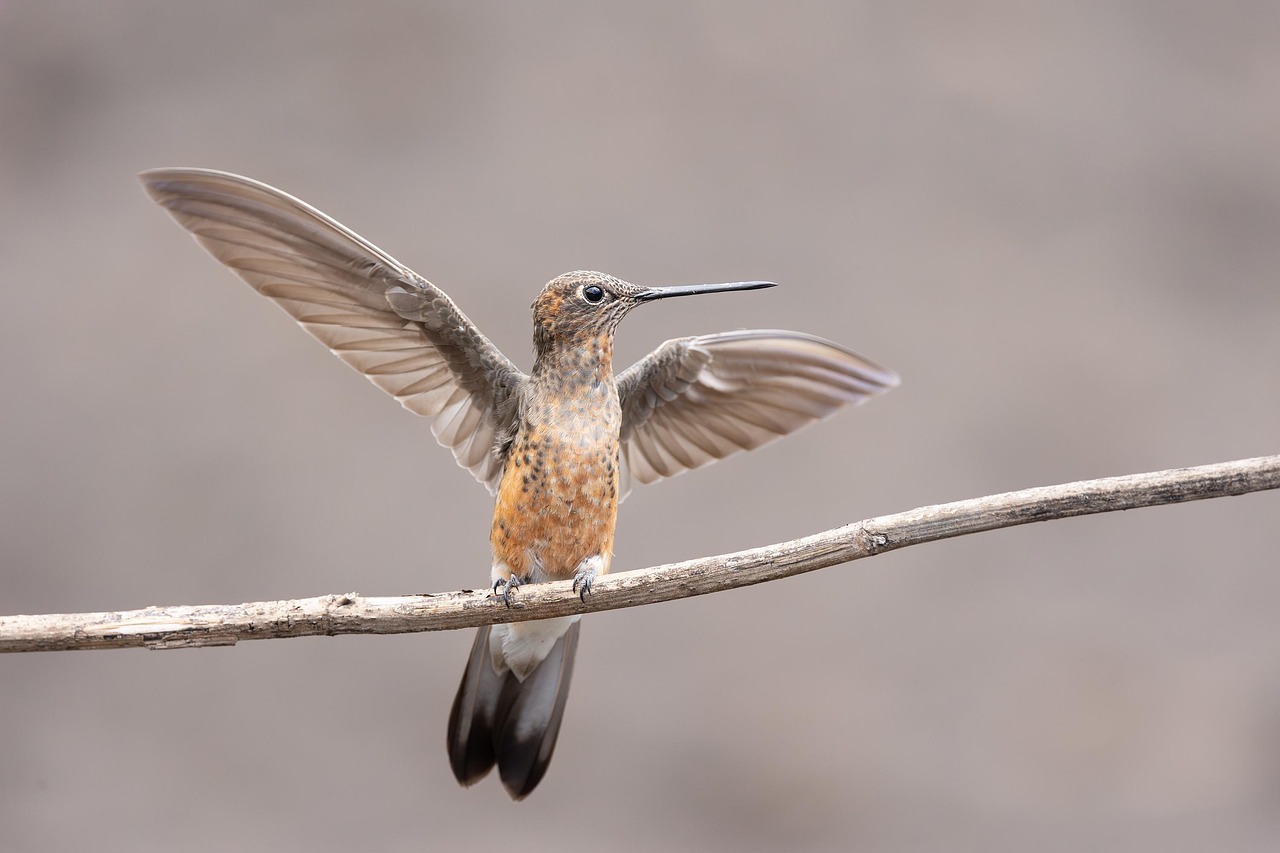
Choose Nectar-Rich Native Plants
To turn your yard into a reliable hummingbird sanctuary, your primary focus should be on high-energy nectar sources. Hummingbirds have incredibly high metabolisms and require constant refueling. By prioritizing native plants, you provide the most efficient, nutrient-dense food source tailored to the specific needs of your local hummingbird populations.
Native plants are superior for several practical reasons. They are naturally adapted to your local soil conditions and climate, requiring less supplemental watering, fertilizers, or chemical pesticides. This creates a safer, more sustainable environment for birds. Furthermore, native species have evolved alongside local pollinators, ensuring that the nectar quality and blooming cycles align perfectly with hummingbird migration patterns.
When planning your landscape, aim for a variety of shapes and colors. Hummingbirds are particularly attracted to tubular-shaped flowers, which accommodate their long beaks and tongues. Incorporate these high-performing native options to create a continuous buffet throughout the growing season:
- Bee Balm (Monarda): A favorite for its vibrant color and high nectar volume.
- Trumpet Vine (Campsis radicans): A vigorous grower that provides a massive amount of nectar; ensure you have sturdy support structures for this climber.
- Columbine (Aquilegia): Excellent for early-season feeding when other flowers may not yet be in bloom.
- Salvia: Known for long-lasting blooms that provide a steady supply of energy.
Before planting, use a quality hand trowel to loosen the soil and amend it with organic compost. Proper spacing is essential; use a garden rake to clear debris and ensure adequate airflow between plants, which reduces the risk of fungal diseases. If you are planting in containers or raised beds, ensure they have proper drainage to prevent root rot.
Maintenance is straightforward once these plants are established. Use sharp bypass pruners to deadhead spent blooms, which encourages the plant to direct its energy into producing new flowers rather than seeds. Avoid using broad-spectrum insecticides in your garden, as these can inadvertently poison the insects that hummingbirds also consume for protein. By choosing native species and maintaining them with care, you provide a robust, natural ecosystem that will keep hummingbirds returning to your yard year after year.
Install and Maintain Hummingbird Feeders
While native flowers provide a natural buffet, installing nectar feeders is the most effective way to guarantee hummingbirds visit your yard throughout the season. These supplemental food sources provide the high-energy fuel these birds require to maintain their rapid metabolism, especially when natural blooms are scarce.
To create a safe and healthy nectar solution at home, follow this simple recipe:
- Mix one part refined white sugar with four parts boiling water.
- Stir until the sugar is completely dissolved.
- Allow the mixture to cool entirely before filling your feeders.
It is vital to stick strictly to this ratio. Never use honey, as it can promote dangerous fungal growth, and avoid molasses or brown sugar, which contain iron levels that are toxic to hummingbirds. Additionally, do not add red food coloring; the bright red color of the feeder itself is more than enough to attract them, and artificial dyes can be harmful to their health.
Maintenance is just as important as the recipe itself. Hummingbirds are highly susceptible to mold and bacteria, which can grow rapidly in outdoor feeders during warm weather. To keep your visitors safe, you must clean your feeders at least twice a week, or more frequently if temperatures exceed 85°F.
Follow these steps for proper sanitation:
- Empty any remaining nectar and discard it.
- Disassemble the feeder completely.
- Use a dedicated bottle brush to scrub the interior, the feeding ports, and all crevices with hot water.
- Rinse thoroughly to ensure no soap residue remains.
- Allow the unit to air dry before refilling.
If you notice any signs of black mold, soak the feeder parts in a solution of one part white vinegar to two parts water for an hour before scrubbing. Avoid using harsh chemical detergents, as these can leave toxic residues that are difficult to rinse away. By keeping your equipment spotless, you ensure that your yard remains a healthy, inviting destination for hummingbirds rather than a source of illness. Position your feeders in a shaded area to keep the nectar fresher for longer, and always check the liquid level daily to ensure your tiny guests never go hungry.

Create a Bird-Friendly Habitat
Attracting hummingbirds requires more than just nectar-rich flowers; you must transform your yard into a sanctuary that provides safety, hydration, and nesting opportunities. A well-maintained garden serves as the foundation for this habitat, but your approach to maintenance is just as important as the plants you choose.
Water is a critical, often overlooked component. Hummingbirds rarely use deep birdbaths. Instead, they prefer shallow water features where they can safely bathe and drink. To truly entice them, install a mister or a dripper. These devices keep the water moving, which catches the light and signals to hummingbirds that a fresh water source is nearby. Ensure the basin is cleaned regularly with a soft brush to prevent algae buildup, keeping the water hygienic for your visitors.
Shelter is equally vital for protection from predators and harsh weather. Incorporate a mix of small trees and dense shrubs to provide perches and nesting sites. When pruning these plants, use sharp, clean hand pruners to maintain healthy growth without damaging the stems. Proper maintenance ensures the foliage remains thick enough to offer cover while allowing for the flight paths these birds require.
To keep your habitat truly bird-friendly, change how you manage your outdoor space:
- Eliminate chemical pesticides: Hummingbirds rely on small insects and spiders for essential protein. Pesticides kill these food sources and can be toxic to the birds themselves.
- Embrace organic gardening: Use compost to enrich your soil instead of synthetic fertilizers. Healthy soil supports a diverse ecosystem of beneficial insects.
- Strategic cleanup: Leave some deadwood or dried plant stalks in out-of-the-way corners. These often house the insects hummingbirds hunt and provide nesting materials like spider silk and plant down.
- Power equipment safety: When using leaf blowers or string trimmers, be mindful of nesting areas. Avoid heavy maintenance during peak nesting seasons to prevent disturbing active sites.
By shifting your gardening practices toward a more natural, chemical-free approach, you create a self-sustaining environment. When you provide a reliable water source, safe shelter, and a healthy population of insects, hummingbirds will recognize your yard as a secure place to feed and raise their young. Consistent, thoughtful care is the best tool you have for building a thriving, bird-friendly landscape.
Safety Tips for Garden Maintenance
Creating a hummingbird-friendly sanctuary requires regular garden maintenance, but your safety should always come first. Whether you are deadheading nectar-rich flowers or trimming shrubs, using the right tools correctly prevents both plant damage and personal injury.
When deadheading perennials to encourage new blooms, always use sharp, well-maintained hand pruners. Dull blades crush plant stems rather than slicing through them cleanly. These jagged, bruised edges act as entry points for pathogens and fungal diseases that can weaken your plants. A clean cut ensures the plant heals quickly and continues to produce the nectar hummingbirds crave.
If your garden design includes large shrubs that require shaping with power hedge trimmers, prioritize your personal protective equipment. The high-speed blades can kick up debris, making safety glasses essential to protect your eyes. Additionally, operate these tools while wearing hearing protection to prevent long-term damage from engine or motor noise. Always maintain a firm, balanced stance and keep your hands well away from the cutting path.
Follow these essential safety practices when using outdoor power equipment and tools:
- Inspect Power Cords: Before plugging in any electric tool, check the entire length of the cord for cracks, frays, or exposed wiring. Never use damaged equipment, as it poses a significant shock hazard.
- Stabilize Your Equipment: If your garden maintenance requires trimming high branches or reaching elevated areas, ensure your ladder is placed on firm, level ground. Have a second person spot you if the terrain is uneven.
- Clear the Area: Before starting any power equipment, scan the immediate area for pets, children, or garden ornaments. Hummingbirds are quick, but larger equipment can be unpredictable.
- Maintain Your Tools: Keep hand tools clean and rust-free. Wipe blades with a light coat of oil after each use to ensure smooth operation and longevity.
By keeping your tools in top condition and following these safety protocols, you create a more efficient workflow. A well-maintained garden not only looks better but also provides a healthier, more reliable environment for hummingbirds to visit throughout the season. Remember, a safe gardener is a more consistent gardener, which is the ultimate key to a thriving, bird-friendly landscape.

Common Questions and Ongoing Care
Attracting hummingbirds requires consistent maintenance of your feeding stations and surrounding garden environment. Establishing a routine ensures your yard remains a safe, welcoming habitat for these high-energy visitors throughout the season.
Timing is critical when setting up your equipment. Place your nectar feeders out just before the expected arrival of spring migrants in your region. Check your local migration maps or extension office to identify these dates, as putting feeders out too early can lead to spoilage, while waiting too long may cause passing birds to miss your yard entirely.
Ongoing maintenance is essential to prevent the spread of disease. Use high-quality, easy-to-clean hand tools and brushes specifically designed for narrow feeder ports to ensure every crevice is scrubbed. If you notice birds acting lethargic, or if you observe visible signs of mold or cloudy residue in your feeders, stop feeding immediately. Take down all equipment and sanitize it thoroughly using a solution of one part white vinegar to two parts water, followed by a rigorous rinse.
Maintaining a healthy garden environment also involves proper lawn care and the safe use of outdoor power equipment. To protect hummingbirds, follow these best practices:
- Avoid using pesticides or herbicides in your garden, as these chemicals can harm the small insects hummingbirds rely on for protein.
- When using string trimmers or mowers, be mindful of low-hanging branches or dense shrubs where birds may be nesting.
- Keep your garden tools clean and stored properly to prevent the accidental introduction of pathogens into the landscape.
- If you find an injured bird, do not attempt to handle or medicate it yourself. Contact a local wildlife rehabilitator immediately for professional guidance.
Practical home gardening for hummingbirds is as much about the tools you use as the plants you grow. By keeping your equipment sanitary and your garden free of harmful chemicals, you create a sustainable sanctuary. Regularly inspect your feeders for leaks or damage, and replace any components that show signs of wear. A clean, well-maintained feeding station is the most effective way to ensure your hummingbirds stay healthy and continue to return to your yard year after year.

Dedicated team of gardening enthusiasts with years of hands-on experience testing lawn mowers, gardening tools, and outdoor equipment. We help home gardeners and professionals alike make informed buying decisions with honest, thorough reviews. From push mowers to pruning shears, we test it all so you don’t have to. Got a gardening tool you’d like us to review? Get in touch!