
To attract a lot of hummingbirds to your yard, you must provide a consistent supply of nectar-rich flowers and reliable sugar-water feeders. By strategically planting colorful blooms and maintaining clean, accessible water sources, you can transform your outdoor space into a thriving, high-traffic sanctuary that these energetic birds will visit daily.
Creating a hummingbird haven requires more than just hanging a single feeder. Success depends on selecting the right native plants that offer continuous blooms throughout the season, alongside proper garden maintenance practices. While you cannot force birds to stay, providing a diverse, pesticide-free habitat significantly increases your chances of hosting a large, active population.
This guide covers the essential tools and techniques needed to sustain a healthy hummingbird environment. We explore the best gardening equipment for managing nectar-rich landscapes, optimal feeder placement strategies, and practical home gardening tips. Follow these steps to ensure your property becomes a premier destination for hummingbirds and other beneficial pollinators all year long.
Choose the Right Plants for Natural Foraging
To turn your backyard into a hummingbird sanctuary, you must prioritize nectar-rich plants that provide reliable fuel. Hummingbirds have high metabolic rates and require a constant supply of energy. By selecting the right flora, you create a natural buffet that keeps these birds returning to your garden throughout the season.
Focus on native species, which are not only better adapted to your local climate but also offer the specific nectar concentrations hummingbirds need. Because these birds have long, slender bills, they prefer tubular-shaped flowers that act as perfect reservoirs for nectar. Incorporating a variety of colors—with a specific emphasis on red, orange, and pink—will significantly increase your garden’s visibility to passing birds.
Consider adding these high-performing plants to your landscape:
- Bee Balm (Monarda): A perennial favorite that thrives in sun and offers a long blooming season.
- Columbine: Excellent for early spring arrivals, providing early-season sustenance.
- Salvia: Available in many varieties, these are hardy, drought-tolerant, and highly attractive to pollinators.
- Trumpet Vine: A vigorous climber that produces large, nectar-filled blooms perfect for hummingbirds.
The secret to a successful hummingbird garden is bloom sequencing. If your flowers all bloom at once, your visitors will move on to find food elsewhere. Plan your planting layout to ensure that you have something in flower from the first frost of spring through the final days of autumn. Use your hand tools to clear space for new additions, and keep your garden beds well-maintained so that your nectar sources remain healthy and vibrant.
When planting, avoid the use of pesticides or chemical fertilizers. Hummingbirds are sensitive to toxins, and a chemical-free environment ensures they remain safe while foraging. If you are preparing large areas for new plantings, use power equipment like a tiller to break up compacted soil, ensuring your plants establish deep, healthy root systems. By providing a diverse, layered habitat with consistent food sources, you create an inviting environment that hummingbirds will choose as their preferred stopover.
Remember that hummingbirds also require small insects for protein. A healthy, pesticide-free garden that supports a variety of native insects will provide a more complete diet, making your yard an essential habitat for their survival and reproduction.
Setting Up and Maintaining Hummingbird Feeders
While planting native flowers provides a natural food source, installing sugar water feeders is the most effective way to ensure hummingbirds return to your yard consistently. These feeders supplement natural nectar, especially during peak migration or when local blooms are scarce. To create a safe, nutritious mixture, combine one part white granulated sugar with four parts water. Boil the water first to dissolve the sugar completely, then let it cool to room temperature before filling the feeder.
Never use honey, which can cause fatal fungal infections in birds, or artificial dyes, which are unnecessary and potentially harmful. Replace the sugar water every few days, or more frequently during hot weather, to prevent fermentation.
Maintaining a clean feeder is the most critical aspect of hummingbird care. Mold and bacteria grow rapidly in warm, sugary environments, posing a serious health risk to your visitors. Follow this maintenance routine to keep your equipment safe:
- Clean twice weekly: Use a long-handled bottle brush to scrub the interior of the reservoir and the feeding ports.
- Use hot water: Rinse thoroughly with hot water to remove any residue. Avoid harsh chemical detergents that can leave toxic traces.
- Sanitize safely: If you notice black mold, soak the feeder parts in a solution of one part white vinegar to two parts water. Rinse extremely well until the vinegar scent is completely gone.
- Inspect parts: Regularly check the gaskets and feeding ports for wear. If plastic parts become cracked or brittle, replace them immediately to prevent leaks that attract ants and wasps.
Position your feeders in a shaded or semi-shaded area to keep the sugar water from spoiling too quickly. By keeping your equipment clean and the nectar fresh, you create a reliable oasis that hummingbirds will visit throughout the season. Remember that your gardening tools, such as long-reach pruners, are useful here; use them to trim back overhanging branches near the feeder. This provides hummingbirds with a clear flight path while allowing you to easily reach the feeder for your bi-weekly cleaning sessions. A well-maintained feeding station, paired with a diverse garden, is the ultimate way to attract and sustain a thriving hummingbird population in your own backyard.

Creating a Hummingbird-Friendly Habitat
Transforming your garden into a hummingbird sanctuary requires more than just nectar-rich flowers. To keep these energetic birds returning, you must provide a reliable habitat that meets their needs for hydration, rest, and a protein-rich diet.
Water is essential, but hummingbirds are cautious drinkers. They rarely use deep birdbaths. Instead, install a shallow basin, no more than an inch or two deep, and incorporate a mister or a dripper. Hummingbirds are naturally attracted to the movement and sparkle of falling water, which they use to bathe and drink while in flight.
Resting spots are equally important. Hummingbirds expend massive amounts of energy throughout the day and require safe perches to monitor their territory and conserve strength. You can encourage them to stay by incorporating the following elements into your landscape:
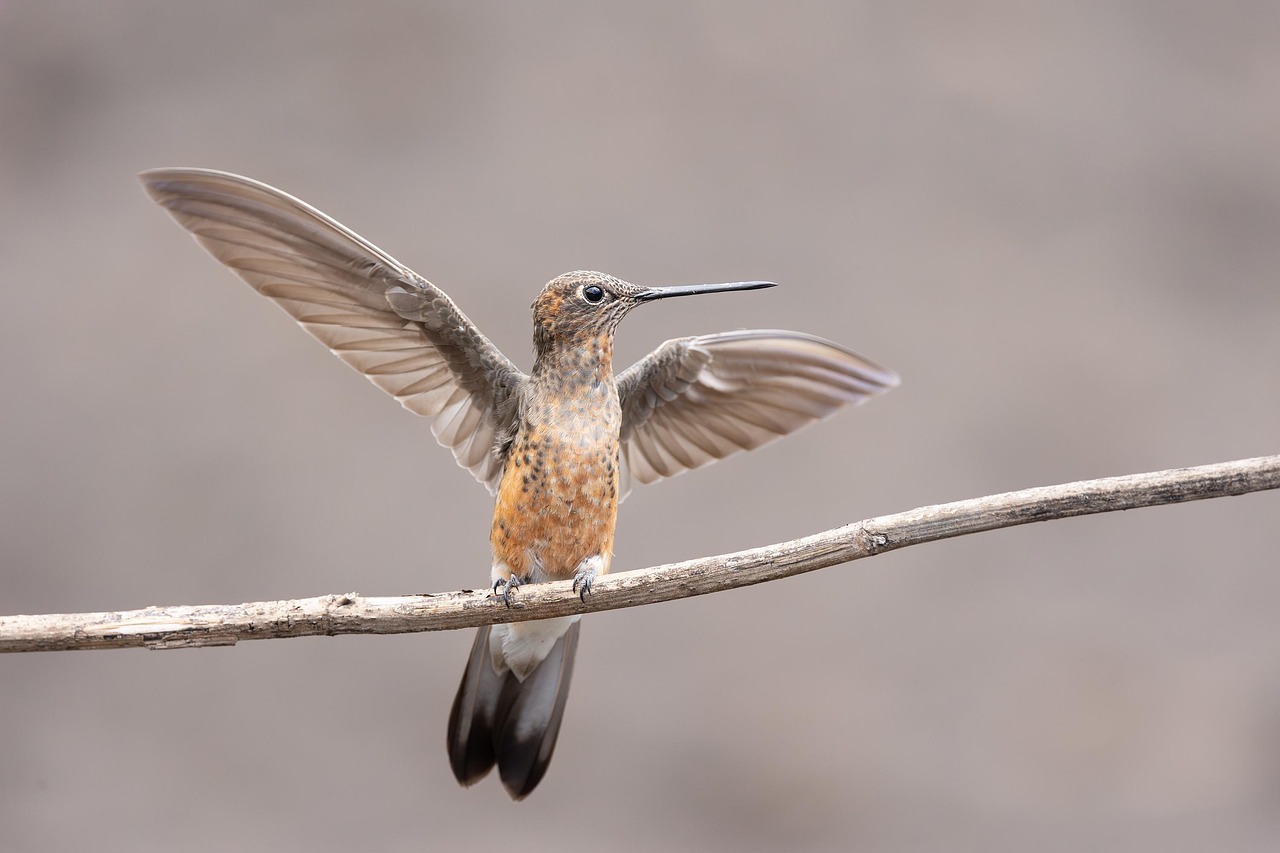
- Thin, exposed twigs: Place dead or pruned branches near nectar sources. Hummingbirds prefer perches that offer a clear line of sight for spotting rivals.
- Dense shrubs: Provide thick foliage, such as boxwood or yew, where birds can hide from predators and seek shelter during inclement weather.
- Horizontal wires: If you have clotheslines or decorative garden fencing, these often serve as ideal vantage points for territorial males.
Finally, your approach to garden maintenance plays a critical role in the birds’ health. While we often think of hummingbirds as nectar-feeders, they rely heavily on small insects—such as gnats, spiders, and fruit flies—to meet their protein requirements. This is especially true when they are nesting and raising their young.
Avoid using synthetic pesticides and herbicides in your yard. These chemicals not only eliminate the vital insect population that hummingbirds depend on but can also be toxic if ingested. Instead, embrace a natural approach to pest control. By maintaining a healthy, diverse ecosystem, you allow beneficial insects to thrive, which in turn creates a self-sustaining food supply for your hummingbirds.
When pruning your garden, be mindful of nesting season. Avoid aggressive trimming of dense trees or shrubs during the spring and summer months, as these provide the crucial cover needed for tiny, cup-shaped nests. By keeping your garden chemical-free and providing both movement in the water and quiet places to rest, you create a welcoming environment that hummingbirds will choose season after season.
Safety Tips for Garden Maintenance
Creating a hummingbird haven requires regular garden maintenance, but your safety should always be the priority. Whether you are deadheading nectar-rich flowers or installing new feeders, using the right tools correctly prevents accidents and keeps your landscape thriving.
When pruning perennials to encourage more blooms, always use sharp, high-quality shears. Dull blades crush plant stems rather than slicing through them, which invites disease and slows regrowth. Keep your blades clean and lightly lubricated to ensure smooth, efficient cuts that protect the health of your nectar sources.
If your garden design includes power trimmers for edge work near flower beds, you must prioritize personal protection. Debris can become a projectile in an instant, so follow these safety essentials:
- Wear impact-resistant safety glasses to shield your eyes from flying wood chips or gravel.
- Always wear sturdy, closed-toe footwear to protect your feet from errant blades and heavy equipment.
- Clear the area of rocks, sticks, and garden ornaments before powering up to prevent dangerous kickback.
Attracting hummingbirds often involves hanging feeders at various heights to provide multiple feeding stations. Before climbing a ladder, perform a quick stability check. Ensure the feet are level on firm ground and never overreach; instead, reposition the ladder to keep your center of gravity balanced. If you are working on a slope, use a ladder leveler or choose a flatter location to prevent tipping.
Finally, many hummingbird gardens feature water elements like misting systems or small fountains to provide bathing spots. If your setup requires electricity, safety is non-negotiable. Ensure all outdoor power connections are protected by a Ground Fault Circuit Interrupter (GFCI). This device is designed to cut power instantly if it detects a ground fault, protecting you from electrical shock in damp garden environments.
By maintaining your tools and following these simple safety protocols, you create a secure environment for both yourself and the birds. A well-maintained garden is not only more productive for pollinators but also a much more enjoyable space for you to relax and watch your visitors arrive. Remember: a clean, sharp tool is a safe tool, and a cautious gardener is a successful one.

Common Questions and Long-Term Care
Creating a hummingbird haven requires more than just hanging a feeder; it demands a long-term commitment to a healthy, chemical-free ecosystem. By maintaining your garden with care, you provide the natural habitat these birds need to thrive throughout the seasons.
One of the most frequent questions involves migration timing. Hummingbirds typically return to the same breeding grounds year after year. To ensure they find your yard ready upon arrival, clean your feeders thoroughly before the season begins and keep your nectar fresh. If you notice territorial behavior, such as one bird aggressively guarding a feeder, simply add more feeders in different areas of your yard, preferably out of sight of one another. This allows multiple birds to feed without constant conflict.
Bees and wasps are often attracted to the same sugar water as hummingbirds. To discourage them, follow these practical steps:
- Choose feeders with built-in bee guards or smaller feeding ports that restrict insect access.
- Ensure your feeder does not leak; dripping nectar is a primary attractant for stinging insects.
- Move feeders to a shaded area, as bees are generally less active in cooler, darker spots than hummingbirds.
- Avoid using yellow or bright orange decor near the feeder, as these colors naturally attract bees.
When performing garden maintenance, avoid using pesticides or herbicides. Hummingbirds rely on small insects and spiders for protein, and chemical sprays can eliminate this vital food source or prove toxic to the birds themselves. Use hand tools for weeding and manual pruning to keep your garden tidy without introducing harmful substances into the environment. If you are using outdoor power equipment like leaf blowers or trimmers, be mindful of nesting sites in dense shrubs or low-hanging branches.
Finally, your role is to provide a safe sanctuary. If you ever encounter a sick or injured hummingbird, do not attempt to treat it yourself. These birds have incredibly high metabolisms and fragile bodies. Instead, contact a licensed local wildlife rehabilitator immediately. They have the specialized equipment and knowledge required to provide the necessary care.
By focusing on consistent maintenance and avoiding synthetic chemicals, you create a reliable, welcoming destination. Your dedication ensures that hummingbirds will continue to visit your landscape throughout their migration cycles, rewarding your efforts with their beauty and activity for years to come.

Dedicated team of gardening enthusiasts with years of hands-on experience testing lawn mowers, gardening tools, and outdoor equipment. We help home gardeners and professionals alike make informed buying decisions with honest, thorough reviews. From push mowers to pruning shears, we test it all so you don’t have to. Got a gardening tool you’d like us to review? Get in touch!