
To add neem oil to plants, you must first mix a small amount of high-quality, cold-pressed neem oil with warm water and a few drops of mild liquid soap. This emulsification process is essential to ensure the oil blends correctly, allowing you to safely spray your foliage to eliminate common garden pests and fungal issues.
While neem oil is a highly effective organic solution, it is not a cure-all that works instantly. You must apply it consistently to see results, as it primarily disrupts the life cycles of insects rather than killing them on contact. Always test a small leaf first to ensure your specific plant variety tolerates the mixture well.
In this guide, we provide clear, step-by-step instructions on how to properly mix and apply neem oil to your home garden. You will learn the correct dilution ratios, the best time of day for application, and vital safety tips to protect your plants from potential damage while keeping your growing space healthy and thriving.

Understanding Neem Oil and Why It Works
Neem oil is a naturally occurring pesticide derived from the seeds of the neem tree (Azadirachta indica). For home gardeners, it serves as a versatile, organic tool for managing common garden issues. Unlike harsh synthetic chemicals, neem oil is generally safer for beneficial insects when applied correctly and helps maintain a balanced garden ecosystem.
The primary active compound in neem oil is azadirachtin. This substance does not act as a traditional “knockdown” spray, meaning it will not kill pests instantly upon contact. Instead, it functions as a growth regulator and anti-feedant. When pests ingest or come into contact with the oil, it disrupts their hormonal systems.
By interfering with these biological processes, neem oil effectively manages infestations by:
- Preventing molting: It stops immature pests from shedding their exoskeletons, preventing them from reaching adulthood.
- Reducing feeding: It discourages insects from eating your plants, which eventually leads to starvation.
- Interrupting reproduction: It inhibits the ability of pests to lay eggs or develop properly, breaking the life cycle of the infestation.
Because it targets the life cycle rather than providing an immediate kill, neem oil is most effective when used as a preventative measure or at the very first sign of trouble. It is highly effective against common soft-bodied pests, including:
- Aphids
- Spider mites
- Whiteflies
- Mealybugs
Beyond its insecticidal properties, neem oil also acts as a systemic fungicide. It can help manage common fungal issues like powdery mildew and black spot by coating the leaf surface and inhibiting fungal spore germination. To achieve the best results, consistency is key. Because neem oil breaks down quickly in sunlight, you should plan to reapply it every 7 to 14 days during an active infestation. Always apply it during the cooler parts of the day, such as early morning or late evening, to prevent leaf burn and protect pollinators that may be visiting your garden during peak daylight hours.
Safety Precautions and Protective Gear
Before mixing or applying neem oil, prioritize your personal safety. While neem oil is a natural, plant-based product, it can still cause irritation to your skin, eyes, and respiratory system if handled improperly. Taking a few moments to prepare correctly ensures a safe experience for both you and your garden.
Always equip yourself with basic protective gear before you begin the mixing process. This simple barrier prevents direct contact and accidental exposure:
- Gloves: Wear chemical-resistant or heavy-duty rubber gloves to protect your hands from concentrated neem oil or soapy mixtures.
- Eye Protection: Use safety goggles or glasses to prevent accidental splashes or mist from entering your eyes, which can cause significant stinging and irritation.
- Long Sleeves: Wear long-sleeved shirts and pants to minimize the amount of exposed skin that could come into contact with the spray.
Where you apply the mixture is just as important as what you wear. Always work in a well-ventilated area to ensure that any fine mist or vapors dissipate quickly rather than accumulating around you. If you are treating indoor plants, move them to a garage, patio, or a room with open windows and active airflow.
Outdoor application requires careful attention to weather conditions. Never apply neem oil on windy days. Strong gusts can cause the spray to drift, leading to unintended inhalation of the mist or accidental application onto beneficial insects and pollinators, such as bees and butterflies. By choosing a calm, overcast day, you ensure the treatment stays exactly where you intend it—on the target plant—while keeping the surrounding environment safe.
If you accidentally get neem oil on your skin, wash the area thoroughly with soap and water immediately. If it contacts your eyes, flush them with clean, lukewarm water for at least 15 minutes. By following these precautions, you can effectively manage pests while maintaining a safe and healthy gardening routine.
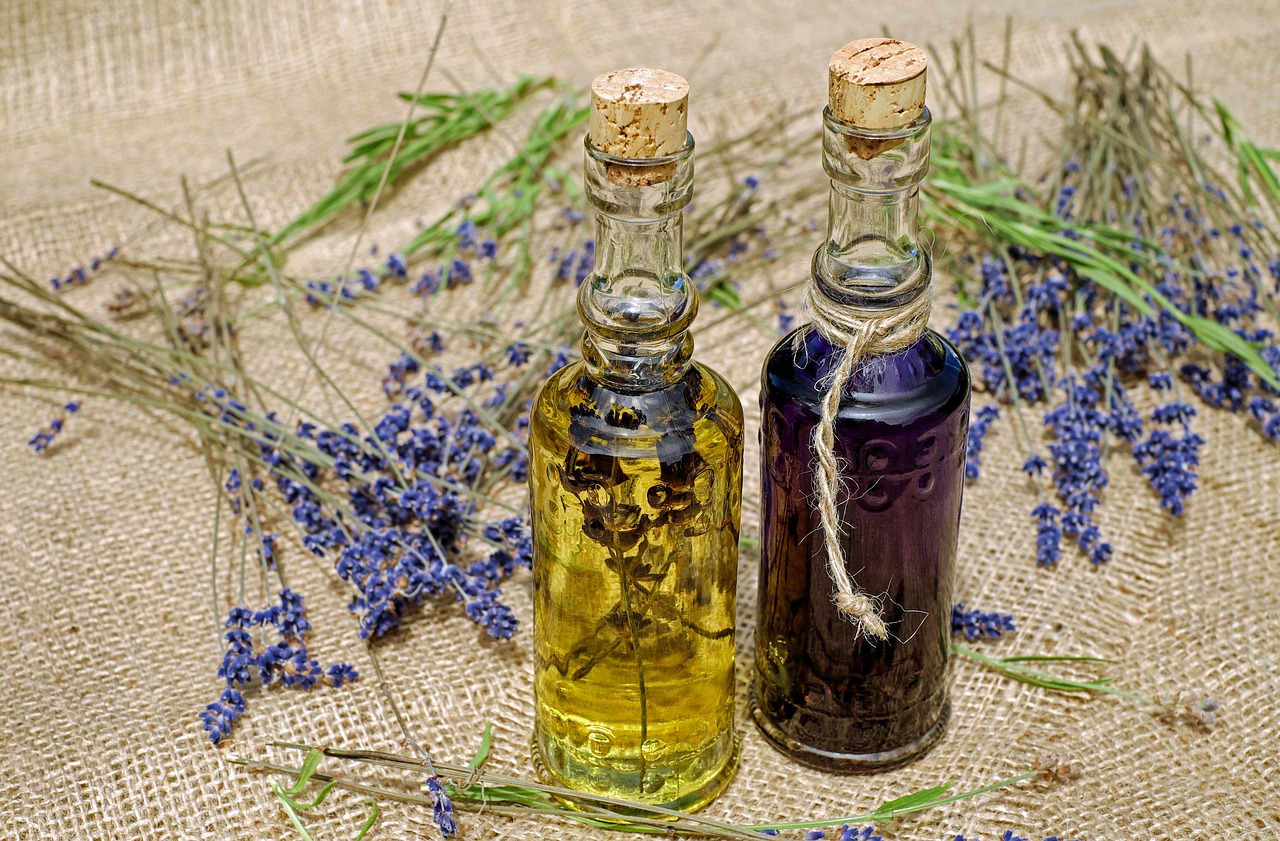
How to Mix Neem Oil for Your Plants
Creating an effective neem oil emulsion requires proper preparation to ensure the oil blends seamlessly with water. Because oil and water naturally repel each other, you must use a mild liquid dish soap as an emulsifier. This allows the ingredients to combine into a stable mixture that will not clog your sprayer or separate during application.
Follow these steps to mix your solution safely:
- Prepare the water: Start with one gallon of warm water. Using warm water is essential, as it helps the neem oil stay in a liquid state and prevents it from solidifying or clumping.
- Add the emulsifier: Add one teaspoon of mild liquid dish soap to the water. Gently stir until the soap is fully incorporated. Avoid using harsh detergents or degreasers, as these can damage delicate plant leaves.
- Incorporate the neem oil: Add two to three teaspoons of pure, cold-pressed neem oil to the soapy water. Stir or shake the container vigorously until the mixture turns a creamy, opaque color.
Once mixed, the solution is ready for immediate use. It is crucial to mix only the amount you intend to apply during a single session. Neem oil begins to break down once it comes into contact with water, losing its potency significantly within eight hours. Storing leftover mixture is ineffective, as the active compounds will degrade, and the emulsion may separate, leading to uneven application.
Always perform a small patch test on a single leaf before spraying the entire plant. Wait 24 hours to ensure there is no adverse reaction, such as wilting or discoloration. When applying, ensure you coat both the tops and undersides of the leaves, as this is where most pests reside. By following these precise ratios and mixing only what you need, you ensure your plants receive the full benefit of neem oil while maintaining a safe and effective gardening routine.
Proper Application Techniques
Before applying neem oil to your entire plant, you must perform a patch test. Mix a small amount of your solution according to the label instructions and apply it to a single leaf or a small, inconspicuous area. Wait 24 to 48 hours to observe the plant’s reaction. If you notice any yellowing, browning, or wilting, your plant may be sensitive to the oil, and you should dilute the mixture further or discontinue use.
When you are ready for a full application, consistency and coverage are essential. Pests like spider mites, aphids, and whiteflies prefer to congregate on the undersides of leaves, where they are protected from predators and environmental elements. Use a handheld sprayer to mist the plant thoroughly, focusing on these specific areas:
- The undersides of every leaf.
- The junctions where leaves meet the main stem.
- New, tender growth tips where insects often cluster.
- The top surface of the foliage until it glistens.
Timing is critical to prevent accidental damage. Never apply neem oil to plants in direct, intense sunlight. The oil creates a thin film on the foliage that can magnify the sun’s rays, leading to rapid leaf burn and permanent tissue damage. To ensure safety, follow these timing guidelines:
The best time to treat your plants is during the cooler parts of the day, specifically early morning or late evening. Applying the solution when the sun is low or absent allows the oil to be absorbed and dry naturally without the risk of heat-related stress. Additionally, avoid spraying on days when temperatures are expected to exceed 90°F (32°C), as high heat can increase the risk of phytotoxicity even in the shade.
Always shake your spray bottle frequently during the application process. Because oil and water naturally separate, keeping the mixture agitated ensures that every misting provides an even concentration of the active ingredients, providing your plants with the consistent protection they need to thrive.

Monitoring Results and Ongoing Care
After your initial application, patience is key. Neem oil is a natural, slow-acting compound, so you likely won’t see pests vanish instantly. Instead, monitor your plants closely over the next few days for a reduction in insect activity and damage.
Because neem oil breaks down quickly when exposed to ultraviolet light and water, its residual protection is limited. For active infestations, you must reapply the solution every 7 to 10 days. This schedule ensures that new generations of pests are treated as they hatch or emerge.
Follow these guidelines for ongoing care:
- Consistency: Do not skip applications during an active outbreak. Interrupting the cycle allows surviving pests to reproduce.
- Timing: Always apply neem oil in the early morning or late evening. Direct, intense sunlight combined with oil on leaves can cause foliage burn.
- Cessation: Once you no longer see live insects or fresh damage for two consecutive weeks, you can stop regular treatments. Transition to a monthly preventative application if the plant is prone to specific pests.
If you have followed a consistent 10-day application schedule for a full month and the infestation remains severe, the neem oil may not be the right solution for that specific pest or plant. In these cases, consider the following steps:
First, inspect the plant for signs of stress unrelated to pests, such as overwatering or poor light, which can make plants more susceptible to recurring attacks. If the plant remains heavily infested despite your best efforts, it is time to seek professional advice. Local university extension offices or reputable garden centers can help identify persistent pests that may require more targeted control methods or systemic treatments. Do not hesitate to isolate the affected plant immediately to prevent the infestation from spreading to the rest of your collection while you seek a secondary solution.

Dedicated team of gardening enthusiasts with years of hands-on experience testing lawn mowers, gardening tools, and outdoor equipment. We help home gardeners and professionals alike make informed buying decisions with honest, thorough reviews. From push mowers to pruning shears, we test it all so you don’t have to. Got a gardening tool you’d like us to review? Get in touch!