
To acidify garden soil, you should incorporate elemental sulfur or aluminum sulfate into the ground based on your specific pH test results. Many popular garden plants, such as blueberries, hydrangeas, and azaleas, thrive in acidic soil. If your soil pH is too high, these plants may struggle to absorb essential nutrients for healthy growth.
Adjusting soil chemistry is a gradual process that requires patience and precision to avoid harming your plants. While adding amendments can effectively lower pH levels, it is crucial to test your soil first rather than guessing. Over-application can lead to toxic conditions, so always follow recommended dosage rates to ensure long-term garden health.
This guide explains how to safely and effectively lower your soil pH to create the ideal environment for your garden. We will walk you through the necessary testing methods, the best amendments to use, and the proper application techniques for your landscape. Follow these practical steps to cultivate lush, thriving plants that love acidic conditions.

Testing Your Soil pH Before You Begin
Before you commit to adding soil amendments, you must accurately determine your current soil pH. Guessing can lead to over-acidification, which is difficult to reverse and can harm your plants. Understanding your baseline is the most critical step in creating a healthy environment for your garden.
You have two primary options for testing your soil:
- Home Test Kits: Available at most garden centers, these kits typically use a chemical indicator solution or a digital probe. While convenient and fast, they are sometimes less precise than professional methods. Follow the manufacturer’s instructions exactly to ensure the most reliable reading.
- Local Extension Office: For the highest accuracy, contact your local university cooperative extension. They provide professional soil testing services for a nominal fee. You will receive a detailed report that not only identifies your pH level but often provides specific recommendations on how much amendment is needed based on your soil type.
Most acid-loving plants, such as blueberries, azaleas, rhododendrons, and hydrangeas, thrive in a pH range between 5.5 and 6.5. However, every plant variety has unique requirements. Before finalizing your plan, research the specific needs of your chosen species. Some plants are highly sensitive to soil chemistry, while others are more adaptable.
When collecting samples for testing, consistency is key. Clear away surface debris and dig down about 4 to 6 inches into the root zone. Take samples from several areas of the garden bed and mix them together to get a representative average of the entire space. Avoid testing immediately after heavy rainfall or fertilization, as these factors can temporarily skew your results.
By taking the time to test first, you gain a clear roadmap for your gardening project. This data-driven approach prevents the common mistake of adding too much sulfur or peat moss, saving you time, money, and potential plant stress in the long run. Always document your starting pH so you can track your progress as you adjust the soil over the coming seasons.
Safe Handling of Soil Amendments
Lowering your soil pH often requires the use of concentrated amendments like elemental sulfur or aluminum sulfate. While these substances are effective at creating the acidic environment many plants crave, they are chemical compounds that demand respect and careful handling to ensure your safety and the health of your garden ecosystem.
Before you begin the application process, prioritize personal protection. These amendments are typically sold as fine powders that can easily become airborne or cause irritation upon contact. To minimize risks, always wear the following gear:
- Safety Goggles: Protect your eyes from fine dust particles that can cause stinging or irritation.
- Gloves: Use chemical-resistant or heavy-duty gardening gloves to prevent skin dryness or rashes.
- Dust Mask or Respirator: Wear a well-fitting mask to avoid inhaling fine powder, which can irritate your respiratory tract.
When applying these amendments, work on a calm, windless day to prevent the powder from drifting onto nearby non-target plants or into your face. Avoid spreading these materials near open water sources or vegetable beds where you do not intend to alter the soil chemistry.
Proper storage is equally critical for home safety. Always keep your amendments in their original, labeled containers. This ensures you have access to the manufacturer’s specific safety instructions and prevents accidental misuse. Store these products in a cool, dry place, such as a locked garden shed or high shelf, completely out of the reach of children and pets. If a spill occurs, clean it up immediately using a damp cloth rather than a dry brush to prevent dust from becoming airborne.
Once you have finished amending your soil, remove your protective gear and wash your hands and forearms thoroughly with soap and water. By following these straightforward precautions, you can effectively adjust your soil’s acidity while maintaining a safe and productive environment for both you and your plants.
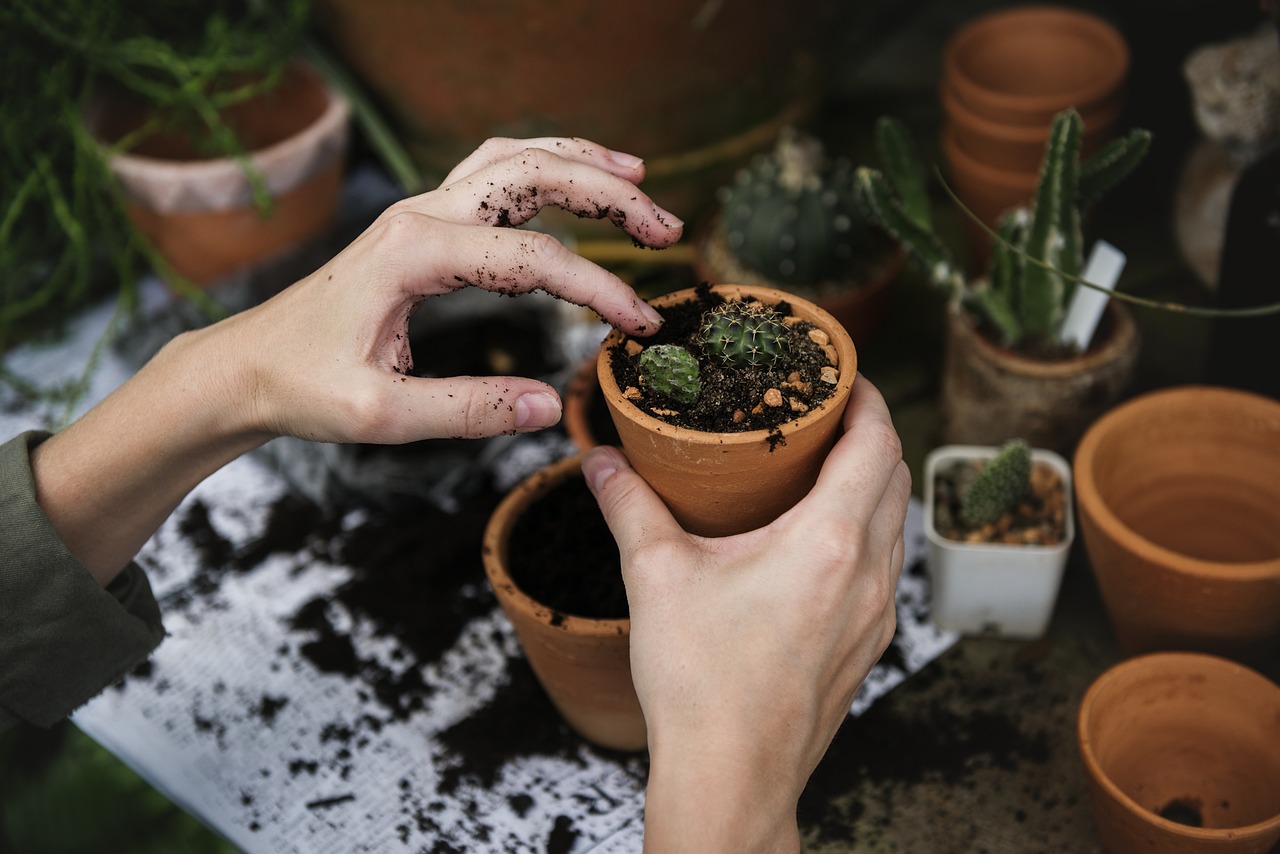
How to Apply Sulfur to Lower pH
Elemental sulfur is the most effective, long-term solution for lowering soil pH. Because sulfur relies on soil bacteria to oxidize into sulfuric acid, this process is gradual. It can take several months to see a significant shift in your soil chemistry, so patience is essential for success.
Before applying any amendment, always perform a professional soil test to determine exactly how much sulfur your garden requires. Adding too much can cause rapid acidification, which may damage or kill sensitive plants. Once you have your target rate, follow these steps to ensure a safe and even application:
- Measure precisely: Use a kitchen scale or measuring cup to ensure you are applying the exact amount recommended by your soil test results.
- Distribute evenly: For small garden beds, use a hand-held spreader or carefully broadcast the sulfur by hand while wearing gloves. For larger areas, a rotary spreader ensures consistent coverage.
- Incorporate carefully: Use a hand rake or a garden fork to gently work the sulfur into the top 6 inches of soil. This depth allows the amendment to reach the primary root zone where it is needed most.
When working around established plants, exercise extreme caution. Avoid using power tillers near root systems, as the mechanical blades can sever essential feeder roots and introduce pathogens. Instead, use a hand cultivator or a small trowel to lightly scratch the sulfur into the soil surface around the drip line of the plant.
After application, water the area thoroughly. Moisture is necessary to activate the soil microbes that break down the sulfur. If you are preparing a new bed, it is best to apply and incorporate the sulfur several months before planting to allow the pH to stabilize. For existing landscapes, apply the sulfur in early spring or late autumn to minimize stress on your plants during the transition. Monitor your soil pH annually to determine if additional applications are necessary in future seasons.
Using Organic Matter for Gradual Acidification
If you prefer a gentle, long-term approach to lowering your soil pH, incorporating organic matter is the most sustainable strategy. Unlike harsh chemical additives that can cause rapid, volatile shifts in soil chemistry, organic amendments work gradually through natural decomposition. This process not only acidifies the soil but also improves its overall structure, drainage, and moisture retention.
To begin, select materials known for their acidic properties. As these break down, they release organic acids that slowly neutralize alkalinity. For the best results, blend these materials into the top 4 to 6 inches of your garden soil:
- Pine Needles: Often called pine straw, these needles are excellent for surface mulching or tilling into the soil. They decompose slowly, providing a consistent, mild acidifying effect.
- Sphagnum Peat Moss: This is one of the most effective organic acidifiers available. It is highly absorbent and helps sandy soils hold onto nutrients that might otherwise leach away.
- Composted Oak Leaves: While many leaves are neutral, oak leaves are slightly acidic. Ensure they are fully composted before application to prevent nitrogen tie-up in your garden beds.
- Composted Manure or Pine Bark: Aged pine bark is particularly effective for acid-loving shrubs like blueberries, azaleas, and rhododendrons.
When applying these amendments, consistency is key. Because this method relies on biological breakdown, you will not see immediate results overnight. Instead, plan to incorporate fresh organic matter each spring and fall. This routine maintains a steady pH level while building a rich, fertile environment for your plants.
Before adding large quantities of any amendment, always perform a soil test. This ensures you are not over-correcting your soil’s chemistry. By regularly integrating these organic materials, you create a self-sustaining ecosystem that supports acid-loving plants while naturally improving the long-term health of your garden beds. This approach is not just a quick fix; it is a fundamental practice for building resilient, high-performing soil over many growing seasons.

Monitoring Progress and Follow-Up Care
Achieving your target soil pH is a gradual process, not an instant fix. Soil amendments—such as elemental sulfur, peat moss, or organic compost—require time to break down and interact with soil microbes before they can chemically alter the pH level. In many cases, it takes several months for these changes to become measurable.
Avoid the temptation to over-apply amendments if you do not see immediate results. Adding too much sulfur or acidifying material at once can cause a sudden pH crash, which may shock your plants or damage their root systems. Patience is your best tool in the garden.
To track your progress effectively, follow this routine:
- Test consistently: Use a reliable soil test kit or send samples to a local university extension office every six months.
- Keep detailed records: Log the dates you applied amendments, the specific products used, and the corresponding pH readings to identify what works best for your unique soil type.
- Observe plant health: Watch for signs of nutrient uptake, such as vibrant green foliage versus yellowing leaves, which often indicates that the soil chemistry is moving in the right direction.
If you have completed a full growing season and still see no shift in your pH levels, your soil may have a high buffering capacity. This is particularly common in heavy, alkaline clay soils that naturally resist chemical changes. In these instances, simply adding more amendments is rarely the solution and may lead to salt buildup.
If your soil remains stubbornly alkaline despite your best efforts, reach out to a local master gardener or a professional soil scientist. These experts can provide site-specific recommendations based on your region’s unique mineral composition. They may suggest alternative strategies, such as focusing on soil structure improvement or selecting plant varieties that are naturally better suited to your existing soil conditions. Professional guidance ensures you make safe, sustainable adjustments without compromising the long-term health of your garden beds.

Dedicated team of gardening enthusiasts with years of hands-on experience testing lawn mowers, gardening tools, and outdoor equipment. We help home gardeners and professionals alike make informed buying decisions with honest, thorough reviews. From push mowers to pruning shears, we test it all so you don’t have to. Got a gardening tool you’d like us to review? Get in touch!