
Hydrangeas typically grow anywhere from 3 to 15 feet tall, depending entirely on the specific variety you choose to plant. Understanding the mature height of hydrangeas is essential for proper garden planning and spacing. By selecting the right cultivar for your available space, you can ensure your shrubs thrive without overcrowding your landscape beds.
While many popular mophead varieties stay compact at around 3 to 5 feet, climbing hydrangeas can reach impressive heights of 15 feet or more when supported. Keep in mind that environmental factors like soil quality, sunlight exposure, and regular pruning practices significantly influence how tall your plants will ultimately become each season.
This guide explains how different hydrangea varieties reach their full size and what factors influence their growth patterns. Whether you are designing a small container garden or a large backyard border, we provide the practical care tips needed to manage your shrubs effectively. Read on to master the art of hydrangea maintenance and sizing.
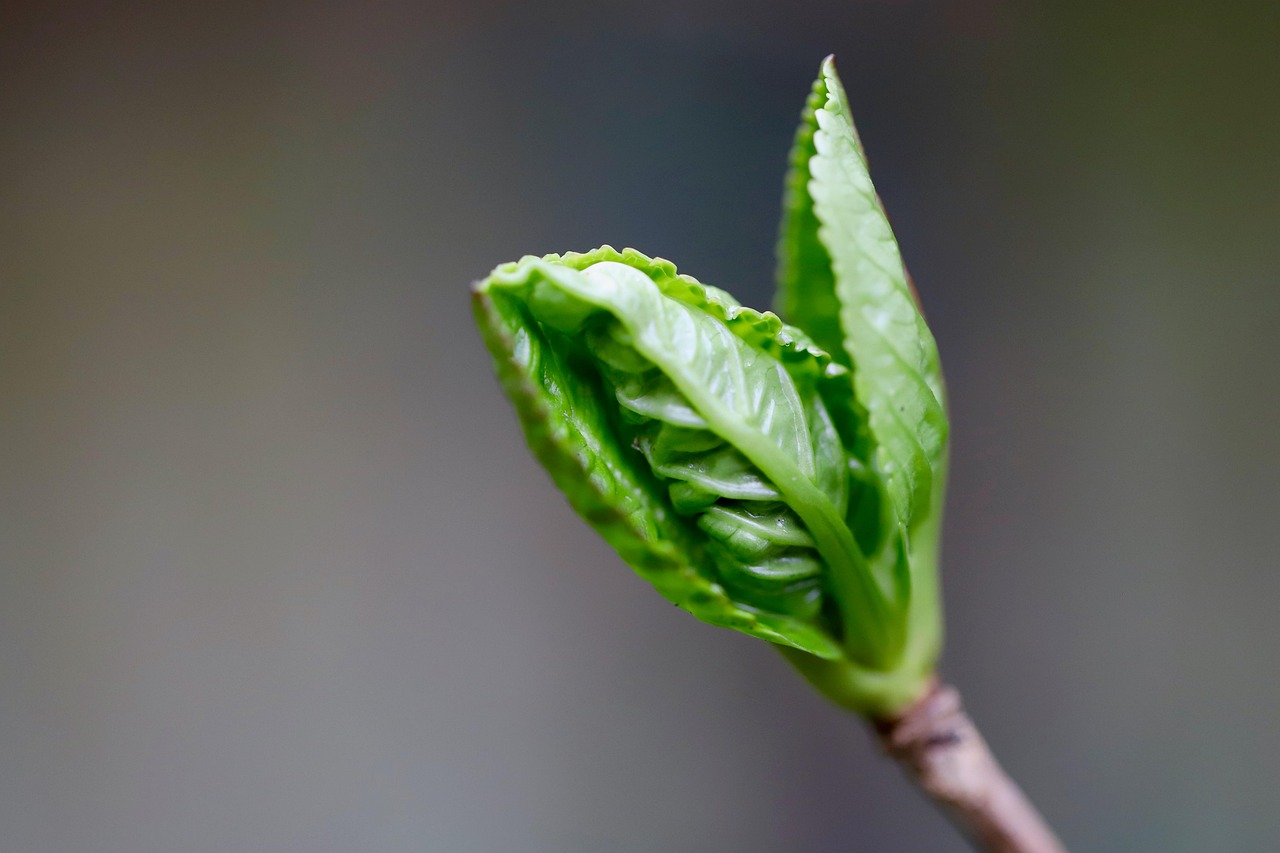
Understanding Hydrangea Growth Habits
Hydrangeas are incredibly diverse, and their ultimate height depends almost entirely on their specific species and cultivar. Before you plant, it is essential to research the mature dimensions of your chosen variety to ensure it has enough space to thrive without requiring constant, aggressive pruning.
Growth habits generally fall into three categories:
- Dwarf Varieties: Perfect for containers or small garden borders, these compact cultivars typically stay under three feet tall.
- Mid-Sized Shrubs: The most common category, these plants usually range from four to six feet in height and width, making them ideal for foundation plantings.
- Large/Tree-Form Hydrangeas: Certain species, particularly Hydrangea paniculata, can be trained into tree forms or left as large shrubs, often reaching heights of 10 to 15 feet.
Beyond genetics, environmental factors play a significant role in how tall your hydrangea will actually grow. A plant placed in ideal conditions will reach its full genetic potential, while one struggling for resources may remain stunted.
Consider these variables when predicting height:
Sun Exposure: Hydrangeas grown in partial shade often stretch toward the light, sometimes resulting in lanky, taller stems. Conversely, those in full sun may remain more compact but require more consistent moisture.
Soil Quality: Nutrient-rich, well-draining soil encourages vigorous growth. If your soil is compacted or lacks organic matter, your hydrangea may not reach its advertised size.
Pruning Practices: How and when you prune directly impacts height. Hydrangeas that bloom on “old wood” (buds formed the previous season) will lose their height if pruned in late winter or spring. If you want to maintain a specific height, choose a cultivar that naturally fits your space rather than relying on heavy pruning, which can stress the plant and reduce flowering.
By identifying your specific hydrangea type and providing appropriate care, you can accurately predict its size and enjoy a landscape that looks intentional and well-maintained for years to come.
Common Varieties and Their Typical Heights
Understanding the mature size of your hydrangea is essential for proper garden planning. Because different species have distinct growth habits, selecting the right variety ensures your plants have enough space to thrive without overcrowding nearby shrubs or obstructing walkways.
Here is a breakdown of the typical height ranges for the most popular hydrangea varieties:
- Bigleaf Hydrangeas (Hydrangea macrophylla): These popular garden staples typically reach 3 to 6 feet in height. They are ideal for foundation plantings or mid-border spots where their large, colorful blooms can be easily enjoyed.
- Panicle Hydrangeas (Hydrangea paniculata): Often the tallest of the bunch, these vigorous growers can easily exceed 10 feet if left unpruned. Many gardeners keep them smaller through intentional pruning, but they have the potential to become significant focal points or even small trees in the landscape.
- Smooth Hydrangeas (Hydrangea arborescens): These reliable performers generally range from 3 to 5 feet tall. Their moderate size makes them excellent for mass planting or filling in gaps in perennial beds.
- Oakleaf Hydrangeas (Hydrangea quercifolia): Known for their unique foliage and architectural shape, these shrubs usually grow between 4 and 8 feet tall. Their size often depends on the specific cultivar and the amount of shade they receive.
Keep in mind that these height ranges are estimates for mature, healthy plants. Local climate, soil fertility, and sunlight exposure play a major role in how tall your specific plant will grow. Always check the plant tag or the specific cultivar description before purchasing, as modern breeding has introduced many dwarf varieties that stay significantly smaller than the species average.
If you find that a hydrangea is outgrowing its designated space, avoid aggressive shearing. Instead, learn the specific pruning requirements for your variety to manage its size while still encouraging healthy flower production for the following season. Proper placement at planting time remains the best way to ensure your hydrangeas reach their full potential without needing constant maintenance.

Environmental Factors That Influence Height
While genetics dictate the maximum potential height of a hydrangea, your local environment acts as the primary regulator of its actual growth. Even the most vigorous varieties will struggle to reach their full stature if their fundamental needs are not met.
Soil quality is the foundation of healthy development. Hydrangeas thrive in rich, loamy soil that retains moisture without becoming waterlogged. If your ground is heavy clay or sandy loam, incorporating organic matter like compost or aged manure is essential. This improves aeration and nutrient availability, allowing roots to expand fully and support a larger, more robust canopy.
Sunlight exposure serves as the engine for plant growth. Most hydrangeas prefer morning sun and afternoon shade. If a plant is placed in deep, constant shade, it will likely become leggy and sparse, failing to achieve the dense, tall structure characteristic of its species. Conversely, excessive harsh afternoon sun can scorch leaves and cause heat stress, which forces the plant to divert energy toward survival rather than upward growth.
Water availability is the most common limiting factor for height. Hydrangeas are thirsty plants that require consistent moisture to transport nutrients from the soil to the stems and leaves. To ensure your shrub reaches its genetic height, follow these practical care guidelines:
- Consistent Hydration: Provide at least one inch of water per week, increasing frequency during periods of extreme heat or drought.
- Mulching: Apply a two-to-three-inch layer of organic mulch around the base of the plant. This keeps roots cool and prevents rapid moisture evaporation.
- Strategic Feeding: Use a balanced, slow-release fertilizer in early spring. Avoid heavy nitrogen applications late in the season, as this encourages soft, vulnerable growth that may not survive winter.
By balancing these environmental variables, you provide your hydrangeas with the stability required to grow to their full, intended height. When the soil is fertile, the light is filtered, and the water is consistent, your plants will naturally reach their peak performance.
Safety Tips for Pruning and Maintenance
Pruning large or tree-form hydrangeas requires both precision and caution. Because these shrubs can reach significant heights, safety must remain your top priority throughout the maintenance process.
Always use sharp, clean bypass pruners or loppers. Dull blades crush plant stems rather than slicing through them, which can invite disease and slow down the healing process. A clean cut allows the hydrangea to recover quickly after pruning.
Before you begin, equip yourself with the proper protective gear:
- Gardening gloves: Wear thick, durable gloves to shield your hands from rough bark, hidden thorns, or potential skin irritants found on some hydrangea varieties.
- Eye protection: If you are working on tree-form hydrangeas with overhead branches, safety glasses are essential to prevent falling debris or stray twigs from causing eye injuries.
When working on taller specimens, your physical positioning is critical. Ensure you have a stable, level surface before setting up a step ladder. Never overreach; if you cannot comfortably reach a branch, climb down and reposition the ladder. Always keep your cutting tools directed away from your body, and maintain a firm grip on the handles at all times.
If you are pruning heavy, woody stems, use two hands on your loppers to maintain control. Avoid forcing the tool if a branch is too thick; instead, switch to a pruning saw to ensure a clean cut without straining your wrists or risking a slip. By keeping your tools sharp and your footing secure, you can effectively manage the height and health of your hydrangeas while preventing unnecessary accidents in the garden.
Finally, always sanitize your blades with rubbing alcohol between different plants. This simple step prevents the accidental spread of fungal pathogens or bacteria from one shrub to another, ensuring your garden remains vibrant and disease-free throughout the growing season.

Managing Growth and Follow-up Care
If your hydrangea is outgrowing its designated space, you do not need to resort to drastic measures. Strategic pruning is the most effective way to manage height and maintain a healthy, attractive shape. However, timing is critical because different varieties bloom on either “old wood” (last year’s growth) or “new wood” (growth from the current season).
Pruning at the wrong time can accidentally remove next year’s flower buds. Follow these general guidelines to keep your shrubs contained:
- Identify your variety: Bigleaf (macrophylla) and oakleaf hydrangeas typically bloom on old wood. Prune these immediately after flowering in mid-summer.
- New wood bloomers: Panicle and smooth hydrangeas bloom on new growth. Prune these in late winter or early spring while the plant is dormant to encourage vigorous new stems.
- Maintenance pruning: Regardless of the variety, you can safely remove dead, damaged, or diseased branches at any time of the year to improve plant health.
When pruning for size, avoid “shearing” the plant into a formal hedge shape, as this can inhibit future flowering and create dense, weak growth in the center. Instead, use the “renewal pruning” method. Remove about one-third of the oldest, thickest stems right down to the ground. This encourages fresh, shorter growth from the base and keeps the plant rejuvenated without losing its natural, graceful form.
If you are unsure about your plant’s specific variety or if you notice persistent issues like leaf spots, wilting, or stunted growth, do not guess. Contact your local cooperative extension service or a certified master gardener. These professionals can provide site-specific advice tailored to your climate and soil conditions. They can also help identify if your hydrangea is struggling with a localized disease or if it simply needs a change in watering or fertilization to thrive. Professional guidance ensures you manage your plant’s size safely without compromising its long-term vitality or bloom potential.

Dedicated team of gardening enthusiasts with years of hands-on experience testing lawn mowers, gardening tools, and outdoor equipment. We help home gardeners and professionals alike make informed buying decisions with honest, thorough reviews. From push mowers to pruning shears, we test it all so you don’t have to. Got a gardening tool you’d like us to review? Get in touch!