
Limelight hydrangeas typically grow between six to eight feet tall at maturity. These popular shrubs also reach a width of six to eight feet, making them a significant architectural presence in any landscape. Understanding these dimensions is essential for proper garden placement, ensuring your plants have enough space to thrive without overcrowding nearby perennials.
While these hardy panicle hydrangeas are known for their reliable, lime-green blooms, their actual size can vary based on your specific growing conditions. Factors like soil quality, sun exposure, and consistent watering play a major role in how quickly they reach their full height. Providing the right environment helps them maintain a balanced, impressive shape.
In this guide, we cover everything you need to know about their typical growth habits and long-term maintenance. You will learn practical tips for pruning to manage their size, feeding schedules to encourage vibrant flowers, and general care routines to keep your hydrangeas healthy, well-shaped, and flourishing throughout every growing season in your home garden.

Typical Height and Width of Limelight Hydrangeas
Standard Limelight hydrangeas (Hydrangea paniculata ‘Limelight’) are renowned for their vigorous growth habit. When planted in ideal conditions, these shrubs typically reach a mature height of 6 to 8 feet. They are equally expansive in their spread, generally growing to a width of 6 to 7 feet.
Because these plants grow rapidly, planning for their full size at the time of planting is essential. Providing adequate space ensures the shrub receives the necessary airflow to prevent fungal issues, such as powdery mildew, and allows the plant to develop its signature rounded, upright form without competing with nearby vegetation.
To ensure your Limelight hydrangea thrives within its allotted space, consider these practical care tips:
- Spacing: Always plant them at least 6 to 8 feet away from other shrubs, fences, or building foundations to allow for mature growth.
- Pruning: While they naturally reach these heights, you can maintain a slightly smaller, more compact size by pruning them in late winter or early spring before new growth emerges.
- Support: Because Limelight hydrangeas produce heavy, lime-green blooms, they may require structural support if planted in an area exposed to high winds, which can cause branches to splay outward.
- Site Selection: Choose a location that receives full sun to partial shade. While they can tolerate some shade, they grow most robustly and maintain their structural integrity best when exposed to at least six hours of direct sunlight daily.
If you have a smaller garden, you may want to look for the “Little Lime” cultivar instead. This is a dwarf version of the standard Limelight that only reaches a height and width of 3 to 5 feet. It offers the same iconic lime-colored blooms but is better suited for smaller landscapes, containers, or tighter foundation plantings where a 6-to-8-foot shrub would quickly become overwhelming.
Considering the Little Lime Variety
If you love the iconic, cone-shaped blooms of the Limelight hydrangea but lack the space for a massive shrub, the Little Lime variety is the perfect solution. This compact cultivar offers the same reliable performance and stunning color transformation as its larger relative, but in a footprint that fits almost any landscape.
Little Lime hydrangeas typically reach a mature height and width of just 3 to 5 feet. Because of their smaller stature, they are incredibly versatile. You can successfully incorporate them into your garden in the following ways:
- Foundation Plantings: Their manageable size ensures they won’t outgrow the space under your windows or crowd your walkways.
- Container Gardening: These shrubs thrive in large pots, making them an excellent choice for patios, balconies, or decks.
- Low Hedges: Planted in a series, they create a beautiful, uniform border that requires less aggressive pruning than standard varieties.
Caring for a Little Lime is straightforward, provided you meet their basic environmental needs. Like all panicle hydrangeas, they prefer full sun to partial shade. In hotter climates, providing afternoon shade will help prevent the blooms from scorching and keep the soil consistently moist.
Maintenance is minimal. To encourage the best growth and flowering, prune your Little Lime in late winter or early spring while the plant is still dormant. Simply cut the stems back by about one-third of their total height. This encourages strong, sturdy branches that can hold up the heavy, lime-green flower heads without drooping.
When planting in containers, ensure your pot has adequate drainage holes to prevent root rot. Use a high-quality, well-draining potting mix and remember that container-grown plants require more frequent watering than those in the ground. By selecting the Little Lime, you gain the structural beauty of a classic hydrangea without the need for constant management or a vast garden plot. It is a practical, low-maintenance investment for any gardener looking to maximize visual impact in a compact space.
Factors Influencing Growth and Size
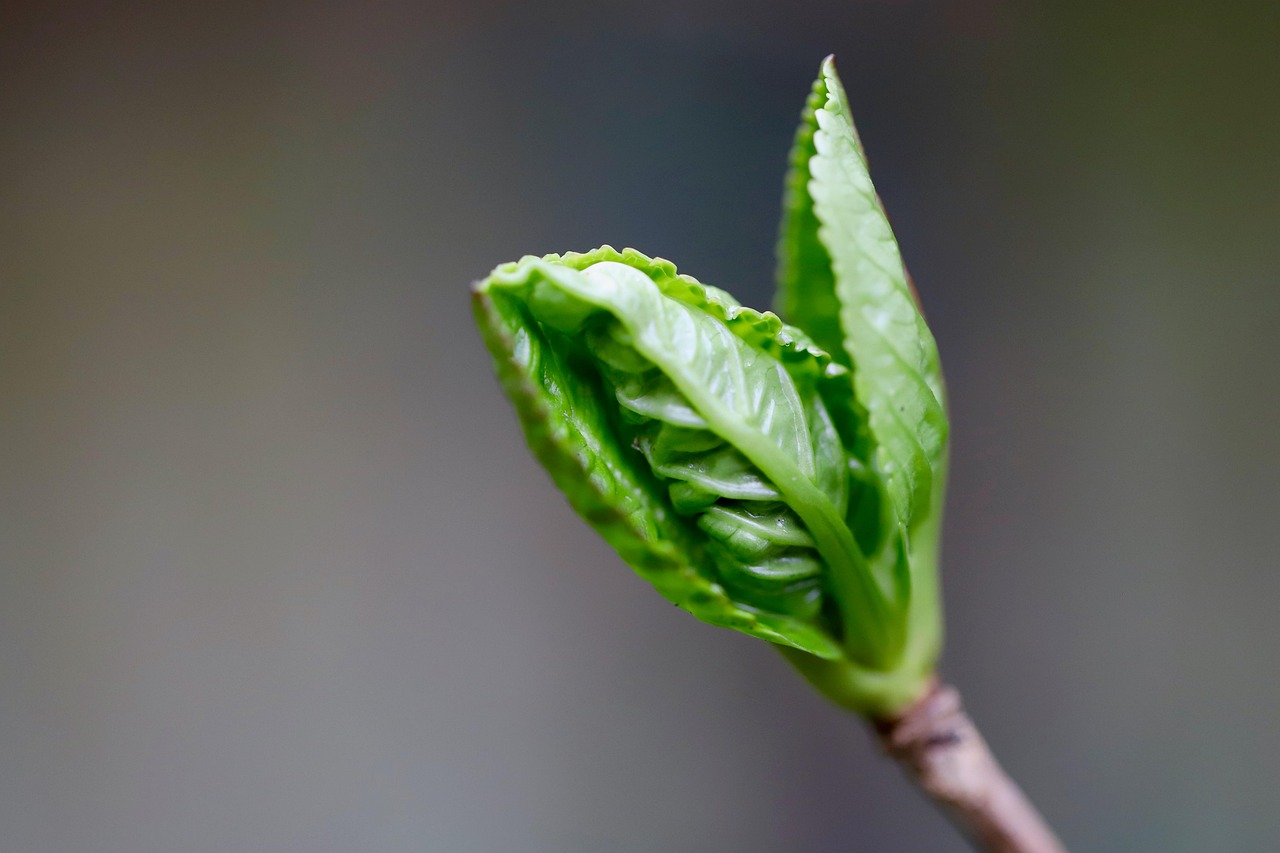
While the genetic makeup of a Limelight hydrangea sets its maximum height—typically between 6 to 8 feet—environmental conditions ultimately determine whether your shrub reaches that full potential. Providing the right balance of care ensures robust vertical growth and healthy foliage.
Sunlight is a primary driver of size. While Limelights are more sun-tolerant than other hydrangea varieties, they perform best with at least six hours of direct sunlight daily. In cooler climates, full sun encourages stronger stems and more vigorous growth. In regions with intense afternoon heat, partial shade helps prevent stress, which can otherwise stunt development.
Soil quality is equally critical. These shrubs thrive in well-draining, nutrient-rich soil that holds moisture without becoming waterlogged. If your native soil is heavy clay or sandy, incorporate organic matter like compost before planting. This improves drainage and provides the steady supply of nutrients necessary for rapid growth.
To maximize the size of your Limelight, maintain a consistent care routine:
- Watering: Keep the soil consistently moist, especially during the first two years of establishment. During dry spells, provide a deep soak at the base of the plant rather than frequent, light watering.
- Mulching: Apply a 2-to-3-inch layer of organic mulch around the base. This retains soil moisture, regulates root temperature, and suppresses weeds that compete for resources.
- Fertilization: Apply a balanced, slow-release fertilizer in early spring as new growth begins. Avoid heavy nitrogen applications late in the season, as this can produce weak, succulent growth that is susceptible to winter damage.
Pruning also influences the final height and structure of the plant. Because Limelights bloom on new wood, pruning in late winter or very early spring encourages vigorous new stems. If you fail to prune, the plant may become overly dense or lanky, which can impede its overall health and structural integrity. By managing these environmental factors, you provide your hydrangea with the foundation needed to reach its intended stature in your landscape.
Pruning Safely to Control Height
Because Limelight hydrangeas bloom on new wood, you have significant control over their final height through annual pruning. To maintain a specific size, prune your shrub in late winter or early spring before new growth emerges. Cutting back the stems by one-third to one-half each year prevents the plant from reaching its maximum potential height of 6 to 8 feet, keeping it more compact and manageable in smaller garden spaces.
Safety is the most important part of the pruning process. Before you begin, equip yourself with the following gear to prevent injury:
- Heavy-duty gardening gloves: Protect your hands from sharp branches and potential skin irritants.
- Safety glasses: Shield your eyes from flying debris or snapping twigs while you work.
- Bypass pruners or loppers: Use sharp, high-quality tools to ensure clean, precise cuts that heal quickly.
Before making your first cut, sanitize your blades with rubbing alcohol or a diluted bleach solution. Clean tools are essential because they prevent the transmission of fungal or bacterial diseases from other plants in your garden. Dull blades can crush stems rather than slicing through them, which leaves the plant vulnerable to rot and infection.
When pruning, identify the main structural branches and make your cuts just above a healthy set of buds. Avoid leaving long, jagged stubs, as these can die back and invite pests. If you are aiming for a smaller, shrub-like form, remove any crossing or damaged branches at the base to improve airflow through the center of the plant. By thinning out the interior, you encourage stronger, more vigorous growth that will support the heavy, lime-colored flower heads later in the season. Consistent, careful pruning not only manages the height of your Limelight hydrangeas but also ensures a healthier, more productive plant year after year.

Ongoing Care and Maintenance Tips
Maintaining your Limelight hydrangea throughout the growing season ensures it reaches its full potential. While these shrubs are known for their resilience, consistent monitoring is the key to preventing long-term issues. Regularly inspect the foliage and stems for signs of stress, such as discoloration, spots, or webbing, which may indicate pest activity or nutrient deficiencies.
Watering is the most critical aspect of ongoing care. Limelights prefer consistently moist, well-draining soil. During hot, dry spells, deep watering at the base of the plant is more effective than light sprinkling, as it encourages stronger root development. If you notice persistent wilting despite a regular watering schedule, examine the soil moisture levels carefully before adding more water to avoid root rot.
To keep your hydrangeas thriving, consider these essential maintenance practices:
- Mulching: Apply a 2-to-3-inch layer of organic mulch, such as shredded bark or pine needles, around the base of the plant. Keep the mulch a few inches away from the main stems to prevent rot. This layer helps regulate soil temperature and retains vital moisture.
- Fertilizing: A single application of a balanced, slow-release fertilizer in early spring, just as new growth begins, is usually sufficient to support healthy blooms for the entire season.
- Observation: Watch for yellowing leaves, which can sometimes signal an iron deficiency or improper soil pH.
Pruning is essential for managing size and encouraging vigorous flowering, but it must be done at the right time. Because Limelights bloom on new wood, prune them in late winter or very early spring before new growth emerges. This allows you to shape the shrub and remove any dead or damaged branches without sacrificing the summer display.
If you are ever unsure about how much to prune or if you detect unusual symptoms that do not resolve with basic care, do not hesitate to consult a local master gardener or a professional arborist. Expert advice tailored to your specific climate and soil conditions can help you troubleshoot issues early and keep your hydrangeas healthy for years.

Dedicated team of gardening enthusiasts with years of hands-on experience testing lawn mowers, gardening tools, and outdoor equipment. We help home gardeners and professionals alike make informed buying decisions with honest, thorough reviews. From push mowers to pruning shears, we test it all so you don’t have to. Got a gardening tool you’d like us to review? Get in touch!