
Most hydrangea varieties grow between three and ten feet tall, depending heavily on their specific species and growing conditions. While some compact cultivars stay under three feet, certain climbing types can reach heights of up to fifty feet. Knowing these mature dimensions is essential for planning your landscape layout and ensuring long-term success.
Many gardeners wonder about the mature height of hydrangeas when planning their garden beds. Understanding the growth potential of different varieties ensures you choose the right plant for your space and avoid future overcrowding. Factors like soil quality, sunlight exposure, and consistent pruning practices significantly influence how large your specific shrubs will actually become.
In this guide, we provide practical advice on selecting the perfect hydrangea for your yard. You will learn how to identify growth habits, manage plant size through proper maintenance, and create a thriving floral display. Follow our expert tips to ensure your hydrangeas remain healthy, vibrant, and perfectly sized for your unique home garden environment.
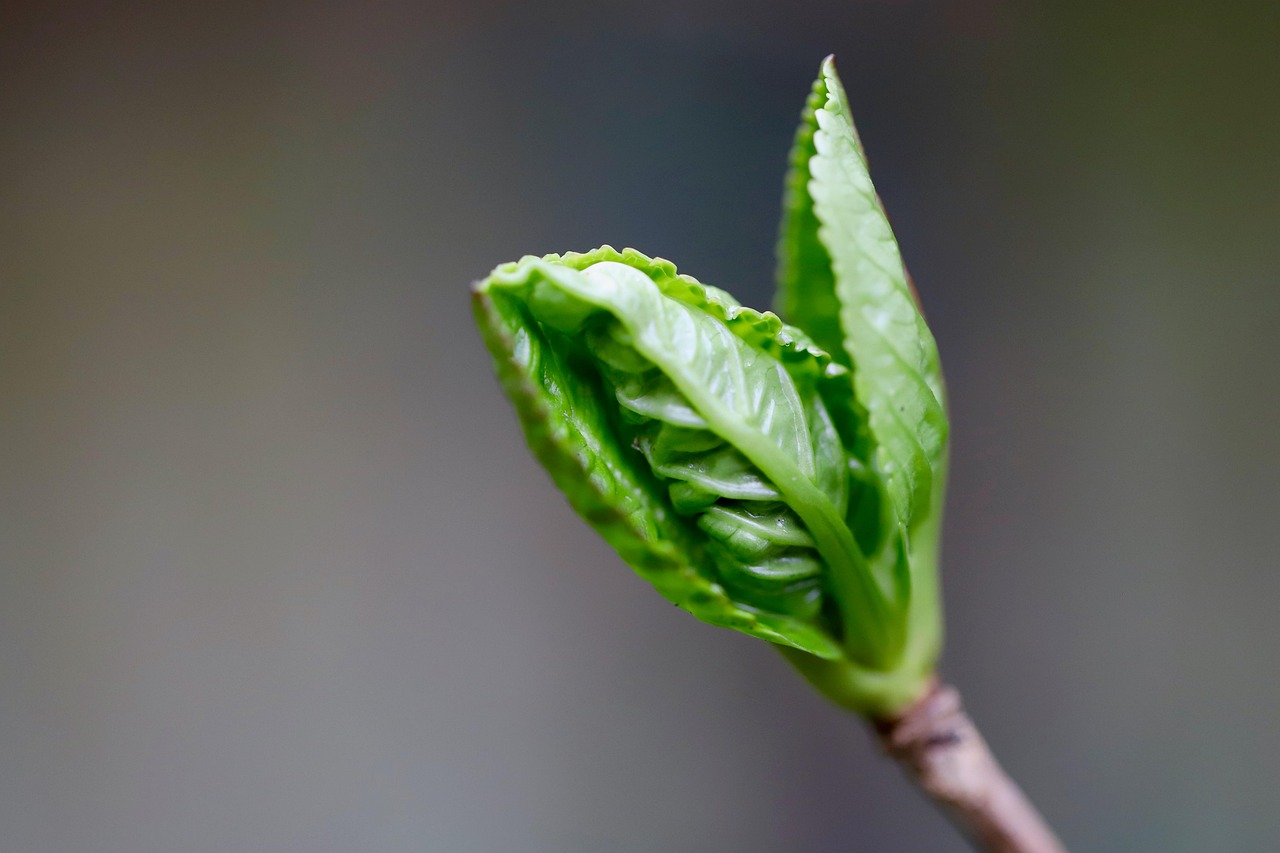
Understanding Hydrangea Growth Habits
Hydrangeas are not one-size-fits-all shrubs. Their mature height is determined primarily by their specific species and cultivar, ranging from compact varieties that stay under three feet to towering types that can reach heights of ten feet or more. Understanding your specific plant’s genetics is the first step in predicting its ultimate size.
While genetics set the potential, your local environment dictates whether a plant reaches that full height. Several key factors influence growth:
- Soil Quality: Nutrient-rich, well-draining soil encourages vigorous growth. Hydrangeas thrive in slightly acidic soil, which helps them absorb the nutrients necessary for building strong, tall stems.
- Sunlight Exposure: Most hydrangeas prefer morning sun and afternoon shade. Too little light often leads to leggy, weak growth that struggles to support the plant’s weight, while excessive harsh sun can stunt development.
- Climate and Hardiness Zones: Your local growing season length plays a major role. In warmer climates, plants may experience a longer period of active growth, potentially resulting in larger shrubs than those grown in cooler regions.
- Pruning Practices: How and when you prune directly impacts height. Some hydrangeas bloom on old wood, meaning aggressive pruning in the wrong season will remove the buds and limit the plant’s structural expansion.
To determine how tall your specific plant will grow, check the plant tag or the nursery pot label for the cultivar name. If the tag is missing, observe the leaf shape and bloom structure to identify the species. For example, Hydrangea paniculata varieties are typically the tallest, often reaching tree-like proportions, while Hydrangea macrophylla generally stays more rounded and compact.
If you find that your hydrangea is outgrowing its space, avoid “topping” the plant, as this damages its natural form and health. Instead, choose a cultivar that naturally fits your garden’s dimensions during your next planting cycle. Providing consistent moisture and a layer of organic mulch will ensure your hydrangea reaches its healthy, genetically intended height without unnecessary stress.
Height Ranges by Popular Species
Understanding the growth potential of your hydrangeas is essential for proper placement in your landscape. Because varieties differ significantly in their genetic makeup, knowing the mature height of your specific plant prevents overcrowding and ensures you won’t need to perform excessive pruning later.
Here is a breakdown of the typical height ranges for the most popular hydrangea species:
- Bigleaf Hydrangeas (Hydrangea macrophylla): These classic shrubs typically reach 3 to 6 feet in height. They are ideal for foundation plantings or mid-border spots where their large, colorful blooms can be easily enjoyed.
- Panicle Hydrangeas (Hydrangea paniculata): Known for their impressive stature, these are the giants of the hydrangea world. If left unpruned, they can grow anywhere from 8 to 15 feet tall. Many gardeners train these into tree forms to take advantage of their vertical reach.
- Smooth Hydrangeas (Hydrangea arborescens): Generally compact and reliable, these shrubs typically stay between 3 and 5 feet tall. They are excellent choices for smaller garden beds or areas where you want a consistent, rounded shape.
- Oakleaf Hydrangeas (Hydrangea quercifolia): These versatile plants vary significantly based on the specific cultivar. You can expect them to grow between 4 and 10 feet tall. Their unique, lobed foliage adds texture to the garden even when the plant is not in bloom.
When selecting a spot for a new hydrangea, always check the plant tag for the specific cultivar’s mature dimensions. While these ranges provide a helpful baseline, breeding programs have introduced dwarf varieties for almost every species listed above. If you have a small garden, look for “dwarf” or “compact” in the plant name to ensure the shrub stays within your desired height range without requiring constant maintenance. Always provide enough space for air circulation between plants, as this helps prevent fungal issues like powdery mildew, regardless of how tall the shrub eventually grows.

Factors That Influence Mature Height
While genetics dictate the general growth range for a specific hydrangea cultivar, your local environment acts as the primary driver for whether a plant reaches its maximum potential height. Think of genetics as the blueprint and your garden as the construction site; if the site conditions are suboptimal, the plant will struggle to reach its full stature.
Soil quality is perhaps the most significant factor. Hydrangeas thrive in nutrient-rich, well-draining soil that remains consistently moist but not waterlogged. In heavy clay or compacted soils, root development is restricted, which often results in stunted growth. Amending your soil with organic matter, such as compost or well-rotted manure, provides the necessary nutrients to support vigorous vertical growth.
Water availability also plays a critical role. Hydrangeas are notoriously thirsty plants. If they experience frequent drought stress, they will prioritize survival over height, often resulting in a smaller, sparse shrub. To ensure your hydrangea reaches its full genetic height, focus on these practical care habits:
- Consistent Hydration: Provide deep, thorough watering at the base of the plant during dry spells, aiming for about an inch of water per week.
- Mulching: Apply a two-to-three-inch layer of organic mulch, such as shredded bark or pine needles, around the base. This retains soil moisture and regulates temperature, preventing the stress that limits growth.
- Strategic Feeding: Use a balanced, slow-release fertilizer in early spring. Avoid excessive nitrogen late in the season, which can produce weak, succulent growth that is susceptible to winter damage.
- Sun Exposure: Match your variety to its preferred light requirements. A plant forced to grow in deep shade when it requires partial sun will often become leggy and fail to reach its intended proportions.
Ultimately, a hydrangea that is well-fed, properly hydrated, and protected from extreme environmental stress will almost always outgrow a neglected counterpart. By managing these variables, you provide your plants with the stability needed to achieve their documented mature height.
Managing Size Through Pruning
While many hydrangea varieties are naturally vigorous, you can effectively manage their height and spread through strategic pruning. Regular maintenance not only keeps your plants within a desired size range but also promotes healthier, more robust blooms. Before you begin, ensure you have the right equipment. Always use sharp, clean bypass pruners to ensure precise cuts that heal quickly, preventing disease entry.
Safety is paramount when working with woody shrubs. Wear sturdy gardening gloves to protect your hands from rough stems or hidden thorns. If you are using long-reach loppers to trim taller branches, wear safety glasses to shield your eyes from falling debris. If you must use a ladder to reach high growth, always be mindful of your footing on level ground and avoid overreaching.
To successfully control the size of your hydrangeas, follow these practical steps:
- Identify your variety: Know if your hydrangea blooms on “old wood” (last year’s growth) or “new wood” (this year’s growth). Pruning at the wrong time can accidentally remove next season’s flower buds.
- Remove the “Three Ds”: Throughout the growing season, prune away any dead, damaged, or diseased wood. This keeps the plant tidy and redirects energy toward healthy growth.
- Thinning cuts: To reduce height without sacrificing the natural form, use thinning cuts. Remove entire stems back to the base of the plant or to a main branch. This creates space and improves airflow.
- Heading cuts: If you need to lower the overall height, make heading cuts just above a healthy leaf node or bud. Always cut at a slight angle to encourage water runoff.
Avoid “topping” your hydrangeas, which involves cutting stems indiscriminately across the top. This practice often leads to weak, spindly growth and ruins the plant’s natural shape. By making thoughtful, selective cuts, you can maintain your hydrangeas at your preferred height while ensuring they remain a vibrant, healthy focal point in your garden for years to come.

Common Questions and Maintenance Tips
If your hydrangea is outgrowing its designated space, avoid the temptation to reach for the shears immediately. Severe pruning often removes the flower buds for the following year, leaving you with a healthy plant that refuses to bloom. Instead, consider transplanting the shrub to a more spacious area of your landscape.
The ideal time to move a hydrangea is during its dormant season—either in late autumn after the leaves have dropped or in early spring before new growth begins. During this time, the plant is not actively pushing energy into foliage or flowers, which minimizes transplant shock.
When moving your hydrangea, follow these steps to ensure a successful transition:
- Hydrate thoroughly: Water the plant deeply a few days before digging to ensure the root ball stays intact.
- Preserve the roots: Dig a wide circle around the drip line of the plant to capture as much of the root system as possible.
- Prepare the new site: Dig a hole twice as wide as the root ball, but no deeper, ensuring the plant sits at the same soil level it occupied previously.
- Mulch and water: Apply a layer of organic mulch to retain moisture and water consistently throughout the first growing season.
If you are unsure about the specific variety you have or if your plant is showing persistent signs of stress—such as yellowing leaves, stunted growth, or wilting despite adequate watering—it is best to seek professional guidance. Local master gardeners and regional cooperative extension offices are excellent, free resources. They provide personalized advice tailored to your specific climate zone, soil composition, and pest pressures.
By identifying your hydrangea variety correctly, you can better understand its natural growth habits and pruning requirements. This knowledge allows you to work with the plant’s biology rather than against it, ensuring your garden remains vibrant and manageable for years to come. When in doubt, always prioritize the plant’s health over aggressive aesthetic trimming.

Dedicated team of gardening enthusiasts with years of hands-on experience testing lawn mowers, gardening tools, and outdoor equipment. We help home gardeners and professionals alike make informed buying decisions with honest, thorough reviews. From push mowers to pruning shears, we test it all so you don’t have to. Got a gardening tool you’d like us to review? Get in touch!