
Lawnmower blades should be as sharp as a high-quality kitchen knife to ensure a clean, precise cut. Many homeowners overlook blade maintenance, but the sharpness of your lawnmower blade directly impacts grass health and overall lawn appearance. Dull blades tear grass instead of slicing it, leading to brown, ragged tips that leave your lawn vulnerable to pests and disease.
Achieving a razor-like edge is not necessary, but your blade must be sharp enough to sever grass blades cleanly without shredding them. Over time, rocks and debris naturally dull the metal, requiring regular sharpening to maintain performance. Expect to sharpen your blades at least once or twice per season, depending on your lawn size and the frequency of your mowing sessions.
This guide explains the ideal sharpness for your blades, why it matters, and how to tell when it is time for a tune-up. We will walk you through practical inspection techniques and safety tips for handling outdoor power equipment. By mastering these simple maintenance habits, you can keep your garden looking professional and ensure your lawn remains lush and healthy all year long.
Understanding the Importance of Blade Sharpness
The sharpness of your lawnmower blade is the single most significant factor in the health and aesthetic quality of your turf. While it is easy to view mowing as a simple chore of shortening grass, it is actually a mechanical process that affects the physiology of every blade in your yard. A sharp, well-maintained blade acts like a pair of high-quality garden shears, performing a clean, surgical cut across the grass tip.
When your blade is dull, the mower does not slice through the grass; instead, it beats and tears the blades. This mechanical trauma leaves behind jagged, shredded edges rather than a clean incision. You can easily identify this by inspecting the tips of your grass a day or two after mowing; if the tips look frayed or have turned a whitish-brown color, your blade is likely dull.
The consequences of tearing grass extend far beyond mere appearance. Consider these primary risks to your lawn’s health:
- Increased Disease Susceptibility: Ragged, torn tissue provides an open wound that serves as an entry point for fungal spores and pathogens. A clean cut seals quickly, but a jagged edge remains vulnerable for days.
- Moisture Loss: Shredded tips increase the surface area of the wound, causing the plant to lose excessive moisture through evaporation. This stresses the grass, especially during hot, dry summer months.
- Pest Attraction: Stressed and damaged grass emits chemical signals that can attract certain lawn pests, making your yard a target for infestations.
- Stunted Growth: The plant must divert energy toward repairing damaged tissue rather than focusing on root development and lateral growth. This results in a lawn that looks thin, weak, and lackluster.
Maintaining a razor-sharp edge ensures that your lawn heals rapidly after every pass. When the grass is cut cleanly, it retains its deep green color and vibrant appearance, as the plant can focus its resources on photosynthesis and root health. Regular maintenance of your outdoor power equipment, specifically sharpening your blades at least once or twice per season, is a fundamental practice for any homeowner dedicated to achieving a lush, resilient, and professional-looking lawn. By treating your mower blade as a precision instrument, you provide your grass with the best possible environment to thrive throughout the growing season.
How to Determine if Your Blades Are Sharp Enough
The health of your lawn depends heavily on the quality of your cut. A dull mower blade does not slice through grass; instead, it tears it. This mechanical trauma leaves the turf vulnerable to disease, pests, and dehydration, often resulting in a lawn that looks brown or grayish shortly after mowing.
You can determine if your blades need sharpening by performing these two simple inspections:
- The Visual Grass Test: After mowing, examine the tips of your grass blades. If they appear jagged, frayed, or have a white, shredded appearance, your blade is dull. A sharp blade will leave a clean, crisp cut that heals quickly and stays green.
- The Paper Test: If you want to verify the sharpness of a removed blade, use a standard sheet of printer paper. Hold the paper by one corner and attempt to slice through it with the sharpened edge of the blade. A sharp blade will slice through the paper smoothly without tearing it. If the blade snags, folds, or fails to cut, it is too dull for efficient mowing.
Performing these checks regularly—especially at the start of the season and mid-summer—ensures your outdoor power equipment operates at peak efficiency. A sharp blade also reduces the strain on your mower’s engine, as it requires less force to cut through the grass cleanly rather than ripping through it.
Safety First: Always prioritize safety when inspecting your equipment. Before checking or removing a blade, ensure the mower is completely powered down. For gas-powered mowers, disconnect the spark plug wire to prevent accidental ignition. For electric or battery-powered models, remove the battery or unplug the unit entirely. Never attempt to test the sharpness of a blade while it is still mounted to the mower deck if you cannot safely access the edge; removing the blade provides the best vantage point for both inspection and sharpening.
If you discover your blades are dull, you can either sharpen them yourself using a metal file or a bench grinder, or take them to a professional shop for a quick, precise edge. Maintaining sharp blades is one of the most impactful steps you can take for long-term garden maintenance and a lush, vibrant lawn.
Essential Safety Protocols for Blade Maintenance
Before you even consider sharpening or inspecting your lawnmower blades, you must prioritize safety. A lawnmower engine can start unexpectedly due to residual compression or an electrical fault, which poses a severe risk of injury. Never skip these foundational steps.
For gas-powered mowers, the most critical safety measure is disconnecting the spark plug wire. Locate the thick, rubber-coated wire attached to the spark plug on the engine block and pull it firmly off the terminal. Ensure the wire is tucked away so it cannot accidentally touch the plug while you are working. For electric or battery-powered mowers, remove the battery pack entirely and keep it in a separate area to ensure the motor has no power source.
Once the power source is secured, follow these additional protocols to protect yourself during the maintenance process:
- Wear heavy-duty leather gloves: Lawnmower blades are designed to cut through tough grass and debris, making them incredibly sharp. Thick leather gloves provide a necessary barrier against accidental cuts when handling the metal edges.
- Stabilize the blade: Never attempt to loosen the mounting bolt while holding the blade with your bare hand. Use a scrap piece of 2×4 lumber or a dedicated blade-locking tool wedged between the blade and the mower deck. This prevents the blade from spinning as you apply torque to the bolt.
- Tilt the mower correctly: If you must tip the mower to access the underside, always tilt it with the carburetor and air filter facing upward. This prevents oil from leaking into the air intake, which can cause starting issues or engine damage later.
- Clear the deck: Before removing the blade, use a stiff brush or a plastic scraper to remove caked-on grass and debris from the underside of the deck. This provides a clearer view of the mounting hardware and reduces the risk of loose debris falling into your eyes.
Treat every blade inspection as a high-risk task. By systematically eliminating the possibility of the engine turning over and using the right protective gear, you can perform your maintenance with confidence and avoid preventable accidents. If you feel uncomfortable or lack the proper tools to stabilize the blade, consult your owner’s manual or take the mower to a professional service center.
Maintaining the Right Edge Profile
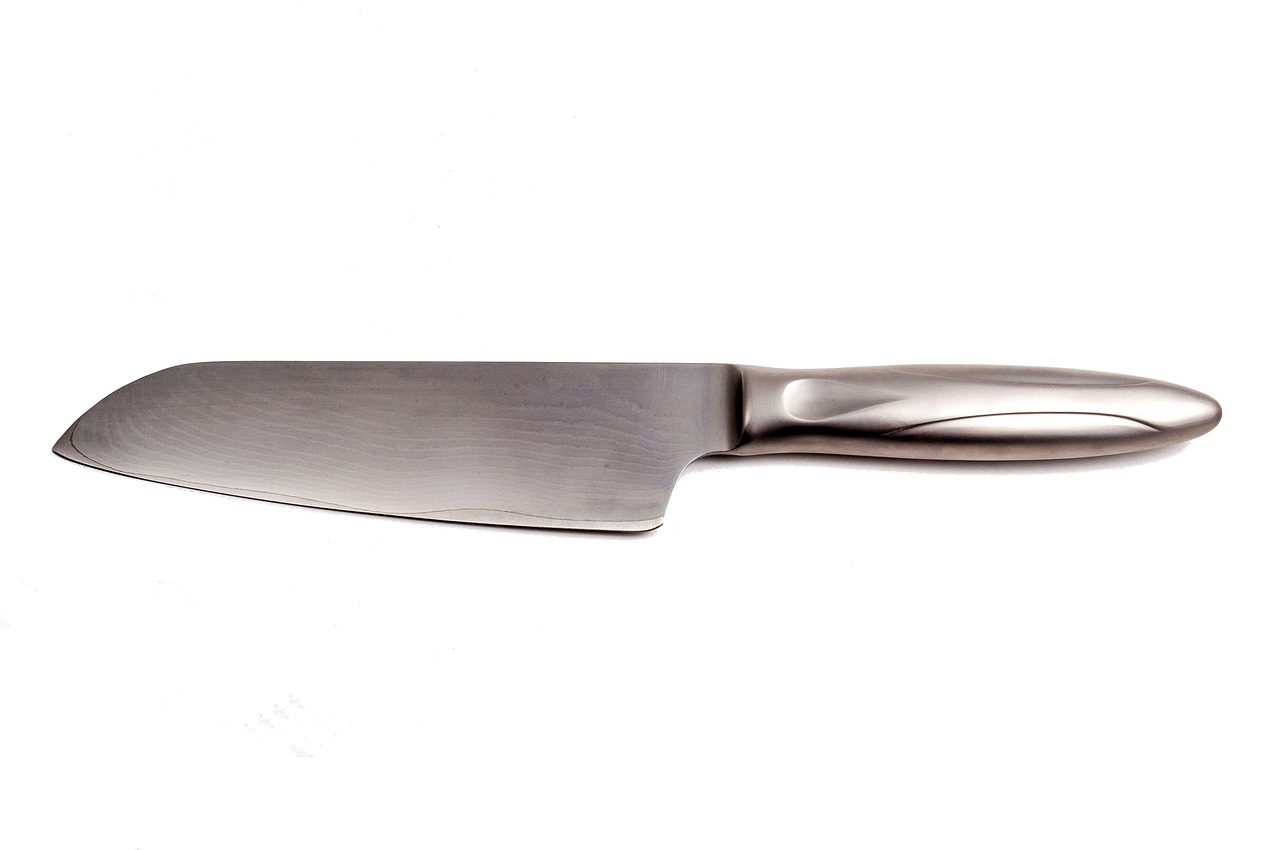
Many homeowners mistakenly believe that a lawnmower blade needs to be as sharp as a kitchen knife to perform well. In reality, achieving a razor-like edge is unnecessary and often counterproductive. A blade honed to that extreme level is fragile; the thin metal edge will fold, chip, or dull almost immediately upon hitting a blade of grass or a stray pebble.
For optimal lawn health, your goal should be a “butter-knife” level of sharpness. This means the edge should be keen enough to slice through grass blades cleanly rather than tearing them, but robust enough to withstand the rigors of outdoor power equipment use. A clean cut ensures that the grass heals quickly, preventing the ragged, brown tips that often signal a dull blade or a poor-quality cut.
When sharpening your blades, focus on the following maintenance principles to ensure longevity and safety:
- Maintain the Manufacturer’s Angle: Every mower blade is designed with a specific bevel angle. Use a file or a bench grinder to follow this original profile. Changing the angle can weaken the structural integrity of the metal or alter how the blade creates lift, which is essential for uniform cutting.
- Prioritize Balance: An unevenly sharpened blade will cause your mower to vibrate excessively. This vibration puts unnecessary stress on the engine bearings and deck components, potentially leading to expensive repairs. After sharpening, always check the balance using a simple blade balancer tool.
- Remove Nicks and Burrs: While the edge doesn’t need to be surgical, it should be smooth. Use a metal file to remove deep nicks or burrs caused by rocks or debris. These imperfections create drag and cause the blade to tear the grass rather than slice it.
Regular maintenance is more important than extreme sharpness. A blade that is kept clean, free of heavy debris, and sharpened to a consistent, durable edge will perform better than one that is over-sharpened and prone to damage. By focusing on the correct angle and proper balance, you ensure your lawn care equipment runs efficiently, protects your turf, and lasts through many seasons of heavy use.

When to Sharpen or Seek Professional Help
Knowing when to sharpen your lawnmower blade is essential for maintaining a healthy, vibrant lawn. A dull blade tears grass rather than cutting it cleanly, which leaves the tips brown and makes your lawn more susceptible to pests and diseases. For most residential lawns, sharpening your blade once or twice per season is sufficient to keep your mower performing at its best.
You can often tell it is time for maintenance if you notice the grass blades look ragged or shredded after mowing. However, physical inspection is the most reliable method. Before performing any maintenance, always disconnect the spark plug wire to ensure the mower cannot start accidentally.
While sharpening is a common DIY task, there are clear signs that a blade has reached the end of its lifespan and needs to be replaced entirely:
- Deep Nicks and Gouges: If the blade has hit rocks or roots frequently, deep structural damage may be impossible to grind out safely.
- Cracks: Any visible hairline fractures in the metal are a major safety hazard. A cracked blade can shatter at high speeds, causing severe injury.
- Significant Metal Loss: If repeated sharpening has worn the blade down significantly, it loses its structural integrity and mass, which can throw the mower’s engine off balance.
- Bent Metal: A blade that is no longer perfectly flat should never be straightened; it must be recycled and replaced.
If you choose to sharpen the blade yourself, remember that balance is just as important as sharpness. An unbalanced blade will cause excessive vibration, which can damage the mower’s crankshaft and bearings over time. Use a simple cone balancer to ensure the weight is distributed evenly across the center point.
If you are uncomfortable using an angle grinder or a metal file, or if you do not have the proper tools to check for balance, seek professional help. Most local lawn and garden equipment shops offer inexpensive, quick sharpening services. Taking your blade to a professional ensures that the edge is ground at the correct angle and, more importantly, that the blade is perfectly balanced before it is reinstalled. Investing in this professional service once a year can extend the life of your mower and ensure a professional-quality cut every time you head outdoors.

Dedicated team of gardening enthusiasts with years of hands-on experience testing lawn mowers, gardening tools, and outdoor equipment. We help home gardeners and professionals alike make informed buying decisions with honest, thorough reviews. From push mowers to pruning shears, we test it all so you don’t have to. Got a gardening tool you’d like us to review? Get in touch!