
You should generally expect to pay between $10 and $25 to have your lawn mower blade professionally sharpened at a local shop. If you choose to remove the blade and take it in yourself, the service is often on the lower end of that price range compared to full-service mobile repairs.
A dull mower blade tears grass instead of cutting it, which leads to unsightly brown tips and a significantly increased risk of lawn disease. While professional sharpening is affordable, the final cost often depends on the blade’s condition, your location, and whether you require additional balancing or repair services for nicks and heavy debris damage.
This guide explains the typical costs for professional sharpening and the various factors that influence local pricing. We will also help you weigh the convenience of professional maintenance against the long-term value of performing your own DIY sharpening, ensuring your outdoor power equipment remains in peak condition for a healthier, more vibrant home garden throughout the season.

Average Costs for Professional Blade Sharpening
Maintaining a sharp mower blade is essential for healthy lawn care. A dull blade tears grass rather than cutting it cleanly, which leaves the lawn vulnerable to disease and browning. While many homeowners choose to sharpen blades themselves, professional services offer a convenient, high-quality alternative that ensures the correct edge angle and proper balance.
On average, you can expect to pay between $10 and $25 per blade for professional sharpening. This price range typically assumes you are bringing the blade into the shop yourself. Most local hardware stores, power equipment dealers, and small engine repair shops offer this service as a quick turnaround item.
If you prefer the convenience of having a professional handle the entire process, costs will increase. Mobile sharpening services or full-service lawn equipment shops may charge $50 or more for the complete job. This premium covers several additional steps beyond just the sharpening process:
- Removal: The technician safely disconnects the spark plug and removes the blade from the mower deck.
- Inspection: They check for structural damage, deep pitting, or excessive wear that might make the blade unsafe to use.
- Precision Sharpening: Using professional-grade grinders, they restore the edge while maintaining the manufacturer’s specified bevel.
- Balancing: This is the most critical step. A professional ensures the blade is perfectly balanced to prevent engine vibration, which can damage mower bearings and spindles.
- Reinstallation: The blade is torqued to the manufacturer’s specifications to ensure it remains secure during operation.
When deciding between a DIY approach and a professional service, consider the condition of your equipment. If your blade has significant nicks from hitting rocks or debris, a professional can often grind these out more effectively than a standard home file. Additionally, if you are not comfortable working with heavy machinery or lack a torque wrench for proper reinstallation, the investment in professional service is well worth the cost for both safety and lawn health.
Always call ahead to confirm pricing and availability, especially during the peak spring mowing season. Some shops may offer discounts if you bring in multiple blades at once, such as for a riding mower with a multi-blade deck.
Factors That Affect the Price
The final cost of sharpening a lawn mower blade is rarely a flat fee. Several variables influence the total bill, ranging from the physical condition of the metal to the level of service you require. Understanding these factors helps you anticipate the expense before heading to the shop.
The primary driver of cost is the amount of labor required to restore the cutting edge. If your blade is relatively sharp but needs a quick touch-up, the price will be at the lower end of the spectrum. However, if you have struck rocks, tree roots, or buried debris, the blade likely has significant nicks or gouges. A technician must remove more metal to restore a clean edge, which increases the time spent on the grinder.
Beyond basic sharpening, consider these additional factors:
- Blade Balancing: A sharpened blade must be perfectly balanced to prevent vibrations that can damage your mower’s spindle and engine bearings. Professional shops include balancing in their service, but it is a critical step that requires extra attention.
- Blade Geometry: Specialized mulching blades feature complex curves and multiple cutting surfaces. These require more precision and time to sharpen correctly compared to a standard straight blade.
- Service Logistics: Dropping off a detached blade at a local hardware store or small engine shop is the most cost-effective method. If you request a full-service technician to visit your property to remove, sharpen, and reinstall the blade, you will pay a premium for the labor and travel time.
- Regional Labor Rates: Like any mechanical service, costs fluctuate based on your local economy. Shops in high-cost-of-living areas will naturally charge more for shop time and overhead than those in rural regions.
Finally, inspect your blade for structural integrity before paying for a sharpening. If the metal is severely bent, warped, or worn thin from years of previous sharpening, the blade is no longer safe to use. In these cases, the most practical and cost-effective decision is to purchase a new, high-quality replacement rather than paying to service a compromised part. Always prioritize safety over saving a few dollars when dealing with high-speed rotating equipment.
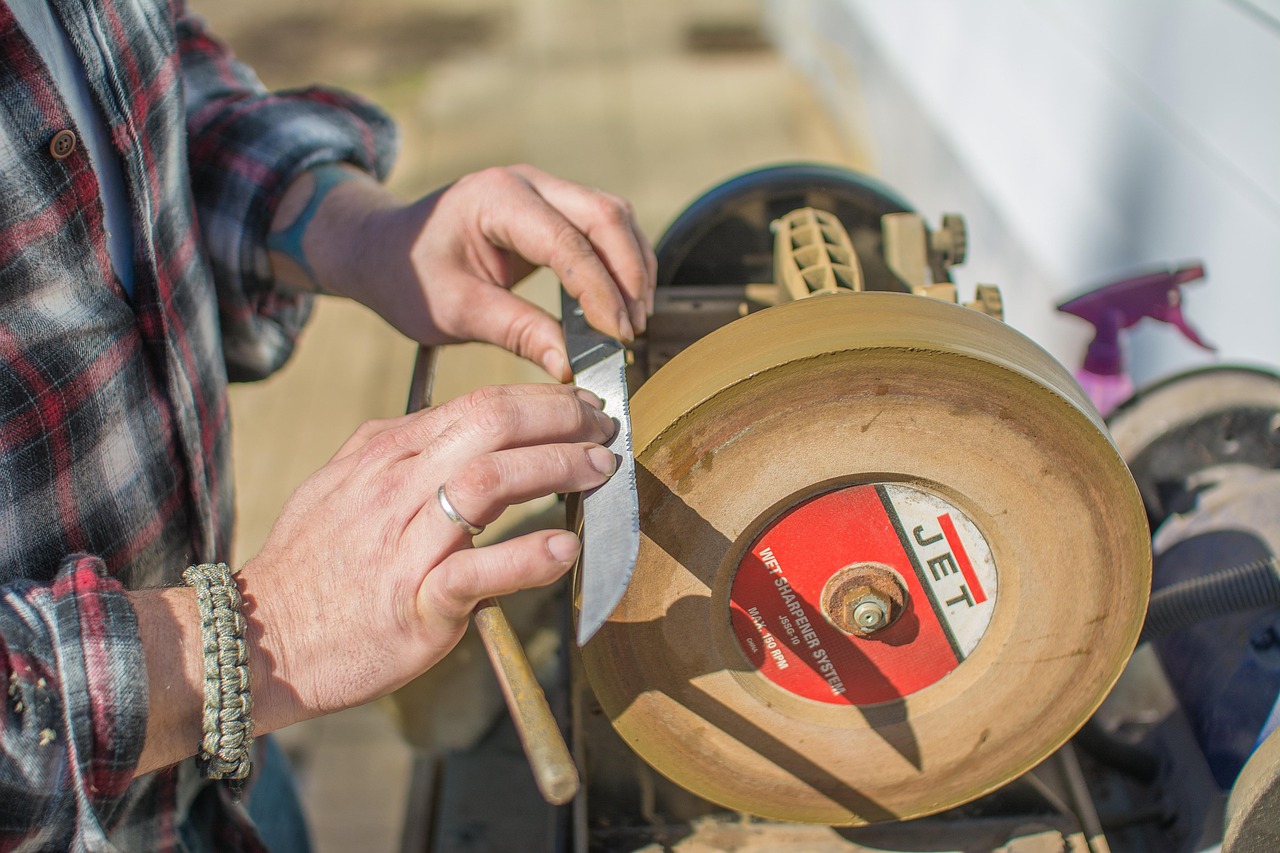
Safety First When Handling Mower Blades
Before you begin any maintenance on your lawn mower, safety must be your absolute priority. Mower blades are heavy, sharp, and attached to a powerful engine, making them potentially dangerous if handled incorrectly. Taking a few simple precautions will ensure you complete the task without injury.
The most critical step is to prevent the engine from starting accidentally. Before reaching under the deck or touching the blade, always disconnect the spark plug wire. This simple action ensures the engine cannot turn over, even if the blade is bumped or rotated during the sharpening process.
When you are ready to remove or sharpen the blade, follow these essential safety practices:
- Wear heavy-duty leather gloves: Mower blades often have jagged edges and can be coated in debris. Thick gloves protect your hands from deep cuts and abrasions.
- Secure the blade properly: Never try to hold the blade steady with your bare hands. Use a sturdy block of wood wedged between the blade and the mower deck to keep it from spinning while you loosen the mounting bolt.
- Protect your eyes: If you are using a bench grinder or a file for DIY sharpening, metal sparks and tiny shards of steel will fly. Always wear impact-resistant safety goggles to prevent eye injuries.
- Maintain distance: Keep your face and body away from the cutting edge at all times. Even a dull blade can cause severe damage if the mower deck shifts or the blade slips.
If you feel uncomfortable with the process or if the blade shows signs of deep cracks, significant pitting, or metal fatigue, do not attempt to sharpen it. In these cases, the structural integrity of the metal is compromised, and the blade should be replaced entirely. A new blade is a small investment compared to the cost of a medical emergency or the potential damage a flying metal fragment could cause to your mower deck.
By treating the equipment with respect and following these protocols, you can maintain your lawn care tools effectively while keeping your home gardening environment safe. Always work on a flat, stable surface and ensure you have adequate lighting before starting any maintenance work on your outdoor power equipment.
DIY Versus Professional Service
Deciding whether to sharpen your mower blade at home or hire a professional depends on your comfort level with mechanical maintenance and the current condition of your equipment. Both paths have distinct advantages regarding cost and long-term machine health.
The DIY Approach
If you enjoy hands-on garden maintenance, sharpening your own blade is a practical skill. You will need a few essential hand tools to get the job done correctly:
- A metal file or an angle grinder with a flap disc.
- A blade balancer to ensure even weight distribution.
- A socket wrench or impact driver for safe blade removal.
The total upfront investment for these tools typically ranges from $20 to $40. If you mow your lawn frequently throughout the season, this initial cost pays for itself quickly compared to the recurring fees of professional service. However, precision is critical. An unbalanced blade creates significant vibration, which can cause premature wear on your mower’s spindle bearings and engine components.
When to Choose Professional Service
While DIY sharpening is effective for routine maintenance, professional service is the safer choice in specific scenarios. You should take your blade to a local outdoor power equipment shop if you notice any of the following:
- Severe Damage: Large nicks, deep gouges, or missing chunks of metal indicate the blade has struck rocks or debris. These require professional grinding or replacement to restore structural integrity.
- Structural Deformation: If the blade is bent or twisted, it can never be safely balanced. Attempting to straighten a bent blade often weakens the metal, posing a safety hazard during high-speed operation.
- Lack of Confidence: If you are unsure how to properly secure the blade or verify its balance, professional sharpening ensures the job is done to manufacturer specifications.
Ultimately, your priority should be protecting your mower engine. A sharp, balanced blade provides a cleaner cut, which promotes healthier grass growth and reduces the strain on your mower’s motor. If you lack the proper tools or the blade shows signs of significant wear, the modest cost of a professional service is a worthwhile investment to extend the life of your equipment and ensure a safer mowing experience.
Photo by meineresterampe on Pixabay Maintenance Tips and When to Seek Help
For most residential lawns, you should sharpen your mower blade at least once per season. If you have a large property or mow frequently, aim to sharpen every 20 to 25 hours of operation. Keeping your blade sharp is the most important aspect of routine garden maintenance, as it ensures a clean cut that helps your grass recover quickly and resist disease.
You can often tell when your equipment needs attention by observing the results of your work. If you notice the following signs, it is time to sharpen or replace your blade:
- Ragged, white tips: Dull blades tear grass rather than slicing it, leaving frayed ends that turn brown or white.
- Uneven cutting: If you see streaks of longer grass despite overlapping your passes, the blade edge may be chipped or dulled.
- Increased fuel consumption: A dull blade forces the engine to work harder, which can lead to higher fuel usage and premature wear on the mower deck.
While sharpening is a standard DIY task for those comfortable with hand tools and bench grinders, safety must be your priority. Always disconnect the spark plug wire before working near the blade to prevent accidental engine ignition. If you choose to remove the blade yourself, wear heavy-duty work gloves to protect your hands from the sharp edges.
However, there are times when you should skip the DIY approach and seek professional help. If you notice persistent, unusual vibration while mowing, stop immediately. Vibration often indicates that the blade is bent or improperly balanced. Operating a mower with a bent blade is dangerous and can cause significant, costly damage to the mower’s crankshaft over time.
If you are uncomfortable using a file or grinder, or if your blade shows signs of deep cracks or significant metal loss, take it to a local outdoor power equipment dealer. Professionals have the specialized equipment to ensure the blade is perfectly balanced after sharpening. A balanced blade runs smoothly, protects your engine bearings, and provides a professional-quality cut every time you step out to maintain your yard.

Dedicated team of gardening enthusiasts with years of hands-on experience testing lawn mowers, gardening tools, and outdoor equipment. We help home gardeners and professionals alike make informed buying decisions with honest, thorough reviews. From push mowers to pruning shears, we test it all so you don’t have to. Got a gardening tool you’d like us to review? Get in touch!