
Limelight hydrangeas typically grow between 12 to 24 inches per year under ideal conditions. This rapid growth rate allows them to reach their mature height of six to eight feet relatively quickly. Because these shrubs are prized for their reliable blooms and impressive stature, understanding this growth speed is essential for effective garden planning.
While their annual increase is impressive, keep in mind that environmental factors significantly influence actual results. Soil quality, sunlight exposure, and consistent watering play pivotal roles in how fast your plant matures. Setting realistic expectations ensures you provide enough space for these vigorous shrubs to thrive without overcrowding other plants in your landscape.
This guide provides practical guidance to help you manage your hydrangea’s development throughout the seasons. We will explore how to optimize growth through proper fertilization and pruning techniques. By following these expert tips, you can ensure your Limelight hydrangeas remain healthy, structurally sound, and beautifully shaped for a stunning, long-lasting garden display.
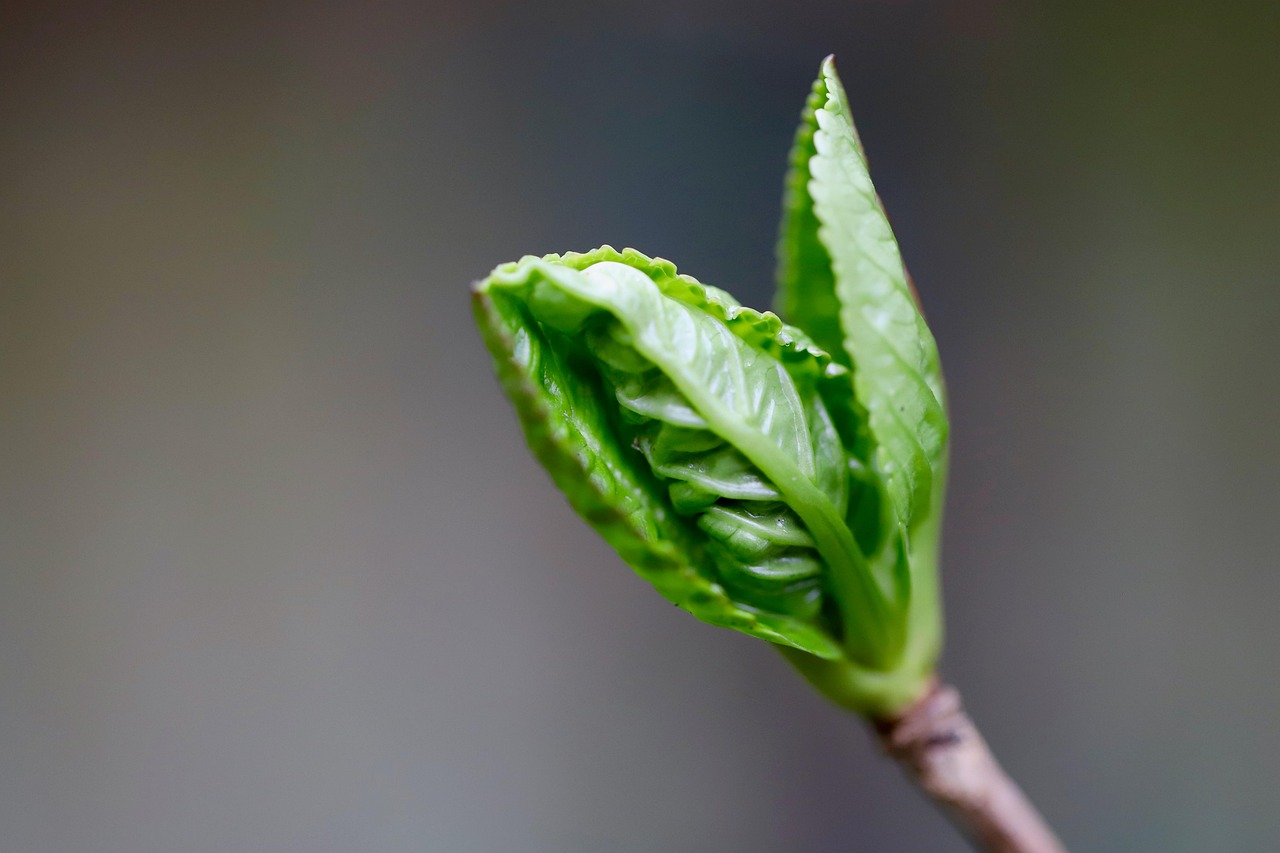
Expected Annual Growth Rate
Limelight hydrangeas (Hydrangea paniculata ‘Limelight’) are renowned for their vigorous growth habits. If you provide them with the right environment, you can expect these shrubs to add between 12 and 24 inches of new growth during each growing season. This rapid expansion is a hallmark of the variety, allowing them to reach their mature size of 6 to 8 feet relatively quickly.
Because Limelight hydrangeas bloom on “new wood”—meaning they produce flowers on the growth that emerges during the current spring—they are biologically driven to put energy into seasonal expansion. This cycle ensures that even after a hard winter pruning, the plant has the momentum to reach its full height and produce its signature lime-green to creamy-white panicles by late summer.
Several factors influence whether your hydrangea hits the high end of that 24-inch growth target:
- Sunlight: While they tolerate partial shade, Limelight hydrangeas grow most vigorously when they receive at least six hours of direct sunlight daily.
- Soil Quality: These plants thrive in rich, well-draining soil. Amending your planting site with organic compost before installation provides the nutrients necessary for rapid development.
- Consistent Moisture: Hydrangeas are thirsty plants. During their peak growth months, ensure the soil remains consistently moist. A two-inch layer of mulch around the base helps retain soil moisture and suppresses competing weeds.
- Fertilization: A balanced, slow-release fertilizer applied in early spring, just as new growth begins to emerge, provides the essential fuel needed for maximum seasonal height.
Keep in mind that growth rates may be slower during the first year after planting as the shrub focuses its energy on establishing a deep, healthy root system. Once established, however, you will notice a significant increase in both height and width each year. If your plant is growing significantly slower than 12 inches annually, check for soil compaction or insufficient water, as these are the most common culprits for stunted development in otherwise healthy shrubs.
Reaching Mature Size
Limelight hydrangeas are celebrated for their vigorous growth, but they do not reach their full potential overnight. While you can expect significant vertical and lateral expansion each season, it typically takes three to five years for these shrubs to reach their full mature height of 6 to 8 feet.
During the first few years, your focus should be on establishing a robust root system rather than forcing rapid top growth. Because these plants eventually become substantial, structural features in the landscape, understanding this timeline is essential for proper spacing.
To ensure your garden remains healthy and uncluttered as your hydrangeas mature, follow these spacing guidelines:
- Provide adequate room: Plant your Limelights at least 6 to 8 feet apart from the center of one shrub to the center of the next. This prevents overcrowding and ensures proper airflow, which is vital for preventing fungal issues.
- Consider the width: Limelights grow as wide as they do tall. If you plant them too close to walkways, foundations, or other perennials, you will likely need to perform heavy pruning later, which can reduce the number of blooms.
- Account for neighboring plants: If you are planting them in a mixed border, verify that nearby shrubs have similar sun and water requirements. Avoid placing aggressive growers too close, as they may compete for nutrients during the hydrangea’s critical establishment phase.
If your hydrangeas appear to be growing slower than expected, assess your soil quality and sunlight exposure. Limelights thrive in full sun to partial shade and prefer rich, well-draining soil. Providing a layer of organic mulch around the base will help retain moisture and regulate soil temperature, creating an ideal environment for consistent growth.
By planning for their eventual size today, you avoid the common mistake of having to transplant a large, established shrub in a few years. Patience during these first few seasons will reward you with a magnificent, low-maintenance focal point that anchors your garden design for decades to come.

Factors Influencing Growth Speed
While Limelight hydrangeas are renowned for their vigorous growth, their actual speed depends heavily on your local environment. Under ideal conditions, these shrubs can add 12 to 24 inches of new growth per season. However, several key factors dictate whether your plant hits that maximum potential or remains stunted.
The most critical element is sunlight. Limelight hydrangeas are sun-lovers that perform best with at least six hours of direct, unfiltered light daily. When planted in partial or heavy shade, the stems often become “leggy” as they stretch toward the light, resulting in a sparse appearance and significantly slower overall growth.
Soil quality and moisture management also play pivotal roles. These plants thrive in nutrient-rich, well-draining soil that remains consistently moist. If your soil is sandy or compacted, the roots struggle to absorb the energy needed for rapid vertical expansion. To maximize growth, consider these practical care steps:
- Consistent Watering: During the first two years of establishment, ensure the soil never dries out completely. A deep soaking once or twice a week is more effective than daily light sprinkles.
- Strategic Fertilization: Apply a balanced, slow-release fertilizer in early spring as new growth begins. Avoid over-fertilizing in late summer, which can encourage tender new growth that is susceptible to early frost damage.
- Mulching: Apply a two-to-three-inch layer of organic mulch, such as shredded bark, around the base of the plant. This helps regulate soil temperature, suppresses weeds, and retains the moisture necessary for steady development.
Finally, remember that maturity matters. Young, newly transplanted hydrangeas often spend their first season focusing on root development rather than visible top growth. If your plant seems slow to take off, provide it with patience and consistent care; once established, its growth rate will naturally accelerate. If growth remains stagnant despite optimal conditions, have your soil tested for pH imbalances or nutrient deficiencies that may be hindering the plant’s vigor.
Pruning for Health and Safety
Pruning is a vital practice for maintaining the structural integrity and long-term health of your Limelight hydrangeas. Because these shrubs bloom on new wood, pruning encourages the development of strong, vigorous stems capable of supporting their signature heavy, cone-shaped flower heads. Without regular maintenance, the plant may become leggy or develop weak branches prone to breakage during heavy rain or wind.
To ensure your gardening session is both effective and safe, follow these best practices:
- Use the right tools: Always utilize sharp, sterilized bypass pruners. Dull blades can crush stems rather than slicing them, which leaves the plant vulnerable to disease.
- Prioritize personal protection: Mature hydrangea branches can be stiff and abrasive. Wear long sleeves and durable gardening gloves to prevent skin irritation or accidental scratches while reaching into the center of the shrub.
- Operate power equipment with caution: If you are managing a large hedge and choose to use power hedge trimmers, safety is paramount. Always wear impact-resistant goggles to protect your eyes from flying debris and hearing protection to mitigate noise exposure.
- Manage your workspace: If using corded electric tools, remain hyper-aware of the power cord’s position. Keep it draped over your shoulder or behind you, well clear of the cutting path, to prevent accidental severing.
When pruning, aim to remove dead, diseased, or crossing branches first. This improves airflow through the center of the plant, which is essential for preventing fungal issues. Focus on making clean cuts just above a set of healthy buds. By removing old growth in late winter or very early spring before new leaves emerge, you set the stage for the plant to direct its energy into producing the robust, rapid growth that Limelights are famous for. Consistent, thoughtful pruning not only shapes your landscape but ensures your hydrangeas remain a safe and vibrant feature of your garden for years to come.
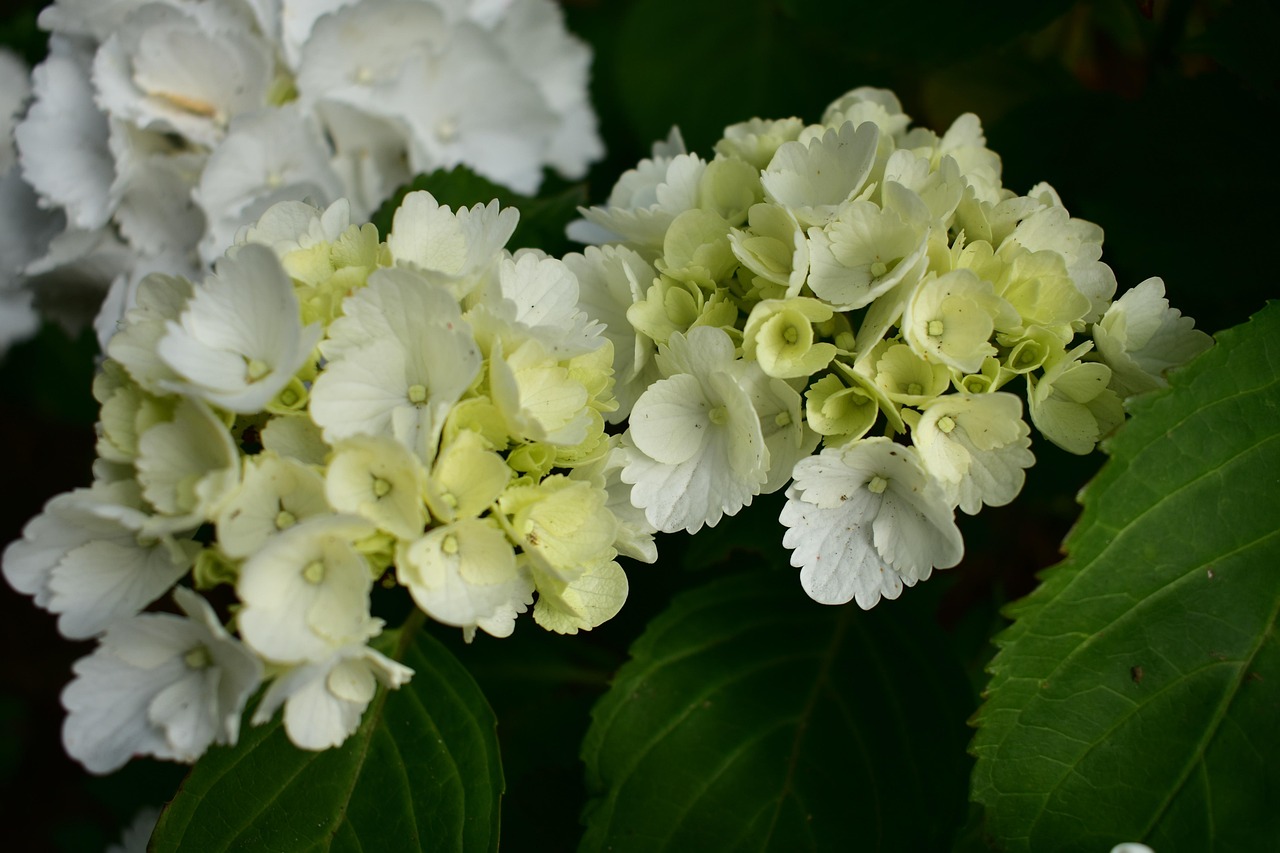
Maintenance Tips and Common Questions
To maximize the annual growth of your Limelight hydrangeas, consistency is key. Apply a balanced, slow-release fertilizer in early spring, just before the first new leaves begin to emerge. This provides a steady supply of nutrients throughout the active growing season, supporting the development of their signature sturdy, cone-shaped blooms.
While Limelights are generally low-maintenance, they thrive best when their specific environmental needs are met. Keep the soil consistently moist but well-drained, and ensure they receive at least six hours of sunlight daily for optimal vigor.
If you notice stunted growth or yellowing leaves despite providing adequate water and sunlight, consider these troubleshooting steps:
- Perform a soil test: Hydrangeas are sensitive to pH levels. An imbalance can prevent the plant from absorbing necessary nutrients, leading to chlorosis or poor development.
- Check for pests: Inspect the undersides of leaves for aphids or spider mites, which can sap energy from the plant.
- Evaluate mulch: Ensure mulch is not piled against the base of the stems, as this can encourage rot and inhibit airflow.
If your hydrangea continues to struggle despite these adjustments, do not hesitate to seek professional assistance. Local master gardeners or certified arborists can provide site-specific insights that generic advice may miss. They can help identify underlying issues, such as root rot or fungal infections, that require targeted treatments rather than standard care.
Remember that Limelights are resilient shrubs. If they appear to grow slowly in their first year after planting, this is often normal. The plant is likely focusing its energy on establishing a robust root system before pushing out significant top growth in subsequent seasons. Patience, paired with proper fertilization and moisture management, is the most effective way to ensure your hydrangeas reach their full potential year after year.

Dedicated team of gardening enthusiasts with years of hands-on experience testing lawn mowers, gardening tools, and outdoor equipment. We help home gardeners and professionals alike make informed buying decisions with honest, thorough reviews. From push mowers to pruning shears, we test it all so you don’t have to. Got a gardening tool you’d like us to review? Get in touch!