
Hydrangeas typically grow between three and ten feet tall, depending on the specific variety and your local climate. Understanding how much do hydrangeas grow is essential for planning your landscape and ensuring each shrub has enough room to thrive. These popular garden staples vary significantly in their height and spread based on environmental conditions.
While many gardeners dream of massive, overflowing blooms, it is important to set realistic expectations for your space. Compact varieties may stay under three feet, while climbing or panicle types can reach impressive heights if left unpruned. Always check the specific plant tag to ensure your chosen hydrangea fits comfortably within your garden’s footprint.
This guide provides all the practical guidance you need to master hydrangea care and long-term maintenance. We will explore how soil quality, sunlight exposure, and strategic pruning impact the overall size of your plants. By following these expert tips, you can confidently select and nurture the perfect hydrangea for your unique outdoor living area.
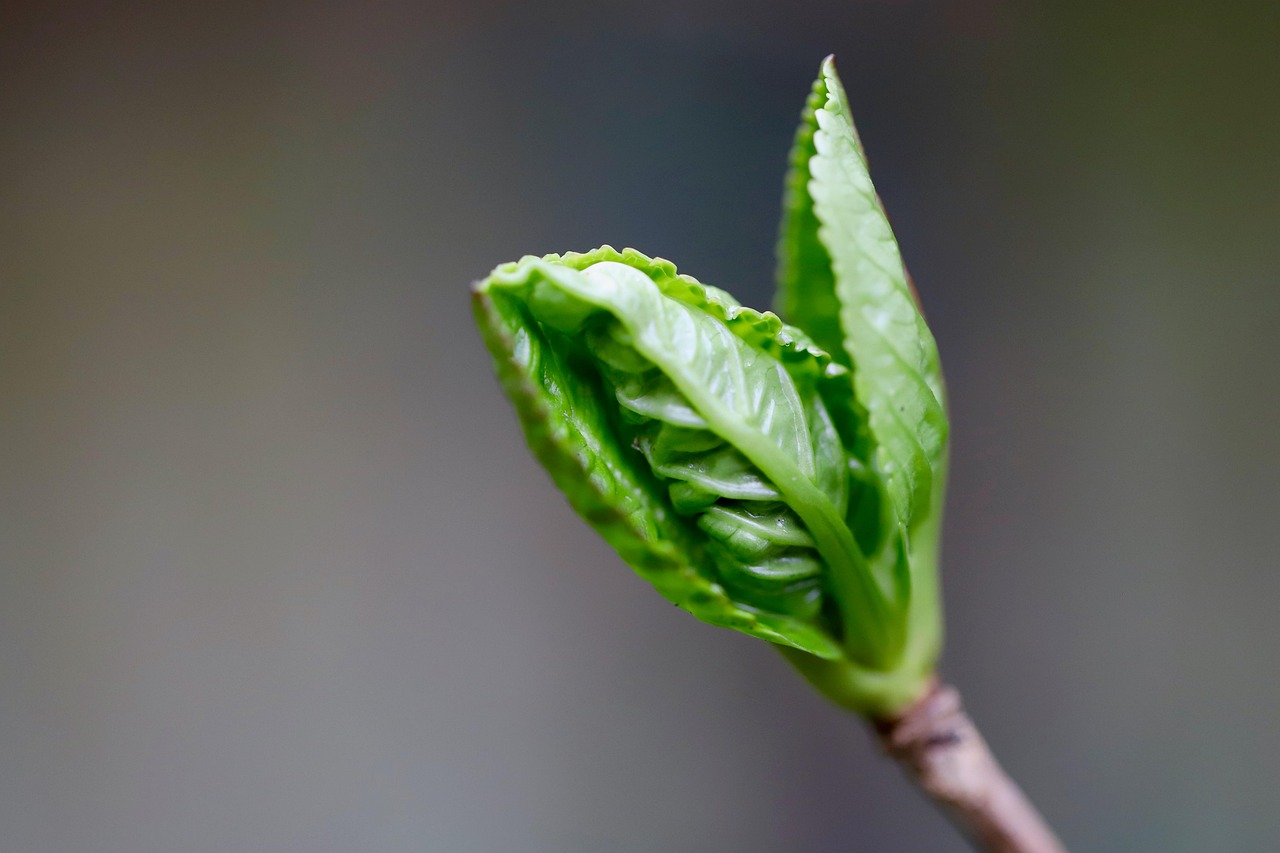
Typical Growth Rates by Hydrangea Species
Understanding the growth rate of your hydrangea begins with identifying its specific species. While all hydrangeas share a love for consistent moisture and rich soil, their genetic blueprints dictate how quickly they will fill your garden beds.
Bigleaf hydrangeas (Hydrangea macrophylla), famous for their mophead or lacecap blooms, generally exhibit a moderate growth rate. Under ideal conditions, you can expect them to add 1 to 2 feet of new growth per season until they reach their mature height, which typically ranges between 3 and 6 feet. Because these varieties set buds on old wood, their vertical expansion is often tempered by winter dieback in colder climates.
In contrast, panicle hydrangeas (Hydrangea paniculata) are among the most vigorous growers. If provided with ample sunlight and space, these hardy shrubs can grow rapidly, sometimes adding 2 feet or more in a single growing season. They are often the best choice if you need to establish a hedge or fill a large landscape gap quickly.
To help you estimate how fast your specific plant will reach its mature size, consider these general characteristics:
- Bigleaf (H. macrophylla): Moderate growth; 1–2 feet per year. Best for smaller spaces or containers.
- Panicle (H. paniculata): Vigorous growth; often 2+ feet per year. Can reach tree-like proportions if not pruned.
- Smooth (H. arborescens): Fast growth; 1–2 feet per year. These often die back to the ground in winter and regrow rapidly from the roots each spring.
- Oakleaf (H. quercifolia): Moderate growth; 1–2 feet per year. These develop a wider, more sprawling habit over time.
Remember that “growth rate” is a guideline, not a guarantee. Factors such as soil fertility, local climate, and the amount of direct sunlight play a significant role. Always check the plant tag for the specific variety’s mature dimensions to ensure you are providing enough room for its eventual size, rather than just its current pace of growth.
Factors Influencing Mature Size
Understanding the mature size of your hydrangea requires looking beyond the plant label. While genetic potential sets the upper limit, environmental variables dictate whether your shrub reaches that full stature or remains stunted.
Sunlight exposure is a primary driver of growth. Most hydrangeas thrive in partial shade, receiving gentle morning sun and protection from the harsh afternoon heat. If a plant is placed in deep shade, it will likely become leggy and produce fewer blooms, often failing to reach its expected height. Conversely, excessive direct sun can scorch leaves and force the plant to divert energy into survival rather than structural growth, resulting in a smaller overall footprint.
Soil quality and moisture are equally critical. Hydrangeas are heavy feeders that require consistent access to nutrients to build robust stems and foliage. To encourage your plant to reach its maximum genetic potential, focus on these three factors:
- Soil Composition: Amend your planting site with generous amounts of organic matter, such as compost or well-rotted manure, to improve structure and nutrient density.
- Moisture Consistency: Hydrangeas have shallow root systems. Keep the soil consistently moist but never waterlogged. A two-to-three-inch layer of organic mulch is essential to regulate soil temperature and retain hydration during dry spells.
- Drainage: While they love water, hydrangeas despise “wet feet.” Ensure the planting site drains well; heavy clay soils that hold standing water can lead to root rot, which severely limits growth and compromises plant health.
Finally, consider the competition. Planting hydrangeas too close to large trees or aggressive shrubs forces them to compete for water and nutrients. In these scenarios, the hydrangea will almost always remain smaller than its documented average. By providing a dedicated space with rich, well-draining soil and adequate shelter from extreme weather, you create the ideal conditions for your hydrangea to grow to its full, intended size. If your plant remains smaller than expected despite these efforts, check for signs of pests or improper pruning, both of which can significantly impact long-term development.
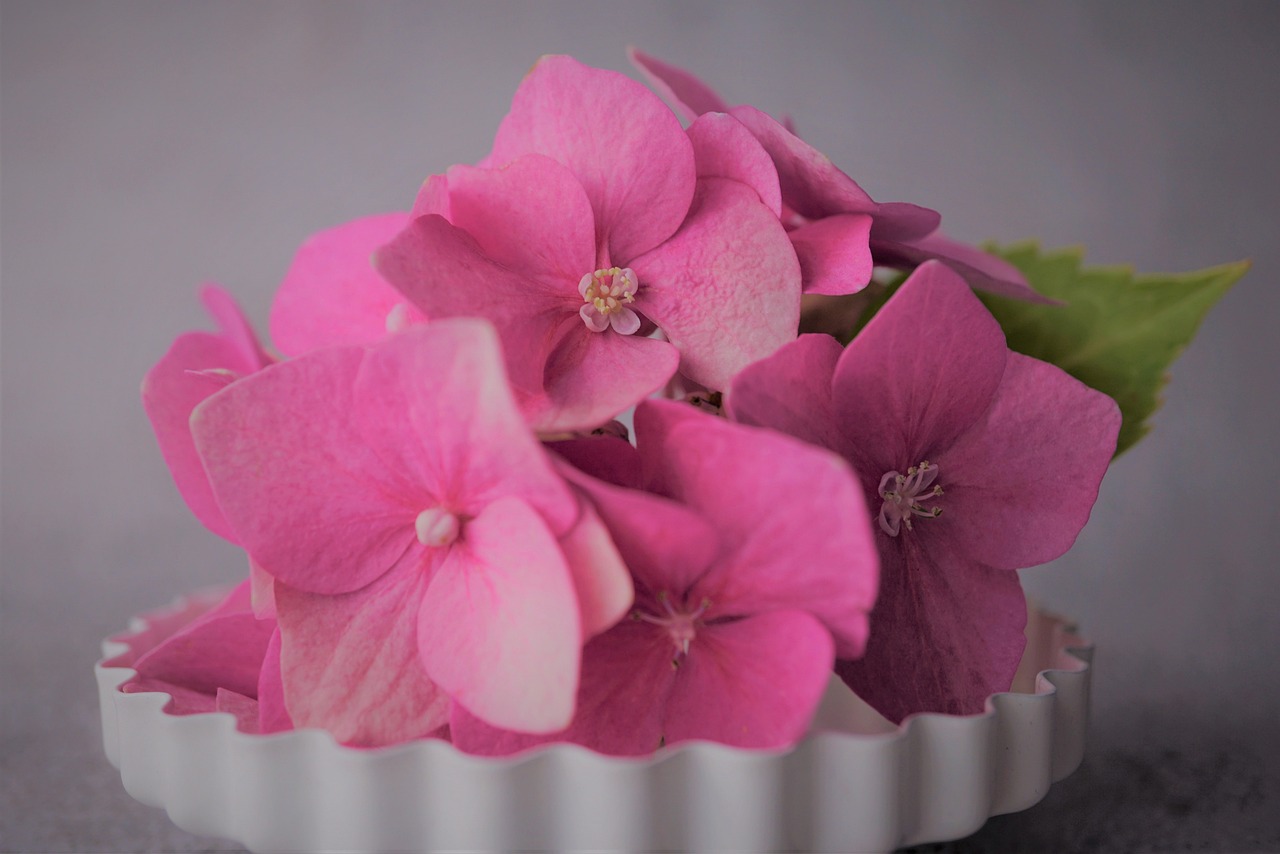
Managing Growth Through Pruning
Pruning is the most effective way to manage the size and shape of your hydrangeas. While these shrubs naturally reach specific mature dimensions based on their variety, strategic cutting prevents them from becoming overgrown or encroaching on walkways and nearby plants. By removing old wood and shaping the canopy, you encourage healthier, more vibrant blooms in the following season.
Always use clean, sharp bypass pruners for your maintenance. Bypass blades act like scissors, creating a clean cut that heals quickly. Dull or damaged blades can crush stems, leaving the plant vulnerable to disease or pests. For thicker, woody stems on established bushes, switch to long-reach loppers to maintain leverage and ensure a precise cut without damaging the plant’s structure.
Safety should remain a priority during your gardening sessions. Follow these essential tips to protect yourself while managing your shrubs:
- Wear thick gardening gloves to protect your hands from scratches caused by woody stems or hidden thorns.
- If using long-reach loppers for taller bushes, maintain a stable, wide-set footing on level ground.
- Avoid overextending your reach to prevent losing your balance or falling.
- Clear away debris immediately to keep your workspace free of tripping hazards.
Timing is just as important as technique. For most mophead and lacecap varieties, prune immediately after the flowers fade in late summer. Avoid heavy pruning in late winter or early spring, as this can accidentally remove the “old wood” buds that are destined to become this year’s flowers. If you are growing a panicle or smooth hydrangea, these bloom on “new wood,” meaning you can safely prune them in late winter to reset their size before the spring growth spurt begins.
By keeping your tools sharp and your approach methodical, you can easily dictate the footprint of your hydrangeas. Regular, light maintenance is always preferable to harsh, drastic cutbacks, which can stress the plant and temporarily reduce your floral display. With consistent care, your hydrangeas will remain a manageable and beautiful focal point in your landscape.
Spacing and Planting for Long-Term Success
One of the most common mistakes gardeners make is planting hydrangeas too close together. Because these shrubs can grow quite large, it is tempting to crowd them to achieve an “instant” full look. However, this often leads to significant maintenance headaches and plant health issues as they reach maturity.
Always check the plant tag or nursery label for the expected mature width. While a young hydrangea might look small in a three-gallon pot, some varieties can spread five to ten feet wide. If you plant them too closely, they will compete for nutrients, water, and sunlight, eventually leading to stunted growth.
Proper spacing is essential for long-term success because it ensures adequate airflow throughout the canopy. When hydrangeas are crowded, moisture remains trapped on the foliage, creating the perfect environment for fungal diseases. Following these guidelines helps you maintain a healthy garden:
- Prioritize Air Circulation: Sufficient space between plants allows leaves to dry quickly after rain or irrigation, significantly reducing the risk of powdery mildew and leaf spot.
- Minimize Maintenance: When hydrangeas have the room they need to reach their natural shape, you won’t need to resort to aggressive or frequent pruning to keep them within their boundaries.
- Plan for Maturity: Measure the distance from the center of the planting hole to the expected mature radius of the shrub. If the tag says a plant grows six feet wide, place the center of the plant at least three feet away from neighboring shrubs or structures.
By resisting the urge to over-plant, you allow your hydrangeas to develop their natural, graceful form. This strategic approach not only results in a more beautiful display of blooms each season but also saves you hours of remedial pruning and disease management. Always remember that gardening is a long-term investment; giving your plants the space to breathe today prevents overcrowding problems in the years to come.
Common Questions and Maintenance Tips
If your hydrangea is failing to reach its expected size, the culprit is often found beneath the surface. Soil pH plays a critical role in nutrient uptake; if the soil is too acidic or alkaline, the plant cannot absorb the minerals necessary for vigorous growth. A simple soil test from a local garden center can reveal if your pH levels are optimal for your specific variety.
Irrigation habits are equally vital. Hydrangeas are notoriously thirsty plants that require consistent moisture to support their large foliage and blooms. If the soil dries out completely, growth will stall, and leaves may wilt or scorch. To ensure steady development, follow these maintenance practices:
- Deep Watering: Provide at least one inch of water per week, focusing on the root zone rather than the leaves to prevent fungal issues.
- Seasonal Mulching: Apply a two-to-three-inch layer of organic mulch, such as shredded bark or compost, around the base. This regulates soil temperature and retains essential moisture.
- Consistent Monitoring: Check the soil moisture by inserting a finger two inches into the dirt; if it feels dry, it is time to water.
Sometimes, despite your best efforts, a plant may struggle due to external threats. If you notice persistent yellowing, spotted leaves, or stunted growth that does not resolve with improved watering and mulching, your hydrangea may be suffering from a pest infestation or a soil-borne disease. In these instances, avoid aggressive chemical treatments until you have a confirmed diagnosis.
For persistent issues, reach out to your local cooperative extension office. These experts provide region-specific guidance and can often identify local pathogens that are common in your area. Alternatively, consulting a certified arborist can provide peace of mind if you are dealing with mature, woody hydrangeas that require specialized care. By addressing environmental stressors early and seeking professional advice when basic troubleshooting fails, you can help your hydrangeas maintain their health and achieve their full growth potential season after season.

Dedicated team of gardening enthusiasts with years of hands-on experience testing lawn mowers, gardening tools, and outdoor equipment. We help home gardeners and professionals alike make informed buying decisions with honest, thorough reviews. From push mowers to pruning shears, we test it all so you don’t have to. Got a gardening tool you’d like us to review? Get in touch!