
Hydrangeas typically take three to five years to reach their full, mature size after being planted. While they may produce blooms within the first season, these shrubs require several years of consistent care to establish a robust root system and achieve their characteristic lush, voluminous appearance in your home garden.
Understanding this growth timeline is essential for setting realistic expectations for your landscape design. Various factors, including your local climate, soil quality, and the specific hydrangea variety, significantly influence how quickly your plants develop. Patience is key, as providing the right environment during these formative years ensures long-term health and vigor.
In this guide, we break down the typical growth stages of hydrangeas and offer practical advice to support them on their journey to maturity. You will learn essential tips for watering, fertilizing, and pruning that help accelerate development. Follow these expert strategies to help your hydrangeas thrive and bloom beautifully for years.
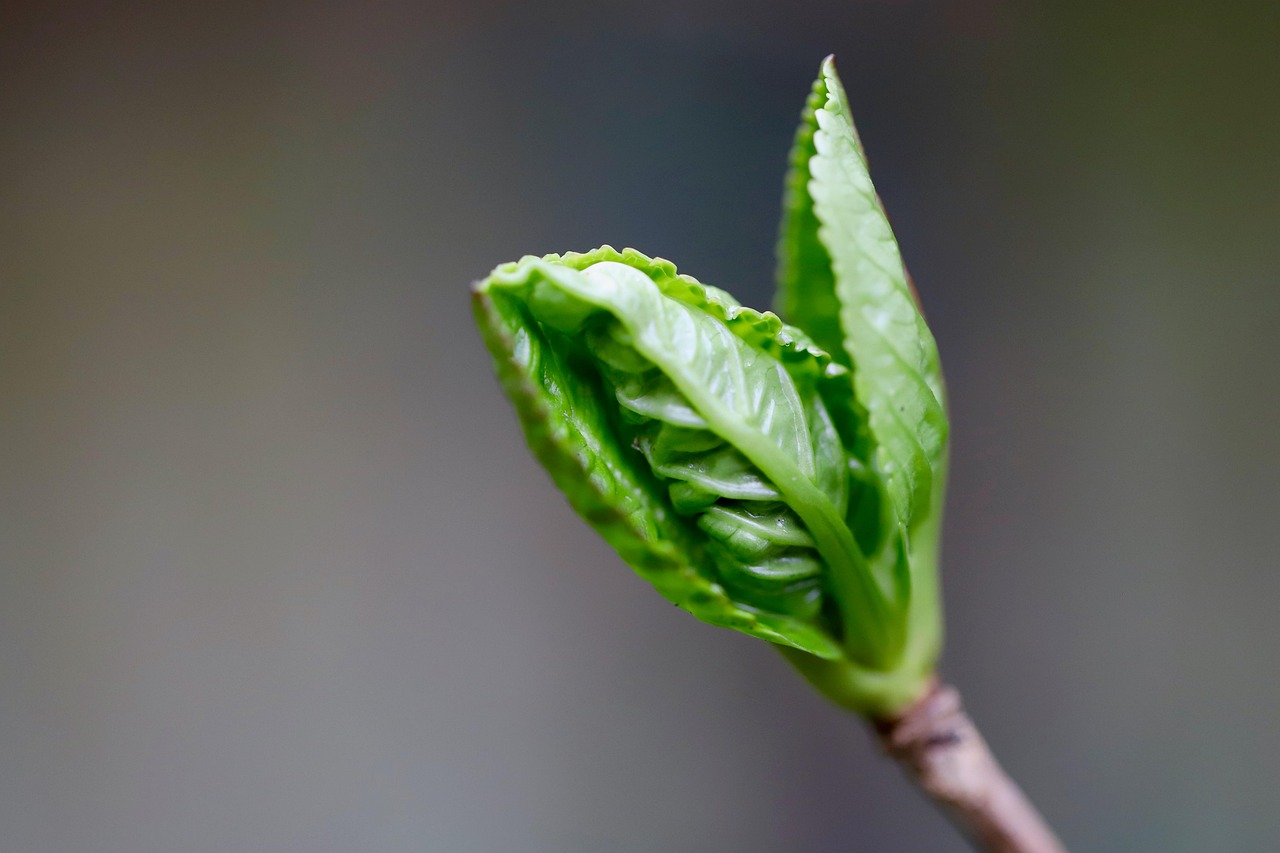
Understanding the Hydrangea Growth Timeline
Hydrangeas are widely prized for their rapid development, making them a favorite for gardeners looking to fill empty spaces quickly. Under ideal conditions—characterized by well-draining, nutrient-rich soil and consistent moisture—most hydrangea varieties will add between 1 and 2 feet of growth per year.
While you might see blooms within the first or second season, do not mistake early flowers for maturity. It generally takes 3 to 5 years for a hydrangea to reach its full, intended size and structural shape. During these formative years, the plant is prioritizing root development over top-heavy growth.
To support your hydrangea during this critical establishment period, focus on these practical care steps:
- Consistent Hydration: Young hydrangeas have shallow root systems. Water them deeply at the base twice a week, or more frequently during extreme heat, to ensure the soil remains moist but not waterlogged.
- Mulching: Apply a 2- to 3-inch layer of organic mulch, such as wood chips or shredded bark, around the base. This regulates soil temperature and helps retain moisture as the roots expand.
- Strategic Feeding: Use a balanced, slow-release fertilizer in early spring as new growth emerges. Avoid over-fertilizing, which can encourage weak, leggy stems rather than a sturdy, mature framework.
- Resist Heavy Pruning: In the first few years, limit pruning to removing dead or damaged wood. Allow the plant to focus its energy on building a robust root system rather than recovering from aggressive cutting.
Patience is your greatest tool when cultivating hydrangeas. By providing a stable environment during the first few years, you ensure the shrub develops the structural integrity needed to support its heavy blooms in the future. If your plant seems to stall, check your soil drainage and light exposure; hydrangeas often grow slowly if they are struggling with root rot or insufficient sunlight. With proper care, your patience will be rewarded with a lush, reliable centerpiece in your landscape.
Factors That Influence Growth Speed
Hydrangeas are not uniform in their growth patterns. While some varieties can add several feet of height in a single season, others remain compact. Understanding the variables that dictate this speed is the first step toward managing your expectations and helping your plant thrive.
Sunlight is the primary driver of photosynthesis and, consequently, growth. Most hydrangea species perform best with a balance: gentle morning sun paired with cooling afternoon shade. Too much direct, harsh sunlight can cause heat stress, which forces the plant to focus energy on survival rather than structural development. Conversely, deep shade often results in leggy, slow growth and minimal flowering.
Beyond light, the following environmental factors are essential for optimal growth rates:
- Soil Quality and pH: Hydrangeas thrive in rich, well-draining soil amended with organic matter. Soil pH also influences nutrient uptake; for example, acidic soil can change the color of bigleaf hydrangeas and affect overall vigor.
- Moisture Consistency: These plants are notoriously thirsty. Consistent soil moisture is vital, especially during the first two years of establishment. Mulching around the base helps retain moisture and regulates soil temperature.
- Drainage: While they love water, hydrangeas despise “wet feet.” Ensure your planting site does not pool water, as poor drainage leads to root rot, which effectively halts growth.
- Hardiness Zone Compatibility: A plant’s biological clock is set by your local climate. Selecting a variety specifically rated for your USDA hardiness zone ensures the plant is not struggling against temperature extremes.
Finally, remember that patience is a key component of gardening. Newly planted hydrangeas often spend their first season focusing on root development rather than visible top growth. This “sleep, creep, leap” pattern is normal. Once the root system is established, you will typically see a significant increase in growth rate during the second or third year. By providing these ideal conditions, you remove the environmental barriers that would otherwise slow your plant’s natural progression.

Essential Care for Encouraging Healthy Development
Achieving steady, vigorous growth in hydrangeas requires a commitment to consistent care, particularly during the first two years after planting. During this establishment phase, your primary focus should be hydration. Hydrangeas have relatively shallow root systems that dry out quickly; deep, consistent watering is essential to help them settle into their new environment.
Aim to provide at least one inch of water per week, adjusting for rainfall. If the leaves begin to droop during the heat of the day, it is a clear signal that the plant needs extra moisture. Always water at the base of the plant rather than overhead to keep the foliage dry and reduce the risk of fungal diseases.
To support sustained development and vibrant blooms, incorporate a balanced, slow-release fertilizer into your routine. Apply this in early spring, just as new growth begins to emerge. This provides a steady supply of nutrients throughout the growing season, fueling both lush foliage and impressive flower production. Avoid fertilizing late in the summer, as this can encourage tender new growth that may be damaged by the first frost.
Beyond water and nutrients, protecting the root zone is vital for long-term health. Applying a two-to-three-inch layer of organic mulch around the base of the plant offers several practical benefits:
- Moisture Retention: Mulch acts as a barrier against evaporation, keeping the soil cool and damp even during dry spells.
- Weed Suppression: By blocking sunlight, mulch prevents weeds from germinating and competing with your hydrangea for water and nutrients.
- Soil Enrichment: As organic mulch breaks down, it improves soil structure and adds beneficial nutrients back into the earth.
Be sure to keep the mulch a few inches away from the main stems to prevent rot. By balancing consistent hydration, timely fertilization, and effective soil protection, you create the ideal conditions for your hydrangeas to thrive and reach their full growth potential each season.
Safety Tips for Pruning and Maintenance
Maintaining your hydrangeas requires more than just knowing when to prune; it demands a focus on personal safety and tool hygiene. By following a few simple precautions, you can keep your plants healthy while protecting yourself from common gardening injuries.
Always prioritize the health of your shrubs by using sharp, clean bypass pruners. Dull blades crush stems rather than slicing through them, which leaves the plant vulnerable to disease. A clean, sharp cut ensures the hydrangea heals quickly and minimizes stress after trimming.
To ensure a safe and efficient pruning session, follow these essential guidelines:
- Protect your hands: Wear durable gardening gloves to shield your skin from stiff, woody stems and potential thorns or irritants.
- Guard your eyes: When using long-reach loppers to trim taller hydrangea varieties, wear safety glasses. These prevent falling debris, twigs, or sap from causing eye injuries.
- Maintain stability: Never attempt to prune from a ladder. Reaching high branches while elevated increases your risk of a fall. Always keep your feet firmly planted on stable, level ground.
- Sanitize your tools: Wipe your blades with rubbing alcohol or a mild bleach solution between plants. This simple step prevents the accidental spread of fungal spores or bacteria from one shrub to another.
If you are working with older, thicker hydrangea canes, do not force your tools. If a stem is too thick for your bypass pruners, switch to a pair of loppers or a pruning saw designed for larger diameters. Forcing a cut with undersized tools can cause the tool to slip, leading to accidental cuts or strain.
Finally, be mindful of your posture. Avoid overextending your reach or twisting your back while trimming. By staying close to the plant and moving your body around the shrub, you maintain better control over your cuts and reduce the risk of muscle fatigue. Taking these small, deliberate steps ensures that your gardening experience remains both productive and injury-free.

Common Questions and Troubleshooting
If your hydrangea seems to have stalled in its growth or failed to bloom, don’t panic. Hydrangeas are resilient, but they often struggle due to environmental stressors or maintenance errors. Before assuming the plant is failing, investigate these common culprits:
- Improper Pruning: This is the most common reason for a lack of flowers. If you prune at the wrong time, you may be cutting off next year’s flower buds. Research your specific variety to determine if it blooms on “old wood” (prune immediately after flowering) or “new wood” (prune in late winter or early spring).
- Nutrient Deficiencies: If your hydrangea shows yellowing leaves (chlorosis) despite receiving adequate water, the plant may be struggling to access nutrients in the soil. A simple soil pH test can reveal if the soil is too alkaline, which often locks out essential minerals like iron.
- Pest Activity: Inspect the undersides of leaves for aphids, spider mites, or scale. These pests sap energy from the plant, causing stunted growth and leaf drop. A gentle blast of water or insecticidal soap can often resolve minor infestations.
Wilting is another frequent concern. While hydrangeas are thirsty plants, excessive wilting despite consistent watering can indicate root rot or poor drainage. Ensure the soil remains moist but never waterlogged. If the plant is consistently drooping during the heat of the day but recovers by morning, it is likely just responding to transpiration stress and does not necessarily need more water.
If you observe severe disease, such as unusual fungal spots, stem cankers, or structural damage that you cannot identify, avoid guessing with chemical treatments. Instead, take clear photos or physical samples to your local university extension office. These offices provide science-based, regional advice tailored to your specific climate. Alternatively, consult a certified arborist who can provide a professional diagnosis and a safe, effective recovery plan for your garden.

Dedicated team of gardening enthusiasts with years of hands-on experience testing lawn mowers, gardening tools, and outdoor equipment. We help home gardeners and professionals alike make informed buying decisions with honest, thorough reviews. From push mowers to pruning shears, we test it all so you don’t have to. Got a gardening tool you’d like us to review? Get in touch!