
Limelight hydrangeas typically reach their full mature size of six to eight feet within three to five years of planting. You can expect these vigorous shrubs to begin producing their signature lime-green blooms during their very first growing season, provided they receive proper care and sufficient sunlight throughout the spring and summer months.
Limelight hydrangeas are prized for their vigorous growth and stunning lime-green blooms. If you are wondering how long it takes for these shrubs to reach their full size or start flowering, understanding their growth cycle is key to setting realistic expectations for your garden landscape as your new plants establish their root systems.
Achieving this rapid growth requires consistent watering, well-draining soil, and strategic pruning to encourage strong stems. In the following sections, we provide practical tips on feeding, site selection, and seasonal maintenance. By following these expert care guidelines, you will ensure your hydrangeas thrive and reward you with abundant, long-lasting flowers every year.
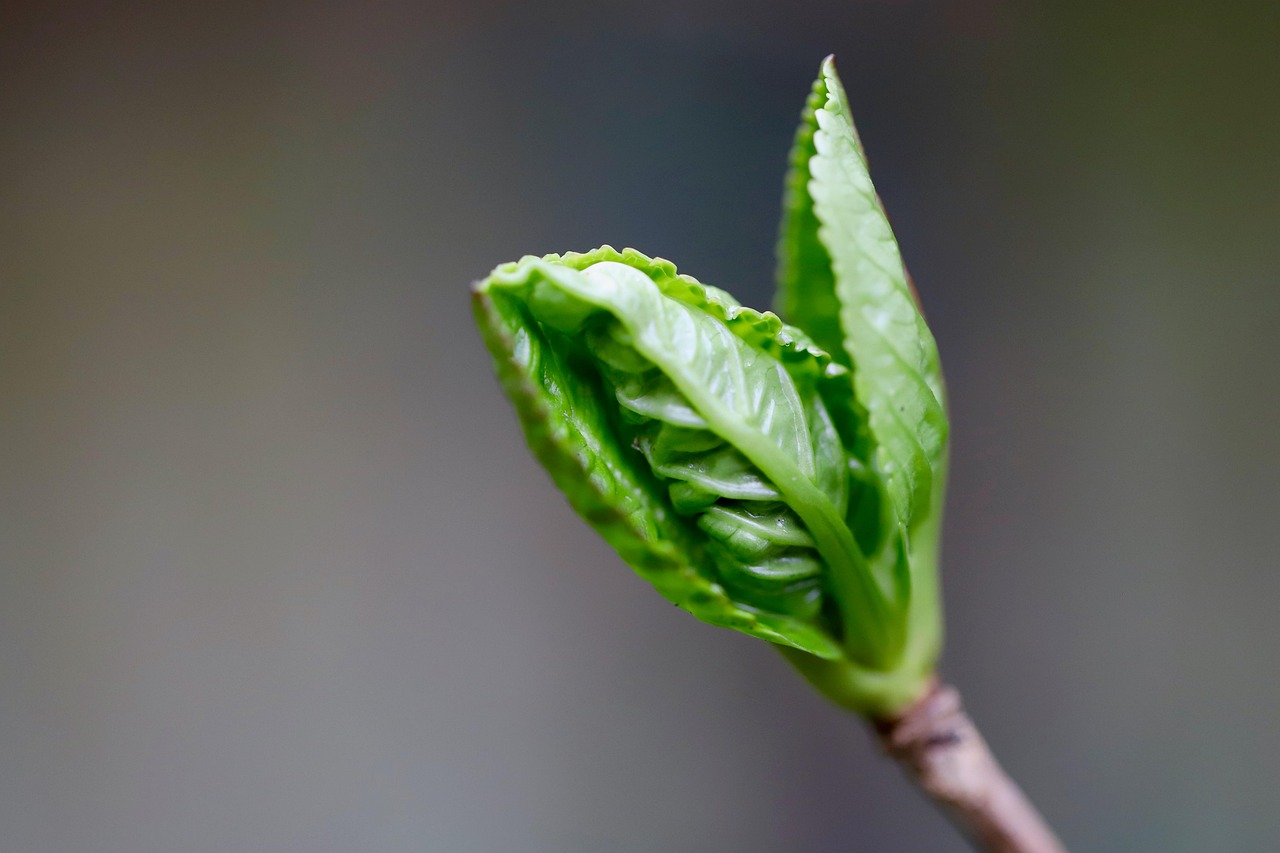
Understanding the Growth Rate of Limelight Hydrangeas
Limelight hydrangeas (Hydrangea paniculata ‘Limelight’) are prized by gardeners for their vigorous growth habits. If you are looking for a shrub that fills a landscape quickly, this variety is an excellent choice. Under ideal growing conditions, you can expect these hydrangeas to grow between 12 and 24 inches per year.
While they are considered fast-growing, it is important to manage your expectations regarding their final size. A Limelight hydrangea will not reach its full mature height of 6 to 8 feet overnight. Generally, these shrubs require 3 to 5 years to become fully established and fill out their intended space in your garden.
Several factors influence how quickly your plant reaches its potential:
- Sunlight: While they tolerate partial shade, Limelights perform best and grow fastest with at least 6 hours of direct sunlight daily.
- Soil Quality: These shrubs thrive in rich, well-draining soil. Amending your planting hole with organic compost provides the nutrients necessary for rapid stem and foliage development.
- Consistent Moisture: Especially during the first two years, keeping the soil consistently moist—but not waterlogged—is critical for steady growth.
- Proper Pruning: Pruning in late winter or very early spring encourages strong new growth. Because this variety blooms on new wood, timely pruning ensures a robust display of flowers once the plant matures.
If your Limelight hydrangea seems to be growing slower than expected, first evaluate the soil moisture and sunlight exposure. Young plants often put their energy into developing a strong root system during the first two seasons, which may result in less visible top growth. Be patient; once the roots are established, the top growth typically accelerates significantly. By providing consistent water and a balanced, slow-release fertilizer in early spring, you will support the plant’s natural vigor and help it reach its impressive mature size within that three-to-five-year window.
Factors That Influence Growth Speed
While Limelight hydrangeas are known for their vigorous growth, their actual speed depends on how well their environmental needs are met. These shrubs typically add 12 to 24 inches of new growth per season when conditions are ideal. If your plant is growing slower than this, it is likely reacting to one of the following factors.
Sunlight Requirements
Limelight hydrangeas thrive in full sun to partial shade. To achieve maximum growth, aim for at least six hours of direct sunlight daily. While they can tolerate shade, too little light will result in leggy stems and a significantly slower growth rate. In extremely hot climates, some afternoon shade is beneficial, but avoid deep, dark corners of the yard.
Soil and Nutrition
These plants require well-draining soil rich in organic matter. If your native soil is heavy clay or sandy, incorporate several inches of compost at planting time. This improves nutrient availability and moisture retention, both of which are essential for fueling rapid stem development. Applying a balanced, slow-release fertilizer in early spring as new growth emerges can also provide the necessary boost for the season.
Watering Consistency
Hydrangeas are thirsty plants. Consistent moisture is the most critical factor in preventing stunted development. During the first two years, establish a regular watering schedule to keep the root zone damp but not waterlogged. To manage moisture effectively, follow these practical tips:
- Apply a 2- to 3-inch layer of organic mulch, such as shredded bark, around the base to retain soil moisture.
- Water deeply at the base of the plant rather than overhead to prevent fungal issues.
- Check soil moisture by inserting a finger two inches into the dirt; if it feels dry, it is time to water.
If your hydrangea suffers from prolonged drought, it will prioritize survival over new growth. By maintaining steady moisture and adequate sunlight, you provide the foundation for your Limelight to reach its full size as quickly as possible.

Pruning Safely for Healthy Development
Pruning is a vital step in managing the growth cycle of your Limelight hydrangea. By removing old wood and thinning out crowded branches, you direct the plant’s energy toward vigorous new growth and larger, more robust flower heads. Proper pruning maintains the shrub’s structural integrity, ensuring it remains healthy as it reaches its full mature size.
Always use sharp, clean bypass pruners for your maintenance. Dull blades crush stems rather than slicing through them, which can invite disease and slow the healing process. If you are trimming thicker, woody stems, switch to loppers to maintain a clean, precise cut. Before you begin, follow these essential safety practices:
- Wear durable gardening gloves to protect your hands from sharp branches and potential skin irritants.
- Sanitize your blades with rubbing alcohol between plants to prevent the spread of pathogens.
- If using long-reach loppers for taller sections, ensure your ladder is placed on firm, level ground.
- Never overextend your reach while pruning; reposition your ladder instead of leaning to prevent dangerous falls.
Timing is just as important as technique. For Limelight hydrangeas, the best time to prune is in late winter or very early spring, just before new growth begins to emerge. Because this variety blooms on new wood, pruning during this dormant period encourages the plant to produce a fresh flush of stems that will support the iconic lime-green blossoms later in the season.
When making cuts, aim for a 45-degree angle just above a healthy bud. This slope prevents water from pooling on the cut surface, which significantly reduces the risk of rot or fungal infections. If you notice any dead, damaged, or diseased branches, remove them immediately regardless of the season. Keeping the center of the shrub open also improves airflow, which is critical for preventing common hydrangea issues like powdery mildew. Consistent, careful pruning ensures your Limelight stays vibrant and structurally sound for years to come.
Timeline from Planting to Full Maturity
When you plant a Limelight hydrangea, patience is your most valuable tool. During the first growing season, the shrub directs almost all of its energy toward establishing a robust root system underground. You may notice very little vertical growth above the soil line, and bloom production might be sparse. This is perfectly normal and indicates that the plant is successfully acclimating to its new environment.
By the second and third years, the transition from root development to structural growth becomes evident. You will see a significant increase in vertical height and a dramatic rise in the number of signature lime-green blooms. During this phase, the shrub begins to fill out its space, and the branches thicken to support the heavy flower heads.
By year four or five, your Limelight hydrangea will typically reach full structural maturity. At this stage, the plant is considered well-established. While it will still benefit from consistent care, it becomes much more resilient to environmental stressors.
To help your hydrangea reach its full potential during these formative years, follow these practical care tips:
- Consistent Hydration: During the first two years, water deeply once or twice a week, ensuring the soil remains moist but not waterlogged. Once established by year four, the plant can tolerate occasional dry spells.
- Strategic Pruning: Wait until late winter or early spring, just before new growth appears, to prune. This allows you to remove dead wood and shape the shrub without sacrificing the upcoming season’s flowers.
- Mulching: Apply a two-to-three-inch layer of organic mulch around the base of the plant. This helps retain soil moisture and suppresses weeds, which is critical while the root system is still expanding.
- Fertilization: A light application of a balanced, slow-release fertilizer in early spring provides the necessary nutrients to fuel the plant’s rapid growth spurts during those middle years.
By providing consistent support during this five-year window, you ensure that your Limelight hydrangea develops the structural integrity required to thrive for decades to come.
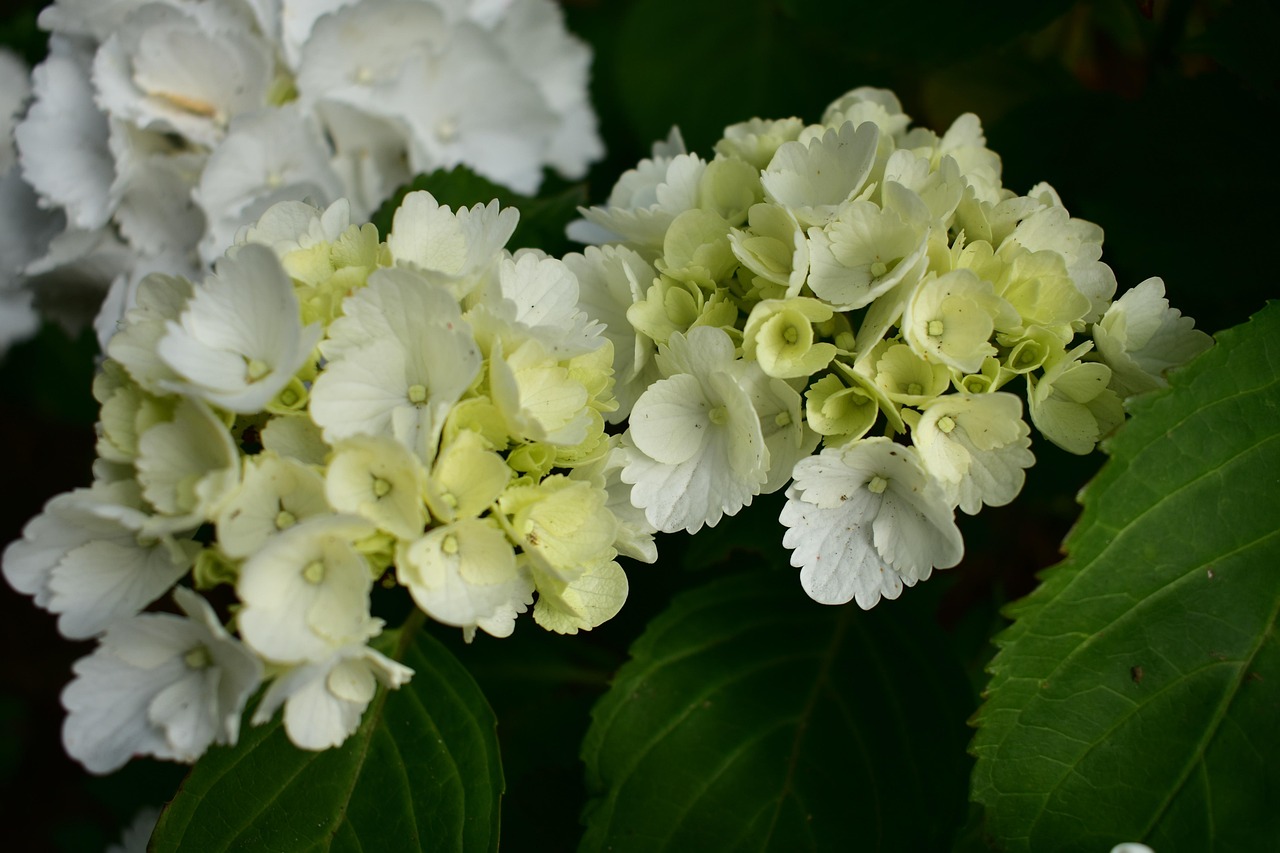
Common Care Questions and Maintenance Tips
Many gardeners wonder if they can accelerate the growth of their Limelight hydrangeas by increasing fertilizer frequency. While it is tempting to push for faster results, Limelight hydrangeas generally do not require heavy feeding. Over-fertilizing can lead to excessive foliage growth at the expense of those iconic, sturdy blooms.
For most landscapes, a single application of a balanced, slow-release fertilizer in early spring is sufficient. Apply the granules to the soil around the base of the plant, being careful to avoid direct contact with the stems, and water thoroughly to help the nutrients reach the root zone.
If your hydrangea appears to be struggling, look for these common indicators of environmental stress:
- Yellowing leaves: This often signals an iron deficiency or an incorrect soil pH. Limelight hydrangeas prefer slightly acidic to neutral soil. If the leaves are yellowing while the veins remain green, a soil test can determine if you need to adjust the pH.
- Stunted growth: This is frequently a symptom of poor drainage. These shrubs thrive in moist, well-draining soil. If the roots are sitting in standing water, they cannot absorb the oxygen or nutrients required for healthy development.
- Wilting despite moisture: Check the root ball. If the soil is compacted or heavily clay-based, water may be running off rather than soaking in.
If you notice persistent pests or unusual spots on the foliage that do not resolve with basic care, avoid reaching for harsh chemical treatments immediately. These can often do more harm than good by killing beneficial insects. Instead, contact your local cooperative extension office. They provide expert, region-specific diagnostic help and can identify if your plant is suffering from a specific fungal issue or localized insect infestation. Taking a sample or clear photos to these professionals ensures you receive a targeted, safe solution that protects the long-term health of your garden.

Dedicated team of gardening enthusiasts with years of hands-on experience testing lawn mowers, gardening tools, and outdoor equipment. We help home gardeners and professionals alike make informed buying decisions with honest, thorough reviews. From push mowers to pruning shears, we test it all so you don’t have to. Got a gardening tool you’d like us to review? Get in touch!