
Growing lavender from seed is a rewarding project for any gardener, but it requires patience. Most lavender varieties take between one to three months to germinate and typically do not bloom until their second year. Understanding this timeline is essential for managing your expectations while planning your long-term garden layout and seasonal maintenance schedule.
While many gardeners prefer buying established starts, growing from seed offers a wider variety of cultivars and a deep sense of accomplishment. Keep in mind that lavender is a slow grower that prioritizes root development during its first season. Providing consistent care and patience during these early stages is critical for eventual success.
This guide explores the specific growth cycles of popular lavender species and offers practical tips for your home gardening success. From selecting the right soil and containers to using essential hand tools for maintenance, we provide the expert advice needed to nurture your seeds into fragrant, blooming plants that will thrive in your outdoor space.

Understanding the Lavender Growth Timeline
Growing lavender from seed requires patience and the right approach to garden maintenance. Unlike purchasing established nursery starts, which are already acclimated to a pot and ready to thrive, seeds must navigate a longer developmental journey. On average, you should expect it to take 14 to 30 weeks for lavender to produce its first blooms. For many gardeners, this means the plant will not flower until its second year.
To ensure your lavender reaches that blooming stage successfully, you must prioritize proper equipment and care techniques from day one:
- Seed Starting Trays: Use high-quality, sterile seed-starting mix in trays with excellent drainage. Lavender seeds are prone to rot if kept in soggy, heavy soil.
- Light Management: Lavender requires intense light. If you are starting seeds indoors, a simple windowsill is rarely enough. Invest in full-spectrum LED grow lights, positioning them just a few inches above the seedlings to prevent them from becoming “leggy” or weak.
- Temperature Control: Lavender seeds germinate best in consistent temperatures between 65°F and 75°F. A heat mat can stabilize these conditions, significantly improving your germination rate.
- Pruning Tools: Once your seedlings are established and moved outdoors, keep a pair of sharp, clean bypass pruners handy. Regular, light pruning in the first year encourages a bushier habit, which leads to more prolific blooms in subsequent seasons.
The variety you choose plays a massive role in this timeline. English lavender (Lavandula angustifolia) is generally hardier and may follow a more predictable growth pattern, whereas French or Spanish varieties often require warmer climates and longer growing seasons to reach maturity. Regardless of the variety, lavender thrives on neglect once established. Avoid over-fertilizing, as excessive nitrogen promotes leafy growth at the expense of flower production.
Practical home gardening success with lavender comes down to mimicking its native Mediterranean environment. Ensure your outdoor site has full sun—at least six to eight hours daily—and soil that drains rapidly. If your native soil is heavy clay, use a garden spade or tiller to amend the area with grit or sand before transplanting. By providing excellent drainage and consistent light, you set the stage for years of fragrant, reliable blooms.
The Germination Phase
The journey from seed to a blooming lavender plant begins with the germination phase. Lavender seeds are notoriously slow and often require a process called cold stratification to break their natural dormancy. To mimic winter conditions, place your seeds in a damp paper towel inside a sealed plastic bag and store them in the refrigerator for three to four weeks before planting.
Once you are ready to sow, use a high-quality, sterile seed-starting mix. This medium provides the necessary drainage and aeration to prevent root rot, which is a common pitfall in home gardening. Fill your seedling trays, sow the seeds thinly, and cover them with only a light dusting of soil, as lavender requires some light to germinate effectively.
Consistency is vital during this stage. Maintain steady moisture levels by using a fine-mist spray bottle, ensuring the soil remains damp but never waterlogged. You can expect germination to occur anywhere from two to four weeks, depending on the variety and environmental conditions.
To ensure your seedlings thrive during this delicate period, keep these practical maintenance tips in mind:
- Use proper tools: When preparing your trays or thinning out overcrowded seedlings, always use clean, sharp garden snips or scissors. Dull blades can crush or tear delicate stems, creating entry points for pathogens.
- Maintain hygiene: Always wear gardening gloves when handling potting soil. This protects your skin from potential irritants and prevents the introduction of bacteria or fungal spores into the sterile starting mix.
- Monitor light: Once sprouts appear, move the trays to a bright location or under grow lights immediately to prevent the seedlings from becoming “leggy” or weak.
After the seeds have successfully sprouted and developed their first set of true leaves, they will transition from the germination phase into the vegetative growth stage. At this point, you can gradually reduce watering frequency to encourage deep root development. Proper care during these initial weeks establishes the foundation for a robust, fragrant lavender plant. Patience is essential; while the germination process may feel slow, providing the right environment early on is the most effective way to ensure your lavender eventually reaches its full blooming potential in your garden.

Establishing the Seedlings
Once your lavender seeds have germinated, they enter a critical growth phase. During these first few months, the plants prioritize establishing a robust root system and developing initial foliage rather than vertical growth. Because lavender is a Mediterranean plant, it is highly sensitive to moisture levels. Overwatering at this stage is the most common cause of seedling failure; always check that the top inch of soil is dry before adding more water.
To support healthy development, your indoor growing environment must prioritize airflow. Stagnant air encourages fungal issues like “damping off,” which can kill delicate seedlings overnight. If you are growing in a basement or a closed room, use a small oscillating fan on a low setting to improve ventilation. This also helps strengthen the stems, making them more resilient when it is time to transplant them outdoors.
Managing your equipment safely is essential when working with indoor setups:
- Electrical Safety: If you are using electric grow lights or heat mats, ensure all power cords are routed away from water sources. Use drip loops to prevent water from running down cords into outlets.
- Workspace Organization: Keep your potting bench or table tidy. A cluttered workspace increases the risk of tripping over extension cords or knocking over delicate seed trays.
- Tool Maintenance: Use small, clean hand tools like a precision trowel or tweezers to handle seedlings. Keeping your tools sterilized with isopropyl alcohol prevents the spread of pathogens to your young plants.
While it is tempting to rush the process, patience is key. Lavender grows slowly from seed. Avoid the urge to over-fertilize, as lavender prefers lean, well-draining soil. Instead, focus on providing consistent light—ideally 12 to 16 hours per day—and maintaining a stable, cool-to-moderate temperature.
As the seedlings grow, you may notice them becoming crowded. If you started them in a single tray, use a small dibber or a clean butter knife to gently lift the seedlings for transplanting into individual cells. This step provides the roots with more space to expand. Always handle the plants by their leaves rather than their stems to avoid crushing the delicate vascular tissue. By maintaining a clean, well-ventilated, and organized growing area, you provide your lavender with the best possible foundation for long-term health and eventual blooming.
Reaching Maturity and First Blooms
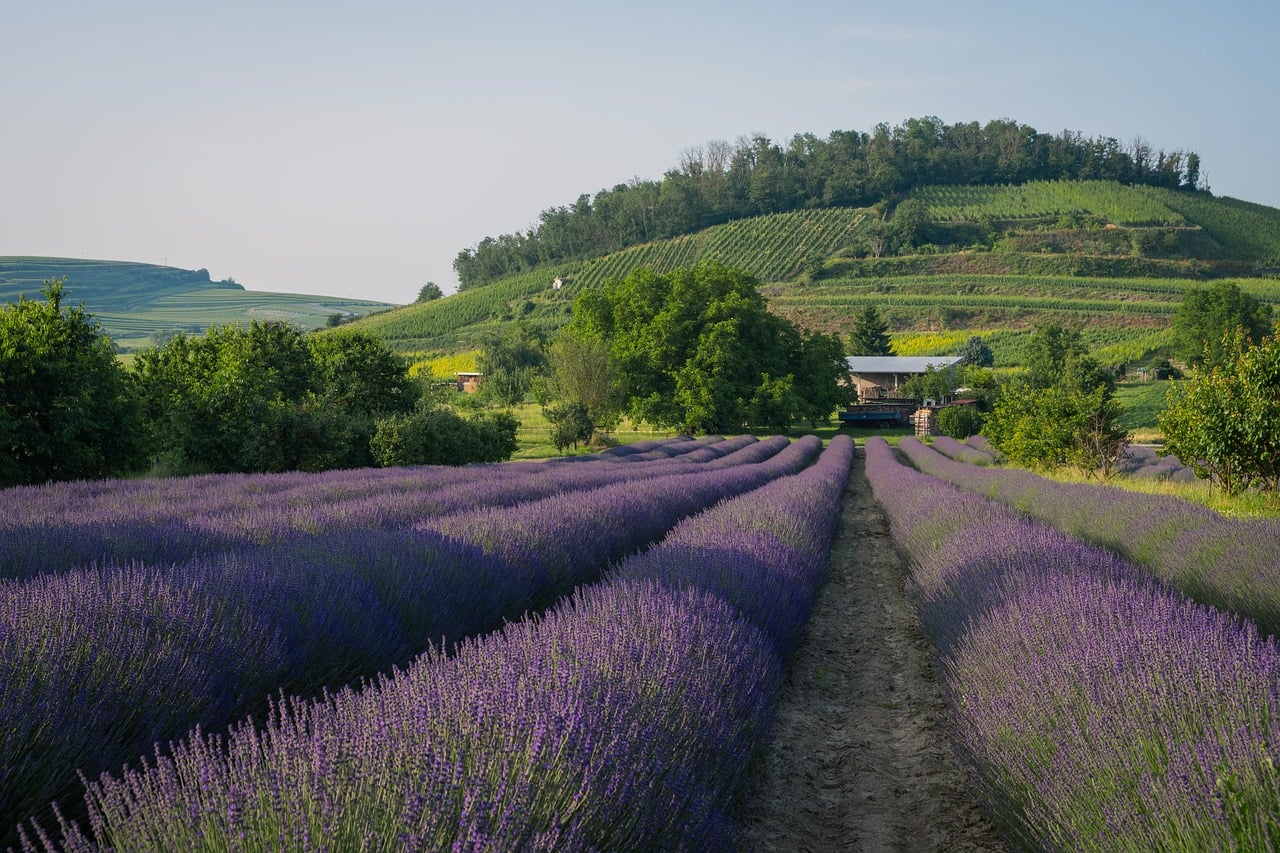
If you are starting lavender from seed, managing your expectations is the first step toward gardening success. Unlike many fast-growing annuals, lavender is a perennial subshrub that prioritizes vegetative growth over reproductive development during its infancy. In most cases, you should not expect a full display of blooms during the first year.
While some fast-maturing varieties might produce a few sparse flower spikes toward the end of their first autumn, the plant is primarily focused on establishing its root system. Forcing a young plant to bloom prematurely can actually divert energy away from the roots, potentially weakening the plant before winter. True, prolific blooming typically begins in the second year once the plant has achieved structural maturity.
To ensure your lavender thrives and reaches its full flowering potential by next season, focus your maintenance efforts on these foundational elements:
- Full Sun Exposure: Lavender requires at least six to eight hours of direct sunlight daily. Without this, the plant will become leggy and struggle to produce the energy required for future blooms.
- Well-Draining Soil: Lavender is highly susceptible to root rot. Ensure your soil is gritty and fast-draining. If you are gardening in heavy clay, amend the soil with horticultural grit or sand, or consider planting in raised beds.
- Minimal Irrigation: Once established, lavender is remarkably drought-tolerant. Overwatering is the most common cause of failure. Allow the soil to dry out completely between waterings to encourage deep root penetration.
- Strategic Pruning: In the first year, avoid heavy pruning. You may gently tip the branches to encourage bushier growth, but wait until the second year to perform significant shaping after the initial flowering cycle concludes.
During this first year, your primary tools should be limited to a high-quality hand trowel for initial planting and a reliable watering can for precise moisture control. Avoid the urge to over-fertilize; lavender prefers lean soil and actually produces more fragrant oils and stronger stems when not pushed with heavy nitrogen feeds. By providing a stable, sunny environment now, you are laying the groundwork for a robust, long-lived plant that will reward your patience with vibrant, fragrant blooms for many years to come.
Follow-up Care and Troubleshooting
Once your lavender seedlings are established, consistent care is essential for healthy growth and eventual flowering. Lavender thrives on neglect rather than over-pampering. Ensure your plants receive at least six to eight hours of direct sunlight every day. If you live in a region with high humidity or heavy rainfall, prioritize soil drainage; lavender roots will quickly succumb to rot in waterlogged conditions.
Avoid applying heavy mulch directly against the base of the plant. While mulch suppresses weeds, piling it around the crown traps moisture and encourages fungal diseases. Instead, keep a clear radius of a few inches around the stem to allow for proper airflow.
If your lavender fails to bloom by the second summer, perform a quick audit of its environment:
- Light levels: Is the plant shaded by nearby trees, fences, or taller shrubs? Lavender requires full, unobstructed sun to trigger bloom production.
- Drainage: Dig a small test hole nearby. If water pools after rain, your soil may be too heavy. Consider amending the area with grit or sand, or transplanting to a raised bed.
- Soil fertility: Lavender prefers lean, rocky soil. Excess nitrogen fertilizer encourages lush green foliage at the expense of flowers.
As your lavender matures, you will eventually need to prune it to maintain its shape and prevent it from becoming woody. For larger hedges, you may choose to use power equipment, such as electric hedge trimmers. Always prioritize safety when operating motorized tools:
- Wear ANSI-rated safety glasses to protect your eyes from flying debris and dust.
- Use earplugs or earmuffs to mitigate damage from engine noise.
- Inspect your power cords or battery housings for damage before every use.
- Ensure your footing is stable, especially when working on slopes or uneven ground.
If you notice yellowing leaves, stunted growth, or unusual spots, do not rush to apply chemical treatments. These symptoms are often signs of improper watering or poor soil aeration. If the issue persists despite your best efforts, contact your local agricultural extension office. These professionals can provide specific guidance based on your local climate and soil conditions, helping you diagnose pests or diseases accurately before you reach for heavy-duty interventions.
