
It typically takes three to five years for hydrangeas to reach their full, mature size after planting. While these shrubs establish themselves relatively quickly, achieving that iconic, lush appearance requires several seasons of consistent growth. Understanding this timeline is essential for any gardener looking to design a thriving, long-term landscape display.
Many gardeners fall in love with the lush, abundant blooms of hydrangeas, but patience is required to see them reach their mature potential. Growth rates vary significantly depending on your specific hydrangea variety, soil quality, and local climate conditions. Understanding the growth timeline for these shrubs helps you plan your landscape effectively.
In the following guide, we explore the factors that influence how fast your hydrangeas develop and how to encourage healthy, structural growth. From proper pruning techniques to essential watering schedules, you will learn practical care tips to help your plants flourish. Get ready to transform your backyard into a vibrant, blooming sanctuary today.
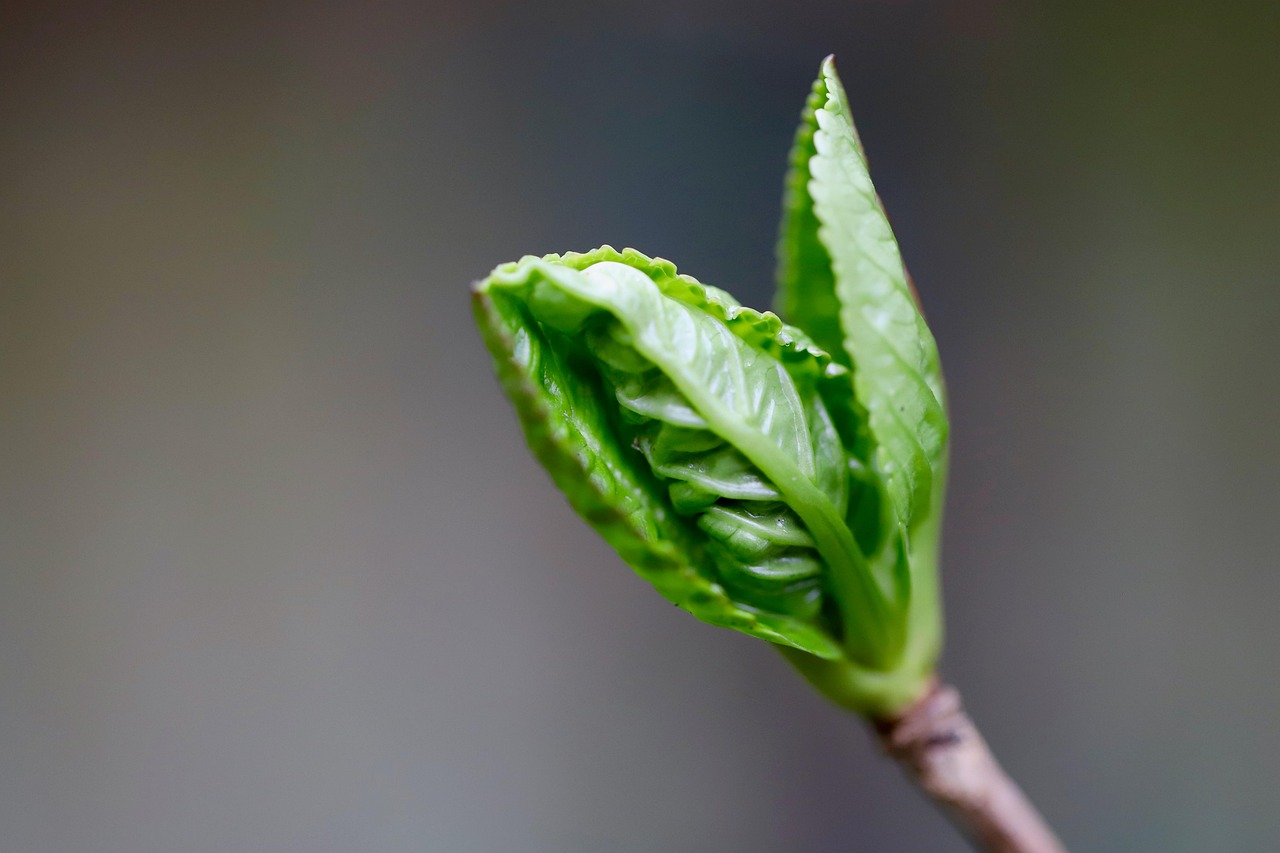
Typical Growth Timeline for Hydrangeas
Most hydrangea varieties require three to five years to reach their full, mature size. While you might see blooms as early as the first or second season, the plant is primarily focusing its energy on establishing a robust root system during these initial years. Patience is essential, as the shrub must build a strong foundation before it can support its characteristic height and width.
Growth rates vary significantly depending on the specific cultivar, soil quality, and local climate. A vigorous Hydrangea paniculata may reach its mature stature faster than a more delicate Hydrangea macrophylla. To encourage steady, healthy development, focus on these essential care practices during the establishment phase:
- Consistent Hydration: Hydrangeas are thirsty plants. Keep the soil consistently moist but not waterlogged, especially during the first two growing seasons.
- Strategic Mulching: Apply a two-to-three-inch layer of organic mulch, such as shredded bark or pine needles, around the base. This retains soil moisture and suppresses competing weeds.
- Balanced Nutrition: Apply a slow-release, balanced fertilizer in early spring as new growth emerges. Avoid heavy nitrogen applications late in the season, which can encourage weak growth that is susceptible to frost damage.
- Proper Pruning: Understand your specific variety’s needs. Pruning at the wrong time can remove next year’s flower buds, hindering the plant’s overall performance and aesthetic maturity.
If your hydrangea appears stunted after three years, evaluate your site conditions. Ensure the plant is receiving the appropriate amount of sunlight for its variety—generally morning sun and afternoon shade—and check that the soil drains well. Compacted or nutrient-poor soil is a common culprit for slow growth. By providing consistent care and ensuring the plant has adequate space to spread its roots, you allow the hydrangea to reach its full potential naturally. Over time, your investment in the soil and initial watering will reward you with a lush, full-sized shrub that serves as a reliable focal point in your landscape.
Factors That Influence Growth Rate
Hydrangeas are not one-size-fits-all plants; their journey to maturity depends on a delicate balance of biology and environment. While some compact varieties reach their full size in just two to three years, larger shrub types may take five or more years to establish their permanent footprint.
Several key variables dictate how quickly your hydrangea reaches its potential:
- Cultivar Characteristics: Always check the plant tag for the mature size. Genetic potential is the primary driver of growth; a dwarf variety will never reach the size of a panicle hydrangea, regardless of how well you fertilize it.
- Soil Quality: Hydrangeas are heavy feeders. They thrive in nutrient-rich, organic-heavy soil. If your garden soil is compacted or sandy, amending it with compost before planting provides the necessary fuel for rapid root development and foliage expansion.
- Moisture Management: Consistent hydration is the most critical factor for growth. Hydrangeas have shallow root systems that dry out quickly. A two-inch layer of organic mulch helps retain soil moisture and stabilizes temperature, preventing the plant from stalling during dry spells.
- Sunlight Exposure: Most hydrangeas prefer morning sun and afternoon shade. Too much intense, direct afternoon heat can stress the plant, causing it to divert energy toward survival rather than structural growth. Conversely, too much shade often results in leggy, slow-growing stems.
Strategic pruning also plays a role in perceived growth. While pruning doesn’t necessarily make a plant grow faster, removing dead or damaged wood allows the hydrangea to focus its energy on healthy, vigorous new canes. Be mindful of the variety you have, as pruning at the wrong time of year can remove the flower buds, effectively setting your plant back a full season.
Ultimately, patience is your best tool. By providing stable moisture, balanced light, and nutrient-dense soil, you create the ideal conditions for your hydrangea to reach its full, lush size as efficiently as its genetics allow.

Safe Pruning and Maintenance Practices
Hydrangeas do not require aggressive pruning to reach their full size, but light, strategic shaping encourages healthier development and more robust blooms. Proper maintenance ensures your plant directs its energy toward growth rather than repairing damage from ragged cuts.
Always use clean, sharp bypass pruners for your maintenance tasks. Bypass blades act like scissors, creating a clean cut that heals quickly. Avoid using anvil-style pruners, which can crush delicate hydrangea stems and invite disease or rot.
Before you begin, prioritize your personal safety with these essential practices:
- Wear gardening gloves: Protect your hands from potential skin irritation caused by plant sap and minimize scratches from any woody stems.
- Stabilize your workspace: If using long-reach loppers to prune taller, established shrubs, ensure you are standing on firm, level ground. Never overreach from a ladder.
- Mind your fingers: Always keep your non-cutting hand well clear of the blade path.
- Sanitize tools: Wipe your blades with rubbing alcohol between plants to prevent the spread of fungal pathogens or bacteria.
When shaping your hydrangea, focus on removing dead, damaged, or crossing branches. This improves airflow through the center of the shrub, which is vital for preventing mildew and encouraging the plant to reach its mature dimensions efficiently. Avoid “topping” the plant, as this removes the buds necessary for next season’s flowers and can stress the shrub, potentially delaying its growth cycle.
If you are unsure about the specific variety of your hydrangea, wait until after it has finished blooming before removing any growth. This prevents you from accidentally cutting off the developing flower buds for the following year. By making precise cuts just above a set of healthy leaf nodes, you encourage the plant to branch out, creating a fuller, more aesthetically pleasing shape as it matures. Always clear away all clippings from the base of the plant to maintain a clean environment and discourage pests from settling in the debris.
Maximizing Your Hydrangea Growth Potential
Achieving the full potential of your hydrangeas requires a dedicated approach during their formative years. While these shrubs are known for their spectacular blooms, they are also thirsty plants that demand consistent care to reach their mature height and width efficiently.
Watering is the most critical factor for success, particularly during the first two growing seasons. Hydrangeas have shallow root systems that dry out quickly. Aim to keep the soil consistently moist but not waterlogged. If the leaves begin to droop during the heat of the day, it is a clear signal that your plant needs a deep, thorough soaking at the base to reach the roots.
To support this hydration and protect your investment, implement these practical care strategies:
- Apply Organic Mulch: Spread a 2- to 3-inch layer of shredded bark, pine needles, or compost around the base of the plant. This layer acts as an insulator, significantly reducing evaporation and suppressing competitive weeds that steal nutrients.
- Strategic Feeding: Apply a balanced, slow-release fertilizer once in early spring, just as new growth begins to emerge. Avoid fertilizing late in the summer, as this can encourage tender new growth that may be damaged by the first autumn frost.
- Proper Pruning: Understand your specific variety. Pruning at the wrong time can remove the buds intended for next year’s growth, effectively stunting the plant’s visual “fullness.” Only prune when necessary to remove dead or damaged wood.
By focusing on soil health and moisture retention, you create an environment where your hydrangeas can thrive rather than just survive. A well-mulched, properly fed shrub will establish its root system faster, allowing it to dedicate more energy to vertical growth and the lush, expansive foliage that defines a mature specimen. Patience is key; while these plants are vigorous growers, providing the right foundation in the first 24 months ensures they reach their maximum size with structural integrity and vibrant health.

Common Questions and Long-Term Care
If your hydrangea appears stunted or fails to reach its expected size, it is important to investigate the root cause rather than assuming the plant is simply a slow grower. Most hydrangeas are resilient, but they require specific environmental conditions to thrive. Start by inspecting the foliage and stems for common pests, such as aphids or spider mites, which can drain a plant’s energy and inhibit development.
Next, evaluate the plant’s environment. Hydrangeas often struggle if they receive too much harsh afternoon sun, which can scorch leaves and cause water stress. Conversely, too much shade can prevent the plant from producing the energy needed for robust growth. Ensure your hydrangea is receiving the light requirements specific to its variety—typically morning sun and afternoon shade for most popular types.
If environmental factors seem correct, consider these common culprits for stunted growth:
- Nutrient Deficiencies: A lack of essential minerals can lead to yellowing leaves or stunted stems. A balanced, slow-release fertilizer applied in early spring can often correct minor deficiencies.
- Improper Soil pH: Soil acidity directly impacts nutrient uptake. If the pH is too high or too low, the plant may be unable to absorb the nutrients already present in the ground.
- Watering Habits: Inconsistent moisture, especially during the first two years of establishment, can cause a hydrangea to stall. Aim for deep, consistent watering rather than frequent, shallow sprinkles.
If you notice significant dieback or a complete lack of growth despite providing proper water, light, and fertilization, it is time to dig deeper. A professional soil test is the most effective way to identify hidden imbalances. These tests reveal exactly what your soil lacks and provide recommendations for amendments.
For persistent issues that do not resolve with basic care, consult your local cooperative extension office. These organizations provide expert, science-based advice tailored specifically to your region’s unique climate and soil conditions, helping you diagnose problems before they threaten the long-term health of your garden.

Dedicated team of gardening enthusiasts with years of hands-on experience testing lawn mowers, gardening tools, and outdoor equipment. We help home gardeners and professionals alike make informed buying decisions with honest, thorough reviews. From push mowers to pruning shears, we test it all so you don’t have to. Got a gardening tool you’d like us to review? Get in touch!