
Most hydrangeas take between three to five years to reach their full, mature size after being planted in the ground. While you may see small blooms within the first or second season, these shrubs generally require several years of consistent care to establish a robust root system and produce their signature, abundant floral displays.
Understanding this timeline is essential for any gardener looking to add these stunning shrubs to their landscape. Hydrangeas are a favorite for their beauty, but they require patience to thrive. Factors like your local climate, soil quality, and the specific hydrangea variety you choose will significantly influence how quickly your plants actually grow.
This guide explains the typical growth timeline for hydrangeas and the factors that influence how quickly your plants will establish and reach their full size. We provide practical tips on watering, pruning, and fertilizing to ensure your garden flourishes. Follow our expert advice to help your hydrangeas reach their maximum potential and enjoy years of vibrant color.
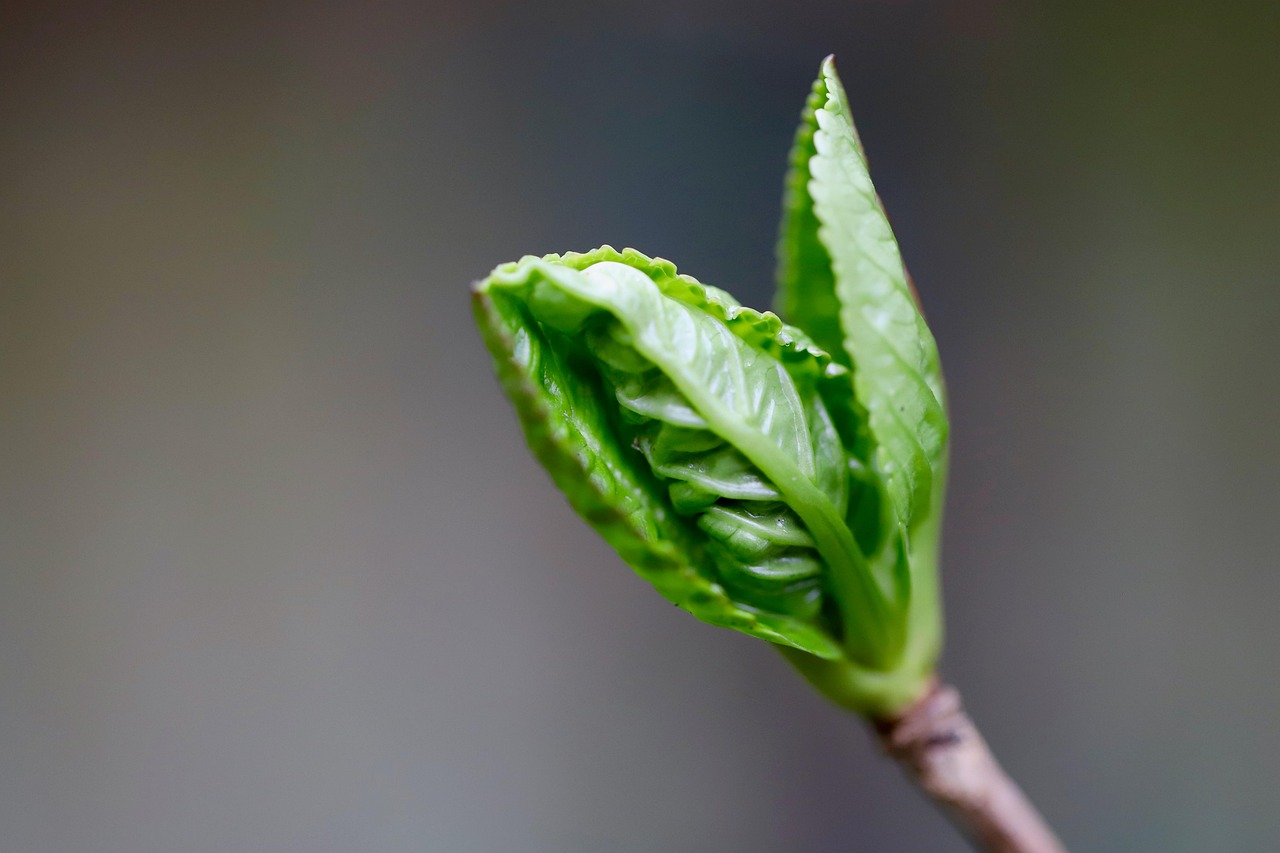
Understanding the Hydrangea Growth Timeline
Most hydrangea varieties are considered moderate to fast growers once they are firmly established in your landscape. While you may feel eager to see a full, blooming shrub, patience is essential during the initial transition period. You can generally expect a newly planted hydrangea to show significant, visible growth within its first two to three years.
Reaching full maturity—the ultimate size, height, and structural shape intended for your specific cultivar—typically takes three to five years. This timeline depends heavily on the hydrangea species, your local climate, and the quality of care provided during the establishment phase.
To support steady growth and help your hydrangea reach its potential faster, focus on these practical care habits:
- Consistent Hydration: Hydrangeas are thirsty plants. During the first two years, ensure the soil remains consistently moist but not waterlogged. Deep, weekly watering is more effective than daily shallow sprinkles.
- Strategic Mulching: Apply a two-to-three-inch layer of organic mulch, such as shredded bark or pine needles, around the base. This regulates soil temperature and retains moisture, which is critical for root development.
- Mindful Fertilization: Avoid over-fertilizing newly planted shrubs. Use a balanced, slow-release fertilizer in early spring as new growth emerges, but stop feeding by mid-summer to prevent tender growth that may be damaged by the first frost.
- Proper Pruning: Research your specific variety before cutting. Some hydrangeas bloom on “old wood” (last year’s growth) and others on “new wood.” Pruning at the wrong time can remove developing buds and set back your plant’s growth cycle by an entire year.
If your hydrangea seems to stall, check the soil drainage and sunlight exposure. Most varieties thrive in morning sun and afternoon shade. If the plant receives too much harsh midday heat, it may prioritize survival over vertical growth. By providing the right environment early on, you set the foundation for a lush, thriving shrub that will reward you for many seasons to come.
Factors That Influence Growth Speed
The speed at which your hydrangea matures depends on a complex interplay of environmental and biological factors. While some varieties are naturally vigorous, others prioritize root development or bloom production, which can influence how quickly they fill out your garden space.
The most significant variable is the specific species you have selected. For instance, Panicle hydrangeas (Hydrangea paniculata) are generally faster growers and can reach their mature height in just a few seasons. In contrast, Bigleaf hydrangeas (Hydrangea macrophylla) may take more time to establish a robust framework before they begin to grow rapidly.
Beyond genetics, your local environment dictates the pace of growth. Consider these critical factors when assessing your plant’s progress:
- Soil Quality: Hydrangeas thrive in nutrient-rich, well-draining soil. If your native soil is heavy clay or sandy, amending it with organic compost before planting provides the necessary fuel for faster root expansion.
- Sunlight Exposure: While most hydrangeas prefer morning sun and afternoon shade, placing a plant in light conditions that contradict its specific needs will cause it to struggle. A stressed plant will always grow slower than one perfectly positioned.
- Consistent Hydration: The name “hydrangea” comes from the Greek word for water. These plants require consistent moisture to transport nutrients efficiently. During the first two years, deep, regular watering is essential to help the shrub establish a strong root system.
- Mulching: Applying a two-to-three-inch layer of organic mulch around the base helps retain soil moisture and regulate temperature, creating an ideal environment for steady growth.
Finally, avoid the urge to over-fertilize in hopes of accelerating growth. Excessive nitrogen often leads to lush, weak foliage at the expense of sturdy stems and future blooms. By focusing on soil health and consistent moisture rather than chemical stimulants, you allow the plant to grow at its natural, healthy pace. With the right care, you will see your hydrangea establish itself and begin to thrive within one to three growing seasons.

Safety Tips for Planting and Maintenance
Gardening is a rewarding endeavor, but it requires consistent attention to safety to ensure your experience remains enjoyable. Before you begin digging holes for your hydrangeas or pruning established shrubs, prioritize your physical protection.
Always wear sturdy, puncture-resistant gardening gloves. Soil can be abrasive, and hidden debris or sharp tools pose a constant risk to your hands. If you are working with mature hydrangeas that have woody stems, gloves will also protect you from accidental scratches.
When operating power equipment, such as augers for preparing deep planting holes or electric trimmers for seasonal maintenance, safety gear is non-negotiable. Follow these essential protocols to prevent injury:
- Wear safety goggles: Flying mulch, wood chips, or soil particles can cause serious eye irritation or injury.
- Disconnect power sources: Always unplug electric tools or remove batteries before changing blades, clearing jams, or performing maintenance.
- Clear your workspace: Remove rocks, tangled hoses, and loose debris from your immediate area to eliminate tripping hazards before you start the engine.
- Use proper footwear: Wear closed-toe shoes or boots to protect your feet from dropped tools or accidental contact with sharp blades.
Hydrangeas often require deep, wide planting beds to establish their root systems. If you are using a power auger to dig, maintain a firm stance and keep the tool away from your body. If you feel the tool hit a hidden obstruction, such as a rock or root, stop immediately rather than forcing the equipment through the resistance.
Finally, stay mindful of your physical limits. Hydration is vital when working in the garden, especially during the warmer months when hydrangeas are in their peak growing phase. If you are performing repetitive tasks like pruning, take frequent breaks to stretch your muscles and prevent fatigue. A well-maintained garden is a safe garden, allowing you to focus entirely on the beauty of your blooming plants rather than unnecessary accidents.
Tips to Encourage Faster Development
Hydrangeas are rewarding shrubs, but they require a strong foundation to reach their full potential quickly. By prioritizing root establishment during the first year, you set the stage for faster vertical growth and more abundant blooms in subsequent seasons.
Proper planting technique is the most critical factor for early development. When preparing your site, dig a hole that is at least twice as wide as the plant’s root ball but no deeper. Planting too deeply can suffocate the roots, while a wide hole allows the surrounding soil to remain loose, making it easier for new roots to spread. Amend the native soil with high-quality organic matter, such as compost or aged manure, to improve drainage and nutrient availability.
Consistent moisture is the primary driver of rapid growth. During the first growing season, follow these watering guidelines to ensure your hydrangea thrives:
- Water deeply at least twice a week, or more frequently during extreme heat or drought.
- Direct water toward the base of the plant rather than the foliage to prevent fungal issues.
- Apply a two-to-three-inch layer of organic mulch around the base to retain soil moisture and regulate temperature.
Nutrition also plays a vital role in vigor. Applying a balanced, slow-release fertilizer in early spring provides a steady supply of nutrients throughout the growing season. Look for a formula specifically designed for shrubs, and apply it according to the package instructions, ensuring you water the area thoroughly after application to help the nutrients reach the root zone.
Finally, monitor your plants for signs of stress. While hydrangeas are resilient, they grow fastest when they are not struggling against pests or nutrient deficiencies. If you notice yellowing leaves or stunted growth, check your soil pH and moisture levels immediately. By providing these optimal conditions, you minimize the “establishment phase” and encourage your hydrangeas to reach their mature size as efficiently as possible.

Common Questions and Long-Term Care
Many gardeners are eager to see their hydrangeas bloom the moment they hit the ground. However, it is important to manage expectations: while some varieties may produce flowers in their first season, most young hydrangeas prioritize root development over bloom production. Do not be discouraged if your plant remains foliage-only for the first year; this energy redirection is vital for long-term health and structural stability.
If your hydrangea appears stunted or develops yellowing leaves, the issue is often related to soil chemistry or hydration. Hydrangeas are sensitive to their environment, and small adjustments can often resolve these symptoms quickly.
To troubleshoot common growth issues, follow these practical steps:
- Check Soil pH: Hydrangeas often struggle to absorb nutrients if the soil pH is incorrect. Use a simple home testing kit to ensure your soil is within the ideal range for your specific variety.
- Monitor Moisture: These plants require consistent moisture. If the soil feels dry an inch below the surface, increase your watering frequency, especially during hot, dry spells.
- Evaluate Drainage: While they love water, hydrangeas dislike “wet feet.” Ensure your planting site has well-draining soil to prevent root rot, which often presents as yellowing or wilting leaves.
- Assess Sunlight: If your plant is struggling, ensure it is receiving the correct balance of light. Most varieties prefer morning sun and afternoon shade to prevent leaf scorch.
If you notice persistent signs of disease—such as unusual spots on leaves, powdery mildew, or strange growths—or if you suspect a pest infestation that does not respond to basic care, do not wait for the problem to spread. Contact your local university agricultural extension office. These professionals provide region-specific guidance and can help you identify local pathogens or insect threats. Alternatively, consult a certified arborist or local nursery expert. Getting a professional diagnosis early is the most effective way to protect your plant’s long-term vitality and ensure it thrives for years to come.

Dedicated team of gardening enthusiasts with years of hands-on experience testing lawn mowers, gardening tools, and outdoor equipment. We help home gardeners and professionals alike make informed buying decisions with honest, thorough reviews. From push mowers to pruning shears, we test it all so you don’t have to. Got a gardening tool you’d like us to review? Get in touch!