
A mixed neem oil spray typically lasts for only eight hours before it begins to lose its effectiveness. You should always prepare a fresh batch for each application to ensure you are getting the full benefits of this organic treatment. Once mixed with water, the oil starts to break down quickly, rendering it useless.
Neem oil is a popular organic choice for pest and disease control, but its effectiveness depends heavily on how you store and apply it. While pure, concentrated neem oil can remain stable for up to two years when kept in a cool, dark place, diluted solutions are highly unstable and degrade rapidly upon exposure to light.
This guide explains the shelf life of mixed solutions, how long it remains active on your plants, and how to maximize its potency. By following these practical plant care tips, you will learn exactly how to mix, store, and time your applications to keep your home garden thriving and free from common pests all season long.

Shelf Life of Mixed Neem Oil Solutions
Once you mix neem oil with water and an emulsifier, the clock starts ticking. This mixture is not shelf-stable and begins to break down almost immediately through a chemical process known as hydrolysis. Because of this, you should use your prepared neem oil solution within 8 to 24 hours for maximum effectiveness.
After this short window, the active compounds—specifically azadirachtin, which acts as the primary pest deterrent—begin to degrade. As the mixture loses its potency, it becomes significantly less effective at controlling garden pests or fungal issues. Furthermore, water-based mixtures left sitting for extended periods can become a breeding ground for bacteria and mold, which may inadvertently harm your plants rather than protect them.
To ensure you are applying a safe and effective product, follow these best practices for managing your spray:
- Mix only what you need: Estimate the amount required for your specific garden area to avoid excess waste.
- Discard leftovers: If you have solution remaining after 24 hours, do not store it for later use. Pour it into a safe disposal area away from water sources or compost piles.
- Clean your sprayer: Thoroughly rinse your spray bottle with warm, soapy water after every use to prevent oily residue buildup and bacterial growth inside the nozzle or tank.
- Fresh batches only: Always start with a fresh mixture for every application session to ensure your plants receive the full benefit of the neem oil’s properties.
If you find yourself consistently having leftover spray, try measuring your garden space more accurately before mixing. Keeping a small notebook of how many ounces you typically use for your specific plants can help you maintain the perfect ratio without waste. Remember, neem oil is a biological tool; it works best when it is fresh, potent, and applied immediately after preparation. By adhering to this 24-hour rule, you ensure that your pest management routine remains both safe for your greenery and effective against invaders.
How Long Neem Oil Stays Active on Plants
Once applied to your plants, neem oil typically remains effective for 5 to 7 days. Because it functions primarily as a contact killer and an anti-feedant, it must be physically present on the leaf surface to disrupt the life cycle of pests like aphids, spider mites, and whiteflies. Once the residue degrades, the plant is no longer protected.
Several environmental factors influence how quickly the oil breaks down, often necessitating more frequent checks:
- Sunlight: Neem oil is photosensitive. UV rays accelerate the degradation process, meaning applications in direct, intense sun may lose efficacy faster than those applied during overcast conditions.
- Moisture: Rain, heavy dew, or overhead watering will wash the oil off your foliage. If you experience a downpour shortly after application, you will need to re-spray the plant to ensure continued coverage.
- New Growth: As your plant produces new leaves, these fresh surfaces remain unprotected. Regular monitoring is essential to ensure you are treating the entire plant, not just the older foliage.
To maintain a consistent barrier against infestations, plan for a weekly reapplication schedule. Always apply the solution during the cooler parts of the day—ideally early morning or late evening—to prevent the oil from burning the leaves under the hot sun. This timing also protects beneficial pollinators, such as bees, which are less active during these hours.
Before spraying your entire garden, perform a patch test on a small, inconspicuous area of the plant. Wait 24 to 48 hours to observe for any signs of leaf burn or wilting. If the plant shows no negative reaction, you can safely proceed with a full application. Always mix only what you need for a single session; neem oil begins to break down once diluted in water, so leftover spray loses its potency and should be discarded after 8 hours. By staying consistent with your schedule and monitoring environmental conditions, you can effectively manage pests while keeping your plants healthy and thriving.
Storage and Safety Best Practices
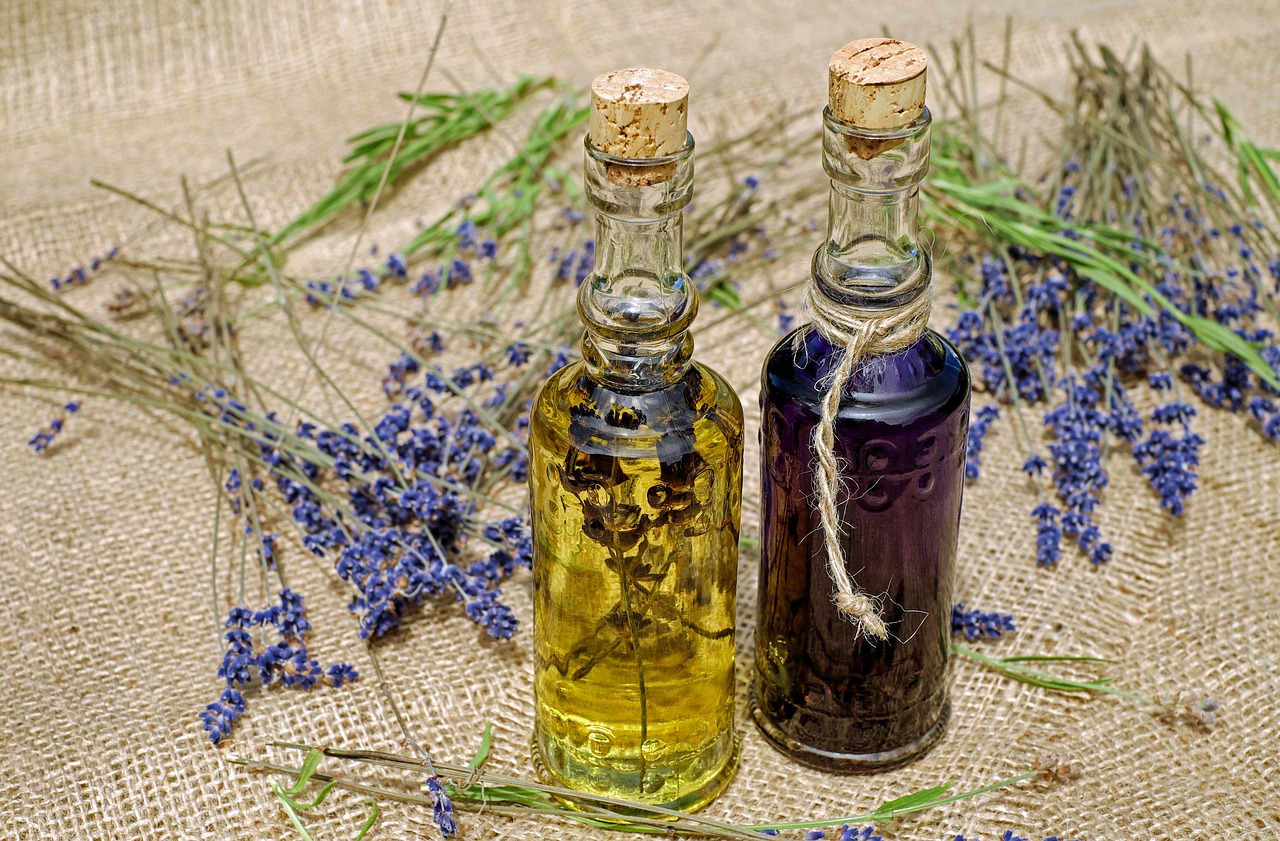
To ensure your neem oil remains effective, proper storage is essential. Neem oil is sensitive to environmental stressors, which can cause the active compounds to break down prematurely. Always store your concentrated neem oil in a cool, dark location, such as a pantry or a climate-controlled garage. Avoid areas exposed to direct sunlight or extreme temperature fluctuations, as heat can degrade the chemical integrity of the product, rendering it less effective against pests.
When preparing your spray, prioritize your personal safety. Even though neem oil is a natural product, it can cause skin and eye irritation. Follow these safety precautions every time you mix or apply your solution:
- Wear nitrile or rubber gloves to prevent direct contact with your skin.
- Use safety goggles to protect your eyes from accidental splashes or fine mist.
- Work in a well-ventilated area, preferably outdoors, to avoid inhaling concentrated vapors.
- Keep the product securely out of reach of children and pets.
Timing your application is just as important as safe handling. Never apply neem oil during the heat of the day when the sun is at its strongest. Applying the oil under intense sunlight can cause the droplets to act like tiny magnifying glasses on your foliage, leading to significant leaf burn. Instead, aim to treat your plants during the early morning or late evening when temperatures are cooler and the sun is low.
Once you have mixed your neem oil with water and emulsifier, it becomes unstable. Because the oil begins to break down once diluted, you should use the mixture within eight hours of preparation. Do not attempt to store pre-mixed spray for future use, as it will lose its potency and may clog your spray nozzle. By mixing only what you need for a single application, you ensure that you are always providing your plants with the most effective treatment possible while minimizing waste.
Factors That Reduce Effectiveness
While neem oil is a powerful tool for organic pest management, its effectiveness is not permanent. Once applied, several environmental variables begin to degrade the active compound, azadirachtin, significantly shortening the window of protection for your plants.
The most significant factor is ultraviolet (UV) radiation. Sunlight acts as a catalyst for the chemical breakdown of neem oil. When exposed to direct, intense sun, the potency of the spray can diminish in as little as 24 to 48 hours. To maximize your results, always apply neem oil during the early morning or late evening when UV intensity is at its lowest. This allows the solution to dry and adhere to the foliage without immediate degradation.
Weather conditions also play a critical role in how long your application lasts. Consider these environmental impacts:
- Rainfall: Even a light shower can wash the neem oil off the leaves before it is fully absorbed or has time to disrupt the pests’ life cycles. If rain is in the forecast within 24 hours of your planned application, it is best to postpone.
- Humidity: High humidity levels can prevent the oil from drying properly on the leaf surface. If the solution remains wet for too long, it may become less effective or even lead to fungal issues if the plant remains damp for extended periods.
- Temperature: Extreme heat can cause the oil to evaporate too quickly, leaving behind a residue that may not be sufficient to deter pests. Aim to spray when temperatures are between 60°F and 85°F.
To ensure you are getting the most out of your efforts, always check your local weather forecast before heading into the garden. If you experience heavy rain shortly after spraying, you will likely need to reapply the solution once the foliage has dried to maintain a consistent barrier against insects. Consistency is key; monitoring your plants daily will help you determine exactly when the environmental conditions have rendered your previous application ineffective.

Common Questions and Follow Up Care
If you have applied neem oil according to the recommended schedule and your plants are still struggling, it is time to reassess your approach. Persistent issues often indicate that the initial pest or fungal problem has evolved, or that a secondary infestation has taken hold while the plant was weakened.
Before escalating your treatment, follow these practical diagnostic steps:
- Check for secondary pests: Neem oil is effective against many soft-bodied insects, but it may not eliminate hardy pests like scale or spider mites if the infestation is severe. Inspect the undersides of leaves and along the stems for new activity.
- Verify environmental factors: Ensure your plant is receiving the correct amount of light, water, and airflow. Sometimes, what appears to be a pest issue is actually stress caused by improper growing conditions.
- Perform a patch test: Before applying a new concentration or a different product, always spray a small, inconspicuous area of the plant. Wait 24 to 48 hours to check for signs of phytotoxicity, such as leaf burn or yellowing.
If the plant continues to decline despite your efforts, avoid the temptation to over-apply treatments. Applying neem oil too frequently or at too high a concentration can clog leaf pores and cause more damage than the pests themselves. If you observe signs of systemic disease—such as wilting despite moist soil, unusual spotting, or stunted growth—it is best to seek expert advice.
For complex cases, contact your local university cooperative extension office. These organizations provide science-based guidance tailored to your specific region and climate. Alternatively, consult a certified arborist if the issue involves a tree or large shrub. They can provide a professional diagnosis and suggest integrated pest management strategies that go beyond simple topical sprays. Remember, the goal is to support the plant’s long-term health rather than relying on a single, repetitive chemical solution.

Dedicated team of gardening enthusiasts with years of hands-on experience testing lawn mowers, gardening tools, and outdoor equipment. We help home gardeners and professionals alike make informed buying decisions with honest, thorough reviews. From push mowers to pruning shears, we test it all so you don’t have to. Got a gardening tool you’d like us to review? Get in touch!