
It typically takes anywhere from a few days to a few weeks to attract hummingbirds to a new garden. While some birds may discover your feeders almost immediately, it often takes time for them to establish your yard as a reliable and safe food source within their regular foraging territory.
Patience is essential because these birds are creatures of habit who follow established flight paths. You must create a welcoming environment by providing high-quality nectar, fresh water, and protective cover. Consistent maintenance of your outdoor space and power equipment ensures your garden remains an inviting sanctuary that encourages them to stay longer.
This guide explains the exact timeline for attracting these birds, the essential elements required to make your garden a preferred stop, and how to maintain a welcoming environment throughout the season. From selecting the right hand tools for planting to long-term lawn care, we provide the practical steps needed for hummingbird success.
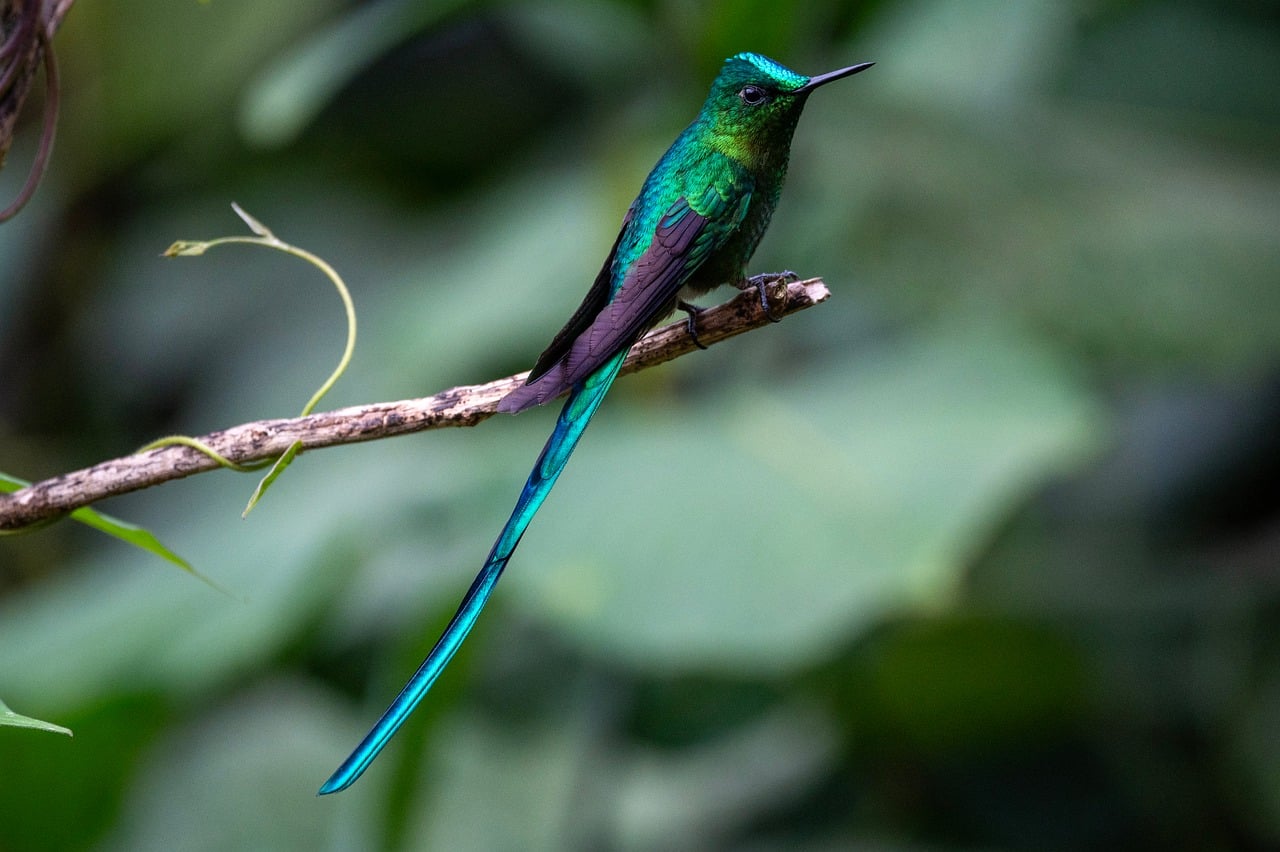
Understanding the Hummingbird Attraction Timeline
Attracting hummingbirds is not instantaneous, but it can happen remarkably fast if your garden provides the right resources. In ideal conditions, you may see your first visitor within a few days of setting up a feeder or planting nectar-rich flowers. However, if your yard is not currently on a migratory path or lacks established food sources, it may take a few weeks for local birds to discover and accept your garden as a reliable feeding territory.
To speed up this timeline, your garden maintenance routine plays a critical role. Hummingbirds are highly visual creatures that scout for bright colors and reliable food sources. If your yard currently lacks these, you must create a welcoming environment through strategic landscaping and consistent upkeep.
Use these practical steps to make your garden more appealing:
- Prioritize Nectar-Rich Plants: Use hand tools like a sturdy trowel or transplanter to add native perennials such as bee balm, salvia, or columbine. These plants provide a more natural and sustainable food source than feeders alone.
- Simplify Lawn Care: Reduce the use of pesticides and herbicides. Hummingbirds rely on small insects and spiders for protein, especially during nesting season. A healthy, chemical-free ecosystem provides this essential nutrition.
- Maintain Clean Feeders: If you use feeders, cleanliness is non-negotiable. Use a long-handled bottle brush to scrub away mold or fermented sugar residue. Dirty feeders can harbor bacteria, which will deter birds and pose a health risk.
- Provide Water Features: Hummingbirds are attracted to the sound of moving water. A simple mister or a shallow birdbath with a fountain attachment can act as a beacon for passing birds.
- Use Power Equipment Wisely: When using outdoor power equipment like string trimmers or leaf blowers, avoid disturbing areas where you have planted nectar sources. Keep your gardening activities focused on the edges of the yard to avoid scaring off early scouts.
Patience is your most important tool. Once a hummingbird identifies your garden as a safe, high-energy pitstop, they are likely to return year after year. By keeping your feeders fresh and your flower beds well-tended, you transform your outdoor space from a mere backyard into a vital link in their migratory journey. Consistent effort during the first few weeks is the best investment you can make for a season full of visits.
Essential Garden Features for Hummingbirds
Attracting hummingbirds to your yard requires more than just patience; it demands a landscape designed for their specific biological needs. These birds are driven by a constant search for high-energy food sources and a secure environment. By intentionally curating your garden space, you can significantly reduce the time it takes for them to discover your property.
The most immediate way to draw them in is through supplemental feeding. Install a high-quality nectar feeder and fill it with a simple mixture of one part white granulated sugar to four parts water. Avoid using red dye or honey, as these can be harmful. Keep the feeder scrupulously clean by washing it with hot water and a bottle brush at least twice a week to prevent mold growth, which is fatal to hummingbirds.
Beyond feeders, your choice of vegetation acts as a long-term beacon. Hummingbirds have evolved to forage from specific floral structures. To create a reliable food supply, integrate these native plants into your garden:
- Salvia: Offers long-lasting blooms that provide consistent nectar.
- Bee Balm (Monarda): A favorite for its tubular shape and vibrant color.
- Trumpet Vine: A vigorous climber that provides a high-volume nectar source.
- Columbine: Excellent for early-season feeding when other flowers may not be active.
Safety and hydration are equally critical. Hummingbirds are susceptible to predators and require a secure place to preen and bathe. A shallow water source is essential, but it must be moving to catch their eye. A misting birdbath or a fountain with a gentle trickle is far more effective than a stagnant birdbath. The sound and movement of water act as a powerful signal that your garden is a hospitable oasis.
Finally, avoid the use of pesticides and herbicides within your garden beds. Hummingbirds rely on small insects and spiders for protein, especially during nesting season. By maintaining a chemical-free environment, you provide a natural, healthy food source that keeps birds returning year after year. Focus on creating these layers of nutrition and safety, and you will find that your garden quickly transforms into a reliable stop on their migratory path.
Safety and Maintenance for Garden Equipment
Creating a hummingbird-friendly habitat often requires light landscaping, such as trimming overgrown foliage to improve visibility or installing sturdy hooks for nectar feeders. Whether you are using manual hand tools or outdoor power equipment, prioritizing safety ensures your gardening projects remain enjoyable and injury-free.
When working with garden maintenance equipment, follow these essential safety practices:
- Wear Protective Gear: Always use impact-resistant safety glasses when operating power trimmers, hedge shears, or saws. Flying debris, such as wood chips or plant stalks, can cause serious eye injuries in a split second.
- Stabilize Your Equipment: If you are using a ladder to hang feeders or prune high branches, ensure it is placed on firm, level ground. Never overreach to reach a spot; instead, climb down and reposition the ladder to keep your center of gravity balanced.
- Maintain Your Tools: Keep blades on pruners and loppers sharp. Dull tools require more physical force, which increases the risk of slipping and causing accidental cuts.
- Manage Electrical Safety: If your garden setup includes water features or heated birdbaths, confirm that all electrical cords are rated specifically for outdoor use. Always plug these items into a Ground Fault Circuit Interrupter (GFCI) outlet to prevent electrical shock in damp environments.
Proper maintenance of your tools also extends their lifespan and keeps your garden tidy. After each use, wipe down metal blades with a light coat of oil to prevent rust, and store all power equipment in a dry, secure location. This keeps sharp edges away from curious hands and protects your investment from the elements.
Finally, be mindful of chemical safety. Hummingbird feeders must be cleaned regularly to prevent the growth of harmful mold or bacteria. Always store cleaning solutions, such as diluted vinegar or mild soap, in their original, labeled containers. Keep these substances strictly out of reach of children and pets, as concentrated cleaning agents can be toxic if ingested. By keeping your tools in good working order and your work area organized, you create a safer environment for yourself and the birds you hope to attract.
Optimizing Your Garden for Long-Term Visits
Attracting hummingbirds is only the first step; keeping them requires a commitment to consistent maintenance. Hummingbirds are creatures of habit with excellent memories, and they will return to your garden year after year if they recognize it as a reliable, safe food source.
The foundation of a welcoming habitat is impeccable hygiene at your feeding stations. Stagnant sugar water or moldy feeder ports can be fatal to hummingbirds. To maintain a safe environment, follow these maintenance practices:
- Clean feeders at least twice a week, or daily during extreme heat, using a solution of one part white vinegar to four parts hot water.
- Use a long-handled bottle brush to scrub the interior of the reservoir and the feeding ports to remove hidden biofilm.
- Ensure the feeder is completely dry before refilling to prevent immediate bacterial growth.
- Replace the sugar water solution immediately if it becomes cloudy or shows signs of fermentation.
Beyond feeders, your broader garden maintenance strategy significantly impacts hummingbird health. Because hummingbirds rely on small insects—such as gnats, spiders, and fruit flies—to meet their protein requirements, a chemical-free environment is essential. Avoid using broad-spectrum pesticides or insecticides, as these chemicals can decimate the insect population your birds depend on. Furthermore, chemical sprays can linger on nectar-bearing flowers, poisoning the birds as they feed.
Instead of relying on chemical interventions for lawn and garden care, focus on mechanical and cultural methods. Use hand tools like weeding hoes or cultivators to manage unwanted plants, and prioritize native plantings that naturally resist local pests. By maintaining a healthy, balanced ecosystem, you provide a chemical-free foraging ground that hummingbirds feel safe visiting repeatedly.
Finally, consider the structural needs of your garden. Hummingbirds require sheltered areas to rest and hide from predators. Use pruning shears to selectively trim shrubs, creating “perching” branches that are clear of dense foliage but offer protection from the wind. Avoid aggressive, heavy-handed pruning during nesting season, which typically runs from early spring through mid-summer. By keeping your garden tools sharp and your maintenance schedule consistent, you create a predictable, toxin-free sanctuary. When you provide a reliable food source and a safe environment, hummingbirds will integrate your garden into their regular migration and nesting routes, ensuring they return season after season.

Common Questions and Troubleshooting
If you have waited several weeks without success, it is time to evaluate your location and food quality. Hummingbirds are highly sensitive to their environment; if your feeder is in direct, harsh sun, the sugar water can ferment quickly, becoming unappealing or even dangerous to the birds. Ensure your feeder is placed in a spot that offers a mix of morning sun and afternoon shade, and always verify that your sugar-water ratio is exactly four parts water to one part white granulated sugar. Avoid using honey, brown sugar, or artificial sweeteners, as these can cause fatal health issues.
When performing routine garden maintenance, be mindful of how your equipment impacts local wildlife. If you are using power tools—such as string trimmers, brush cutters, or hedge trimmers—to clear overgrowth or install new garden structures, you must always double-check for active nests before beginning work. Hummingbird nests are incredibly small, often camouflaged with lichen, and can easily be overlooked during heavy landscaping tasks.
To keep your garden hummingbird-friendly while managing your property, follow these practical safety guidelines:
- Perform manual checks: Before starting any outdoor power equipment, walk the perimeter of your work area to inspect shrubs and low-hanging branches for signs of nesting activity.
- Use hand tools for precision: When working near potential nesting sites, opt for manual hand tools like bypass pruners or folding saws. These give you better control and allow you to stop immediately if you spot a bird.
- Maintain clean equipment: Keep your garden tools sharp and clean. Dull blades can tear plant tissue, which may attract pests or cause disease in the very plants hummingbirds rely on for nectar.
- Minimize noise: If you notice hummingbirds frequently visiting a specific area, try to schedule your lawn care or heavy landscaping for times when the birds are less active, such as late morning.
Finally, if you discover an injured bird during your garden maintenance, do not attempt to handle or treat it yourself. Hummingbirds are fragile and have extremely high metabolisms. Instead, keep the bird in a quiet, dark, and ventilated container, and contact a local wildlife rehabilitator immediately for professional guidance. Providing a safe, undisturbed habitat is the most effective way to ensure these birds return to your garden season after season.