
Most hydrangea varieties bloom for approximately four to eight weeks during the summer months. While this duration depends heavily on your specific plant type and local climate, many gardeners wonder how long their hydrangeas will provide color throughout the year. Understanding these natural timelines helps you manage expectations for your vibrant garden displays.
Keep in mind that environmental factors play a significant role in how long your flowers stay fresh and colorful. Extreme heat, inconsistent watering, or insufficient sunlight can cause blooms to fade or brown prematurely. Providing consistent care and choosing the right location for your shrubs are essential steps for maximizing your plant’s seasonal performance.
This guide explains the typical blooming duration for popular hydrangea varieties and the environmental factors that influence your garden’s aesthetic. We will cover practical plant care tips, including strategic pruning and soil management, to help you extend the life of your blossoms. Follow these expert recommendations to enjoy beautiful, long-lasting hydrangea flowers every single season.
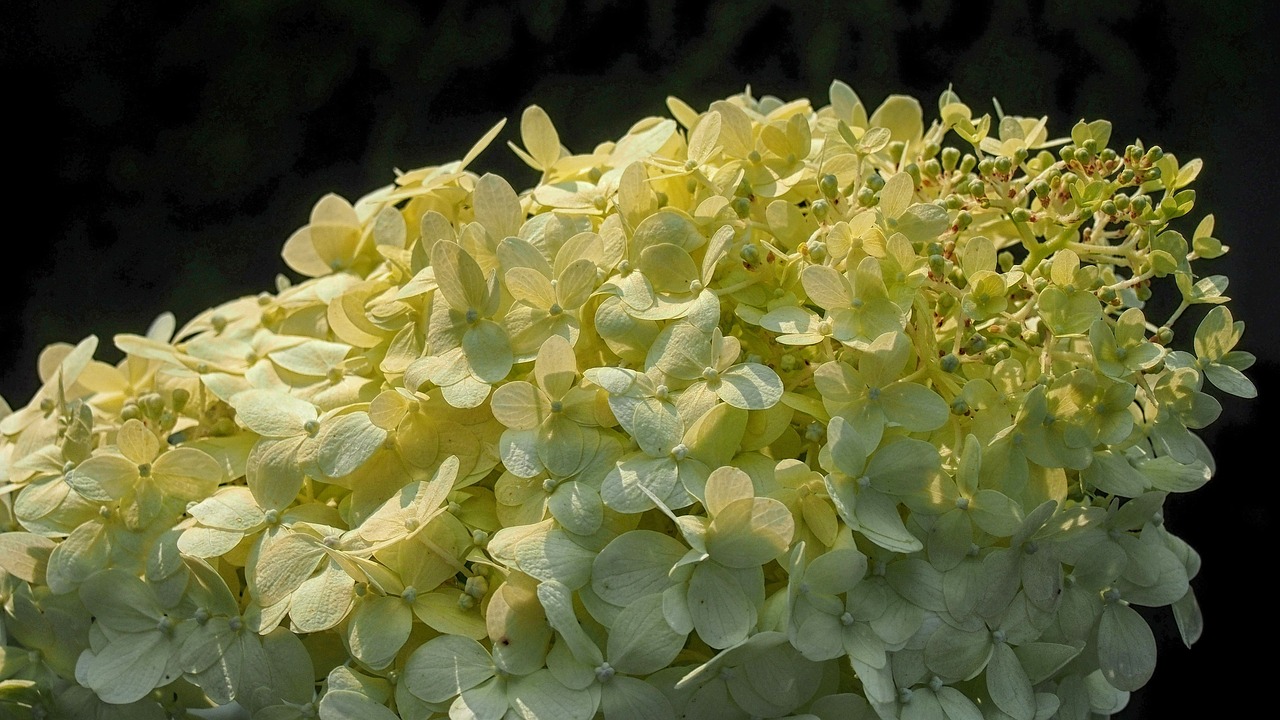
Typical Blooming Duration for Hydrangeas
Most hydrangea varieties offer a vibrant display lasting between 4 and 8 weeks. While the exact timeline depends on your local climate and the specific cultivar, these shrubs generally begin their floral show in late spring, with many reaching peak intensity throughout mid-summer.
The duration of your hydrangea’s bloom is largely determined by its genetic variety. Traditional mophead and lacecap hydrangeas typically bloom once per season, providing a concentrated burst of color. In contrast, modern reblooming varieties—such as the “Endless Summer” series—are bred to produce multiple flushes of flowers. These types can continue to push out new blooms from early summer straight through until the first frost, provided they receive proper care.
Several environmental factors influence how long those blossoms persist on the stem:
- Hydration levels: Hydrangeas are notoriously thirsty. Consistent soil moisture is essential; if the plant undergoes severe drought stress, blooms will wilt and fade prematurely.
- Sun exposure: While most hydrangeas appreciate morning sun, excessive afternoon heat can scorch delicate petals, shortening their lifespan. Providing afternoon shade helps extend the beauty of the flowers.
- Temperature fluctuations: Extremely high temperatures can accelerate the aging process of the blooms, causing them to turn papery or brown faster than they would in cooler, temperate weather.
- Deadheading: For non-reblooming varieties, removing spent flowers can improve the plant’s appearance, though it will not trigger a second flush. For rebloomers, light pruning after a flower fades may encourage the plant to divert energy toward new growth and subsequent blooms.
To maximize your hydrangea’s display, maintain a layer of organic mulch around the base of the plant. This practice stabilizes soil temperature and retains moisture, creating the ideal conditions for the shrub to sustain its blossoms for the longest possible duration. By monitoring water needs during the hottest weeks of the year, you ensure your garden remains colorful well into the late summer months.
Factors That Influence Bloom Time
Several environmental variables dictate how long your hydrangeas stay in bloom. While these shrubs are generally hardy, their flowering duration is highly sensitive to the conditions of their immediate surroundings. Understanding these factors allows you to adjust your care routine to extend the floral display throughout the season.
Sunlight exposure is perhaps the most critical factor. Most hydrangeas thrive in locations that receive gentle morning sun followed by dappled afternoon shade. If your plants are exposed to intense, direct afternoon heat, the blooms are likely to wilt or fade prematurely. If you notice your flowers browning at the edges during peak summer, consider installing a temporary shade cloth or moving the container to a cooler, more sheltered spot.
Consistent soil moisture is equally vital for longevity. Hydrangeas are notoriously thirsty plants, and drought stress is a primary reason for early flower drop. When the plant senses a lack of water, it prioritizes survival over aesthetics, forcing it to shed its blooms to conserve energy. To maintain healthy, long-lasting flowers, focus on these practical watering habits:
- Check soil moisture daily: During hot spells, stick your finger two inches into the soil. If it feels dry, it is time to water.
- Water at the base: Direct water toward the root zone rather than overhead. Wetting the blooms can encourage fungal issues and cause the petals to collapse.
- Apply mulch: A two-to-three-inch layer of organic mulch, such as shredded bark or compost, helps retain soil moisture and keeps the root system cool.
Finally, soil pH and nutrient availability play a supporting role. While pH primarily affects color, a plant that is nutrient-deficient may lack the vigor to sustain a long bloom cycle. Providing a balanced, slow-release fertilizer in early spring can give your hydrangeas the foundational strength needed to hold their blossoms longer. By balancing sunlight, moisture, and nutrition, you can significantly increase the time you spend enjoying your flowers each year.
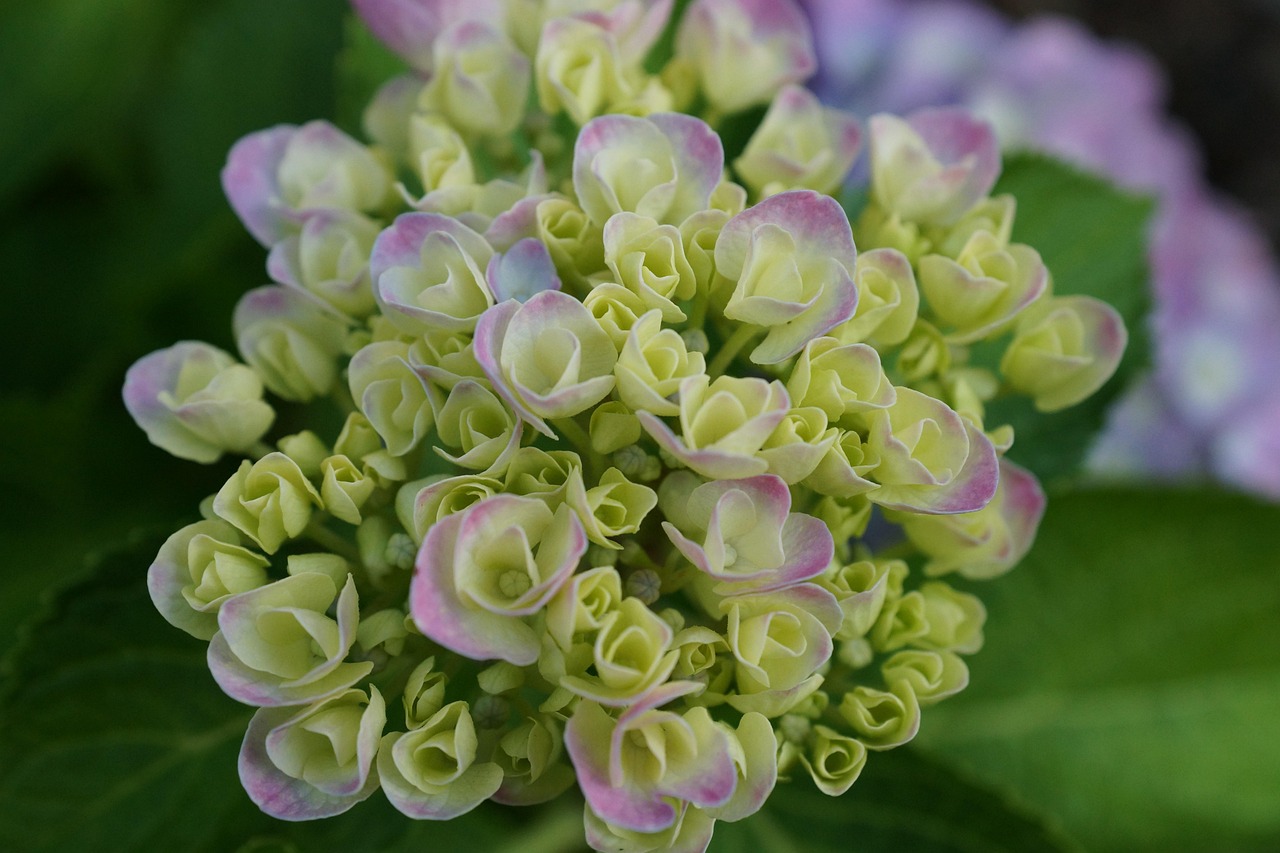
Pruning Safely to Protect Next Year Blooms
Pruning is the most critical factor in determining whether your hydrangea will bloom next season. Because many varieties set their flower buds on “old wood”—the growth from the previous year—timing is everything. If you prune at the wrong moment, you risk accidentally removing the buds that would have become next summer’s flowers.
To ensure a successful bloom cycle, follow these safety and maintenance protocols:
- Use the right tools: Always use sharp, sterilized bypass pruners. Dull blades crush stems rather than slicing through them, which invites disease and slows the healing process. Wipe your blades with rubbing alcohol before moving between different plants.
- Prioritize control: Never use power tools or hedge trimmers for hydrangea maintenance. These tools lack the precision required for selective pruning and often cause jagged, uneven cuts that damage the plant’s structural integrity.
- Protect yourself: Woody hydrangea stems can be surprisingly tough or abrasive. Wear heavy-duty gardening gloves to protect your hands from rough bark, hidden thorns, or sharp debris while you navigate the interior of the shrub.
When you are ready to prune, start by removing only dead, damaged, or diseased wood. This can be done at any time of year without compromising future blooms. If you need to shape the plant, wait until immediately after the current flowers fade. This gives the shrub enough time to develop new growth and set buds for the following year before the plant enters dormancy.
If you are unsure whether your specific variety blooms on old or new wood, observe the plant for one full season. Identifying the bloom cycle is the best way to avoid unnecessary pruning errors. When in doubt, it is safer to prune less than to prune too much. A conservative approach ensures that you provide the plant with the energy it needs to produce a consistent, healthy display of flowers year after year.
Extending the Life of Your Hydrangea Flowers
Maximizing the duration of your hydrangea blooms requires consistent attention to their hydration needs. Because these shrubs have significant leaf surface area, they lose water rapidly on hot days. To keep flowers fresh for as long as possible, focus on deep, consistent watering directly at the base of the plant. Avoid overhead watering, which can encourage fungal diseases and cause delicate petals to brown prematurely.
Applying a two-to-three-inch layer of organic mulch, such as shredded bark or pine needles, is one of the most effective ways to support your hydrangeas. This layer acts as an insulator, keeping the root zone cool during peak summer heat and preventing the soil from drying out too quickly. Consistent soil moisture is the primary factor in preventing the “wilting” look that often cuts a bloom cycle short.
If you notice individual florets beginning to fade or brown, you can improve the aesthetic of the shrub through deadheading. However, approach this task with caution to avoid sacrificing next year’s flowers:
- Identify the variety: Check if your plant is a “rebloomer” (like many Hydrangea macrophylla cultivars) or a variety that blooms only on “old wood.”
- Snip carefully: For rebloomers, cut the spent flower stem back to the first or second set of healthy leaves. This encourages the plant to redirect energy into producing new buds.
- Avoid deep cuts: If your hydrangea blooms on old wood, only remove the faded flower head itself. Cutting too far down the stem will remove the dormant buds that are intended to bloom the following season.
By maintaining steady soil moisture and practicing strategic pruning, you can ensure your hydrangeas remain a vibrant focal point in your landscape for weeks longer than they would under stress. Always monitor the soil daily during extreme heat waves, as a single day of severe drought can cause the current season’s blooms to collapse permanently.
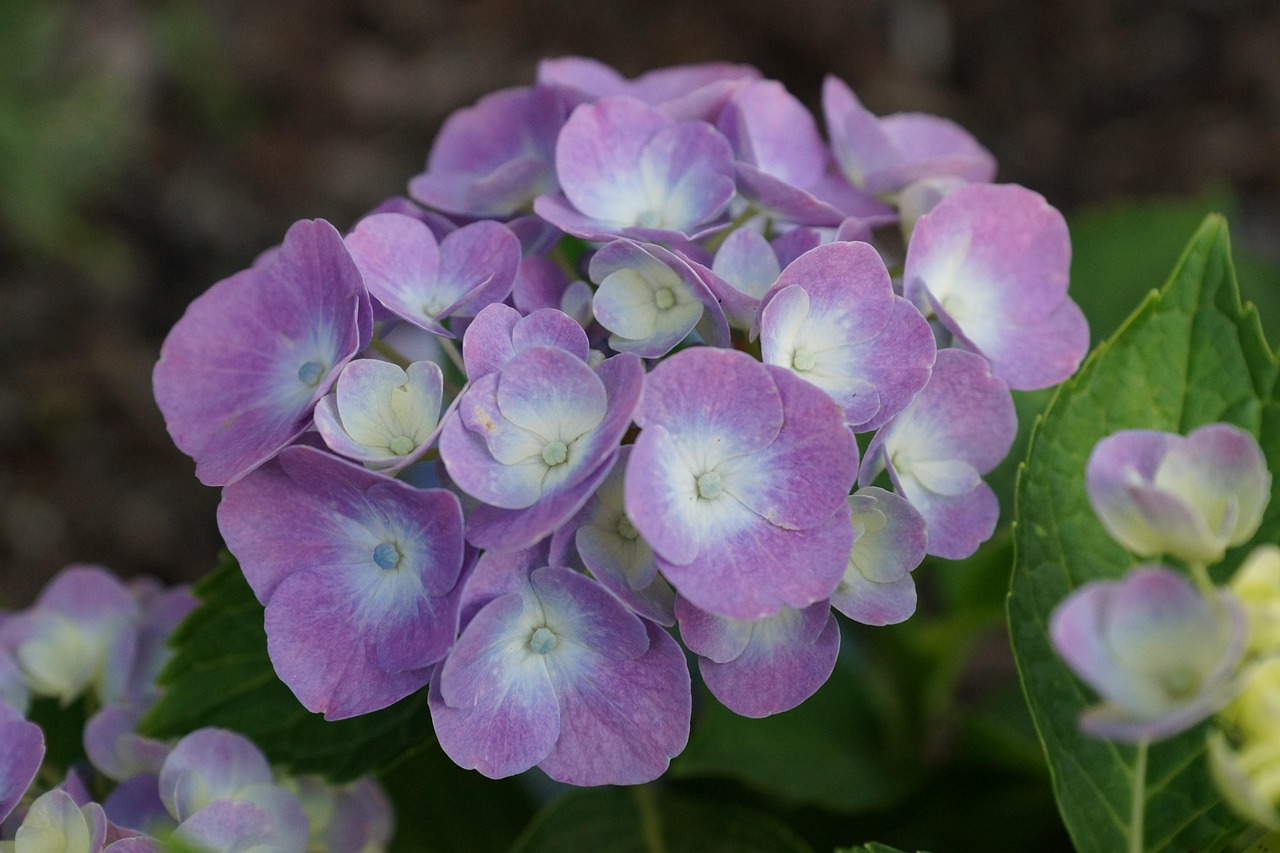
Common Questions and Troubleshooting
If your hydrangeas are producing lush foliage but failing to bloom, the issue is often related to timing or environmental stress. Many gardeners accidentally prune away next year’s flower buds by trimming their shrubs at the wrong time of year. For most varieties, you should prune immediately after the flowers fade in summer. If you wait until late autumn or winter, you risk removing the buds that have already set for the following spring.
Weather patterns also play a significant role. A sudden late spring frost can kill developing buds, especially on older wood varieties. If you live in an area with unpredictable spring temperatures, consider protecting your shrubs with burlap or frost cloth when cold snaps are forecasted.
Another common culprit is soil nutrition. While it is tempting to feed your plants heavily, too much nitrogen-rich fertilizer will encourage rapid leaf and stem growth at the expense of flower production. If your plant is healthy but barren, try switching to a balanced fertilizer specifically formulated for flowering shrubs or a bloom-booster with a higher phosphorus content.
If you suspect your plant is struggling with pests or disease, look for these common indicators:
- Discolored leaves: Yellowing or brown spots can signal fungal issues or nutrient deficiencies.
- Wilting despite moisture: This may indicate root rot or pest damage to the root system.
- Visible insects: Check the undersides of leaves for aphids, mites, or scale.
If you cannot pinpoint the cause, reach out to your local university extension office. These organizations provide expert, region-specific guidance and can often help you identify local pathogens or soil imbalances that are unique to your area. Taking a small sample of the affected foliage or a soil test to your local extension agent is a proactive step toward restoring your hydrangea’s bloom cycle. With minor adjustments to your care routine, you can usually encourage your shrubs to return to their full, flowering potential by the next season.

Dedicated team of gardening enthusiasts with years of hands-on experience testing lawn mowers, gardening tools, and outdoor equipment. We help home gardeners and professionals alike make informed buying decisions with honest, thorough reviews. From push mowers to pruning shears, we test it all so you don’t have to. Got a gardening tool you’d like us to review? Get in touch!