
Hydrangeas typically grow between three and fifteen feet tall, depending entirely on the specific variety and your local climate. Understanding the mature size of your hydrangea is essential for successful garden planning. By identifying your plant’s potential reach early, you can ensure it has enough space to thrive without overwhelming your existing landscape design.
Whether you are looking for a compact shrub for a container or a dramatic focal point for your garden, knowing the growth habits of different species helps you choose the right spot. Many popular cultivars require significant room to spread, while newer dwarf varieties are specifically bred to remain small and manageable in tight spaces.
In this guide, we provide practical advice on selecting the perfect hydrangea for your unique yard. You will learn how to interpret plant labels, manage growth through strategic pruning, and provide the essential care needed to keep your shrubs healthy. Follow these expert tips to create a vibrant, well-balanced garden that flourishes year after year.
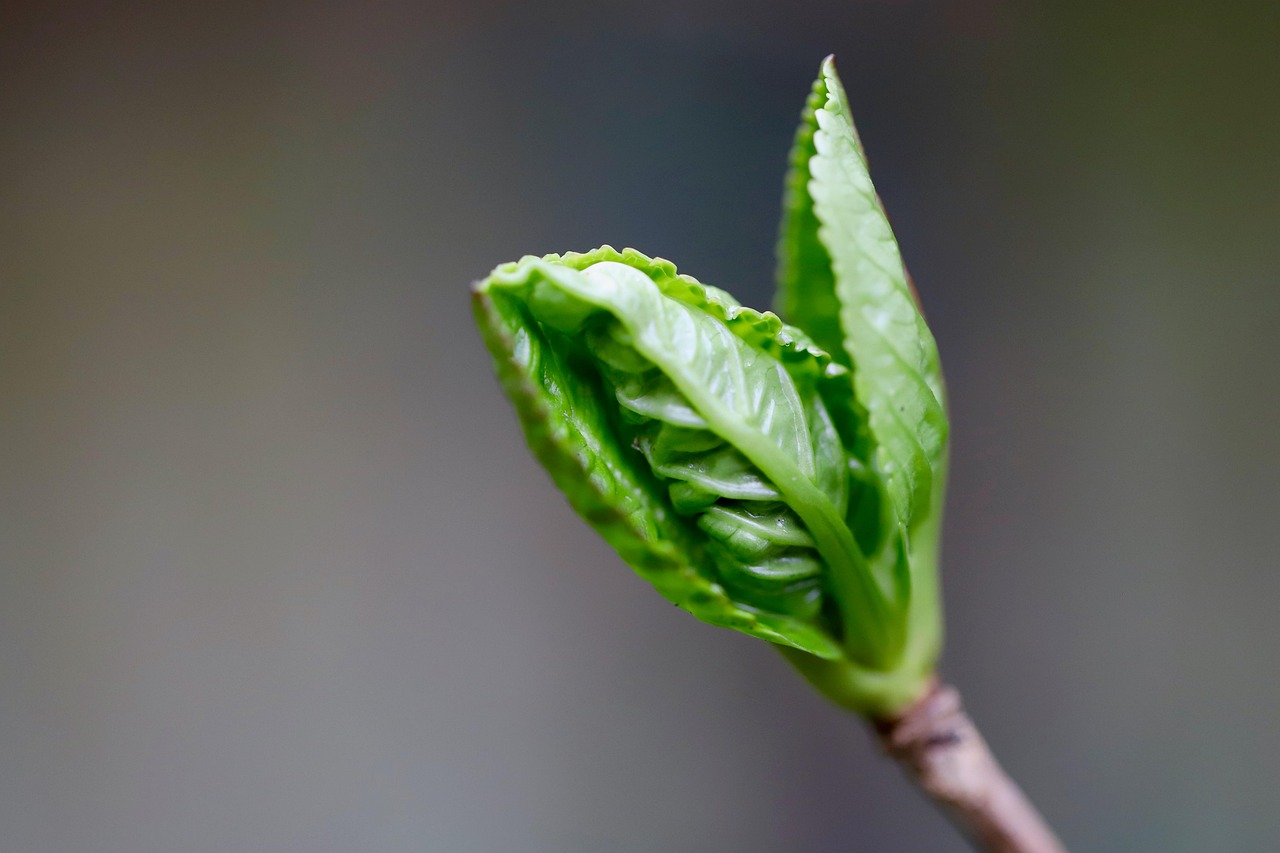
Understanding Hydrangea Growth Habits
Hydrangeas are incredibly diverse, and their mature size depends almost entirely on their specific species and cultivar. Before planting, it is essential to research the variety you have chosen, as some are bred for container gardening while others require significant landscape space.
At the compact end of the spectrum, dwarf varieties often stay under three feet tall and wide, making them ideal for small garden beds or decorative pots. Conversely, traditional mophead or panicle hydrangeas can easily reach five to eight feet. If you are considering climbing hydrangeas, be prepared for substantial growth; these vigorous vining plants can scale walls or trellises, reaching heights of 15 feet or more when given proper support.
While genetics dictate the potential maximum size, your local environment acts as the primary catalyst for growth. To ensure your hydrangea reaches its full, healthy potential, focus on these three environmental factors:
- Soil Quality: Hydrangeas thrive in rich, well-draining soil amended with organic matter. Poor or compacted soil can stunt growth and limit the plant’s ability to take up nutrients.
- Sunlight Exposure: Most hydrangeas prefer morning sun and afternoon shade. Too much intense, direct sun can scorch leaves and dehydrate the plant, while too little light may result in leggy, weak stems with fewer blooms.
- Consistent Moisture: These plants are notoriously thirsty. Consistent hydration is critical, especially during the first two years of establishment. If the soil dries out completely, the plant will prioritize survival over growth, often leading to stunted development.
Pruning also plays a significant role in managing size. However, timing is vital. Pruning at the wrong time of year can inadvertently remove the buds for the following season. Always identify whether your hydrangea blooms on “old wood” (last year’s growth) or “new wood” (growth from the current season) before reaching for your shears. By matching the right plant to your available space and providing consistent care, you can enjoy a hydrangea that fits perfectly into your landscape design.
Common Hydrangea Species and Their Typical Sizes
Understanding the mature size of your hydrangea is essential for proper placement in your landscape. Because different species have vastly different growth habits, choosing the right spot ensures your plant has enough room to thrive without overcrowding nearby shrubs or structures.
Here is a breakdown of the typical height and width ranges for the most popular hydrangea species:
- Bigleaf Hydrangeas (Hydrangea macrophylla): These popular shrubs typically reach between 3 and 6 feet in height. They are ideal for foundation plantings or containers, provided you select a compact cultivar.
- Panicle Hydrangeas (Hydrangea paniculata): Known for their impressive size, these are often the largest in the garden. If left unpruned, they can grow into substantial shrubs or small trees reaching 10 to 15 feet tall.
- Smooth Hydrangeas (Hydrangea arborescens): These reliable bloomers generally maintain a manageable size, typically staying between 3 and 5 feet. They are excellent for mass plantings where a uniform, mid-sized look is desired.
- Oakleaf Hydrangeas (Hydrangea quercifolia): Featuring distinct, lobed foliage, these plants usually top out at around 6 to 8 feet. Their architectural shape makes them a great focal point in larger garden beds.
Keep in mind that these dimensions are general averages. Within each species, plant breeders have developed specific cultivars—often labeled as “dwarf” or “compact”—that stay significantly smaller than the species type. For example, some dwarf panicle hydrangeas may only reach 3 feet, while standard varieties grow much larger.
Before you dig, always check the specific plant tag or the nursery description for the cultivar’s expected mature dimensions. This simple step prevents the common mistake of planting a shrub too close to a walkway or window, saving you from constant, heavy pruning in the future. Providing adequate space from the start allows the plant to develop its natural, healthy form without the stress of being crowded.

Factors That Influence Mature Plant Size
While a hydrangea’s genetic blueprint sets its maximum potential, environmental conditions ultimately determine whether it reaches that size. Understanding these variables allows you to manage your shrub’s growth effectively and ensure it thrives in your landscape.
Soil quality is the primary foundation for growth. Hydrangeas are heavy feeders that require nutrient-rich, well-draining soil to support vigorous stem and foliage development. In compacted or nutrient-poor earth, the plant will struggle to establish a robust root system, often resulting in a stunted, smaller specimen. Amending your planting site with organic compost before installation provides the essential fuel needed for the shrub to reach its full height.
Water availability is equally critical. Hydrangeas are notoriously thirsty plants; consistent moisture is required to transport nutrients and maintain turgor pressure in the stems. Plants subjected to frequent drought stress will prioritize survival over expansion, leading to reduced growth rates. To encourage optimal sizing, maintain a consistent watering schedule, especially during the heat of midsummer.
Beyond natural conditions, your maintenance routine significantly influences the final dimensions of the plant. Pruning is the most direct tool you have to dictate height and width. Consider these practical maintenance factors:
- Pruning Timing: Pruning at the wrong time—such as cutting back old-wood bloomers in the spring—can remove developing buds and stunt the plant’s overall aesthetic density.
- Structural Pruning: Removing dead, damaged, or crossing branches encourages the plant to direct energy toward healthy, outward growth.
- Hard Pruning: Intentionally cutting back certain varieties, like Hydrangea paniculata, can keep a naturally large shrub within a specific, smaller footprint.
Finally, your local climate plays a silent role. Hydrangeas grown in their ideal hardiness zone will naturally reach their mature size more reliably than those planted in marginal climates where winter dieback forces the plant to regrow from the base each spring. By balancing soil health, hydration, and strategic pruning, you can successfully guide your hydrangea to the size that best fits your garden design.
Safety Tips for Pruning and Maintenance
Pruning your hydrangeas is essential for managing their size and encouraging healthy blooms, but it requires the right approach to keep both you and your plants safe. Before you start, ensure you have the proper protective gear. Sturdy, thick gardening gloves are non-negotiable; they shield your hands from rough stems, hidden thorns, and potential skin irritants found in garden debris.
Your choice of tools significantly impacts the health of your shrubs. Always use sharp, clean bypass pruners or loppers. Dull blades crush plant tissue rather than slicing through it, which leaves the hydrangea vulnerable to disease and slows the healing process. Clean your blades with rubbing alcohol between plants to prevent the spread of pathogens.
Follow these safety essentials during your maintenance routine:
- Eye Protection: Always wear safety glasses. When cutting back dense branches, it is easy for a stray twig to snap back and cause a serious eye injury.
- Stable Footing: If you are managing larger, taller hydrangea varieties, work from a stable, level surface. Avoid overreaching, which can lead to falls.
- Environmental Awareness: If using long-reach tools or ladders for overgrown shrubs, remain hyper-aware of your surroundings. Never prune near overhead power lines, and keep your tools clear of utility cables.
- Proper Technique: Make your cuts at a slight angle just above a healthy bud. This promotes outward growth and prevents water from pooling on the cut surface, which reduces the risk of rot.
Finally, clear away all trimmings immediately after you finish. Piles of woody debris can become a tripping hazard or a breeding ground for garden pests. By maintaining a clean workspace and using the right equipment, you can effectively control the size of your hydrangeas while keeping your home garden a safe, enjoyable environment. Regular, careful maintenance ensures your shrubs remain a beautiful, manageable feature of your landscape for years to come.

Managing Overgrown Hydrangeas and Follow-up Care
When a hydrangea outgrows its designated space, it can quickly become an eyesore or crowd out neighboring plants. While these shrubs are generally resilient, they require a strategic approach to rejuvenation pruning to avoid sacrificing next year’s blooms.
The most critical factor is identifying your specific hydrangea variety. Hydrangeas that bloom on “old wood” (such as Bigleaf or Oakleaf varieties) set their flower buds in late summer. Pruning these at the wrong time will remove the buds, resulting in a season without flowers. Conversely, “new wood” bloomers, like Panicle or Smooth hydrangeas, can be pruned in late winter or early spring without risking the floral display.
If you are unsure of your plant’s type, follow these steps to ensure a successful recovery:
- Consult the experts: Before making any cuts, contact your local nursery or university extension office. They can help identify your specific variety and provide a tailored pruning schedule.
- Gradual reduction: Instead of cutting the plant to the ground, remove only one-third of the oldest, thickest stems at the base. This encourages fresh growth while maintaining the plant’s structure.
- Sanitize tools: Always use sharp, clean bypass pruners to make clean cuts, which helps prevent the spread of disease.
Significant pruning places stress on the plant, making follow-up care essential for recovery. Immediately after pruning, apply a two-to-three-inch layer of organic mulch, such as shredded bark or compost, around the base. This suppresses weeds and helps the soil retain moisture.
Consistent, deep watering is the final piece of the puzzle. Hydrangeas have shallow root systems and struggle during dry spells. Provide a deep soak at the base of the plant at least once a week—more often during extreme heat—to support new root development and vigorous regrowth. By combining careful timing with diligent hydration, you can successfully resize your hydrangea while keeping it healthy and productive for seasons to come.

Dedicated team of gardening enthusiasts with years of hands-on experience testing lawn mowers, gardening tools, and outdoor equipment. We help home gardeners and professionals alike make informed buying decisions with honest, thorough reviews. From push mowers to pruning shears, we test it all so you don’t have to. Got a gardening tool you’d like us to review? Get in touch!