
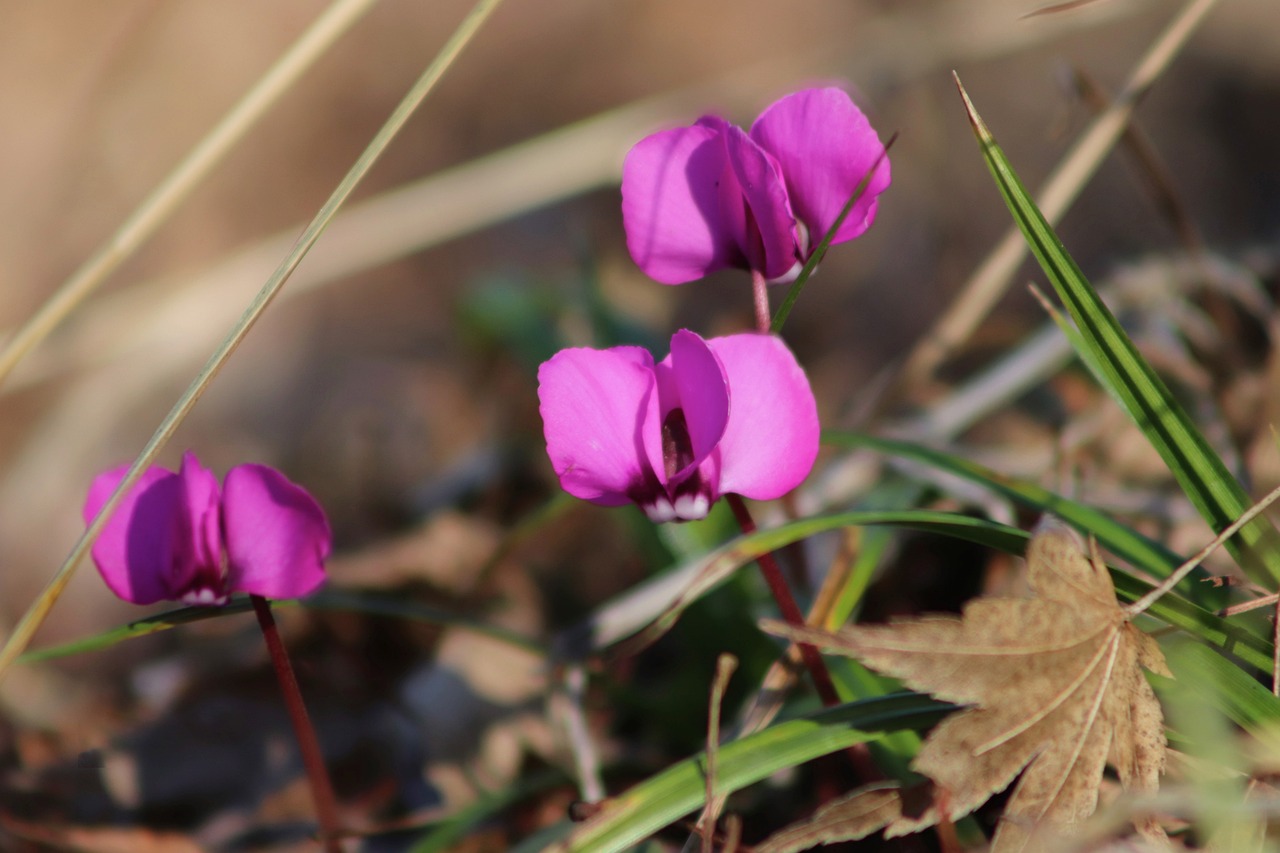
To take care of a cyclamen, place it in a cool, bright spot away from direct sunlight and keep the soil consistently moist but never waterlogged. These popular indoor plants are known for their vibrant, upswept petals and patterned foliage, making them a stunning addition to any room when provided with the right environment.
While many people treat these plants as temporary seasonal decor, you can successfully keep them thriving year-round by understanding their unique preferences. Cyclamens are naturally woodland plants that dislike intense heat and dry air, so maintaining a cool temperature is just as important as your watering routine for long-term plant health.
This comprehensive guide covers all the essential steps required to help your cyclamen bloom beautifully in your home. From mastering the proper watering technique to managing dormancy periods and light exposure, we provide practical advice to ensure your plant stays healthy and continues to produce those signature, elegant flowers season after season.

Ideal Light and Temperature Conditions
Cyclamens are prized for their vibrant, upswept blooms, but they have specific environmental needs to stay healthy. Because these plants originate from cooler, shaded woodland regions, they do not thrive in hot, arid indoor conditions. Replicating their natural habitat is the secret to extending their flowering season.
For optimal growth, place your cyclamen in a spot that receives bright, indirect sunlight. A north or east-facing windowsill is usually ideal. Avoid locations that receive harsh, direct afternoon sun, as the intense rays can quickly scorch the delicate foliage and cause the flowers to wilt.
Temperature control is equally critical for plant longevity. Cyclamens perform best when kept in cool environments between 60 and 70 degrees Fahrenheit. If your home is warmer than this, the plant may interpret the heat as the end of the growing season and enter dormancy prematurely, causing the leaves to yellow and the blooms to drop.
To keep your cyclamen thriving, follow these placement guidelines:
- Avoid heat sources: Never place your plant near radiators, space heaters, or fireplaces. The dry, hot air will dehydrate the plant rapidly.
- Steer clear of drafts: While they enjoy cool air, avoid placing them directly in the path of cold, drafty windows or air conditioning vents, which can cause sudden temperature shocks.
- Prioritize airflow: Ensure the plant has enough space around it for air to circulate, which helps prevent fungal issues that can occur in stagnant, humid environments.
If you notice your cyclamen beginning to droop or lose its color, check the temperature of its immediate surroundings first. Moving the plant to a cooler, slightly shadier area of the house is often the quickest way to revive it. By maintaining a consistent, cool, and bright environment, you can enjoy your cyclamen’s stunning display for many weeks throughout the winter and early spring.
Proper Watering Techniques
Watering is the single most critical factor in keeping a cyclamen healthy and vibrant. Because these plants are highly susceptible to rot, how you deliver water is just as important as how often you do it. The goal is to provide consistent moisture to the roots while keeping the foliage and crown completely dry.
The safest and most effective method is bottom watering. This technique ensures the soil absorbs exactly what it needs without saturating the vulnerable center of the plant. Follow these steps for best results:
- Fill a saucer or shallow bowl with room-temperature water.
- Place the cyclamen pot directly into the water, ensuring the bottom drainage holes are submerged.
- Allow the plant to soak for approximately 20 minutes. The soil will wick the moisture upward to the root zone.
- Remove the pot from the saucer and let it drain thoroughly in the sink for several minutes. Never leave the plant sitting in standing water, as this will quickly lead to root decay.
Avoid watering from the top. If water pools in the center of the plant—where the stems meet the tuber—it creates an ideal environment for crown rot, a fungal issue that can kill a cyclamen rapidly. If you accidentally splash the leaves or stems, gently blot them dry with a paper towel.
Timing your watering is equally vital. Cyclamens prefer soil that is consistently moist but never soggy. Before adding more water, check the top inch of the potting mix with your finger. If it feels slightly dry to the touch, it is time to water again. If the soil still feels damp, wait another day or two. Overwatering is a common mistake that often leads to yellowing leaves and drooping stems, so always prioritize soil moisture levels over a strict calendar schedule. By monitoring the soil texture and utilizing the bottom-watering method, you can prevent rot and help your cyclamen thrive throughout its blooming season.

Maintenance and Pruning Safety
Consistent maintenance is the secret to keeping your cyclamen vibrant and encouraging a steady cycle of new blooms. As flowers fade or leaves begin to yellow, they naturally sap energy from the plant. Removing these spent parts promptly allows the cyclamen to redirect its resources toward developing fresh buds and healthy foliage.
To prune correctly, you must use the right technique to avoid damaging the crown of the plant. Follow these steps for a clean removal:
- Identify the stem of the spent flower or yellowing leaf.
- Gently grasp the stem near the base where it meets the soil line.
- Using sharp, clean garden shears or scissors, make a decisive cut as close to the base as possible.
- Avoid leaving jagged stubs, as these can trap moisture and lead to rot.
Safety should always be your priority when working with gardening tools. Because you are working in close proximity to the delicate crown of the plant, maintain a well-lit workspace to ensure you can clearly see exactly where you are cutting. Proper visibility prevents accidental nicks to the plant’s main stem and protects your fingers from stray blades.
Always handle your shears with care. Keep your non-cutting hand well away from the path of the blades at all times. If you are pruning multiple plants, wipe your shears with a mild disinfectant between sessions to prevent the spread of potential pathogens.
Once you have finished your maintenance session, close your shears immediately and return them to a secure storage area, such as a locked tool shed or a high shelf out of reach of children and pets. By keeping your tools sharp and your workspace organized, you ensure that plant care remains a safe and rewarding part of your gardening routine. A tidy plant is not only more aesthetically pleasing, but it is also significantly more resilient against pests and fungal diseases throughout the growing season.
Soil and Humidity Requirements
To keep your cyclamen thriving, the foundation begins with the right potting medium. These plants are highly susceptible to root rot, so they require a well-draining, peat-based potting mix. Avoid heavy garden soils that retain too much moisture, as they will quickly suffocate the tubers. A high-quality commercial potting mix amended with a little perlite or vermiculite is ideal for ensuring proper aeration and drainage.
When it comes to moisture, cyclamens occupy a middle ground. They prefer a humid environment but dislike having “wet feet.” If your home air becomes dry—which is common during the winter months when heating systems are running—the plant may begin to wilt or drop its leaves prematurely.
You can easily boost the ambient humidity around your plant by using a simple pebble tray method:
- Select a shallow tray or saucer slightly wider than your plant’s pot.
- Fill the tray with a layer of decorative pebbles or small stones.
- Add enough water to the tray so that it reaches just below the top of the pebbles.
- Place your cyclamen pot on top of the stones.
The key here is to ensure the bottom of the pot rests on the pebbles rather than sitting directly in the water. As the water in the tray evaporates, it creates a localized microclimate of humidity around the foliage. This provides the plant with the moisture it craves without the risk of the roots sitting in stagnant water, which is a leading cause of tuber decay.
Finally, always check the soil surface before watering. While cyclamens appreciate humidity, the top inch of soil should feel slightly dry to the touch before you add more water. By balancing these soil and humidity needs, you create an environment that mimics the plant’s natural woodland habitat, encouraging vibrant, long-lasting blooms throughout the season.
Follow-up Care and Common Questions
It is common for cyclamens to shed their leaves and appear to die back after a vibrant flowering season. Do not discard your plant; it is likely entering its natural summer dormancy period. This rest phase is essential for the plant to store energy for future blooms.
To support your cyclamen during this time, follow these steps:
- Gradually reduce watering as the foliage begins to yellow. Allow the soil to become much drier than usual.
- Move the pot to a cool, dark, and well-ventilated location, such as a basement or a shaded garage.
- Cease fertilization entirely until you see signs of new growth in the autumn.
- Once you spot fresh green shoots emerging from the tuber, bring the plant back into indirect light and resume a regular watering schedule.
Safety is a critical consideration for indoor gardening. Cyclamens are toxic if ingested by humans or animals. The tubers contain saponins, which can cause significant gastrointestinal distress, vomiting, and irritation. Always place your plant on a high shelf or in a room inaccessible to curious pets and small children to prevent accidental ingestion.
If your plant struggles outside of its dormancy period, perform a quick health check. Persistent wilting or the appearance of dark, fuzzy fungal spots often indicates overwatering or poor drainage. Gently remove the plant from its pot to inspect the root system. Healthy roots should be firm and pale; if they appear mushy, brown, or emit a foul odor, you are dealing with root rot.
In cases of severe rot or persistent disease, it is often best to consult a local nursery professional. They can provide specific advice on soil amendments or fungicides tailored to your local environment. With the right balance of rest and observation, many gardeners successfully coax their cyclamens back into a beautiful, healthy bloom year after year.

Dedicated team of gardening enthusiasts with years of hands-on experience testing lawn mowers, gardening tools, and outdoor equipment. We help home gardeners and professionals alike make informed buying decisions with honest, thorough reviews. From push mowers to pruning shears, we test it all so you don’t have to. Got a gardening tool you’d like us to review? Get in touch!