
To sucker tomatoes, identify the small shoots growing in the “crotch” between the main stem and a leaf branch. Simply pinch these suckers off with your fingers or clean shears when they are still small to improve airflow, direct energy toward fruit production, and keep your plants healthy throughout the entire growing season.
While pruning may seem intimidating, it is a straightforward process that significantly boosts your harvest. Not every tomato variety requires the same level of maintenance, so understanding your specific plant type is essential. Consistent care helps prevent overcrowding and reduces the risk of common fungal diseases that thrive in dense, humid foliage.
In this guide, we will walk you through the step-by-step process of identifying and removing these unwanted shoots safely. You will learn the best tools to use, the ideal time of day to prune, and how to spot the difference between a productive branch and a sucker that drains your plant’s vital energy.

What are tomato suckers and why remove them
Tomato suckers are small, secondary shoots that emerge in the “crotch” of the plant—the precise angle where a leaf branch meets the main stem. If left unchecked, these suckers develop into full-sized branches, complete with their own foliage, flowers, and fruit. While they technically increase the number of potential tomatoes, they often do more harm than good for the plant’s overall health.
Removing these suckers is a standard practice for many gardeners, particularly those growing indeterminate tomato varieties. By pruning these shoots, you prevent the plant from becoming excessively dense and bushy. This simple maintenance task offers several critical benefits for your garden:
- Improved Air Circulation: Thinning out excess foliage allows air to flow freely through the plant, which helps dry out moisture quickly after rain or overhead watering.
- Better Sunlight Penetration: Removing unnecessary growth ensures that sunlight reaches the inner leaves and developing fruit, which is essential for photosynthesis and ripening.
- Reduced Disease Risk: Fungal pathogens, such as blight and powdery mildew, thrive in damp, stagnant environments. By opening up the plant, you significantly lower the humidity around the stems, making the environment less hospitable to these common diseases.
- Focused Energy: By limiting the number of branches, the plant can direct more of its energy and nutrients into producing larger, higher-quality fruit on the main stems rather than supporting excessive vegetative growth.
To identify a sucker, look for a small sprout growing at a 45-degree angle between the main stem and a leaf branch. It is best to remove them when they are small—ideally no larger than two inches long—so you can easily snap them off with your fingers. If they have grown larger and become woody, use clean, sharp pruning shears to make a clean cut as close to the main stem as possible without damaging the plant’s skin. Keeping your plant tidy is one of the most effective ways to ensure a productive and healthy harvest throughout the season.
Tools and safety precautions for pruning
Pruning tomato suckers is a precise task that requires the right equipment to ensure the health of your plants. Using improper tools can lead to ragged, torn stems, which create open wounds that are highly susceptible to infection and pest damage.
For the best results, use sharp, high-quality gardening shears or bypass pruners. If you are working with very young, tender suckers, a clean pair of household scissors will also suffice. The goal is to make a clean, flush cut as close to the main stem as possible without damaging the plant’s protective “collar.”
Sanitation is the most critical aspect of plant care. Tomato plants are prone to viral and fungal pathogens that spread easily through contaminated tools. To keep your garden healthy, follow these steps:
- Keep a small spray bottle filled with 70% isopropyl (rubbing) alcohol nearby.
- Wipe your blades thoroughly with a cloth soaked in alcohol between every individual plant.
- If you accidentally prune a plant that shows signs of disease, sanitize your tools immediately before touching any other plant in your garden.
Beyond tool maintenance, you should prioritize your own comfort and safety. Tomato stems and leaves are covered in fine, glandular hairs that secrete a sticky, aromatic sap. For many gardeners, contact with this sap causes “tomato rash,” a form of contact dermatitis that results in red, itchy skin. Wearing a pair of snug-fitting gardening gloves will protect your hands from this irritation.
Furthermore, gardening gloves provide a better grip on your tools, which helps prevent accidental slips while you are making delicate cuts. If you do not have gloves, be sure to wash your hands and arms thoroughly with warm, soapy water immediately after you finish pruning to remove any residual sap or debris. By combining sharp, sanitized tools with proper hand protection, you ensure that your pruning session is efficient, safe, and beneficial for your tomato harvest.
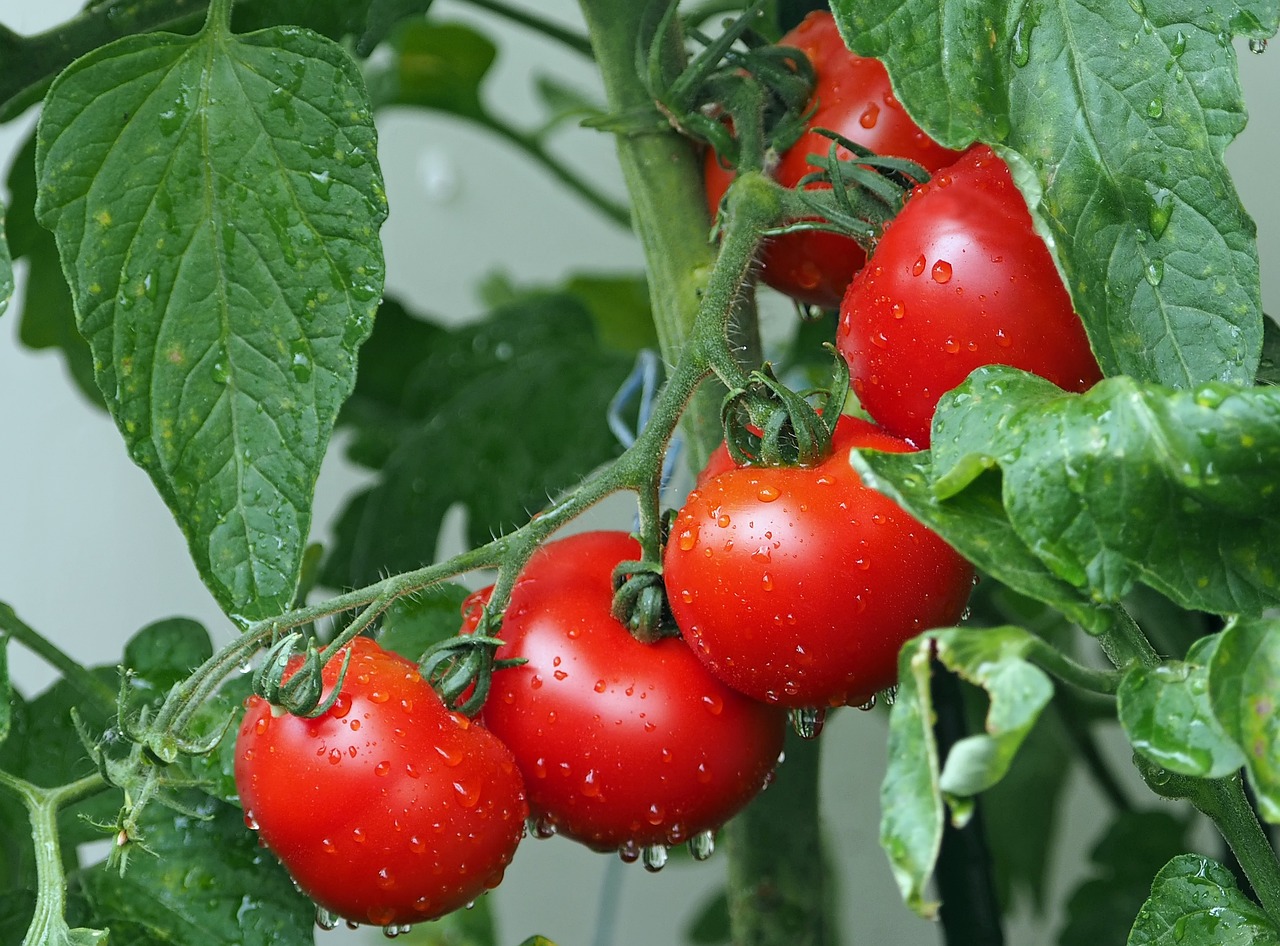
How to identify and remove suckers correctly
Identifying tomato suckers is the first step toward better plant health and higher yields. A sucker is a secondary shoot that develops in the “crotch” of the plant—the V-shaped space where a leaf branch meets the main central stem. If left unchecked, these suckers grow into full-sized branches, which can crowd the plant, reduce airflow, and divert energy away from fruit production.
To identify a sucker, look for a small, leafy growth nestled directly between the main stalk and a leaf stem. They often appear at a 45-degree angle. If you are unsure, compare it to the leaf stems nearby; suckers grow from the crotch, while leaf stems grow directly from the main stalk.
Removing them is straightforward if you follow these steps:
- For small, tender suckers: Simply grasp the shoot between your thumb and forefinger. Bend it sharply to one side until it snaps off cleanly. This method is best when the sucker is only an inch or two long.
- For large, woody suckers: If a sucker has grown thick and tough, do not pull it by hand, as you risk tearing the main stem. Instead, use clean, sterilized garden shears or scissors to snip it off.
Precision is essential during removal. Always make your cut as close to the main stem as possible without damaging the stem’s outer skin. Leaving a long “stub” can invite disease or rot, while cutting too deeply into the main stalk creates an unnecessary wound that takes longer to heal.
For the best results, perform this maintenance in the morning when plants are fully hydrated and turgid. This allows the small wounds to callus over quickly in the afternoon sun. If you accidentally remove a leaf branch instead of a sucker, do not worry; the plant will continue to grow, though it is best to be observant to ensure you are only removing the non-productive vegetative shoots.
Best practices for timing and plant types
Understanding which tomato varieties require pruning is the first step toward a successful harvest. Not all tomatoes benefit from the same maintenance, and applying the wrong technique can actually reduce your total yield.
Indeterminate vs. Determinate Varieties
The primary candidates for suckering are indeterminate tomato varieties. These plants are vining types that continue to grow, flower, and produce fruit until the first frost. Because they put significant energy into vertical growth, removing suckers helps the plant focus its resources on developing larger, healthier fruit and improves airflow to prevent fungal diseases.
Conversely, determinate or “bush” varieties have a genetically programmed growth limit. They reach a specific size, set all their fruit at once, and then stop growing. These plants generally require little to no pruning. Removing suckers from determinate plants can inadvertently remove potential fruit clusters and significantly lower your harvest.
Timing Your Pruning
Consistency is far more effective than aggressive, one-time pruning. Waiting until a plant becomes a tangled, overgrown mess causes unnecessary stress to the tomato vine and increases the risk of disease transmission through large wounds.
Adopt these best practices for a healthy garden:
- Start early: Begin inspecting your indeterminate plants for suckers as soon as they are established in the garden. Small, young suckers are easy to pinch off with your fingers.
- Maintain a schedule: Check your plants once or twice a week. Removing suckers when they are less than two inches long prevents the plant from wasting energy on foliage you intend to remove.
- Stay consistent: Regular, light maintenance keeps the plant structure manageable throughout the season. If you find a large, woody sucker, use clean, sharp pruning shears rather than pinching to avoid tearing the main stem.
By focusing your efforts on indeterminate varieties and maintaining a routine, you will ensure your plants remain productive and disease-free throughout the summer.

Follow up care and common questions
Once you have finished pruning, your tomato plants need time to recover. It is common for beginners to over-prune in an effort to maximize yield, but removing too much foliage can actually harm the plant. If your tomato plant looks wilted, stunted, or otherwise stressed following a pruning session, stop immediately. Leave the remaining suckers and leaves alone to allow the plant to regain its energy and provide necessary shade for developing fruit.
You generally do not need to prune your tomatoes once the season reaches its final weeks or if the plant shows signs of significant heat stress. The foliage acts as a natural canopy, protecting ripening tomatoes from sunscald. If you are unsure whether to remove a specific sucker, it is safer to leave it than to risk damaging the plant’s overall health.
After pruning, monitor your plants closely for signs of disease. Open wounds on stems can act as entry points for pathogens. Keep an eye out for:
- Yellowing or spotted leaves near the cut sites.
- Unusual wilting that does not recover overnight.
- Fungal growth or dark lesions on the stems.
Proper sanitation is critical to prevent the spread of soil-borne diseases like blight. Never leave your tomato clippings on the ground beneath the plants. Decomposing plant matter can harbor spores that splash back onto the leaves during the next rain or watering session. Instead, collect all prunings and dispose of them in your municipal green waste bin or trash. Avoid adding tomato clippings to a backyard compost pile, as most home systems do not generate enough heat to kill common tomato pathogens. By keeping your garden bed clear of debris and knowing when to let the plant grow undisturbed, you will foster a more resilient and productive harvest throughout the growing season.

Dedicated team of gardening enthusiasts with years of hands-on experience testing lawn mowers, gardening tools, and outdoor equipment. We help home gardeners and professionals alike make informed buying decisions with honest, thorough reviews. From push mowers to pruning shears, we test it all so you don’t have to. Got a gardening tool you’d like us to review? Get in touch!