
Hydrangeas typically grow between three and twelve feet tall, depending entirely on the specific variety you choose to plant. Understanding the mature size of your hydrangea is essential for proper landscape planning. This guide helps you determine how much space your specific variety needs to thrive, ensuring you avoid overcrowding and unnecessary pruning.
While many popular mophead hydrangeas stay compact, some panicle or climbing varieties can reach impressive heights if left unchecked. It is important to remember that environmental factors like soil quality, sunlight, and local climate zones significantly influence final growth. Always check the plant tag for the breeder’s estimated dimensions before breaking ground.
Beyond simply checking labels, we will explore how strategic placement and consistent maintenance affect your plant’s long-term development. You will learn practical techniques to manage growth effectively without sacrificing those iconic, vibrant blooms. Follow these expert tips to create a balanced, healthy garden layout that allows your hydrangeas to flourish for many years.
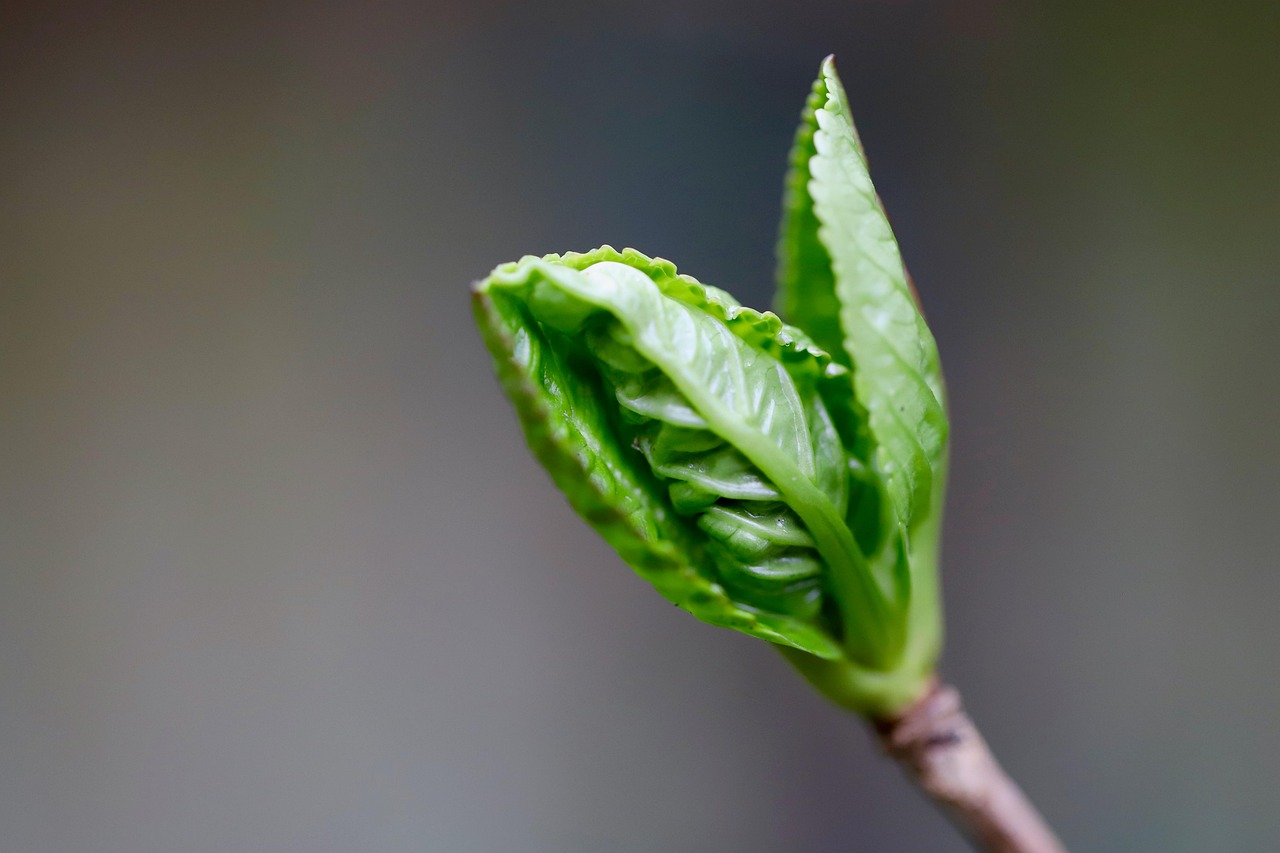
Factors Influencing Hydrangea Growth
While genetics dictate the general size range of your hydrangea, your specific landscape conditions act as the primary catalyst for how large it actually grows. A plant placed in an ideal environment will consistently reach its maximum potential, whereas a struggling plant will remain stunted.
Consider these three environmental pillars when assessing your hydrangea’s growth trajectory:
- Soil Quality and Nutrition: Hydrangeas thrive in rich, well-draining soil packed with organic matter. If your soil is heavy clay or sandy loam, it may lack the nutrients required for vigorous stem elongation. Incorporating compost annually provides a slow-release nutrient boost that encourages larger, healthier growth.
- Sun Exposure: Light requirements vary by species, but most hydrangeas prefer morning sun and afternoon shade. Too much intense, direct sun can dehydrate the plant, leading to scorched leaves and slowed growth. Conversely, planting in deep, dense shade often results in leggy, weak stems and fewer blooms, preventing the plant from reaching its full structural size.
- Water Availability: The name “hydrangea” is derived from the Greek word for water, and for good reason. These plants require consistent moisture to support expansive foliage and large flower heads. During dry spells, a hydrangea that is not adequately watered will enter a survival mode, prioritizing root health over vertical growth. Applying a two-to-three-inch layer of mulch around the base helps retain soil moisture, creating a consistent environment that promotes steady expansion.
Finally, remember that container-grown hydrangeas will almost always be smaller than their landscape-planted counterparts. Pots restrict root development, which naturally limits the plant’s ability to grow to its maximum cataloged height. If you want your hydrangea to reach the higher end of its size range, planting it directly in the ground is the most effective strategy. By balancing these environmental factors, you can effectively nudge your hydrangea toward the larger end of its genetically expected size.
Size Expectations by Hydrangea Type
Understanding the growth habits of different hydrangea varieties is the most important step in planning your landscape. Because these shrubs can range from compact two-foot mounds to towering ten-foot specimens, selecting the right type for your available space prevents future overcrowding and unnecessary pruning.
Here is how the most popular hydrangea categories typically size up at maturity:
- Bigleaf (Hydrangea macrophylla): These are the classic mophead or lacecap varieties. Most garden-variety bigleaf hydrangeas reach 3 to 6 feet in both height and width. They prefer a consistent footprint and do not appreciate being crowded by other shrubs.
- Panicle (Hydrangea paniculata): These are the most versatile group. While some dwarf cultivars stay under 3 feet, many popular varieties like ‘Limelight’ can grow into large, upright shrubs or small trees reaching 6 to 10 feet tall and 8 feet wide. Always check the plant tag for the specific cultivar’s mature dimensions.
- Smooth (Hydrangea arborescens): Famous for the ‘Annabelle’ variety, these hydrangeas generally grow 3 to 5 feet tall. They tend to spread via underground suckers, meaning they can occupy a wider space over time if not managed.
- Oakleaf (Hydrangea quercifolia): Known for their architectural foliage and cone-shaped blooms, these are among the largest hydrangeas. Expect them to reach 6 to 8 feet in height and width. They require significant room to showcase their unique, peeling bark and seasonal color changes.
When choosing your plant, always look at the “mature size” listed on the nursery tag. If your planting bed is narrow, prioritize dwarf or “patio” cultivars, which are specifically bred to maintain a smaller stature. Keep in mind that while hydrangeas are resilient, they perform best when they have enough airflow to reach their full potential without being jammed against walls, fences, or competing root systems. Providing the correct spacing at the time of planting ensures your garden remains balanced and healthy for years to come.

Planning Your Garden Layout
Proper spacing is the most critical step in ensuring your hydrangeas thrive for years to come. When planting, it is tempting to space them closely for an immediate, full look, but this often leads to significant maintenance headaches as the shrubs mature. Hydrangeas require adequate room to reach their genetic potential without competing for nutrients, water, or sunlight.
Crowded hydrangeas lack the airflow necessary to keep their foliage dry. When leaves remain damp for extended periods, the plant becomes highly susceptible to fungal issues like powdery mildew and leaf spot. By providing enough space, you allow wind to circulate through the branches, which keeps the foliage healthy and reduces the need for chemical interventions.
Before you dig, consult the specific variety’s tag for its mature width. If a tag suggests a spread of five feet, plant the center of the shrub at least five feet away from the next plant or structure. Use these practical steps to guide your layout:
- Measure the mature width: Always plan for the plant’s size in five to ten years, not its size at the nursery.
- Account for structures: Keep shrubs at least three feet away from house foundations to prevent moisture buildup against your siding and to allow for easy exterior maintenance.
- Consider walkways: Ensure there is enough clearance for you to walk past the mature shrub without needing to prune it back constantly.
- Group by needs: Place hydrangeas with similar water and light requirements together so you can adjust your irrigation system to match their collective needs.
If you find that your plants have outgrown their space, it is often better to transplant them during the dormant season than to prune them into unnatural shapes. Proper initial spacing prevents the need for constant, aggressive trimming, which can inadvertently remove the old wood where many popular hydrangea varieties produce their blooms. A well-planned layout allows your garden to grow into itself naturally, resulting in a healthier, lower-maintenance landscape.
Safe Maintenance and Pruning Practices
If your hydrangea has outgrown its designated space, strategic pruning can help manage its size and shape. However, because these shrubs bloom on either old or new wood depending on the variety, timing is critical to ensure you do not accidentally remove next season’s flower buds. Always assess your specific cultivar before making major cuts.
Safety should be your primary concern when managing large shrubs. Follow these essential practices to protect yourself and your plants:
- Use the right tools: Always use sharp, sterilized bypass pruners. Dull blades crush stems rather than slicing through them, which invites disease and creates ragged wounds that take longer to heal.
- Prioritize personal protection: Wear heavy-duty gardening gloves. Hydrangea stems can be surprisingly tough, and some gardeners experience contact dermatitis from the plant’s sap or foliage.
- Maintain stability: When reaching for the top of a tall shrub, ensure your footing is completely stable. Avoid overextending your reach; it is safer to move your ladder or step stool frequently than to lean dangerously while holding tools.
- Avoid power tools: Never use hedge trimmers or power tools for ornamental pruning. These tools create indiscriminate, jagged cuts that ruin the plant’s natural structure and increase the risk of fungal infections.
When pruning, make your cuts at a 45-degree angle just above a healthy leaf node or bud. This technique encourages outward growth and prevents water from pooling on the cut surface, which helps deter rot. If you are thinning out an overgrown plant, focus on removing the “three Ds”: dead, damaged, or diseased wood first. This improves airflow through the center of the shrub, promoting overall plant vigor.
If you are unsure about the size your specific hydrangea will reach, it is best to prune conservatively. You can always remove more growth later, but removing too much at once can stress the plant and significantly reduce your floral display for the following year.

Common Questions and Long-Term Care
Understanding the difference between dwarf and standard hydrangeas is the first step in long-term garden planning. Dwarf varieties, such as Hydrangea paniculata ‘Bobo’, typically reach only 3 to 4 feet in height. In contrast, standard shrubs like the classic ‘Annabelle’ or many Hydrangea macrophylla cultivars can easily exceed 6 feet. Always check your plant tag or consult a local nursery to confirm your specific variety’s mature size.
If you find that an established hydrangea has outgrown its space, do not panic. Most hydrangeas tolerate structural pruning well. However, timing is critical. Prune spring-blooming varieties immediately after they finish flowering, as they set buds on old wood. Summer-blooming varieties can be pruned in late winter or early spring before new growth begins.
Recognizing when a plant needs more room is essential for its health. Watch for these common signs of overcrowding:
- Poor Air Circulation: Leaves remain damp for long periods, leading to fungal issues like powdery mildew.
- Stunted Bloom Production: The plant diverts energy into competing for light rather than developing flowers.
- Leggy Growth: Stems become thin and sparse as they stretch to reach sunlight blocked by neighboring plants.
- Root Competition: The shrub shows signs of wilting or nutrient deficiency despite consistent watering and fertilization.
If your hydrangea shows these symptoms, the most effective long-term solution is transplanting. The best time to move a hydrangea is during its dormant season—either late autumn after the leaves have dropped or early spring before buds break. When moving, dig a root ball as wide as the drip line to ensure you capture the majority of the feeder roots. After replanting, water deeply and apply a layer of organic mulch to retain moisture while the shrub establishes itself in its new location.
If you remain unsure about your specific variety or its growth habits, contact your local university extension office. They can provide expert guidance tailored to your specific climate and soil conditions.

Dedicated team of gardening enthusiasts with years of hands-on experience testing lawn mowers, gardening tools, and outdoor equipment. We help home gardeners and professionals alike make informed buying decisions with honest, thorough reviews. From push mowers to pruning shears, we test it all so you don’t have to. Got a gardening tool you’d like us to review? Get in touch!