
Most hydrangea trees typically reach a mature height of 6 to 10 feet, with a spread of 4 to 8 feet. Understanding the mature size of a hydrangea tree is essential for proper garden planning, as these stunning, top-heavy plants require adequate space to thrive and showcase their impressive, globe-shaped blooms effectively.
While these plants offer stunning blooms, their growth varies significantly based on the specific variety, pruning techniques, and environmental conditions. Some dwarf cultivars remain compact at 4 feet, while vigorous panicle varieties can occasionally stretch taller in ideal climates. Always consider your local hardiness zone and soil quality when predicting your tree’s final size.
This guide covers what you can expect in terms of height and spread to help you choose the perfect spot in your landscape. We will explore practical tips for pruning, feeding, and site selection, ensuring your hydrangea tree remains healthy and perfectly sized for your unique outdoor space throughout every growing season.
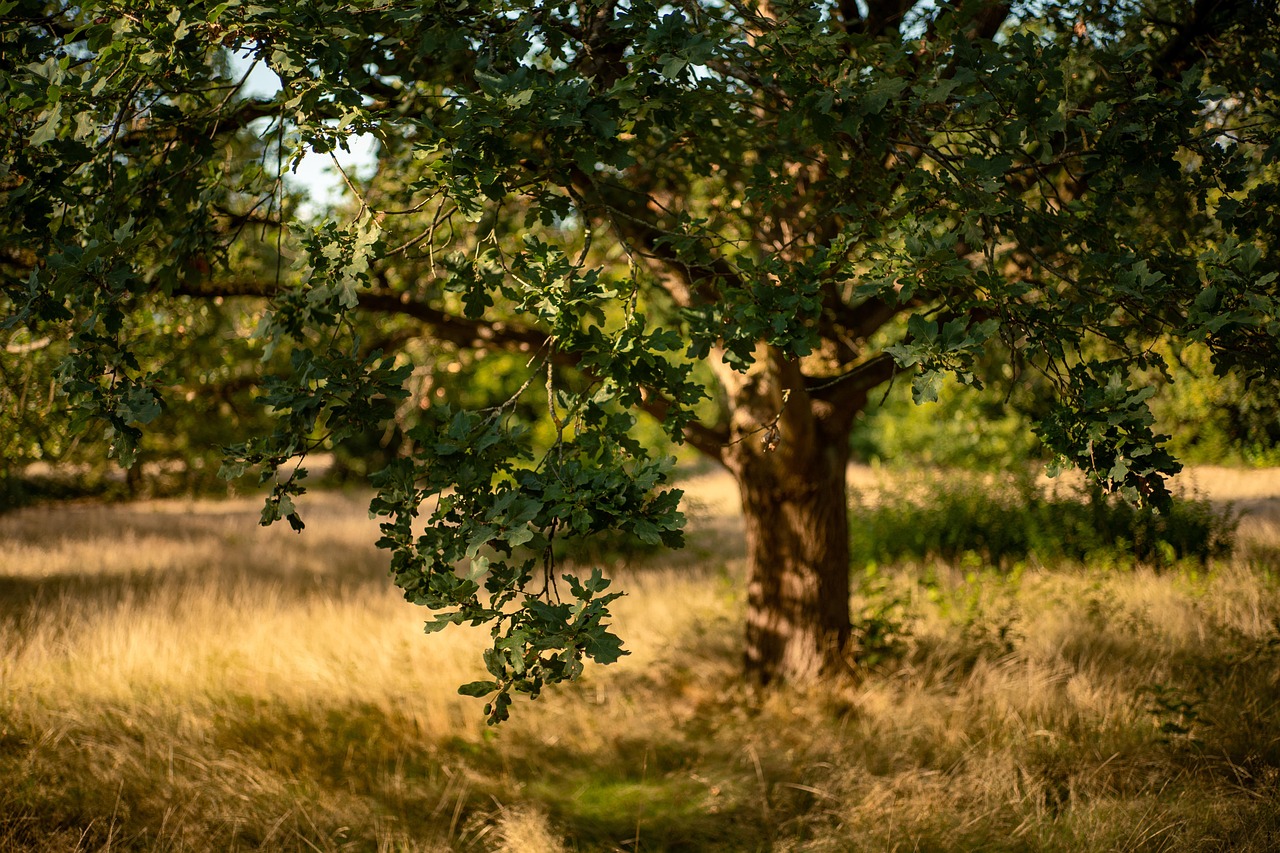
Typical Size Ranges for Hydrangea Trees
When planning your landscape, understanding the mature size of a hydrangea tree is essential for long-term success. Most hydrangea trees sold in nurseries are trained from specific Panicle Hydrangea (Hydrangea paniculata) varieties, such as the popular ‘Limelight’ or the classic ‘PeeGee.’ Because these are trained onto a single, sturdy trunk rather than allowed to grow as a multi-stemmed shrub, their growth habit is significantly more vertical.
On average, you can expect a healthy, mature hydrangea tree to reach a height of 6 to 10 feet. While they grow upward, they also develop a lush, rounded canopy that requires horizontal space. Their typical spread ranges from 4 to 8 feet in width.
Several factors will influence exactly where your tree falls within these ranges:
- Cultivar selection: Some dwarf varieties are specifically bred to stay under 5 feet, while vigorous growers like ‘Limelight’ can easily push toward the 10-foot mark if left unpruned.
- Pruning habits: Because these trees bloom on new wood, annual pruning is necessary. Hard pruning in late winter will keep the tree smaller and more compact, while lighter pruning allows for a larger, more expansive canopy.
- Environmental conditions: Trees planted in nutrient-rich soil with consistent moisture and at least six hours of sunlight will reach their maximum genetic potential faster than those in shaded or nutrient-poor locations.
To ensure your tree thrives, provide enough clearance from structures, fences, and other plants. While the footprint is smaller than a traditional shrub, the canopy needs adequate airflow to prevent fungal issues. Aim to plant your hydrangea tree at least 5 to 6 feet away from walls or other large plants to accommodate its full, rounded spread.
Keep in mind that while the height is relatively fixed once the tree reaches maturity, the width is largely under your control. If you have a smaller garden, you can comfortably maintain a hydrangea tree on the lower end of these size ranges through consistent, strategic pruning each spring.
Factors That Influence Growth Potential
While a hydrangea tree’s genetic makeup sets the ceiling for its height, environmental conditions determine whether it actually reaches that potential. Understanding these variables helps you provide the specific care required to encourage healthy, vigorous growth.
Sunlight is the primary driver of development. Most hydrangea trees thrive when they receive bright morning sun but are protected from the intense heat of the afternoon. If your tree is exposed to harsh, direct midday sun, it may experience heat stress, which stunts growth and causes wilting. Conversely, too much shade can result in a leggy, sparse tree with fewer blooms.
Beyond light, several physical factors dictate how quickly and robustly your tree matures:
- Soil Quality: Hydrangeas prefer nutrient-rich, loamy soil. If your ground is heavy clay or sandy, amending it with organic compost improves drainage and nutrient availability, allowing roots to expand more easily.
- Consistent Moisture: These plants are notoriously thirsty. Consistent hydration is essential for structural growth. During dry spells, deep watering is far more effective than frequent light sprinkles, as it encourages deep root systems that support a larger canopy.
- Climate and Hardiness Zones: Your regional climate plays a definitive role. Hydrangeas planted in an environment that matches their specific hardiness zone will experience less winter dieback. When a tree doesn’t have to recover from severe cold damage every spring, it can dedicate its energy to vertical growth rather than repair.
- Mulching: Applying a two-to-three-inch layer of organic mulch around the base helps regulate soil temperature and retain moisture. This creates a stable environment that mimics the forest-floor conditions where many hydrangea species naturally flourish.
Ultimately, a hydrangea tree is a reflection of its surroundings. By providing well-draining soil, protecting it from scorching afternoon rays, and maintaining steady moisture levels, you provide the foundation necessary for the plant to reach its maximum genetic height. When these needs are met, you will see faster, healthier growth throughout the growing season.

Pruning and Maintenance for Size Control
While hydrangea trees are naturally compact, you can actively influence their final size and shape through strategic annual pruning. Regular maintenance prevents the tree from becoming top-heavy or outgrowing its designated space in your landscape.
Always use sharp, clean bypass pruners or loppers to make precise, clean cuts. Dull blades can crush stems, leaving the plant vulnerable to disease. Before you begin, wear sturdy gardening gloves and protective eyewear to shield yourself from scratches caused by stiff branches or falling debris.
The best time to prune is in late winter or early spring, just before the plant breaks dormancy and new growth begins. At this stage, the plant is leafless, allowing you to clearly see the structural framework. Follow these steps to manage your tree’s size effectively:
- Remove dead or damaged wood: Cut back any branches that show no signs of life or have snapped during winter storms.
- Thin the canopy: Remove crossing or inward-growing branches to improve airflow and light penetration, which encourages a more robust, healthier flowering display.
- Reduce height: If the tree is exceeding your preferred height, trim the main branches back to a healthy bud or a main junction. Avoid removing more than one-third of the total canopy in a single season to prevent stressing the plant.
- Clear the base: Remove any suckers growing from the rootstock or the base of the trunk to keep the tree’s energy focused on the main canopy.
Consistent pruning not only controls the physical dimensions of your hydrangea tree but also stimulates the production of vigorous new wood. Because most tree-form hydrangeas, such as the popular Hydrangea paniculata varieties, bloom on new growth, this seasonal maintenance ensures a spectacular show of flowers every summer. By keeping the structure balanced and removing excess growth early in the year, you ensure the tree remains a manageable, attractive focal point in your garden for years to come.
Safety and Tool Best Practices
Maintaining the height of a hydrangea tree requires a cautious approach to ensure both your well-being and the health of the plant. Because these trees can reach heights of six to ten feet, you may occasionally need to use a ladder for reach. Before climbing, always confirm that the ladder is placed on firm, level ground. Never attempt to balance on uneven soil or soft mulch, as this increases the risk of tipping.
When working at height, follow these safety protocols to minimize accidents:
- Avoid overreaching: Keep your hips between the ladder rails. If you cannot reach a branch comfortably, climb down and reposition the ladder.
- Maintain three points of contact: Always keep two hands and one foot, or two feet and one hand, on the ladder at all times.
- Clear the area: Remove debris or loose garden hoses from the base of the tree to prevent tripping while you move around the canopy.
The choice of tools is equally important for safety and precision. Avoid using heavy power tools like chainsaws for standard hydrangea maintenance. These trees typically have manageable branch diameters that are best handled with manual equipment. High-quality bypass loppers or a sharp, folding hand saw offer superior control, allowing you to make clean, deliberate cuts without the risk of an accidental slip associated with motorized blades.
Tool maintenance is a critical component of plant health. Always ensure your blades are sharp and sanitized with rubbing alcohol before you begin. A dull blade can crush delicate stems rather than slicing through them, leaving jagged wounds that take longer to heal and invite fungal infections. By keeping your tools sharp, you ensure that every cut promotes rapid recovery and keeps your hydrangea tree structurally sound.
Finally, always wear protective eyewear and sturdy gloves. Even if you are only removing small branches, flying debris can cause eye irritation, and gloves provide a necessary barrier against thorns or rough bark while improving your grip on your tools.

Common Questions and Long-Term Care
Many homeowners worry that a hydrangea tree will eventually outgrow its designated space. The good news is that you can easily manage its mature size through consistent structural pruning. By removing crossing branches and thinning out the canopy during late winter, while the plant is dormant, you encourage a stronger, more compact framework that maintains your desired shape without sacrificing the tree’s health.
If your hydrangea tree appears stunted, shows yellowing leaves, or fails to produce its signature blooms, start by investigating the environment rather than the plant itself. Hydrangeas are sensitive to their surroundings, and these symptoms are often the first signs of an imbalance.
Before applying fertilizers or pesticides, check these three critical factors:
- Soil pH: Hydrangeas are famous for changing color based on soil acidity. If your soil is too alkaline, it can lock out essential nutrients, leading to yellowing foliage.
- Moisture Levels: These plants thrive in consistently moist, well-draining soil. Check the top two inches of dirt; if it is bone dry, the tree is likely suffering from dehydration.
- Sun Exposure: While they love light, intense afternoon sun can scorch leaves and stress the tree, hindering flower production.
Long-term care is about observation. Regular mulching around the base helps retain moisture and regulates soil temperature, which is essential for sustained growth. However, stay vigilant regarding the trunk and main branches. If you notice structural damage, such as deep cracks, peeling bark that reveals soft wood, or oozing sap, proceed with caution. These can be signs of internal decay or pest infestation that go beyond simple cosmetic issues.
If you encounter significant structural cracks or suspect disease within the woody core, do not attempt major repairs or aggressive pruning on your own. Instead, consult a local certified arborist. A professional can assess the tree’s overall stability and determine if it can be saved or if it poses a safety risk to your property. Proper intervention early on ensures your hydrangea tree remains a thriving focal point for years to come.

Dedicated team of gardening enthusiasts with years of hands-on experience testing lawn mowers, gardening tools, and outdoor equipment. We help home gardeners and professionals alike make informed buying decisions with honest, thorough reviews. From push mowers to pruning shears, we test it all so you don’t have to. Got a gardening tool you’d like us to review? Get in touch!