
Endless Summer hydrangeas typically grow to be three to five feet tall and wide at maturity. Because they are compact, these versatile shrubs fit perfectly into most residential landscapes, whether planted in containers or directly in garden beds. Knowing their final size helps you provide enough space for them to thrive.
While these plants are famous for their repeat blooming throughout the season, their ultimate dimensions can vary based on your local climate and soil conditions. It is important to remember that consistent moisture and proper sunlight are just as vital as spacing. Proper planning ensures your garden remains lush rather than overcrowded.
In this guide, we explore the factors that influence the growth of your hydrangeas and provide actionable tips for long-term maintenance. From strategic pruning techniques to seasonal care requirements, you will learn everything necessary to keep these popular shrubs healthy, vibrant, and perfectly sized for your specific outdoor living space.

Typical Mature Size of Endless Summer Hydrangeas
When planning your landscape, understanding the mature size of Endless Summer hydrangeas is essential for long-term success. Most varieties in this collection, including the popular “The Original,” typically reach a mature height and width of 3 to 5 feet. While these shrubs are more compact than many traditional heirloom hydrangea species, they still require significant room to thrive.
Providing adequate space is not just about aesthetics; it is a critical component of plant health. Proper spacing ensures sufficient airflow throughout the foliage, which helps prevent common fungal issues like powdery mildew. Additionally, giving the root system enough room to spread allows the plant to access the nutrients and moisture it needs to support its signature heavy blooms.
To ensure your hydrangeas have the space they need, consider these practical planting guidelines:
- Measure your footprint: Always space your shrubs at least 3 to 4 feet apart, measuring from the center of one plant to the center of the next.
- Account for structures: Avoid planting these shrubs directly against house foundations or fences. Leave at least 2 feet of clearance between the plant and any wall to allow for outward growth and air circulation.
- Consider neighboring plants: If you are pairing hydrangeas with perennials or groundcovers, place smaller plants far enough away so they are not eventually smothered as the hydrangea reaches its full mature width.
If you find that your hydrangea is outgrowing its designated spot after several years, you can manage its size through careful pruning. However, keep in mind that Endless Summer hydrangeas bloom on both old and new wood. To maintain the best flower production, prune immediately after the first flush of blooms fades in mid-summer. Avoid aggressive pruning in late autumn or early spring, as this may remove the developing buds and reduce your flower count for the following season. By respecting their natural size and providing consistent care, you can enjoy these reliable bloomers for many years.
Factors That Influence Growth Potential
While Endless Summer hydrangeas are genetically programmed to reach a certain size, their actual dimensions are heavily influenced by the environment you provide. Understanding these variables helps you manage expectations and optimize your garden layout.
The following factors play the most significant roles in determining whether your shrub stays compact or reaches its maximum potential:
- Sunlight Exposure: These hydrangeas thrive with morning sun and afternoon shade. Too much intense, direct heat can stunt growth and cause foliage stress, while too little light leads to leggy, weak stems that fail to reach full size.
- Soil Quality: Hydrangeas are heavy feeders that prefer nutrient-rich, slightly acidic, and well-draining soil. If your soil is heavy clay or lacks organic matter, the plant will struggle to develop the robust root system required to support maximum vertical and horizontal growth.
- Climate and Hardiness Zones: Your local climate dictates the length of the growing season. In warmer zones with longer growing periods, shrubs have more time to expand and recover from pruning. In colder zones, the plant may experience more winter die-back, resulting in a smaller overall footprint by the time summer arrives.
- Moisture Consistency: Hydrangeas have high water requirements. Consistent soil moisture is essential; if the plant experiences frequent drought stress, it will prioritize survival over structural growth, remaining significantly smaller than its potential.
To encourage your Endless Summer hydrangeas to reach the higher end of their size range—typically 3 to 5 feet—focus on soil preparation. Before planting, amend your native soil with generous amounts of compost or peat moss to improve drainage and nutrient availability. Applying a layer of organic mulch around the base will help retain soil moisture and regulate temperatures, providing the stable environment these shrubs need to flourish.
Ultimately, while you cannot change your hardiness zone, you can control the quality of the soil and the placement of the shrub. Providing these optimal conditions ensures your hydrangea reaches its full, healthy potential.

Safe Pruning Practices for Size Control
Endless Summer hydrangeas are prized for their ability to bloom on both old and new wood. Because they grow vigorously, they can occasionally outgrow their allotted space. If you need to manage your plant’s size, careful pruning is the best way to maintain its shape without sacrificing future flowers.
Always use clean, sharp bypass pruners for your cuts. Bypass blades act like scissors, creating a clean slice that heals quickly. Avoid using anvil-style pruners, which can crush delicate stems and invite disease. If you are dealing with thicker, woody stems that require long-handled loppers, ensure you have stable footing on level ground and keep your fingers well clear of the blade mechanism.
For your personal safety, follow these essential guidelines:
- Wear thick gardening gloves to protect your hands from scratches and potential skin irritants found on woody branches.
- Never attempt to prune branches near overhead power lines.
- Avoid using a ladder to reach tall sections of the shrub; if the plant is too high to prune safely from the ground, it is better to prune it back harder or move it to a more suitable location.
To control size, prune immediately after the first flush of flowers fades in mid-summer. Avoid aggressive pruning in late autumn or winter, as this removes the buds that will provide next year’s early blooms. When making cuts, aim to prune just above a healthy set of leaf nodes. This encourages the plant to branch out and grow fuller rather than taller.
If you find that your hydrangea consistently outgrows its space every year, consider transplanting it to a larger area during the dormant season. Constant heavy pruning can stress the plant and reduce its overall vigor. By choosing the right location from the start, you minimize the need for maintenance and allow the shrub to reach its natural, graceful mature size of three to five feet without constant intervention.
Spacing and Planting for Long-Term Success
Endless Summer hydrangeas are vigorous growers that can reach heights and widths of 3 to 5 feet. Because they develop a substantial, rounded habit, proper spacing during the initial planting phase is the most effective way to ensure long-term health and reduce maintenance chores.
To avoid future crowding, space your hydrangeas at least 3 to 4 feet apart. If you are planting a hedge, measuring from the center of one root ball to the center of the next will help you maintain consistent airflow. Adequate spacing prevents the foliage from becoming overly dense, which is critical for minimizing fungal issues like powdery mildew.
Strategic placement near structures is equally important. Avoid planting these shrubs directly against building foundations or too close to walkways. As the plant matures, its heavy, flower-laden branches can easily obstruct paths or trap moisture against siding, leading to potential damage. Follow these guidelines for optimal placement:
- Maintain a buffer: Keep the base of the plant at least 3 feet away from walls or fences to allow for proper air circulation.
- Clear the path: Ensure there is enough clearance between the shrub and walkways so that the mature canopy does not hang over the path.
- Access for care: Leave enough room to comfortably walk around the entire perimeter of the shrub. This accessibility is vital for easy pruning, deep watering, and routine inspections for pests or disease.
When selecting your site, remember that while hydrangeas appreciate the shelter of a garden bed, they do not thrive when forced into cramped quarters. Giving them the room they need to expand naturally will result in a more symmetrical shape and a more prolific bloom display year after year. By planning for the plant’s full size today, you eliminate the need for aggressive, corrective pruning in the future, allowing the shrub to maintain its natural, graceful form without constant intervention.
Common Questions and Ongoing Maintenance
Many gardeners wonder if they can keep Endless Summer hydrangeas compact through heavy pruning. While these shrubs are versatile, aggressive cutting is generally discouraged. Because Endless Summer varieties bloom on both old and new wood, excessive pruning often removes the developing buds, significantly reducing your flower display for the season.
Instead of trying to shrink the plant, focus on strategic maintenance to keep it healthy. If you must prune to maintain size or shape, do so sparingly and only immediately after the first flush of flowers fades in mid-summer. Avoid late-season pruning, as this can stimulate new growth that will be vulnerable to winter frost.
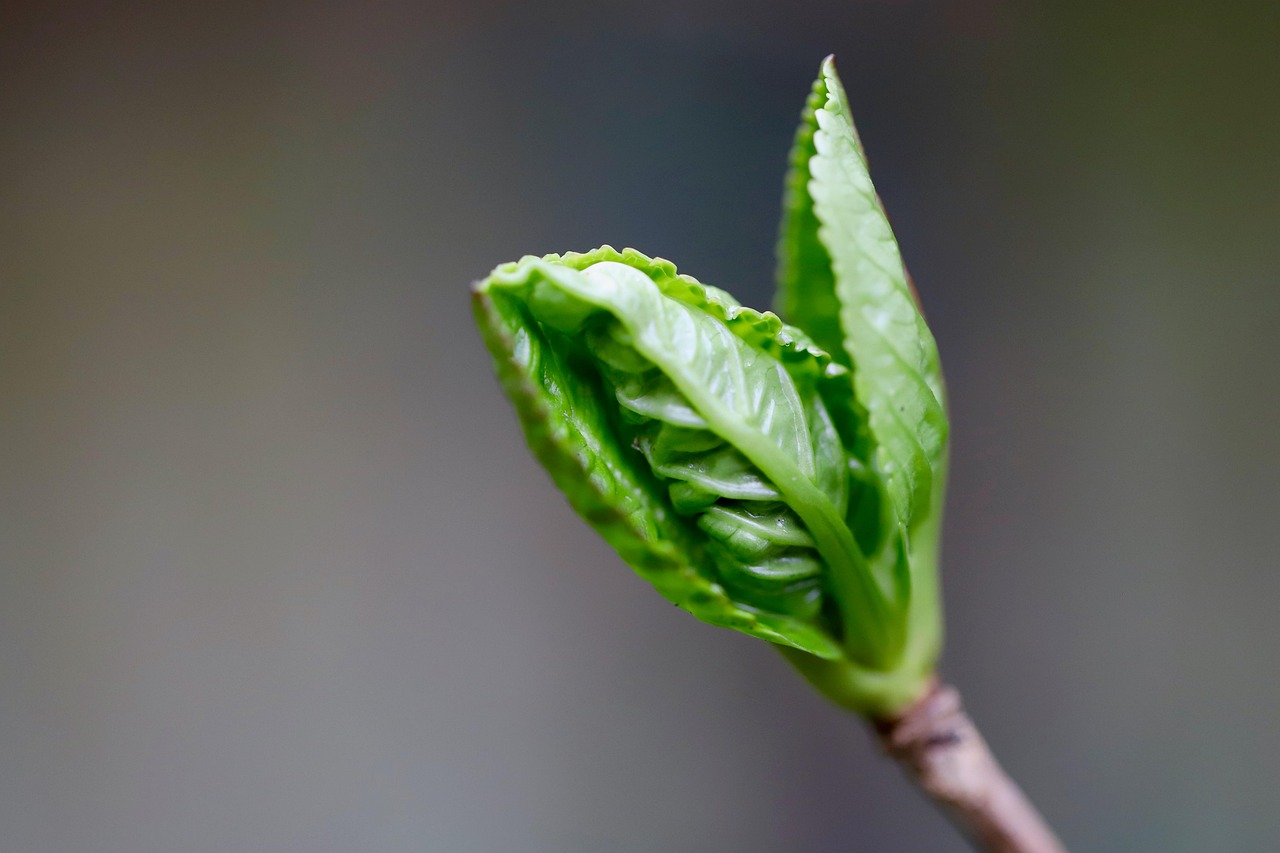
Early spring is the ideal time for cleanup. Follow these steps to ensure your plant starts the season strong:
- Wait until the risk of frost has passed and you see green buds beginning to swell along the stems.
- Identify dead wood by scratching the bark with your fingernail; if the interior is brown and brittle, it is dead.
- Prune only the dead, woody stems back to the base of the plant or to the nearest healthy bud.
Healthy hydrangeas should have lush, deep green foliage. If you notice persistent wilting despite adequate soil moisture, or if leaves begin to yellow prematurely, take a closer look. These symptoms can sometimes indicate underlying issues beyond simple dehydration, such as root rot, soil-borne pathogens, or specific nutrient deficiencies like iron chlorosis.
If your plant fails to thrive despite consistent watering and proper light exposure, do not rely on guesswork. Contact your local cooperative extension office or consult a professional horticulturist. They can provide guidance on soil testing or disease diagnosis, which is far more effective than applying broad-spectrum fertilizers or fungicides that may not address the root cause. By observing your plant’s specific needs rather than forcing it into a smaller size, you will enjoy a more vigorous, free-flowering shrub that serves as a focal point in your landscape for years to come.

Dedicated team of gardening enthusiasts with years of hands-on experience testing lawn mowers, gardening tools, and outdoor equipment. We help home gardeners and professionals alike make informed buying decisions with honest, thorough reviews. From push mowers to pruning shears, we test it all so you don’t have to. Got a gardening tool you’d like us to review? Get in touch!