
Annabelle hydrangeas typically grow between three to five feet tall and wide at maturity. Because of their massive, snow-white blooms, understanding this size is essential for proper garden planning and spacing. These popular shrubs can occasionally exceed these dimensions in ideal conditions, so providing enough room for their expansive, rounded habit is crucial.
While these plants are famous for their impressive, mophead flowers, they require a strategic location to thrive throughout the growing season. You must account for their mature footprint to prevent overcrowding in your flower beds. Knowing their typical growth range helps you decide whether they belong in a container or directly in the ground.
This guide explains exactly how large these shrubs grow and provides practical tips for keeping them healthy and contained in your landscape. We will cover essential pruning techniques to manage their size and ensure strong stems that support those heavy blossoms. Follow these expert recommendations to master the art of maintaining beautiful, manageable Annabelle hydrangeas.

Typical Mature Size of Annabelle Hydrangeas
On average, the ‘Annabelle’ hydrangea (Hydrangea arborescens ‘Annabelle’) reaches a mature height and width of 3 to 5 feet. These shrubs are known for their vigorous, rounded growth habit, making them a popular choice for foundation plantings, borders, and cottage gardens.
While 3 to 5 feet is the standard expectation, your plant’s ultimate size will depend on several environmental factors. Understanding these variables helps you plan your garden space effectively to avoid overcrowding as the shrub matures.
Key factors that influence the final size include:
- Soil Fertility: Annabelles thrive in rich, well-draining soil. In nutrient-dense ground, they are more likely to reach the upper end of their size range.
- Sunlight Exposure: While they tolerate partial shade, they perform best with morning sun and afternoon shade. Too much shade can result in a “leggy” plant with weaker stems, while excessive heat and sun may stunt overall growth.
- Moisture Levels: Consistent soil moisture is vital. During dry spells, a lack of water will limit the plant’s ability to produce new canes and reach its full potential.
- Pruning Practices: Because Annabelles bloom on “new wood,” many gardeners prune them back significantly in late winter or early spring. Hard pruning encourages vigorous new growth, which often results in larger, more impressive flower heads, though it may keep the overall plant height closer to the 3-foot mark.
If you have limited space, do not be intimidated by their potential size. Because these hydrangeas respond so well to pruning, you can easily maintain them at a smaller stature by cutting them back more aggressively each spring. Conversely, if you want a lush, hedge-like appearance, allow them to grow naturally with minimal pruning, ensuring they have at least 4 feet of clearance from neighboring plants to allow for proper airflow. Proper spacing prevents fungal issues and ensures each shrub has the resources necessary to reach its beautiful, full-sized potential.
Factors That Influence Growth Habits
While Hydrangea arborescens ‘Annabelle’ is genetically predisposed to reach a certain size, its actual dimensions in your landscape are heavily dictated by environmental conditions. Providing the right balance of resources allows the shrub to reach its full potential, while neglect often leads to stunted growth.
Soil quality is the most significant factor. Annabelles thrive in rich, loamy, well-draining soil that remains consistently moist but not waterlogged. If your garden soil is heavy clay or sandy, incorporate organic matter like compost or leaf mold before planting. This improves nutrient availability and moisture retention, directly supporting more vigorous stem and foliage development.
Light exposure also plays a critical role in determining the final height and width of your hydrangea. For optimal results, aim for the following conditions:
- Morning Sun: Essential for strong stem development and abundant flower production.
- Afternoon Shade: Protects the large, delicate blooms and foliage from scorching, which can cause the plant to wilt or lose vigor.
In regions with intense heat, afternoon shade is non-negotiable. Without this protection, the plant may prioritize survival over growth, leading to a smaller, less robust shrub.
Water management is equally vital. During the first two years of establishment, consistent watering is necessary to develop a deep, healthy root system. Once mature, Annabelles are moderately drought-tolerant, but they are not drought-proof. During prolonged dry spells, the plant may experience “drought stress,” which forces it to drop leaves or halt growth entirely. To ensure your shrub hits its maximum size, apply a two-inch layer of organic mulch around the base. This practice insulates the roots, suppresses competitive weeds, and helps maintain the soil moisture levels required for sustained, healthy growth.
Ultimately, by mimicking the hydrangea’s preferred woodland-edge habitat, you provide the foundation necessary for the plant to reach its genetic maximum of three to five feet in both height and width.

Pruning Techniques for Size Control
Because Annabelle hydrangeas bloom exclusively on new wood, they are exceptionally forgiving when it comes to pruning. This growth habit means that even if you cut the plant back significantly, it will still produce a flush of large, spherical blooms in the summer. If you want to keep your shrub compact and prevent it from sprawling, pruning is your most effective tool for size control.
To manage the size of your Annabelle, cut the stems back to 12 to 18 inches above the ground. The ideal time to perform this task is in late winter or very early spring, just before the plant begins to push out new growth. Removing the old, woody stems encourages the plant to put its energy into producing strong, upright canes that can better support the weight of those heavy, iconic white blossoms.
Before you begin, ensure you have the right equipment to keep your garden healthy:
- Wear sturdy gardening gloves: Hydrangea stems can be surprisingly tough, and gloves protect your hands from scratches or irritation.
- Use sharp bypass pruners: Bypass pruners act like scissors, providing a clean, precise cut that heals quickly. Avoid anvil-style pruners, which can crush the stems and hinder recovery.
- Sanitize your tools: Wipe your blades with rubbing alcohol or a mild bleach solution before you start. This simple step prevents the spread of fungal diseases or bacteria between plants.
When making your cuts, aim for a 45-degree angle just above a set of healthy buds. This technique prevents water from pooling on the cut surface, which reduces the risk of rot. If you prefer a larger shrub, you can choose to prune less aggressively, leaving 24 to 30 inches of growth. However, remember that taller stems on Annabelles are more prone to flopping over after heavy rain. Regular pruning is the best way to maintain a tidy, manageable shape while ensuring your garden remains vibrant and productive throughout the flowering season.
Managing Heavy Blooms and Stems
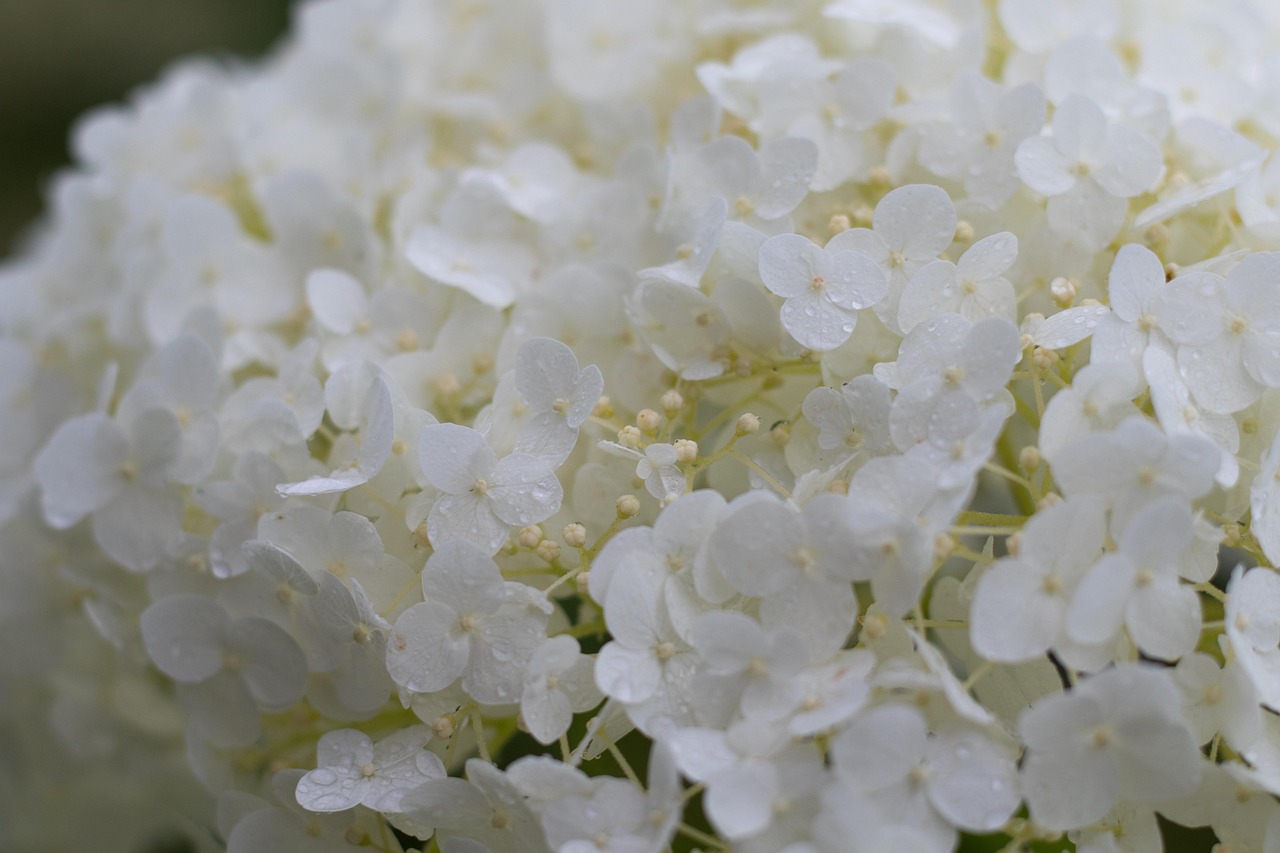
As your Annabelle hydrangeas reach their full mature size, their iconic, massive white blooms can become a liability. While these shrubs are prized for their spectacular flowers, the weight of the blossoms—especially when soaked by heavy rain—often causes the stems to bend toward the ground or “flop.”
To keep your plants upright and tidy throughout the season, proactive structural support is essential. The most effective approach is to install support systems early, ideally in mid-spring before the plant reaches its peak growth. By setting up your supports early, the foliage will grow through and around them, naturally concealing the hardware for a cleaner aesthetic.
Consider these practical methods for managing heavy stems:
- Decorative Garden Hoops: Place circular metal or plastic hoops around the perimeter of the shrub. These are excellent for containing the outer stems and preventing them from splaying outward.
- Individual Stakes: For specific branches that appear particularly heavy, use sturdy bamboo or metal stakes. Secure the stems loosely to the stakes using soft garden twine or Velcro plant ties, ensuring you allow enough room for the stem to thicken over the season.
- Grid Supports: For a more uniform look, place a heavy-duty wire grid over the plant as it emerges. The stems will grow up through the grid, which acts as a permanent trellis for the heavy flower heads.
If you are using metal stakes, ensure they are driven deeply and firmly into the soil to prevent them from tipping under the weight of the blooms. Additionally, when performing maintenance or trimming back woody stems, always wear eye protection. Older wood can be brittle; if a stem snaps or splinters during pruning, small fragments can fly unexpectedly. By providing this support early, you ensure your hydrangeas remain a structural focal point rather than a sprawling mess in your landscape.
Ongoing Care and Troubleshooting
To keep your Annabelle hydrangeas thriving at their natural size, consistency is key. These shrubs are thirsty plants, especially during the heat of summer. During prolonged dry spells, provide a deep soak at the base of the plant once or twice a week rather than frequent, shallow sprinkles. This encourages deep root development, which helps the plant better withstand seasonal fluctuations.
Applying a two-to-three-inch layer of organic mulch, such as shredded bark or compost, is one of the most effective ways to support growth. Mulch acts as a protective barrier that retains soil moisture, suppresses competing weeds, and regulates ground temperature. Ensure the mulch does not touch the woody stems directly, as this can trap excess moisture and lead to rot.
If your Annabelle hydrangea begins to outgrow its designated space, you can manage its size through division. This is best performed in early spring, just as new growth begins to emerge. Keep in mind that this is a labor-intensive process, as these shrubs have dense, woody root systems. You will need a sharp, sterilized spade to lift the root ball and cleanly divide it into smaller sections for replanting.
Even with optimal care, you may occasionally encounter issues. If you notice persistent signs of stress, follow these steps to troubleshoot:
- Check for wilting: If the leaves wilt even when the soil is moist, check the root zone for signs of fungal pathogens or poor drainage.
- Monitor for stunted growth: If the plant fails to reach its expected height or produces unusually small blooms, test your soil pH or nutrient levels.
- Seek expert advice: If symptoms like yellowing leaves or dark spots persist, consult your local university extension office or a master gardener. They can provide specific guidance on regional soil-borne pathogens or pests that may be affecting your garden.
By observing your plants closely and addressing moisture needs early, you can ensure your hydrangeas remain healthy and vibrant throughout the growing season.

Dedicated team of gardening enthusiasts with years of hands-on experience testing lawn mowers, gardening tools, and outdoor equipment. We help home gardeners and professionals alike make informed buying decisions with honest, thorough reviews. From push mowers to pruning shears, we test it all so you don’t have to. Got a gardening tool you’d like us to review? Get in touch!