
Hydrangeas can grow anywhere from three to fifteen feet tall, depending entirely on their specific variety and growing conditions. Understanding the mature size of hydrangeas is essential for planning your landscape effectively. While some compact cultivars stay small enough for containers, other climbing or panicle types can dominate an entire garden wall.
It is important to remember that genetics dictate the maximum potential, but your local climate, soil quality, and pruning habits play a major role in actual development. A shrub that thrives in a humid, temperate climate may remain significantly smaller when planted in a harsh, dry region, so always research your specific zone.
This guide explores how large different hydrangea varieties can grow and what factors influence their development in your garden. By learning to identify your specific plant type, you can provide the right space and care to ensure your hydrangeas reach their full, healthy potential without overcrowding your beautiful outdoor living space.
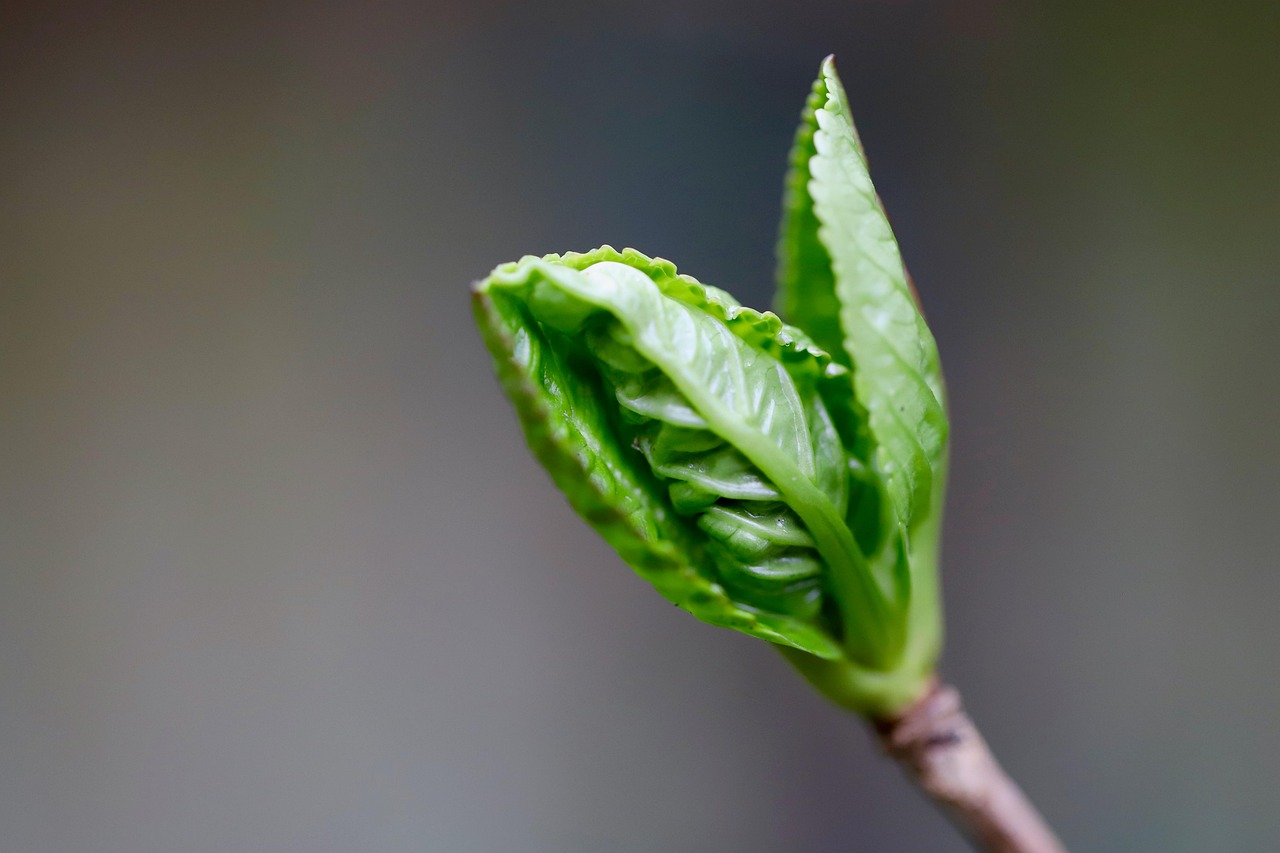
Factors That Influence Hydrangea Size
While many gardeners hope for massive blooms, the ultimate size of a hydrangea is primarily determined by its genetics. Before you plant, you must check the specific cultivar’s tag or nursery description. A dwarf hydrangea, such as ‘Bobo’, is genetically programmed to stay compact, typically reaching only three feet in height, whereas a traditional Hydrangea paniculata can easily reach heights of eight to ten feet. Variety is the single most reliable predictor of mature height and width.
Beyond genetics, several environmental factors dictate whether a plant reaches its full potential or remains stunted:
- Soil Quality: Hydrangeas are heavy feeders that thrive in rich, well-draining soil amended with organic matter. If the soil is compacted or nutrient-poor, the plant will struggle to develop the root system necessary to support expansive top growth.
- Sunlight Exposure: Most hydrangeas prefer morning sun and afternoon shade. Too little light often results in “leggy,” sparse growth as the plant stretches to find energy, while excessive, scorching sun can dehydrate the plant and limit its overall vigor.
- Climate Zones: Hardiness zones determine the length of the growing season. In regions with shorter summers, hydrangeas may not have enough time to put on significant woody growth before the first frost. Conversely, in ideal climates, established shrubs can grow significantly larger than their predicted averages.
- Water Availability: Consistent moisture is critical. Hydrangeas are thirsty plants; during dry spells, they will prioritize survival over growth. Regular, deep watering during the peak growing season ensures the plant has the resources to expand its canopy.
Practical care, such as proper pruning and seasonal fertilization, can help manage a plant’s size, but it cannot override its biological blueprint. If you are working with a small space, prioritize selecting a cultivar with a mature size that matches your available area. Trying to force a large-growing variety into a small container or tight corner will only lead to constant maintenance and plant stress.
Size Expectations by Hydrangea Type
Understanding the mature size of your hydrangea is essential for proper placement. Because these shrubs vary significantly by species, choosing the right variety for your space prevents overcrowding and reduces the need for constant, heavy pruning.
Here is the general size range you can expect from the most popular hydrangea species:
- Bigleaf Hydrangeas (Hydrangea macrophylla): These typically reach 3 to 6 feet in both height and width. While classic mophead varieties are mid-sized, newer compact cultivars are specifically bred to stay under 3 feet, making them ideal for containers or small garden beds.
- Panicle Hydrangeas (Hydrangea paniculata): These are the giants of the family. Depending on the cultivar, they can range from 3 feet to a massive 15 feet tall. Many varieties can be trained into small, single-trunk trees, while others remain manageable, rounded shrubs.
- Smooth Hydrangeas (Hydrangea arborescens): Generally reaching 3 to 5 feet, these are known for their rounded, sprawling habit. They are often pruned back to the ground in late winter, which keeps their size consistent from year to year.
- Oakleaf Hydrangeas (Hydrangea quercifolia): These are substantial, structural plants. Most varieties grow between 4 and 8 feet tall and wide. They require significant room to spread, so avoid planting them too close to walkways or foundations.
When selecting a plant, always check the specific tag or nursery description for the “mature size.” Growth rates can be influenced by your local climate, soil quality, and the amount of sunlight the plant receives. If you are gardening in a confined space, prioritize “dwarf” or “patio” series, which are genetically programmed to maintain a smaller footprint without sacrificing bloom quality.
Remember that hydrangeas often grow wider than they are tall. When calculating how much space you need, ensure you account for the mature spread to allow for adequate airflow, which helps prevent common fungal issues like powdery mildew. Proper spacing at planting time is the most effective way to ensure your hydrangeas thrive for years to come.

Managing Growth Through Pruning and Maintenance
While hydrangeas naturally reach impressive sizes, you can effectively manage their footprint through strategic pruning. Understanding your specific hydrangea variety is the first step, as pruning at the wrong time can remove next year’s flower buds. Generally, hydrangeas that bloom on “old wood” should be pruned immediately after flowering, while those that bloom on “new wood” are best cut back in late winter or early spring.
To maintain a specific size, focus on structural pruning rather than just shearing the exterior. Shearing often leads to dense, weak growth that prevents light from reaching the center of the shrub. Instead, follow these steps to keep your plant healthy and compact:
- Identify the oldest, thickest canes and cut them back to the ground to encourage fresh, vigorous growth.
- Remove any dead, damaged, or crossing branches to improve airflow and reduce disease risk.
- Trim back long, leggy stems to a healthy set of buds to encourage branching and a fuller, more controlled shape.
Safety is paramount when performing these tasks. Always wear heavy-duty gardening gloves to protect your hands from sharp thorns, rough bark, and potential skin irritants found on some plant stems. When using sharp bypass pruners or long-handled loppers, you must also wear eye protection. Debris, such as small twigs or sap, can easily fly into your eyes during a cut, and sharp blades pose a risk of accidental slips. Using proper safety gear ensures you can maintain your garden without the risk of cuts or eye injuries.
Consistency is key to size management. Rather than performing a drastic “hard prune” that shocks the plant, aim for light, annual maintenance. By removing a portion of the older growth each season, you keep the hydrangea within your desired dimensions while ensuring it remains productive and aesthetically pleasing. If you find your hydrangea is consistently outgrowing its space, it may be a sign that the variety was incorrectly placed for the site, and transplanting it to a larger area may ultimately be the most practical long-term solution.
Spacing Your Hydrangeas for Long-Term Health
Proper spacing is the most critical factor in ensuring your hydrangeas reach their full potential. Because these shrubs can grow quite large—ranging from three to ten feet in width depending on the variety—planting them too close together is a common mistake that leads to long-term health struggles.
When hydrangeas are crowded, they compete for nutrients and water. More importantly, tight spacing restricts airflow between the leaves and stems. In humid environments, this lack of circulation creates a stagnant microclimate that encourages fungal pathogens. If your plants are packed too tightly, you will likely notice powdery mildew, a white, dusty coating on the foliage that weakens the plant and ruins its aesthetic appeal.
To determine the correct spacing, always check the specific tag or nursery label for the plant’s “mature width.” Use these general guidelines to plan your layout:
- Measure from the center: When planting multiple shrubs in a row, measure the distance from the center of one plant to the center of the next based on the mature width.
- Allow for a buffer: Add an extra 12 to 18 inches to the mature width measurement. This provides a “breathing room” buffer that ensures air can circulate freely even after the plant reaches its full size.
- Consider wall proximity: If planting against a house or fence, ensure the center of the shrub is at least half of its mature width away from the structure to prevent moisture buildup against your siding.
While a garden may look sparse when you first install young hydrangeas, resist the urge to crowd them for an “instant” full look. Hydrangeas are fast growers; giving them the space they need now prevents the need for aggressive pruning or transplanting later. By respecting their mature size, you create a vibrant, healthy garden that remains resistant to disease and flourishes for years to come.

Common Questions and Care Tips
Pruning is essential for managing the size of your hydrangeas, but timing is everything. If you prune at the wrong time, you risk cutting off next year’s flower buds. As a general rule, prune mophead and lacecap varieties immediately after they finish blooming in mid-summer. For panicle and smooth hydrangeas, which bloom on new wood, prune in late winter or early spring before new growth begins.
Heavy blooms are a hallmark of healthy hydrangeas, but they can cause stems to droop or snap, especially after heavy rain. To support these large flower heads, try these practical methods:
- Decorative Stakes: Insert bamboo or metal stakes near the base of the plant and use soft twine to gently gather the stems.
- Grow-through Supports: Place metal grid supports over the plant in early spring; as the hydrangea grows, the stems will naturally weave through the grid for hidden stability.
- Strategic Planting: Position hydrangeas near other sturdy shrubs or fences that can provide natural wind protection and physical support.
While routine maintenance keeps most plants manageable, some hydrangeas may eventually outgrow their designated space or develop structural issues. If your shrub has become woody, sparse at the base, or is leaning dangerously toward your home’s foundation, it may be time for professional intervention. Significant overgrowth or signs of instability—such as large cracks in the main stems or a persistent lean—require expert assessment.
Before taking drastic measures, contact your local university extension office. These experts provide region-specific advice tailored to your soil conditions and climate. If you suspect the plant is structurally compromised or poses a risk to your property, consult a certified arborist. They can determine if the shrub needs a rejuvenation pruning, which involves removing the oldest canes to stimulate new, stronger growth, or if the plant requires removal for safety. Proper care ensures your hydrangeas remain a beautiful, manageable feature of your landscape for years to come.

Dedicated team of gardening enthusiasts with years of hands-on experience testing lawn mowers, gardening tools, and outdoor equipment. We help home gardeners and professionals alike make informed buying decisions with honest, thorough reviews. From push mowers to pruning shears, we test it all so you don’t have to. Got a gardening tool you’d like us to review? Get in touch!