
Learning how to apply neem oil is a simple yet effective way to manage common garden pests and fungal issues. This naturally derived horticultural tool acts as a powerful deterrent, helping you protect your plants without relying on harsh synthetic chemicals. By following the correct steps, you can keep your home garden thriving all season long.
While neem oil is highly versatile, achieving the best results requires consistency and careful preparation. It is important to understand that this treatment works best as a preventative measure or for controlling light infestations rather than as an instant cure. Always consider the local ecosystem, as timing your application correctly helps protect beneficial garden insects.
This guide provides clear, practical instructions on how to properly mix, apply, and time your treatments for maximum effectiveness. We will walk you through the necessary dilution ratios and safety precautions to ensure your plants remain healthy and vibrant. Follow these expert tips to master the application process and maintain a thriving, pest-free garden environment.

Understanding Neem Oil and Its Uses
Neem oil is a naturally occurring pesticide extracted from the seeds of the neem tree (Azadirachta indica). It is a staple in organic gardening because it offers a multi-faceted approach to pest and disease management without relying on harsh synthetic chemicals.
Unlike traditional contact insecticides that kill on impact, neem oil works primarily through ingestion and hormonal disruption. When insects consume treated plant tissue, the oil acts as an anti-feedant, causing them to stop eating. Furthermore, it functions as a growth regulator, preventing larvae from maturing and reproducing. This systemic approach is highly effective for managing common soft-bodied pests, including:
- Aphids: These sap-sucking insects often cluster on new growth.
- Spider Mites: Tiny pests that thrive in dry conditions and cause stippled, yellowing leaves.
- Whiteflies: Often found on the undersides of leaves, these pests can quickly weaken a plant.
Beyond its role as an insecticide, neem oil is a powerful fungicide. It is particularly useful for managing powdery mildew, a common fungal issue that appears as a white, dusty coating on foliage. By coating the leaves, the oil disrupts the fungal spores’ ability to germinate and spread, effectively protecting your plants from further infection.
Understanding these properties is essential for effective plant care. Neem oil is best used as a preventative measure or at the very first sign of an infestation. Because it is a biological product, it requires consistent application to maintain a protective barrier on your plants. However, it is important to remember that neem oil is non-selective; while it is safer than many alternatives, you should avoid spraying it directly on beneficial pollinators like bees and butterflies when they are active.
Before applying, always identify your specific plant problem. If you are dealing with a severe infestation or a pest not listed above, neem oil may be part of an integrated pest management strategy rather than a standalone cure. When used correctly, it provides a safe, reliable way to keep your home garden thriving.
Safety Precautions and Protective Gear
Before you begin applying neem oil to your plants, prioritizing safety is essential. While neem oil is a naturally derived botanical product, it remains a concentrated substance that can cause irritation if handled improperly. Taking a few moments to prepare ensures a safe experience for you, your family, and your pets.
Always wear appropriate personal protective equipment (PPE) to minimize direct contact with the solution. Neem oil can cause skin redness or eye discomfort upon contact, so follow these guidelines:
- Gloves: Wear chemical-resistant or nitrile gloves to protect your hands while mixing and spraying.
- Eye Protection: Use safety goggles to prevent accidental splashes from reaching your eyes.
- Clothing: Wear long sleeves and pants to reduce the amount of exposed skin.
Environmental conditions play a significant role in safe application. Always work in a well-ventilated area, preferably outdoors. Avoid spraying on windy days; even a light breeze can cause the mist to drift, potentially exposing you or landing on non-target plants. If you must treat indoor plants, move them to a garage or a sheltered patio to ensure proper airflow and prevent the oil from settling on furniture or floors.
Timing is critical when protecting others in your household. Keep pets and children away from the treated area during the application process. Because neem oil is most effective when wet but can be irritating until it sets, wait until the foliage has completely dried before allowing pets or children back into the garden space. Typically, this takes a few hours, depending on humidity and sunlight levels.
Finally, always store your neem oil concentrate in its original, tightly sealed container in a cool, dark place. Keep it well out of reach of children and pets at all times. By following these straightforward precautions, you can effectively manage garden pests while maintaining a safe environment for your entire household.
Mixing Your Neem Oil Solution
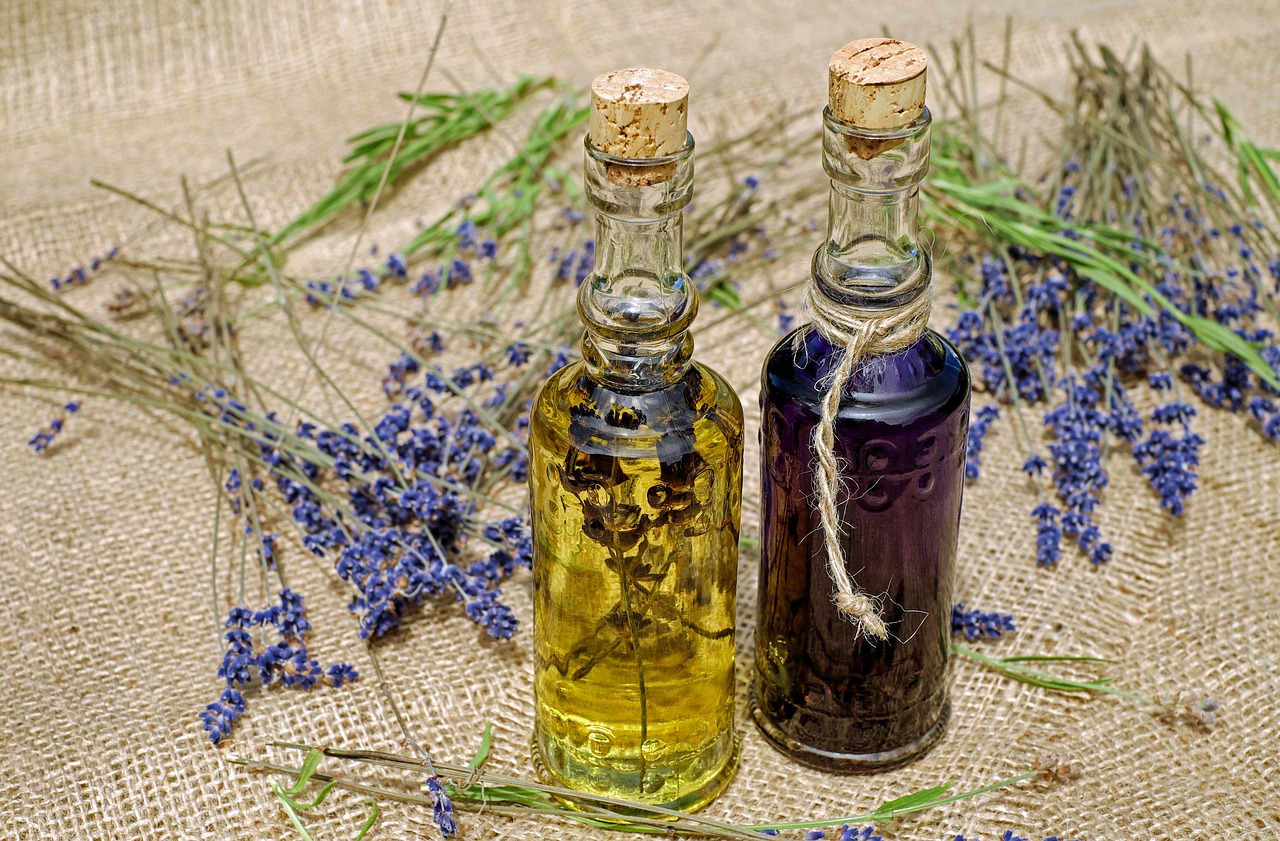
Neem oil is hydrophobic, meaning it does not naturally blend with water. To create an effective spray, you must use an emulsifier to help the oil and water combine into a stable mixture. Without this step, the oil will simply float on the surface, leading to an uneven application that can clog your sprayer or fail to coat your plants properly.
To prepare your solution, follow these precise steps:
- Fill a spray bottle with one quart of warm water. Using warm water—not hot—helps the oil blend more easily.
- Add half a teaspoon of mild, scent-free liquid dish soap to the water. This acts as the emulsifier.
- Add one teaspoon of pure, cold-pressed, raw neem oil to the bottle.
- Seal the bottle tightly and shake it vigorously for at least 30 seconds until the mixture looks uniform and milky.
Once you have mixed the solution, it is vital to use it immediately. Neem oil begins to break down and lose its potency as soon as it comes into contact with water. If the mixture sits for more than a few hours, the active compounds degrade, making the spray significantly less effective against pests and fungal issues.
Because the solution loses its stability quickly, only mix the amount you intend to use in a single session. If you notice the oil separating while you are working in the garden, give the bottle another thorough shake to ensure the concentration remains consistent. Avoid storing leftover mixture for future use; it is always better to mix a fresh batch to ensure you are getting the full benefit of the neem oil’s protective properties. Always test the solution on a small, inconspicuous leaf before spraying the entire plant to ensure your specific variety does not have a negative reaction to the concentration.
Step-by-Step Application Technique
Before applying neem oil to your entire plant, always perform a patch test. Mix a small amount of your solution and apply it to a single leaf or a small, inconspicuous branch. Wait 24 hours to observe the area for signs of wilting, browning, or spotting. If the plant shows no negative reaction, it is safe to proceed with a full application.
When you are ready to treat the plant, follow these steps for the most effective coverage:
- Shake thoroughly: Neem oil tends to separate from water. Shake your spray bottle vigorously before and frequently during the application process to ensure a consistent mixture.
- Coat every surface: Pests like aphids, spider mites, and whiteflies often congregate on the undersides of leaves. Spray the tops and bottoms of all foliage, as well as the stems and the soil surface, until the plant is dripping wet.
- Maintain consistency: For active infestations, repeat the application every 7 to 14 days. This breaks the life cycle of the pests by targeting eggs and larvae that may have survived the initial spray.
Timing is critical to prevent plant damage and protect beneficial insects. Never apply neem oil during the heat of the day or when the plant is in direct, intense sunlight. The oil acts as a magnifying glass for UV rays, which can quickly lead to severe leaf burn. Instead, apply the solution in the early morning or late evening.
Evening applications are particularly beneficial for pollinator safety. By spraying after sunset, you allow the oil to dry before bees and other helpful insects become active the following morning. Always store your leftover mixture in a cool, dark place, but remember that neem oil loses its potency once mixed with water. For the best results, mix only what you need for each session and use it immediately to ensure the solution remains effective against pests while staying gentle on your garden.

Follow-Up Care and Common Questions
Consistency is the key to successfully managing garden pests with neem oil. Because neem oil works primarily as an insect growth regulator rather than a quick-acting contact killer, you must be patient. To effectively break the lifecycle of pests like aphids, spider mites, and whiteflies, repeat your applications every 7 to 14 days.
Even if the infestation appears to vanish after the first spray, continue the schedule to catch any newly hatched larvae or emerging pests. However, moderation is vital. If you do not see a noticeable improvement after three consecutive treatments, stop the application. Continuing to spray a struggling plant can cause leaf burn or chemical stress.
When monitoring your plants, keep these safety guidelines in mind:
- Check plant health: Never apply neem oil to plants that are already stressed, wilting, or suffering from drought. Always water your plants thoroughly a few hours before treatment to ensure they are hydrated and resilient.
- Test first: If you are unsure how a specific plant will react, perform a patch test on a single leaf and wait 24 hours to check for signs of phytotoxicity, such as yellowing or browning.
- Storage matters: Neem oil is sensitive to environmental conditions. Store your concentrate or mixed solution in a cool, dark place away from direct sunlight, which can cause the active ingredients to degrade and lose potency.
If your plant continues to show signs of distress or if the pest population remains high despite your efforts, it is time to seek professional advice. Reach out to a local nursery or your regional university extension office. They can help you develop an integrated pest management (IPM) plan tailored to your specific climate and plant varieties. Expert guidance can help you identify underlying issues, such as soil health or environmental factors, that might be inviting pests back to your garden. By combining neem oil with proper cultural practices, you create a sustainable environment where your plants can truly thrive.

Dedicated team of gardening enthusiasts with years of hands-on experience testing lawn mowers, gardening tools, and outdoor equipment. We help home gardeners and professionals alike make informed buying decisions with honest, thorough reviews. From push mowers to pruning shears, we test it all so you don’t have to. Got a gardening tool you’d like us to review? Get in touch!