
To master Calathea orbifolia care, you must prioritize consistent high humidity and bright, indirect light. While this stunning plant is prized for its wide, silver-striped leaves, it has a reputation for being a bit finicky for beginners. Following a few specific environmental rules will keep your plant thriving and vibrant throughout the year.
Successfully growing this tropical beauty requires realistic expectations regarding your home environment. Because these plants originate from the rainforest floor, they struggle in dry air or direct sunlight, which can quickly lead to brown, crispy edges. Understanding these natural preferences is the key to maintaining their lush, healthy appearance without constant stress.
This guide provides practical, actionable advice to help you master the specific light, water, and humidity needs of this beautiful indoor plant. We will break down the essential steps for soil selection, watering frequency, and troubleshooting common issues. By following these clear, expert tips, you can confidently cultivate a thriving Calathea orbifolia in your own home.

Ideal Light and Temperature Requirements
The Calathea orbifolia is prized for its stunning, silver-striped leaves, but it is a tropical plant that requires specific environmental conditions to maintain its health. Providing the correct balance of light and temperature is the most critical step in preventing leaf browning and curling.
This plant thrives in bright, indirect light. In its natural rainforest habitat, it grows under the canopy, shielded from the harsh intensity of the sun. If you expose your Calathea to direct sun, the delicate foliage will quickly scorch, leading to unsightly brown patches or faded patterns. To mimic its ideal environment, consider the following placement strategies:
- East-facing windows: These are often ideal, as they provide gentle morning light that is rarely strong enough to burn the leaves.
- South or west-facing windows: If you use these locations, place the plant several feet back from the glass or use a sheer curtain to diffuse the light.
- Low-light corners: While the plant is shade-tolerant, it will grow very slowly and may lose its vibrant variegation if kept in a dark room.
Temperature consistency is equally important for the Calathea orbifolia. It prefers a stable environment, ideally between 65 and 75 degrees Fahrenheit (18 to 24 degrees Celsius). Because this plant is sensitive to sudden shifts, you must be mindful of its placement relative to your home’s climate control systems.
Avoid placing your plant in areas prone to temperature fluctuations, such as:
- Directly in the path of air conditioning vents or heating ducts.
- Near drafty windows or exterior doors that are frequently opened during winter.
- In close proximity to radiators or space heaters, which can dry out the air and stress the plant.
By keeping your Calathea in a steady, temperate spot with filtered light, you create the foundation for lush, healthy growth. If you notice the leaves drooping or becoming brittle, it is often a sign that the plant is either too cold or receiving too much direct light.
Watering and Soil Moisture Best Practices
Achieving the perfect balance of soil moisture is the most critical aspect of caring for your Calathea orbifolia. These plants thrive in consistently damp, but never waterlogged, soil. To determine when it is time to water, perform a simple finger test: insert your finger about one inch into the soil. If it feels dry to the touch, it is time to provide moisture. If the soil still feels damp, wait a few more days to avoid overwatering.
The quality of your water significantly impacts the health of your plant. Calathea orbifolia are notoriously sensitive to the chemicals, salts, and minerals commonly found in municipal tap water, which can cause brown, crispy leaf edges. Whenever possible, use filtered, distilled, or rainwater. Additionally, ensure the water is at room temperature to avoid shocking the plant’s root system.
Proper drainage is non-negotiable for preventing root rot, a common killer of indoor foliage. Always ensure your decorative pot has functional drainage holes at the bottom. If you are using a pot without holes, use a plastic nursery liner inside to catch excess water and prevent it from pooling around the roots.
Maintenance pruning is also essential for keeping your plant healthy and aesthetically pleasing. When you notice yellowing or dead leaves, remove them promptly to redirect the plant’s energy toward new growth. Follow these best practices for pruning:
- Use only clean, sharp pruning shears to ensure a precise cut and minimize stress to the stems.
- Wipe your scissor blades with rubbing alcohol between each cut or between different plants. This simple step is vital to prevent the spread of fungal or bacterial diseases.
- Always make your cut at the base of the stem, close to the soil line, without damaging the main crown of the plant.
By monitoring soil moisture levels closely and practicing clean maintenance habits, you will create the ideal environment for your Calathea orbifolia to flourish and maintain its stunning, broad foliage.
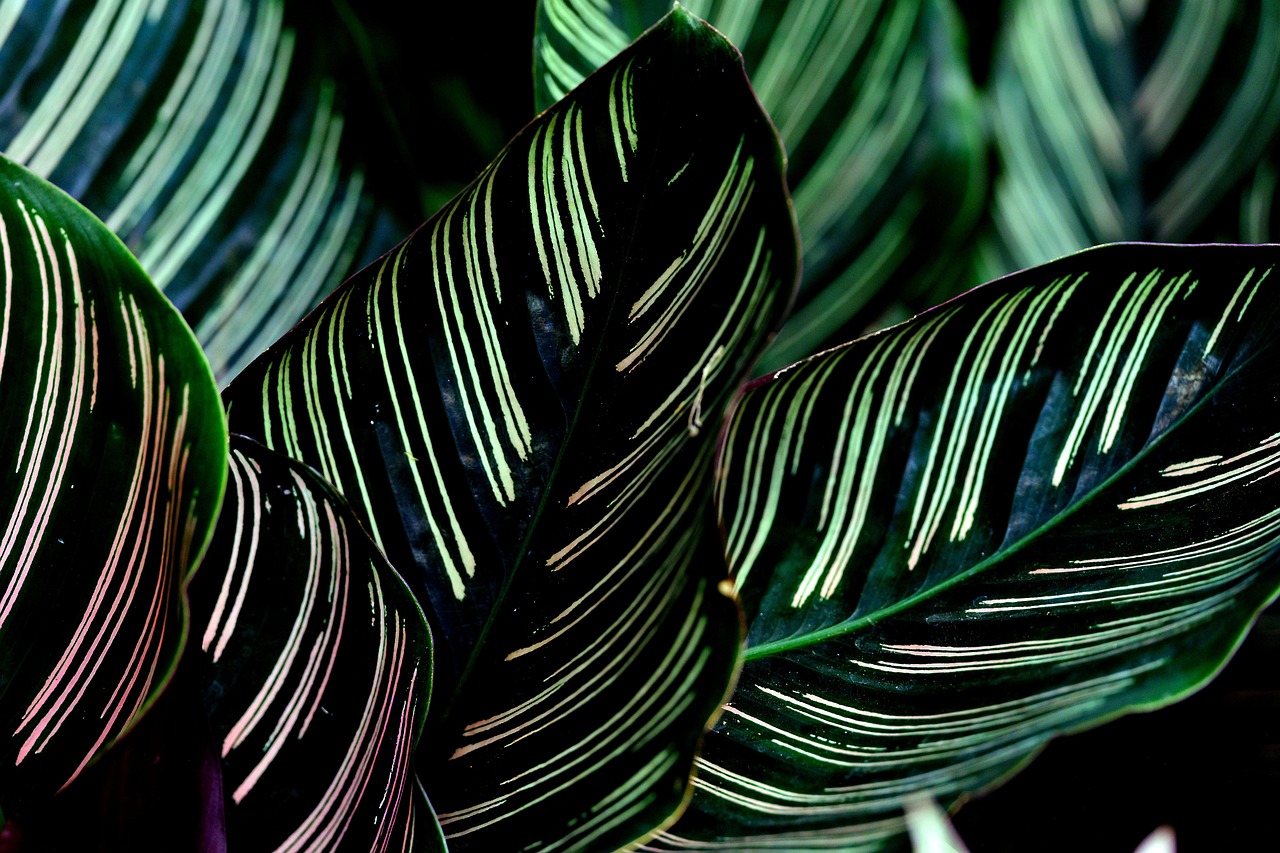
Creating the Right Humidity Environment
The Calathea orbifolia is a true tropical native that thrives in environments where moisture is abundant. In a typical home setting, the air is often too dry, which frequently causes the plant’s wide, beautiful leaves to develop unsightly brown, crispy edges. To keep your plant looking its best, aim to maintain ambient humidity levels above 50 percent.
While misting the leaves is a common suggestion, it is generally ineffective and potentially harmful. Water sitting on the foliage can encourage fungal growth and leaf spots. Instead, focus on these more reliable methods to boost the moisture in your plant’s immediate environment:
- Use a humidifier: This is the most effective way to provide consistent moisture. Place a humidifier near your plant to create a stable, humid zone throughout the day.
- Create a microclimate: Grouping your Calathea with other tropical plants allows them to share moisture released through transpiration, effectively raising the humidity level in that specific corner of the room.
- Use a pebble tray: Fill a shallow tray with decorative pebbles and add enough water to reach just below the top of the stones. Place your pot on top of the pebbles, ensuring the bottom of the pot does not touch the water. As the water evaporates, it creates a localized humid pocket around the plant.
Monitoring your plant is the best way to determine if your efforts are working. If you notice the leaf tips curling or turning brown despite regular watering, it is a clear sign that the air is too dry. During winter months, when indoor heating systems significantly lower humidity, you may need to move your plant away from vents or radiators to prevent rapid moisture loss. By prioritizing a stable, humid environment, you will help your Calathea orbifolia maintain its lush, vibrant appearance year-round.
Fertilizing and Soil Health
Proper nutrition and soil management are essential for maintaining the lush, vibrant foliage of your Calathea orbifolia. Because this plant is sensitive to chemical buildup, a gentle approach to fertilization is best to avoid burning the delicate root system.
During the active growing season—typically spring and summer—feed your plant once a month. Use a balanced, water-soluble fertilizer specifically formulated for houseplants, but always dilute it to half-strength. If you notice the leaves becoming yellow or brown at the edges, it may be a sign of over-fertilization; in this case, flush the soil with distilled water to remove excess salts.
As autumn approaches and light levels drop, stop fertilizing entirely. The plant enters a period of dormancy during the winter months, and providing nutrients when growth has slowed can lead to root damage.
Soil health is equally vital for preventing root rot, which is a common issue for this species. Your Calathea orbifolia thrives in a medium that stays consistently moist but never soggy. When selecting or mixing your potting medium, look for these qualities:
- High Organic Content: A peat-based mix provides the necessary acidity and structure.
- Excellent Drainage: Incorporate perlite or coarse sand to ensure excess water can escape quickly.
- Aeration: The soil should be light and airy to allow oxygen to reach the roots.
You do not need to repot your plant frequently. In fact, Calathea orbifolia prefers to be slightly snug in its container. Only move your plant to a new pot when it becomes clearly root-bound, which is indicated by roots growing out of the drainage holes or the soil drying out significantly faster than usual. When you do repot, choose a container only one size larger than the current one and ensure it features ample drainage holes to protect the plant from waterlogging.

Troubleshooting Common Issues and Follow-up Care
Even with the best intentions, your Calathea orbifolia may occasionally show signs of distress. Learning to read these visual cues is the first step toward restoring your plant’s health. Most issues stem from subtle imbalances in moisture or environmental conditions.
If you notice yellowing leaves, it is often a primary indicator of overwatering or poor drainage. Ensure your pot has adequate drainage holes and allow the top inch of soil to dry out between waterings. Conversely, curling leaves generally signal that the plant is thirsty or suffering from low humidity. If the soil is dry to the touch, give your plant a thorough soak, and consider placing it near a humidifier to mimic its native tropical habitat.
Pests can be a persistent challenge for indoor gardeners. If you spot fine webbing or tiny spots on the undersides of leaves, you are likely dealing with spider mites. Follow these steps to manage an infestation:
- Immediately isolate the affected plant from your other houseplants to prevent the spread.
- Gently wipe both sides of every leaf with a soft, damp cloth to physically remove the pests.
- Apply a mild insecticidal soap or neem oil solution if the infestation persists.
If your plant continues to decline despite correcting your watering and humidity habits, it is time to inspect the root system. Gently remove the plant from its pot to check for mushy, dark, or foul-smelling roots, which are classic signs of root rot. Trim away any decayed sections with sterilized shears and repot the plant in fresh, well-draining soil.
Safety is a priority during any maintenance task. Always wear gardening gloves when handling soil or pruning your Calathea. This simple precaution protects your skin from potential irritation caused by plant sap or exposure to soil-borne bacteria. By staying observant and proactive, you can ensure your Calathea orbifolia remains a vibrant, healthy centerpiece in your home for years to come.

Dedicated team of gardening enthusiasts with years of hands-on experience testing lawn mowers, gardening tools, and outdoor equipment. We help home gardeners and professionals alike make informed buying decisions with honest, thorough reviews. From push mowers to pruning shears, we test it all so you don’t have to. Got a gardening tool you’d like us to review? Get in touch!