
If you are wondering about Calathea how to care for, the secret lies in mimicking their native tropical habitat. These plants thrive when provided with consistent moisture, high humidity, and bright, indirect light. By focusing on these three environmental pillars, you can prevent common issues like brown leaf edges and drooping foliage.
While Calatheas have earned a reputation for being finicky, they are quite manageable once you understand their specific needs. They are not low-light plants that survive on neglect, but they are incredibly rewarding for indoor gardeners. Setting realistic expectations ensures you provide the stable, warm environment these stunning, patterned plants truly require.
This guide provides practical, actionable steps to help your Calathea flourish inside your home. We will cover essential watering techniques, ideal soil mixes, and how to troubleshoot common growth problems effectively. Follow these expert tips to transform your living space into a lush sanctuary and keep your prayer plants healthy and vibrant.

Ideal Light and Temperature Conditions
Calatheas are native to the shaded floors of tropical rainforests, which dictates their specific light requirements. To keep your plant healthy, provide bright, indirect light. This mimics the dappled sunlight they receive under a forest canopy.
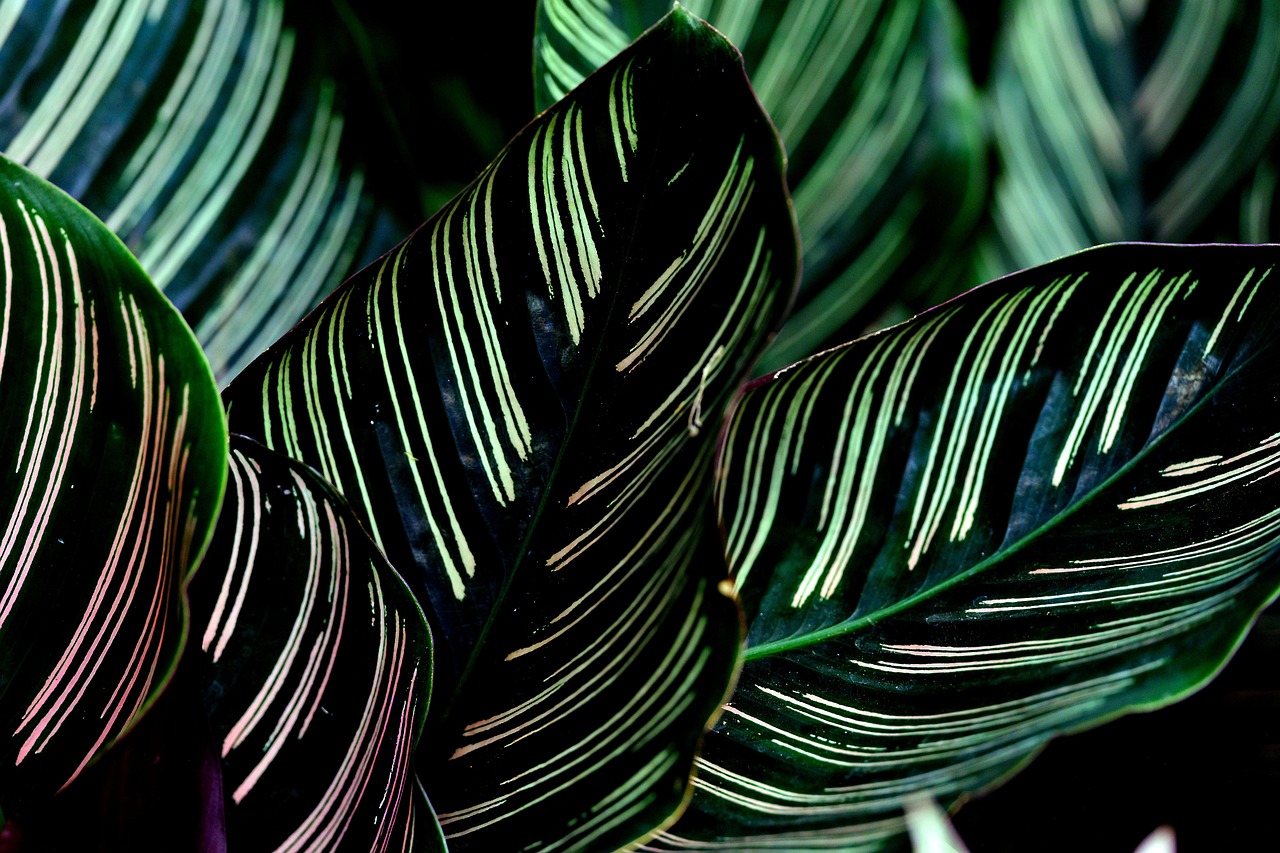
Direct sunlight is the primary enemy of Calathea foliage. Even a few hours of intense rays can scorch their delicate leaves, leading to unsightly brown patches and the fading of their intricate, colorful patterns. If you notice the leaves losing their vibrancy or developing crispy edges, move the plant further away from the window.
For the best results, follow these placement guidelines:
- Optimal Positioning: Place your Calathea near a north or east-facing window. These locations provide gentle morning light without the harsh intensity of afternoon sun.
- Use Sheers: If you only have a south or west-facing window, use a sheer curtain to filter the light and protect the leaves from burning.
- Rotation: Periodically rotate your plant to ensure all sides receive even light, which encourages symmetrical growth.
Temperature consistency is equally vital for maintaining a thriving Calathea. These plants are sensitive to environmental fluctuations and prefer a stable climate ranging between 65 and 80 degrees Fahrenheit (18 to 27 degrees Celsius). They are true tropicals and do not tolerate cold stress well.
To protect your plant from temperature shock, avoid the following areas:
- Drafty Hallways: Cold air entering from doors or drafty windows can cause leaves to curl or drop prematurely.
- HVAC Vents: Keep your Calathea away from air conditioning vents and heating ducts. These produce forced air that dries out the foliage rapidly and creates extreme temperature swings.
- Near Appliances: Avoid placing plants directly on top of or immediately next to heat-generating electronics or radiators.
By mimicking their natural, stable environment, you provide the foundation necessary for your Calathea to remain lush, vibrant, and healthy year-round.
Watering and Humidity Requirements
Calatheas are tropical plants that thrive in environments mimicking their native rainforest floor. Mastering their watering and humidity needs is the most effective way to prevent the dreaded brown, crispy leaf edges that often plague these stunning plants.
Humidity is perhaps the most critical factor for success. Calatheas prefer consistent moisture in the air, ideally between 50% and 70%. If your home is dry, especially during winter, consider these practical steps:
- Use a humidifier: Placing a small humidifier nearby is the most reliable way to maintain adequate moisture levels.
- Group plants together: Clustering your Calatheas with other humidity-loving plants creates a microclimate that naturally increases the ambient humidity.
- Avoid misting: While popular, misting provides only temporary relief and can sometimes encourage fungal issues on foliage.
When it comes to watering, consistency is key. You should aim to keep the soil lightly moist but never waterlogged. A reliable rule of thumb is to check the soil with your finger; when the top inch feels dry to the touch, it is time to water. Always ensure your pot has adequate drainage holes to prevent excess water from pooling at the bottom, which can quickly lead to root rot.
The quality of your water also matters significantly. Calatheas are notoriously sensitive to the minerals, fluoride, and chlorine commonly found in standard tap water. These chemicals can build up in the soil and cause leaf tip burn. To keep your plant looking its best, use one of the following alternatives:
- Filtered water: A standard water pitcher filter can remove many of the harsh chemicals.
- Distilled or rainwater: These are the safest options, as they are free from the additives that stress these sensitive plants.
By mimicking the humid, filtered environment of their natural habitat, you will provide your Calathea with the stability it needs to produce vibrant, healthy new growth.
Soil and Fertilizer Best Practices
Choosing the right soil is the foundation of a healthy Calathea. These plants thrive in environments that mimic their native tropical forest floor, meaning they require a medium that stays consistently moist but never soggy. If the roots sit in standing water, they will quickly succumb to rot.
For the best results, use a high-quality, peat-based potting mix. You can easily create an ideal environment by blending standard indoor potting soil with components that improve aeration and drainage. Aim for a mixture that includes:
- Peat moss or coco coir: To retain necessary moisture.
- Perlite or pumice: To ensure excess water drains away and roots receive oxygen.
- Orchid bark (optional): To further improve drainage and replicate a natural, airy substrate.
Proper nutrition is equally important for maintaining those vibrant, patterned leaves. During the active growing season—typically from early spring through late summer—your Calathea will appreciate regular feeding to support new growth.
Follow these fertilization guidelines to keep your plant thriving:
- Use a balanced formula: Select a standard, water-soluble houseplant fertilizer.
- Dilute for safety: Mix the fertilizer at half the strength recommended on the product label. Calatheas are sensitive to salt buildup, and a weaker solution prevents root burn.
- Frequency: Apply the diluted mixture once a month during the growing season.
- Observe dormancy: Stop fertilizing entirely during the autumn and winter months. As light levels drop, the plant enters a period of dormancy and grows much slower. Adding fertilizer during this time can lead to a buildup of minerals in the soil, which may damage the sensitive root system.
Always water your plant lightly before applying fertilizer to ensure the roots are hydrated and ready to absorb nutrients efficiently. If you notice white crusting on the surface of your soil, flush the pot with distilled water to remove excess mineral deposits, then resume your regular care routine.
Safety and Maintenance Tools
Proper maintenance is essential for keeping your Calathea healthy and vibrant. Because these plants have delicate foliage, using the right tools ensures you can manage growth without causing unnecessary stress or introducing pathogens to your plant.
When pruning yellowing or damaged leaves, always use sharp, high-quality pruning shears. A clean, precise cut helps the plant heal quickly and prevents the ragged tissue damage that often occurs with dull blades or tearing. Before and after every session, wipe your blades thoroughly with isopropyl alcohol. This simple step eliminates bacteria and fungal spores, protecting your Calathea from potential infections.
For repotting tasks or significant pruning, consider these best practices for tool safety and plant hygiene:
- Keep blades sharp: Dull tools crush plant stems rather than slicing through them, which can lead to browning at the cut site.
- Sanitize regularly: Never use dirty shears on multiple plants, as this can easily spread pests or diseases across your collection.
- Protect your skin: If you have sensitive skin, wear gardening gloves during repotting to avoid irritation from soil, fertilizers, or plant sap.
- Secure your equipment: Once you have finished your maintenance, store all shears and trowels in a locked cabinet or high shelf.
While Calatheas are generally non-toxic to pets, gardening tools can pose a physical hazard. Always ensure that sharp implements are kept out of reach of children and curious pets immediately after use. By treating your tools with the same care as your plants, you create a safer, more efficient environment for your indoor garden to thrive.
Finally, inspect your tools periodically for rust or loose hinges. Well-maintained equipment not only lasts longer but also provides the precision required to keep your Calathea’s foliage looking its best. Consistent, careful maintenance is the most effective way to prevent long-term issues and ensure your plant remains a stunning focal point in your home.

Common Troubleshooting and Ongoing Care
Calatheas are notoriously expressive plants. When their needs aren’t met, they quickly communicate through changes in their foliage. Learning to interpret these visual cues is the key to long-term success.
If you notice yellowing leaves, it is often a sign of overwatering or poor drainage. Calatheas prefer soil that stays consistently moist but never soggy. Always check that your pot has adequate drainage holes and allow the top inch of soil to dry out slightly before watering again.
Curling leaves typically indicate that the plant is struggling with low humidity or underwatering. Because these plants are native to tropical environments, they thrive in humidity levels above 50%. If your home air is dry, consider using a humidifier nearby or grouping your plants together to create a more favorable microclimate.
To keep your Calathea healthy and photosynthesizing efficiently, focus on these maintenance habits:
- Dust regularly: Gently wipe the leaves with a soft, damp cloth. Dust buildup blocks sunlight and can attract pests.
- Check for pests: Inspect the undersides of leaves for webbing or tiny spots, which often indicate spider mites.
- Use filtered water: Calatheas are sensitive to minerals and chemicals found in tap water, which can cause brown, crispy leaf tips.
If your plant shows signs of severe stress or persistent pest infestations, immediate action is required to protect your collection. Isolate the affected plant from your other houseplants to prevent the spread of insects or disease. Once the plant is quarantined, examine the soil and foliage closely. If you cannot identify the issue, take a clear photo or a leaf sample to a local nursery professional. They can provide specific treatment advice, such as recommending organic neem oil or specialized potting mixes, to help your Calathea recover. With consistent care and a watchful eye, most Calatheas can bounce back from minor setbacks and return to their vibrant, patterned beauty.

Dedicated team of gardening enthusiasts with years of hands-on experience testing lawn mowers, gardening tools, and outdoor equipment. We help home gardeners and professionals alike make informed buying decisions with honest, thorough reviews. From push mowers to pruning shears, we test it all so you don’t have to. Got a gardening tool you’d like us to review? Get in touch!