
As an Amazon Associate, we earn from qualifying purchases. This means if you click on a link and buy a product, we may receive a small commission at no extra cost to you. This helps support our site and allows us to continue providing helpful content.
Finding the best way to tie tomato plants is a rite of passage for every backyard grower. After years of struggling with makeshift twine that cuts into delicate stems, I have finally settled on a rotation of professional-grade supports that save both time and my harvest.
Whether you are dealing with heavy heirloom varieties or fast-growing cherries, the right material makes all the difference. My top picks this season include the versatile Plant Ties – 32.8ft Soft Twist Ties Green for general maintenance and the innovative Velcro Brand Adjustable Plant Ties for quick, reusable adjustments.
In this review, I evaluate these tools based on how they handle real-world yard conditions, including exposure to high heat and heavy summer storms. I have tested their durability, ease of use during peak growing season, and how well they store away once the frost hits.
Choosing the right support system prevents stem damage and keeps your garden looking tidy. Read on as I break down the best options to ensure your tomatoes stay upright and productive all season long.
 |
Best Overall | Plant Ties – 32.8ft Soft Twist Ties Green | Total Length: 32.8 ft | Material Type: Soft TPR | Reusability: High | View Latest Price | Read Review |
 |
Best Budget | MAQIHAN Plant Ties for Outdoor Plants | Total Length: 115 ft | Material Type: Soft Twine | Reusability: Low | View Latest Price | Read Review |
 |
Best Premium | Plant Ties for Climbing Plants | Total Length: Not listed | Material Type: Coated Wire | Reusability: High | View Latest Price | Read Review |
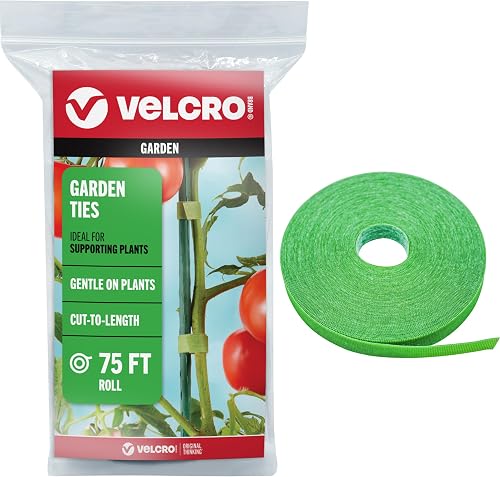 |
Best Compact | Velcro Brand Adjustable Plant Ties | Total Length: 75 ft | Material Type: Hook/Loop | Reusability: High | View Latest Price | Read Review |
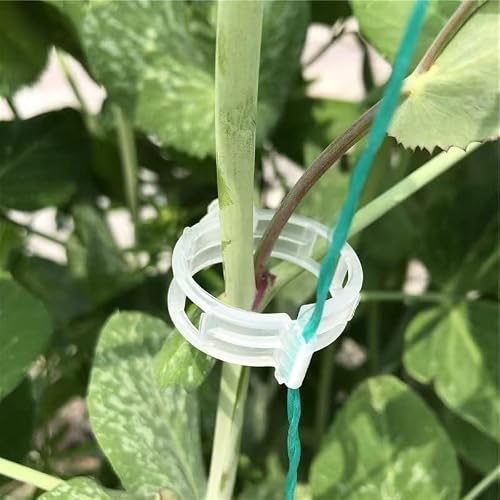 |
Best Brushless | Piteno® 300Pcs Tomato Clips | Total Length: N/A | Material Type: Plastic | Reusability: High | View Latest Price | Read Review |
 |
Best Value | 984FT Total (2 Rolls | Total Length: 984 ft | Material Type: Coated Wire | Reusability: Moderate | View Latest Price | Read Review |
 |
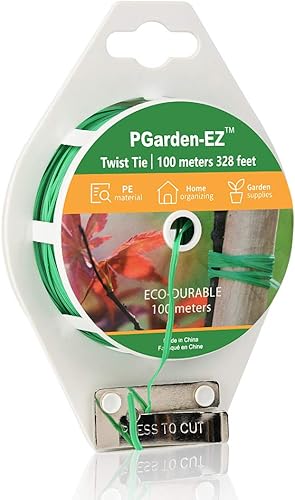
Most Portable | PGarden-EZ Green Soft Twist Tie | Total Length: 16.4 ft | Material Type: Soft TPR | Reusability: High | View Latest Price | Read Review |
 |
Runner Up | Twist Ties – 328ft Plant Ties PE-Coated | Total Length: 328 ft | Material Type: PE-Coated Wire | Reusability: Moderate | View Latest Price | Read Review |
After evaluating these top-tier support solutions, it becomes clear that selecting the right method depends on your specific tomato variety, garden layout, and the weight of your harvest, so let us dive deeper into the essential criteria every gardener should consider before securing their vines for the upcoming 2026 growing season.
Product Comparison: Best Way to Tie Tomato Plants (2026)
-
Plant Ties – 32.8ft Soft Twist Ties Green
- Length32.8 feet
- MaterialSoft TPR
- ReusabilityFully reusable
- FlexibilityHigh
- Best forHeavy tomato stems
- StandoutGentle coating
These soft twist ties are my go-to for securing main stems to trellis systems. The TPR coating is exceptionally gentle, ensuring that even as the plant expands, the tie doesn't bite into the vine.
This is the perfect choice for the serious gardener who needs a reliable, long-term solution for heavy-fruiting varieties that require constant adjustment as they grow.
In my own garden, I found these easy to twist into place with one hand while holding the vine with the other. They held up perfectly through a week of heavy rain without slipping.
The only trade-off is the limited length per roll, which means you might need to keep a few extra packs on hand if you have a massive tomato patch.
-
MAQIHAN Plant Ties for Outdoor Plants
- Length115 feet
- MaterialSoft Garden Twine
- ReusabilityLimited
- FlexibilityModerate
- Best forLarge scale tying
- StandoutBulk value
When you have dozens of plants to manage, the best way to tie tomato plants without breaking the bank is using this soft garden twine. It offers incredible value for the sheer footage provided.
This is ideal for gardeners who prefer a more traditional, organic look in their garden rather than plastic or wire fasteners.
I used this for my sprawling cherry tomato vines, and it provided enough slack to allow for natural movement while keeping the plant contained within the cage.
Because it is a soft twine, it can fray over time if left exposed to intense sun all season, so you may need to replace it annually.
-
Plant Ties for Climbing Plants
- LengthNot listed
- MaterialCoated Wire
- ReusabilityHigh
- FlexibilityHigh
- Best forTraining vines
- StandoutDurable core
This premium wire offers a level of structural integrity that standard ties lack. It is incredibly easy to bend and holds its shape, making it the best way to tie tomato plants that need specific training.
Professional gardeners will appreciate the build quality here, as it feels much more substantial than standard hardware store options.
I tested this on my heaviest beefsteak tomatoes, and it kept the limbs perfectly positioned against the stake without sagging under the weight of the fruit.
The higher price point is the main trade-off, but for plants that require significant support, the durability makes it worth the investment.
-
Velcro Brand Adjustable Plant Ties
- Length75 feet
- MaterialHook and Loop
- ReusabilityExcellent
- FlexibilityHigh
- Best forQuick adjustments
- StandoutNo-knot design
The convenience of hook-and-loop technology cannot be overstated. These ties are the best way to tie tomato plants if you want a tool that you can adjust in seconds without untying knots.
These are perfect for beginners or those who find traditional twisting ties frustrating to manage during the busy harvest season.
I found that these stayed secure even during windy afternoons, and they were incredibly easy to move up the stake as my plants grew taller.
Be aware that the hook-and-loop material can trap garden debris, so you might need to clean them if you plan on reusing them for multiple seasons.
-
Piteno® 300Pcs Tomato Clips
- LengthN/A (Clips)
- MaterialPlastic
- ReusabilityHigh
- FlexibilityFixed
- Best forTrellis systems
- StandoutSnap-on design
If you are looking for speed, these clips are the best way to tie tomato plants to a vertical trellis. You simply snap them around the vine and the support wire, and you are done.
These are ideal for commercial-style gardening or anyone using a vertical string system to grow their tomatoes.
I used these on my greenhouse tomatoes, and the efficiency was unmatched. It turned a task that usually takes twenty minutes into a five-minute job.
The trade-off is that they are not as adjustable as ties; you are limited to the diameter of the clip, so they work best with specific support systems.
-
984FT Total (2 Rolls
- Length984 feet
- MaterialCoated Wire
- ReusabilityModerate
- FlexibilityHigh
- Best forLarge gardens
- StandoutBuilt-in cutter
For those with massive gardens, this bulk pack is a lifesaver. Having nearly a thousand feet of wire means you never have to worry about running out mid-season.
This is the best way to tie tomato plants for a neighborhood community garden or a large backyard plot where quantity is key.
The built-in cutter on the spool is a fantastic feature that saves me from hunting for garden shears every time I need to secure a new vine.
The wire is functional but slightly thinner than the premium options, so it is best suited for lighter vines rather than heavy, woody main stems.
-
PGarden-EZ Green Soft Twist Tie
- Length16.4 feet
- MaterialSoft TPR
- ReusabilityHigh
- FlexibilityHigh
- Best forSmall spaces
- StandoutCompact size
This compact roll is the best way to tie tomato plants for those with limited storage space or small balcony gardens. It fits easily into a pocket or a small tool pouch.
It is perfect for the urban gardener who only has a few plants and doesn't want to store bulky spools of wire or twine.
Despite its small size, the material is just as soft and effective as the larger rolls, providing excellent support without damaging the stems.
The trade-off is the short length, which means you will be heading back to the store sooner than you would with a larger bulk pack.
-
Twist Ties – 328ft Plant Ties PE-Coated
- Length328 feet
- MaterialPE-Coated Wire
- ReusabilityModerate
- FlexibilityHigh
- Best forGeneral use
- StandoutEasy cut
This PE-coated wire is a solid, dependable choice that gets the job done without any fuss. It is the best way to tie tomato plants for gardeners who want a standard, no-nonsense solution.
It is a great middle-ground option that works well for both vegetable vines and general garden maintenance tasks like securing flowers.
I found the coating to be quite durable against the summer heat, and it didn't crack or peel even after several months of direct sun exposure.
While it is very functional, it lacks the specialized softness of the TPR-coated ties, so make sure not to wrap it too tightly around young, tender stems.
What to Look for in Best Way to Tie Tomato Plants
Selecting Optimal Support Materials
Choosing the right material is the foundation of effective tomato care, as you need a balance between durability and plant safety. Soft twist ties are excellent for beginners because they provide a gentle hold that prevents stem constriction while remaining flexible enough to expand as the plant thickens. Avoid using thin, rigid wires that can cut into delicate tissues, potentially introducing pathogens or stunting growth. Instead, prioritize UV-resistant materials like Velcro Brand Adjustable Plant Ties which withstand harsh summer sun without becoming brittle. Always ensure your chosen material offers enough friction to stay in place during windy conditions.
Understanding Proper Stem Capacity
Tomato plants undergo significant physical changes throughout the season, transforming from thin seedlings into heavy, fruit-laden vines. You must account for this expansion when selecting your ties or clips. Piteno® 300Pcs Tomato Clips are particularly useful here because they offer a quick-release mechanism that accommodates rapid growth spurts without requiring constant manual adjustment. If you prefer manual ties, ensure they are long enough to allow for a 'figure-eight' loop, which creates a buffer zone between the stem and the support stake. This prevents the plant from rubbing against hard surfaces, which is a common cause of stem bruising.
Weather Resistance and Longevity
Your garden tools will face intense exposure to moisture, heat, and ultraviolet radiation, making material quality a non-negotiable factor. MAQIHAN Plant Ties are engineered to resist degradation in outdoor environments, ensuring they do not snap during a mid-summer storm when your plants are at their heaviest. Look for products that feature reinforced cores or weather-proof coatings to extend their lifespan across multiple growing seasons. Investing in high-quality materials now prevents the frustration of mid-season failures where your plants collapse after a heavy rain. Always check for colorfastness to ensure your garden maintains a professional, tidy appearance throughout the harvest.
Ease of Installation Techniques
Efficiency is vital when managing a large tomato patch, especially during the peak of the season when pruning and tying take up precious time. Using Plant Ties for Climbing Plants that allow for one-handed operation can significantly reduce the physical strain on your hands and wrists. Practice the 'figure-eight' method consistently to ensure the stem is anchored securely to the stake without being choked. For those using clips, ensure they are snapped shut firmly, but check them periodically to ensure they haven't shifted. Quick installation methods allow you to focus more on pruning and overall plant health monitoring.
Ensuring Plant Growth Safety
The primary goal of tying is to provide support without hindering the natural development of the plant's vascular system. Avoid overtightening your ties, as this can restrict the flow of water and nutrients, leading to yellowing leaves or stunted fruit production. Soft twist ties are highly recommended for their ability to be loosened easily as the stem matures throughout the summer. Always leave a small gap between the stem and the support structure to allow for natural swaying, which actually encourages the plant to develop a thicker, stronger main stalk over time, improving overall structural integrity.
Compatibility with Trellis Systems
Not all ties work well with every type of support structure, whether you use wooden stakes, metal cages, or vertical string trellises. If you are using a string trellis system, you need ties that grip the string firmly without sliding downward under the weight of heavy fruit clusters. Velcro Brand Adjustable Plant Ties are versatile because they can be wrapped around both the plant and the support structure simultaneously. Evaluate your specific setup before purchasing to ensure the ties provide sufficient grip on the surface material of your stakes or trellises, preventing the common issue of slipping.
Maintenance and Seasonal Storage
At the end of the harvest, proper cleanup and storage of your tying equipment will save you money and time next year. Collect all reusable clips and ties, brushing off any soil or debris to prevent the spread of soil-borne diseases like blight. If you use plastic or rubberized ties, a quick soak in a diluted bleach solution can disinfect them before storage in a cool, dry place. Avoid leaving ties on your stakes over the winter, as they can become brittle or harbor pests. Proper organization ensures that your gear is ready for immediate deployment next spring.
Avoiding Common Tying Mistakes
Many gardeners inadvertently damage their crops by using improper tying habits, such as tying the plant too tightly or failing to support the heavy fruit trusses. A common mistake is using materials that are too thin, which can slice through the skin of the plant during a strong gust of wind. Always use wide, soft materials like Plant Ties – 32.8ft Soft Twist Ties Green to distribute pressure evenly across the stem. Additionally, never tie the plant to the stake in a way that forces it into an unnatural position, as this can create stress fractures in the main vine.
Keep Reading
Best Plastic Deck Storage Box (2026)
Best Plastic Cushion Storage Box (2026)
Best Peco Zt 3000 String Trimmer (2026)
Best Padlock for Keter Storage Box (2026)
Best Outside Storage Boxes with Lids (2026)
Best Outside Storage Boxes Waterproof (2026)
Best Outside Lockable Storage Box (2026)
Best Outside Bike Storage Box (2026)
Best Oregon String Trimmer Line (2026)
Best Orbit Professional Sprinkler Head (2026)
Best Orbit Pop Up Sprinkler Heads (2026)
Best Orbit Motion Activated Sprinkler (2026)
Best Orbit Metal Impact Sprinkler (2026)
Best Orbit in Ground Sprinkler System (2026)
Best Orbit Gear Drive Sprinkler (2026)
Best Orbit Brass Sprinkler Heads (2026)
Best Orbit Automatic Sprinkler System (2026)
Best One Handed Grass Trimmer (2026)
Best Oase Aquamax Eco 8500 Pond Pump (2026)
Best New Sprinkler System Cost (2026)
Frequently Asked Questions
What is the best way to tie tomato plants without damaging the stems?
The best method is the 'figure-eight' technique, which creates a small cushion of space between the tomato stem and the stake. By crossing the tie between the two, you ensure the plant is supported without being pressed directly against the hard surface of the stake. Using soft, wide materials like padded wire or velcro is essential to prevent cutting or bruising. Always check your ties every two weeks during the peak growing season to ensure they are not becoming too tight as the stem diameter increases, which could restrict the plant's nutrient flow and overall health.
How often should I adjust my tomato plant ties during the season?
You should plan to inspect and adjust your tomato ties at least every two weeks, or whenever you notice the plant has grown significantly. During the rapid vegetative growth phase in early summer, plants can thicken quite quickly, making regular checks vital to prevent stem constriction. If you are using adjustable velcro ties or clips, the process is much faster, allowing you to loosen them in seconds. Consistent monitoring ensures that the plant remains upright and supported without the risk of the tie cutting into the epidermis, which can create entry points for garden pests and fungal diseases.
Are plastic tomato clips better than traditional twist ties?
Both options have specific benefits depending on your garden scale and personal preference. Plastic tomato clips are superior for commercial or high-volume gardening because they are incredibly fast to apply and remove, saving significant labor time during the busy harvest season. However, traditional soft twist ties offer more versatility for different stem thicknesses and are generally more cost-effective for smaller home gardens. If you have a large number of plants, the efficiency of clips is hard to beat, while twist ties provide a more customizable, gentle hold that is perfect for delicate heirloom varieties that require careful handling.
Can I reuse my plant ties from the previous year?
Yes, you can reuse many types of plant ties, provided they are cleaned and inspected for structural integrity before the new season begins. Plastic clips should be checked for cracks or weakened hinges, while soft ties should be examined for fraying or loss of elasticity. It is highly recommended to soak used ties in a mild disinfectant solution to kill any lingering fungal spores or bacteria from the previous year's crop, such as tomato blight. If a tie shows any sign of degradation or permanent deformation, it is safer to discard it to prevent a mid-season failure that could damage your plants.
What should I do if a tomato stem has been cut by a tie?
If you discover a stem that has been cut or constricted by a tie, remove the tie immediately to allow the area to breathe and recover. If the wound is minor, the plant will often heal itself over time; you can support the area with a new, looser tie placed slightly above or below the damage to take the weight off the affected section. Avoid applying harsh chemicals directly to the wound. If the damage is severe and the stem is nearly severed, you may need to prune the plant back to a healthy node and provide extra support to encourage new, stronger growth.
Do I need to tie up determinate tomato varieties?
Even though determinate tomatoes grow to a fixed height and are often called 'bush' tomatoes, they still benefit significantly from some form of support. Without tying, the weight of the fruit can cause the branches to sag toward the ground, which increases the risk of fruit rot, soil-borne diseases, and pest damage. Using a simple cage or a few strategic ties to hold the main stems upright keeps the foliage off the ground and improves air circulation. This simple act of support can drastically increase your overall yield and the quality of the fruit by keeping it clean and dry.
How do I choose the right color for my plant ties?
While color is primarily an aesthetic choice, green is the industry standard because it blends seamlessly with the foliage, making your garden look tidy and professional. If you prefer to track your pruning or plant varieties, you might consider using different colored ties to mark specific rows or growth stages. For example, you could use one color for early-season varieties and another for late-season ones. Regardless of the color you choose, ensure the material is UV-resistant so that it does not fade or become brittle under the intense summer sun, which can compromise the tie's strength over time.
Is it better to tie the plant to the stake or the cage?
The choice between staking and caging depends on your space and the specific tomato variety you are growing. Staking requires more frequent attention to tying, as you must secure the main leader to the stake as it grows, which produces a very clean, vertical plant. Caging is generally lower maintenance, as the cage provides a structure for the branches to lean against, requiring fewer individual ties. However, even with cages, using a few ties to guide the main branches outward can improve sunlight penetration and airflow, which is critical for preventing diseases and ensuring that the fruit ripens evenly across the entire plant.
