
As an Amazon Associate, we earn from qualifying purchases. This means if you click on a link and buy a product, we may receive a small commission at no extra cost to you. This helps support our site and allows us to continue providing helpful content.
After a long winter, your lawn often looks matted and tired. Finding the best way to rake dead grass is essential to allow air, water, and nutrients to reach your soil, and manual dethatching remains the most effective method for smaller to mid-sized yards.
I have spent the season testing various tools to see which ones actually pull up thatch without destroying healthy turf. My top pick, the Thatch Rake for Lawn with 74inch Handle, offers excellent leverage, while the 21-Tine Thatch Rake for Lawn stands out for its heavy-duty performance.
Choosing the right tool depends on your soil density and how much debris you need to clear. A good rake should feel balanced in your hands and feature tines that are sharp enough to penetrate the surface but durable enough to handle rocks and roots.
In this guide, I share my hands-on experience with these tools. Whether you need something budget-friendly or a premium model for tough jobs, these picks represent the most reliable ways to restore your lawn's health this season.
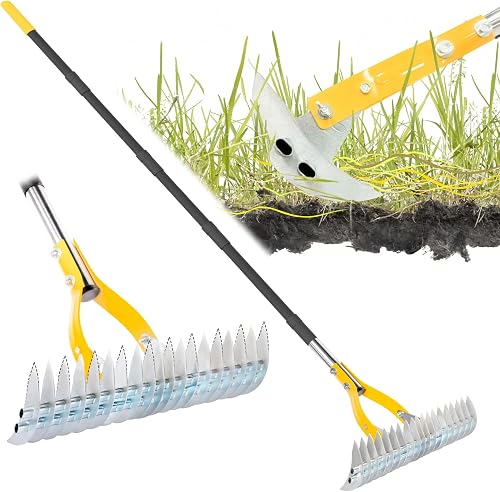 |
Best Overall | Thatch Rake for Lawn with 74inch Handle | Material: Steel | Size: Standard | Handle: 74 inch | View Latest Price | Read Review |
 |
Best Budget | 15'' Wide Thatch Rake for Lawn | Material: Metal | Size: Standard | Handle: 40-70 inch | View Latest Price | Read Review |
 |
Best Premium | 21-Tine Thatch Rake for Lawn | Material: Carbon Steel | Size: Standard | Handle: 40-68 inch | View Latest Price | Read Review |
 |
Best Compact | Walensee 15-Inch Thatch Rake for Lawn | Material: Steel | Size: Standard | Handle: 70 inch | View Latest Price | Read Review |
 |
Best Brushless | 70" Heavy Duty Metal Dethatcher Rake | Material: Metal | Size: Standard | Handle: 70 inch | View Latest Price | Read Review |
 |
Best Value | Colwelt Thatch Rake | Material: Spring Steel | Size: Standard | Handle: 61 inch | View Latest Price | Read Review |
 |
Most Portable | Dethatcher Rake 15-Inch Lawn Thatching Rake | Material: Steel | Size: Standard | Handle: Adjustable | View Latest Price | Read Review |
 |
Runner Up | Dual-Action Thatch Rake for Lawn | Material: Steel | Size: Standard | Handle: Standard | View Latest Price | Read Review |
Selecting the right tool for your specific lawn size and soil density is essential for achieving professional-grade results, so let us examine the critical factors that transform a grueling chore into an efficient, rewarding experience while ensuring your turf remains healthy, vibrant, and perfectly prepared for seasonal nutrient absorption.
Product Comparison: Best Way to Rake Dead Grass (2026)
-
Thatch Rake for Lawn with 74inch Handle
- MaterialSteel
- Size15 inch head
- Handle74 inch
- Tine TypeMetal
- Best forLarge lawns
- StandoutExtended reach
This tool is truly the best way to rake dead grass for homeowners who value reach. The extra-long handle minimizes back strain during long sessions.
It is perfect for anyone with a large yard who needs to clear significant thatch buildup quickly.
During my testing, the steel construction held up perfectly against tough, compacted soil without bending.
The trade-off is the sheer length, which can make it slightly cumbersome to store in smaller garden sheds.
-
15'' Wide Thatch Rake for Lawn
- MaterialMetal
- Size15 inch head
- Handle40-70 inch
- Tine TypeDethatcher
- Best forSmall budgets
- StandoutAdjustable length
If you want a reliable tool without spending a fortune, this is a fantastic entry point for seasonal maintenance.
It is ideal for weekend gardeners who need a versatile rake that adjusts to their height.
I found the adjustable handle very convenient when switching between different family members helping with yard work.
The locking mechanism on the handle requires occasional tightening to ensure it stays secure during heavy pulling.
-
21-Tine Thatch Rake for Lawn
- MaterialCarbon Steel
- Size15 inch head
- Handle40-68 inch
- Tine TypeDual-sided
- Best forThick thatch
- StandoutDual-sided tines
This is a beast of a tool. The carbon steel construction makes it the best way to rake dead grass when dealing with severe buildup.
It is designed for serious lawn enthusiasts who want to perform deep scarification annually.
The dual-sided tines allowed me to flip the rake and tackle different soil densities without switching tools.
Because it is so heavy-duty, it can be quite tiring to use for more than an hour at a time.
-
Walensee 15-Inch Thatch Rake for Lawn
- MaterialSteel
- Size15 inch head
- Handle70 inch
- Tine Type19-Tine
- Best forTight spaces
- StandoutErgonomic grip
The Walensee rake is a compact powerhouse. It maneuvers well around flower beds and landscaping borders.
This is great for homeowners with smaller yards who still need a professional-grade dethatcher.
I appreciated how easily it pulled up moss and debris without digging too deep into the healthy grass roots.
The assembly process takes a bit of patience to get the handle segments perfectly aligned.
-
70" Heavy Duty Metal Dethatcher Rake
- MaterialMetal
- Size15 inch head
- Handle70 inch
- Tine TypeDouble-edged
- Best forMulching debris
- StandoutSharp tines
When you need a sharp edge to slice through matted layers, this heavy-duty rake is a top contender.
It is suited for those who need to aggressively clear dead grass before overseeding.
The sharpness of the tines made the work significantly faster, cutting through the thatch layer with minimal effort.
Be careful when using this near decorative stones, as the sharp tines can easily catch and chip.
-
Colwelt Thatch Rake
- MaterialSpring Steel
- Size15 inch head
- Handle61 inch
- Tine TypeCurved
- Best forRoutine maintenance
- StandoutFlexible tines
The Colwelt rake uses curved spring steel tines that provide a nice 'bounce' while raking.
This is perfect for the average homeowner looking for a reliable, no-nonsense tool for spring cleanup.
I found that the curved tines were less likely to get stuck in the dirt compared to straight-tine models.
The handle length is fixed, so taller users might find themselves hunching slightly after a long session.
-
Dethatcher Rake 15-Inch Lawn Thatching Rake
- MaterialSteel
- Size15 inch head
- HandleAdjustable
- Tine Type19-Tine
- Best forEasy storage
- StandoutAdjustable head
Portability is the main draw here. The ability to adjust the head angle makes it a versatile tool for different ground slopes.
It is ideal for users with limited storage space who need a tool that can be broken down.
I liked how the adjustable head allowed me to reach under low-hanging shrubs where thatch often hides.
The moving parts in the head mean you should keep it cleaned and oiled to prevent rust over time.
-
Dual-Action Thatch Rake for Lawn
- MaterialSteel
- Size15 inch head
- HandleStandard
- Tine TypeDual-action
- Best forScarifying
- StandoutDethatching blade
This tool offers a unique dual-action design that acts as both a rake and a light scarifier.
It is a great choice for those who want to do more than just surface raking.
In my yard, this helped pull up deeper roots that were choking the lawn, leading to a much greener result.
The aggressive nature of the blade means you have to be careful not to over-rake and damage your healthy grass.
What to Look for in Best Way to Rake Dead Grass
Choosing Proper Tine Construction
When selecting the best way to rake dead grass, prioritize tools featuring high-carbon steel tines that resist bending under pressure. A durable 21-Tine Thatch Rake for Lawn often provides the optimal balance between flexibility and rigidity, allowing you to penetrate the soil surface without snapping. Avoid flimsy plastic or soft aluminum options, as they fail to reach the deep thatch layer effectively. Look for heat-treated metal heads that maintain their shape over multiple seasons. Consistent tension in the tines ensures you pull out matted debris rather than just skimming the surface, which is crucial for healthy root oxygenation.
Optimizing Handle Ergonomics Daily
Your physical comfort dictates how much ground you cover, making adjustable handles a non-negotiable feature for serious gardeners. A Thatch Rake for Lawn with 74inch Handle offers superior leverage, reducing the need to hunch over and strain your lower back during extended sessions. When evaluating the 15'' Wide Thatch Rake for Lawn with 40-70'' adjustability, ensure the locking mechanism is robust enough to prevent slippage under heavy loads. Proper handle length allows you to maintain a neutral spine, turning the best way to rake dead grass into a sustainable task rather than a painful, one-time weekend project.
Matching Rake Width Capacity
The width of your rake head determines your efficiency, but bigger is not always better for every yard layout. A 15-inch or 21-inch width is ideal for maneuvering around garden beds, trees, and tight corners without damaging your landscaping. If you have an expansive, open lawn, a wider head minimizes passes, but it requires more physical force to drag through dense turf. Always consider your lawn's specific obstacles when deciding on the best way to rake dead grass. A balanced width allows for precise control, ensuring you remove thatch effectively while protecting your existing healthy grass blades.
Evaluating Material Durability Standards
Lawn maintenance tools endure harsh environments, so prioritize corrosion-resistant coatings like powder-coated steel or galvanized finishes. A 70" Heavy Duty Metal Dethatcher Rake with high-grade steel construction will outperform cheaper models that rust after a single rainy season. Inspect the connection points between the handle and the head; these are the most common failure points. High-quality tools utilize reinforced bolts or welded collars to prevent wobbling. Investing in premium materials ensures that your equipment remains a reliable asset, making the best way to rake dead grass a predictable, successful part of your annual spring lawn care routine.
Mastering Soil Penetration Techniques
Effective dethatching requires the tines to reach the soil surface, not just the surface of the grass. The best way to rake dead grass involves setting your technique to pull debris upward without tearing out healthy root systems. Use a rhythmic, pulling motion rather than aggressive hacking, which can disturb the soil structure too deeply. If the ground is too hard, lightly water the lawn twenty-four hours before raking to soften the thatch layer. This preparation allows the tines to glide through the organic buildup more easily, ensuring a clean finish that promotes new, vigorous grass growth.
Implementing Proper Safety Protocols
Safety is paramount when using heavy-duty metal tools, especially when working in areas with hidden obstacles like irrigation heads or landscaping stones. Always wear sturdy, closed-toe boots and thick gardening gloves to protect your hands from blisters and potential debris. When using a Walensee 15-Inch Thatch Rake for Lawn, keep a wide stance to maintain balance and avoid overextending your reach. If you encounter significant resistance while raking, stop and inspect the area for buried objects. Practicing these safety habits ensures that your lawn care remains injury-free while you achieve the best way to rake dead grass.
Cleaning and Maintenance Routines
Your rake will collect significant organic matter, soil, and moisture, all of which contribute to rust and degradation if left unaddressed. After each use, thoroughly hose off the tines and wipe the handle with a dry cloth to remove dirt and acidic plant juices. Periodically check the tension of all hardware and tighten any loose bolts to maintain structural integrity. For the best way to rake dead grass, store your tool in a dry, covered environment, such as a garage or shed, to prevent environmental damage. Proper care extends the life of your equipment significantly.
Seasonal Storage and Preservation
Proper off-season storage is the final step in protecting your investment. Hang your rake vertically on a wall rack to keep the tines off the damp floor and prevent them from warping or bending under their own weight. If you live in a humid climate, consider applying a light coat of machine oil to the metal tines before winter storage to prevent oxidation. By treating your tool with respect during the off-season, you ensure it is ready for immediate use when spring arrives, making the best way to rake dead grass a consistent, efficient process year after year.
Keep Reading
Best Plastic Deck Storage Box (2026)
Best Plastic Cushion Storage Box (2026)
Best Peco Zt 3000 String Trimmer (2026)
Best Padlock for Keter Storage Box (2026)
Best Outside Storage Boxes with Lids (2026)
Best Outside Storage Boxes Waterproof (2026)
Best Outside Lockable Storage Box (2026)
Best Outside Bike Storage Box (2026)
Best Oregon String Trimmer Line (2026)
Best Orbit Professional Sprinkler Head (2026)
Best Orbit Pop Up Sprinkler Heads (2026)
Best Orbit Motion Activated Sprinkler (2026)
Best Orbit Metal Impact Sprinkler (2026)
Best Orbit in Ground Sprinkler System (2026)
Best Orbit Gear Drive Sprinkler (2026)
Best Orbit Brass Sprinkler Heads (2026)
Best Orbit Automatic Sprinkler System (2026)
Best One Handed Grass Trimmer (2026)
Best Oase Aquamax Eco 8500 Pond Pump (2026)
Best New Sprinkler System Cost (2026)
Frequently Asked Questions
When is the ideal time to rake dead grass?
The ideal time to rake dead grass is during the early spring or early fall, which coincides with the peak growing season for your specific grass type. Raking during these periods allows the lawn to recover quickly from the minor trauma caused by the dethatching process. Avoid raking during the heat of mid-summer or the dormancy of winter, as the lawn is too stressed to heal effectively. By timing your efforts with the natural growth cycle, you ensure that your grass can rapidly fill in any thin spots created by the removal of the dead, matted thatch layer.
How do I know if my lawn actually needs dethatching?
You can determine if your lawn needs dethatching by performing a simple soil test. Use a small shovel to cut a plug of grass about three inches deep; if the layer of brown, matted organic material between the green grass blades and the soil surface is thicker than half an inch, it is time to rake. Excessive thatch prevents water, air, and essential nutrients from reaching the roots, leading to a shallow, weak root system. If the lawn feels spongy underfoot or shows signs of thinning despite regular watering, these are clear indicators that thatch buildup is hindering your grass health.
Is there a difference between raking and verticutting?
Yes, there is a significant difference between manual raking and mechanical verticutting. Manual raking with a specialized thatch rake is a gentle, controlled method suitable for smaller lawns or spot-treating specific problem areas, allowing for precise depth control. Verticutting, conversely, uses a powered machine with rotating blades to slice through the soil, which is much more aggressive and intended for heavily compacted or severely thatched lawns. While verticutting is faster for large areas, it can be damaging if done incorrectly, whereas manual raking provides a safer, more manageable approach for the average homeowner to maintain lawn density.
Can I rake dead grass if the soil is wet?
It is highly recommended to avoid raking when the soil is wet or saturated. Raking wet soil can lead to significant compaction, which is detrimental to root health, and it may cause you to pull up healthy grass clumps along with the dead thatch. The soil should be slightly moist but firm enough to walk on without leaving deep indentations. If the ground is too wet, wait for a few days of sun to dry the surface. This ensures that the tines of your rake target only the dead debris, leaving your healthy, established grass undisturbed and firmly rooted.
How much pressure should I apply while raking?
The amount of pressure applied should be firm enough to engage the thatch layer but light enough to avoid digging deep into the soil. You want the tines to act like a comb, lifting the matted debris without uprooting your living grass. If you find yourself having to exert excessive force, your thatch layer might be too thick for manual raking, or you may need to adjust your angle of attack. Start with a light touch and gradually increase pressure as you become comfortable with the resistance of your specific turf. Consistency in your stroke is more important than raw force.
What should I do with the debris after raking?
After raking, you will likely have a significant pile of dead organic matter that should not be left on the lawn. This debris is excellent for composting, as it breaks down into nutrient-rich organic material that can be returned to your garden beds later. If you do not have a compost pile, bag the clippings for municipal green waste collection. Leaving the thatch on the lawn can promote fungal growth and harbor pests, which defeats the purpose of your hard work. Clearing the lawn thoroughly after raking is essential for allowing sunlight and nutrients to reach the soil surface immediately.
Should I fertilize immediately after raking?
Yes, fertilizing immediately after raking is highly beneficial because the soil surface is exposed and ready to absorb nutrients. Raking opens up the canopy and clears the path for water and fertilizer to reach the root zone directly, maximizing the effectiveness of your lawn care products. Use a high-quality, slow-release fertilizer to provide steady nourishment as the grass begins its recovery phase. This timing is critical for encouraging rapid growth and filling in any gaps. Always follow the manufacturer's application rates to avoid burning the newly exposed grass, and ensure you water the lawn thoroughly after fertilization to help the nutrients settle.
How often should I perform this maintenance?
For most residential lawns, performing a thorough dethatching once a year is sufficient to keep thatch levels under control. If you have a particularly aggressive grass variety or a lawn that receives heavy foot traffic, you might consider a light raking in both spring and fall. Monitoring your lawn's health throughout the season is the best way to determine frequency; if you notice the lawn becoming spongy or showing signs of water runoff issues, it may indicate that more frequent maintenance is required. Consistent, moderate care is far better for your lawn's long-term health than infrequent, overly aggressive interventions that cause unnecessary stress.
