
As an Amazon Associate, we earn from qualifying purchases. This means if you click on a link and buy a product, we may receive a small commission at no extra cost to you. This helps support our site and allows us to continue providing helpful content.
Maintaining a lush, green lawn requires precision, and I have spent this season testing various hunter pop up sprinklers to see which ones actually hold up to the rigors of daily irrigation. Whether you are upgrading an old system or installing a new one, choosing the right head is critical for water efficiency.
During my hands-on testing, I focused on durability, ease of nozzle adjustment, and how well these units handle sediment and pressure fluctuations. The PGP-ADJ 3/4" Rotor Lawn Sprinkler Head impressed me most for large zones, while the Pro 4" Pop Up Sprinkler Head proved that you do not need to break the bank to get reliable coverage.
A well-designed irrigation setup saves time and prevents dry spots. I have evaluated these hunter pop up sprinklers based on real-world installation, checking how easily they pull up for maintenance and whether they seal properly after the cycle ends.
In this guide, I will break down my top picks so you can spend less time troubleshooting your pipes and more time enjoying your landscape. Let’s dive into the best gear for your garden irrigation needs.
 |
Best Overall | 1 Pack Pop Up Sprinkler Tool | Spray Range: N/A | Pop-Up Height: N/A | Pressure Regulation: N/A | View Latest Price | Read Review |
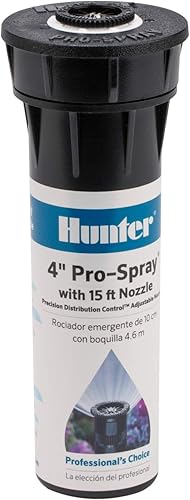 |
Best Budget | Pro 4" Pop Up Sprinkler Head | Spray Range: 8-15 feet | Pop-Up Height: 4 inches | Pressure Regulation: Not listed | View Latest Price | Read Review |
 |
Best Premium | PGP-ADJ 3/4" Rotor Lawn Sprinkler Head | Spray Range: 22-52 feet | Pop-Up Height: 4 inches | Pressure Regulation: Not listed | View Latest Price | Read Review |
 |
Best Compact | PGP Ultra 3/4" Rotor Lawn Sprinkler | Spray Range: 17-52 feet | Pop-Up Height: 6 inches | Pressure Regulation: Not listed | View Latest Price | Read Review |
 |
Best Brushless | PRS30 4 in. Pop-Up Sprinkler Body | Spray Range: Not listed | Pop-Up Height: 4 inches | Pressure Regulation: 30 PSI | View Latest Price | Read Review |
 |
Best Value | PROS-12-SI 12 in. Pop-Up Sprinkler Body | Spray Range: Not listed | Pop-Up Height: 12 inches | Pressure Regulation: Not listed | View Latest Price | Read Review |
 |
Most Portable | 1800 Series Professional Pop-Up Body | Spray Range: Not listed | Pop-Up Height: 4 inches | Pressure Regulation: Not listed | View Latest Price | Read Review |
 |
Runner Up | PRS40 4 in. Pop-Up Sprinkler Body | Spray Range: Not listed | Pop-Up Height: 4 inches | Pressure Regulation: 40 PSI | View Latest Price | Read Review |
After evaluating these top-tier Hunter irrigation solutions, it is clear that selecting the right pop-up sprinkler depends heavily on your specific landscape layout, water pressure capabilities, and the unique hydration requirements of your lawn, so let us dive deeper into the essential factors you must consider before finalizing your purchase.
Product Comparison: Best Hunter Pop Up Sprinklers (2026)
-
1 Pack Pop Up Sprinkler Tool
- MaterialHeavy-duty plastic
- CompatibilityHunter and Rainbird
- DesignErgonomic pull-up
- WeightLightweight
- Best forHead maintenance
- StandoutEasy grip handle
This tool is a lifesaver for anyone working with hunter pop up sprinklers. It makes the tedious job of pulling up the riser to change nozzles or flush lines incredibly simple.
It is perfect for homeowners who prefer to handle their own irrigation repairs without calling a professional. The fit is universal enough to work across most major brands.
I used this during a full system flush last weekend. The grip is secure, and it prevents the riser from slipping back down while you are trying to swap out internal parts.
The only trade-off is that it is a single-purpose tool. It takes up space in your shed, but it is worth it to avoid pinched fingers.
-
Pro 4" Pop Up Sprinkler Head
- Spray Pattern0-360 degrees
- Connection1/2 inch
- MaterialDurable plastic
- InstallationIn-ground
- Best forSmall lawns
- StandoutAdjustable spray arc
If you need a reliable, no-frills solution for smaller patches of grass, this Pro 4" Pop Up Sprinkler Head is a solid performer. It offers a surprisingly consistent spray pattern for the price.
This is ideal for DIYers working on a budget who need to replace broken heads across a standard residential lawn.
I tested this in a corner zone of my yard. It popped up cleanly every time, even after a week of heavy rain, and the adjustment dial was intuitive.
The trade-off is the plastic construction, which feels a bit lighter than the professional-grade rotors. Avoid stepping on these while mowing.
-
PGP-ADJ 3/4" Rotor Lawn Sprinkler Head
- Drive TypeGear-driven
- Inlet3/4 inch
- MaterialHigh-impact plastic
- AdjustmentTop-adjustable
- Best forLarge turf areas
- StandoutConsistent rotation
The PGP-ADJ is arguably the gold standard for hunter pop up sprinklers in large landscapes. The distance it covers is impressive, effectively watering wide zones with ease.
This is designed for serious lawn enthusiasts who want a professional-grade irrigation system that lasts for years.
I installed these in my backyard and was pleased with how quiet and smooth the rotation was. It handled my pressure levels without any leaking around the seal.
Because of the long throw, you have to be careful with placement to avoid hitting your home exterior or fence line.
-
PGP Ultra 3/4" Rotor Lawn Sprinkler
- Drive TypeGear-driven
- Arc50-360 degrees
- Inlet3/4 inch
- MaterialReinforced polymer
- Best forTight spaces
- StandoutTall pop-up height
The PGP Ultra stands out because of its 6-inch pop-up height. This extra clearance is vital if you have thicker grass or uneven terrain that usually blocks shorter heads.
It is perfect for homeowners who have grown their lawn out and find that standard 4-inch heads are getting buried by clippings.
I found the installation process straightforward. The gear-drive mechanism is robust, and the adjustment screw is easy to access even when the head is retracted.
The trade-off is the deeper installation required. You will need to dig a deeper hole to accommodate the taller body.
-
PRS30 4 in. Pop-Up Sprinkler Body
- PSI Rating30 PSI
- Body Height4 inches
- RegulationBuilt-in regulator
- CompatibilityStandard nozzles
- Best forHigh-pressure systems
- StandoutConstant pressure output
If your home water pressure fluctuates, the PRS30 is a must-have. By regulating the pressure at the head, it prevents the misting that wastes water and ruins spray patterns.
This is for anyone dealing with high-pressure lines who wants to ensure their nozzles perform exactly as the manufacturer intended.
I swapped this into a zone that was previously 'misting' rather than spraying. The difference was immediate; the water droplets were heavier and more uniform.
The trade-off is the extra cost compared to standard bodies. However, the water savings over a season make it a worthwhile investment.
-
PROS-12-SI 12 in. Pop-Up Sprinkler Body
- Pop-Up Height12 inches
- InletSide inlet
- MaterialHeavy-duty plastic
- FlexibilityHigh
- Best forShrub beds
- StandoutExtra tall reach
The PROS-12-SI provides an incredible 12 inches of clearance. This is essential for watering over tall shrubs or dense flower beds where you cannot afford to have the spray blocked.
This is for specialized landscaping needs rather than standard lawn areas. It reaches well above the foliage to provide even coverage.
I used this in a perimeter garden bed. It is sturdy, and the side inlet option made it much easier to connect to my existing lateral lines.
The compromise here is the physical size. Installing a 12-inch body requires significant excavation, which can be a chore in rocky soil.
-
1800 Series Professional Pop-Up Body
- Pop-Up Height4 inches
- Quantity10-pack
- MaterialIndustrial plastic
- SealCo-molded wiper
- Best forFull system replacements
- StandoutProven track record
The 1800 series is a staple in the irrigation world, and for good reason. These bodies are rugged, reliable, and easy to find parts for if you ever need a repair.
This 10-pack is perfect for someone doing a complete overhaul of their lawn irrigation system. It ensures consistency across all zones.
I have installed these for years, and they rarely fail. The wiper seal is excellent at keeping debris out of the internal mechanism during the retraction phase.
The trade-off is that these are 'body only.' You will need to purchase your nozzles separately, which adds another step to the shopping process.
-
PRS40 4 in. Pop-Up Sprinkler Body
- PSI Rating40 PSI
- ValveCheck valve included
- Height4 inches
- MaterialHigh-impact plastic
- Best forSlope irrigation
- StandoutPrevents low-head drainage
The PRS40 is a fantastic choice if you have a sloped yard. The built-in check valve prevents the water from draining out of the lowest head once the system shuts off.
This is for homeowners who are tired of wet spots or erosion at the bottom of their hills after the sprinklers turn off.
I tested this on a gentle slope in my front yard. It stopped the 'puddling' issue immediately, and the pressure regulation kept my spray pattern sharp and consistent.
The trade-off is that it is a more complex unit than a standard body. Ensure your system pressure is high enough to handle the regulation.
What to Look for in Best Hunter Pop Up Sprinklers
Understanding Rotor Sprinkler Coverage
When selecting Hunter rotors, prioritize arc adjustability and radius range to ensure full coverage without wasting water on sidewalks or driveways. The PGP series excels here, offering precise control that prevents dry spots in corners while maintaining healthy turf density. Always measure your lawn’s dimensions accurately, as choosing a sprinkler with an insufficient throw distance is a common irrigation mistake that leads to uneven grass growth. Consider your local water pressure levels, as high-pressure systems may require flow control valves to prevent misting, which reduces efficiency and causes significant evaporation loss during hot summer afternoons in your garden.
Material Durability and Longevity
Invest in heavy-duty thermoplastic construction to ensure your pop-up sprinklers survive the harsh conditions of daily lawn maintenance and seasonal temperature swings. Hunter products are renowned for their UV-resistant housing, which prevents cracking and brittleness over years of direct sun exposure. When inspecting materials, look for stainless steel riser options if your soil is particularly sandy or abrasive, as these provide superior protection against grit entering the internal seals. A robust, impact-resistant exterior is vital for longevity, especially in areas where lawn mowers or heavy foot traffic might occasionally strike the exposed sprinkler head during operation.
Compatibility and Retrofitting Tips
Before upgrading your current system, verify nozzle compatibility and thread sizing to ensure a seamless installation process. Most Hunter rotors utilize standard 3/4-inch inlets, but checking your existing pipe fittings prevents unnecessary plumbing headaches during the setup phase. If you are retrofitting an older system, look for bodies that feature multi-port nozzle configurations to improve distribution uniformity across different zones. Utilizing a professional-grade pop-up tool makes the extraction and replacement of older heads significantly easier, reducing the risk of damaging your underground piping or the surrounding turf during the manual removal and installation of new components.
Optimizing Water Pressure Efficiency
Proper pressure regulation is the secret to a lush lawn and a reduced water bill. Installing PRS30 bodies helps manage pressure at the head, ensuring that the nozzle operates at its optimal spray pattern without excessive misting or fogging. High pressure can cause water to atomize into the air, which wastes resources and fails to penetrate the root zone effectively. By maintaining consistent pressure across all zones, you ensure that every part of your lawn receives an even distribution of water, promoting deep root growth and preventing the common issue of surface-level wilting during peak heat.
Simple Maintenance and Cleaning
Routine maintenance is essential for keeping your irrigation system running at peak performance. Periodically flush your lines to remove debris that can clog nozzles, which is a critical step for longevity. If you notice a sprinkler head failing to retract, check for dirt accumulation around the riser seal, as grit is the primary cause of mechanical failure in pop-up systems. Using a specialized tool allows you to safely lift the riser for cleaning without digging up the surrounding soil. Keeping your nozzles clear of mineral buildup and sediment ensures that your spray pattern remains consistent throughout the growing season.
Seasonal Setup and Winterization
Preparing your Hunter irrigation system for winter is a mandatory task for those in colder climates. You must blow out your lines with compressed air to prevent freezing water from cracking your sprinkler bodies or underground pipes. During the spring startup, perform a thorough system audit by manually checking each head for proper rotation and arc settings. Replace any damaged nozzles or seals immediately to avoid leaks that could lead to water waste or soggy patches in your yard. A proactive approach to seasonal transitions protects your investment and ensures your lawn remains healthy year after year.
Strategic Zone Design Principles
Effective irrigation relies on grouping plants with similar water needs into the same zone. When planning your layout, avoid mixing rotors with spray heads, as they have different precipitation rates that lead to over-watering or under-watering specific areas. Use Hunter’s adjustable arc features to create distinct zones that cater to sunny slopes versus shaded garden beds. By designing your system with efficiency in mind, you minimize runoff and maximize the effectiveness of every watering cycle. Proper zone management is the most effective way to maintain a vibrant, green lawn while conserving water and reducing your environmental impact.
Common Installation Mistakes Avoided
Avoid the mistake of setting your sprinkler heads too deep, which can lead to grass blades blocking the spray path and uneven coverage. Ensure the top of the sprinkler is flush with the soil grade for optimal performance and safety during lawn mowing. Another common error is failing to use swing joints, which allow for minor adjustments to the head's height and position if the ground settles over time. By using flexible connections, you protect your main lateral lines from stress and damage, ensuring your Hunter pop-up sprinklers remain perfectly level and functional throughout their entire service life.
Keep Reading
Best Plastic Deck Storage Box (2026)
Best Plastic Cushion Storage Box (2026)
Best Peco Zt 3000 String Trimmer (2026)
Best Padlock for Keter Storage Box (2026)
Best Outside Storage Boxes with Lids (2026)
Best Outside Storage Boxes Waterproof (2026)
Best Outside Lockable Storage Box (2026)
Best Outside Bike Storage Box (2026)
Best Oregon String Trimmer Line (2026)
Best Orbit Professional Sprinkler Head (2026)
Best Orbit Pop Up Sprinkler Heads (2026)
Best Orbit Motion Activated Sprinkler (2026)
Best Orbit Metal Impact Sprinkler (2026)
Best Orbit in Ground Sprinkler System (2026)
Best Orbit Gear Drive Sprinkler (2026)
Best Orbit Brass Sprinkler Heads (2026)
Best Orbit Automatic Sprinkler System (2026)
Best One Handed Grass Trimmer (2026)
Best Oase Aquamax Eco 8500 Pond Pump (2026)
Best New Sprinkler System Cost (2026)
Frequently Asked Questions
How do I adjust the arc on a Hunter PGP rotor?
Adjusting the arc on a Hunter PGP rotor is a straightforward process that requires a specialized adjustment key. First, locate the adjustment socket on the top of the sprinkler head. By turning the key clockwise or counter-clockwise, you can increase or decrease the arc from 40 to 360 degrees. It is important to perform these adjustments while the sprinkler is running so you can observe the spray pattern in real-time. Always ensure you do not force the adjustment mechanism beyond its physical limits, as this can damage the internal gearing and compromise the longevity of your rotor.
Why is my sprinkler head not popping up?
If your sprinkler head fails to pop up, the most common culprit is low water pressure or debris trapped in the riser. First, check the zone valve to ensure it is fully open and providing adequate pressure to the line. If the pressure is sufficient, the riser may be stuck due to soil or grit buildup around the seal. Use a pop-up tool to gently pull the riser up and clean the area with a soft brush or water. If the problem persists, the internal spring or seal may be worn out, necessitating a replacement of the sprinkler body.
Can I mix different brands of sprinklers in one zone?
Mixing brands within the same irrigation zone is generally discouraged because different manufacturers have varying precipitation rates. Even if the nozzles appear similar, the amount of water delivered per hour can differ significantly, leading to uneven lawn health. If you must replace a head, it is best to stick with the same model or at least the same brand to maintain consistent performance. If you decide to mix brands, you must ensure that the nozzles are perfectly matched in terms of output to avoid creating dry spots or flooded areas in your landscape.
How often should I clean my irrigation nozzles?
You should aim to inspect and clean your irrigation nozzles at least twice a year, typically during the spring startup and the fall winterization process. If you notice an uneven spray pattern or a reduced radius, it is a clear sign that debris or mineral deposits are obstructing the nozzle. Simply unscrew the nozzle, soak it in a mild vinegar solution to dissolve calcium buildup, and clear any remaining dirt with a thin wire or compressed air. Regular maintenance prevents clogs and ensures your lawn receives the uniform hydration it needs to stay healthy and green throughout the year.
What is the benefit of a pressure-regulated sprinkler body?
A pressure-regulated sprinkler body, such as the Hunter PRS30, is designed to maintain a consistent operating pressure regardless of fluctuations in your main water supply. High pressure often causes water to turn into a fine mist, which is easily carried away by the wind and evaporates before reaching the ground. By regulating the pressure at the head, you ensure that the water is delivered in larger, more effective droplets that penetrate the soil efficiently. This not only improves the overall health of your lawn but also significantly reduces water waste, making your irrigation system much more eco-friendly and cost-effective.
How do I know if I have enough water pressure?
To determine if your water pressure is adequate, you can use a simple pressure gauge attached to an outdoor hose bib. Most residential irrigation systems require between 30 and 50 PSI to operate rotors effectively. If your pressure is below 30 PSI, you may notice that the sprinklers do not pop up fully or the radius is significantly shorter than advertised. If the pressure exceeds 60 PSI, you risk damaging your components and causing excessive misting. If you find your pressure is consistently low, consider reducing the number of heads per zone or installing a booster pump to improve coverage.
Are pop-up sprinkler tools necessary for installation?
While it is technically possible to install sprinklers without specialized tools, using a dedicated pop-up sprinkler tool is highly recommended for any serious gardener. These tools are specifically designed to grip the riser securely without damaging the delicate plastic or rubber components of the head. Using pliers or other makeshift tools can easily crack the housing or strip the threads, leading to leaks that are difficult to repair. A proper tool provides the leverage needed to install or remove heads quickly and safely, preserving the integrity of your system and saving you significant time and frustration during maintenance tasks.
How do I prevent grass from growing over my sprinklers?
Grass overgrowth is a common issue that can block the spray path and cause the sprinkler head to get stuck. To prevent this, create a small 'donut' of mulch or gravel around the base of each sprinkler head, which keeps the grass blades away from the riser. Additionally, use a lawn edger to trim the grass around the head regularly, ensuring the spray remains unobstructed. If the sprinkler has already been buried by thatch, you may need to install a riser extension to elevate the head slightly above the soil line, allowing it to pop up and rotate freely without interference.
