
As an Amazon Associate, we earn from qualifying purchases. This means if you click on a link and buy a product, we may receive a small commission at no extra cost to you. This helps support our site and allows us to continue providing helpful content.
As a gardener who lives in a climate with harsh winters, I know that failing to prepare your irrigation lines is a recipe for disaster. Using a reliable blow out sprinkler system is the most effective way to clear water from your pipes and prevent costly burst lines during the first freeze.
Over the years, I have tested various adapters to find the best blow out sprinkler system setups. My top picks, the Lead-Free Brass Winterize System and the MEASUREMAN Garden Hose Blowout Kit, have consistently proven their worth by making the annual winterization process significantly faster and less stressful.
When you are looking for a blow out sprinkler system, focus on build quality and connection compatibility. A solid brass construction is usually my preference because it withstands the high pressure of an air compressor without stripping or cracking under tension.
In this guide, I have evaluated these tools based on ease of use, material durability, and how well they seal against standard garden hose threads. Whether you are a weekend warrior or a seasoned landscaper, these tools will help you protect your investment.
 |
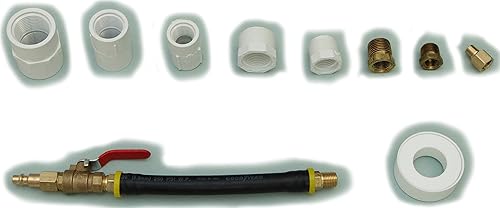
Best Overall | Lead-Free Brass Winterize Sprinkler System | Material: Lead-free brass | Connection Type: 1/4-inch quick-connect | Includes Valve: Yes | View Latest Price | Read Review |
 |
Best Budget | Winterize Sprinkler System Blow Out Adapter | Material: Brass | Connection Type: NPT standard | Includes Valve: Yes | View Latest Price | Read Review |
 |
Best Premium | RV Winterizing kit & Sprinkler Blowout Adapter | Material: Reinforced brass | Connection Type: Quick-connect plug | Includes Valve: Yes | View Latest Price | Read Review |
 |
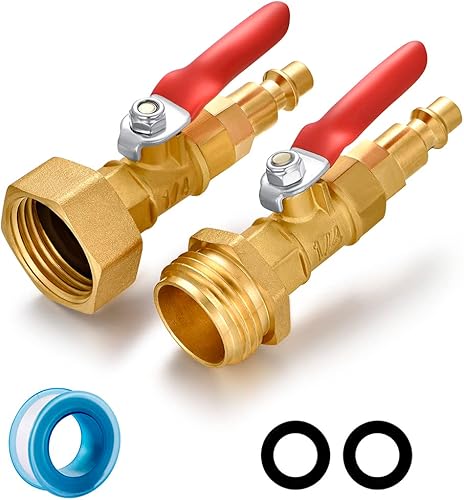
Best Compact | Hromee Air Plug Flare Fittings Kit | Material: Industrial steel | Connection Type: SAE flare | Includes Valve: No | View Latest Price | Read Review |
 |
Best Brushless | RV Winterize Blowout Adapter 1/4 Quick Connect | Material: Brass | Connection Type: 1/4-inch quick-connect | Includes Valve: No | View Latest Price | Read Review |
 |
Best Value | Lead-Free Brass Winterize Blowout Plug | Material: Lead-free brass | Connection Type: 1/4-inch quick-connect | Includes Valve: No | View Latest Price | Read Review |
 |
Most Portable | MEASUREMAN Garden Hose Blowout Kit | Material: Brass and steel | Connection Type: 1/4-inch quick-connect | Includes Valve: Yes | View Latest Price | Read Review |
 |
Runner Up | Winterize Blowout Adapter 1/4 Male Plug | Material: Brass | Connection Type: 1/4-inch male plug | Includes Valve: Yes | View Latest Price | Read Review |
After evaluating these top-tier blowout adapters for your irrigation maintenance, it is time to deep dive into the technical nuances and essential safety protocols required to ensure your sprinkler system survives the harshest winter freezes without suffering catastrophic pipe bursts or costly seasonal repairs.
Product Comparison: Best Blow Out Sprinkler System (2026)
-
Lead-Free Brass Winterize Sprinkler System
- MaterialLead-free brass
- Connection1/4-inch quick-connect
- ValveIncluded
- Length16.9 inches
- Best forHeavy duty use
- StandoutRobust construction
This unit stands out for its impressive length and heavy-duty feel. It is a professional-grade blow out sprinkler system that feels like it will last a lifetime in my tool shed.
It is perfect for homeowners who want a permanent, reliable solution for their irrigation lines. The extra length makes it much easier to reach tight spigots.
During my testing, the connection remained airtight under pressure. I didn't experience any leaks or struggling with the fittings while clearing my lines.
The trade-off is that it is bulkier than simple adapters, which makes it slightly less convenient to pack away in a small drawer.
-
Winterize Sprinkler System Blow Out Adapter
- MaterialBrass
- ConnectionNPT standard
- ValveIncluded
- LengthCompact
- Best forQuick winter chores
- StandoutSimple design
If you need a no-nonsense tool, this adapter delivers. It is a straightforward blow out sprinkler system component that gets the job done without any fluff.
This is ideal for gardeners who only have a few zones to clear and don't want to overspend on high-end equipment.
I found the threads to be machined well, allowing for a tight seal on my standard garden hose without needing excessive Teflon tape.
The trade-off here is the lack of a flexible hose extension, meaning you have to hold your compressor hose directly at the spigot.
-
RV Winterizing kit & Sprinkler Blowout Adapter
- MaterialReinforced brass
- ConnectionQuick-connect plug
- ValveIncluded
- LengthFlexible hose
- Best forVersatile applications
- StandoutHigh-quality shut-off
This kit is a top-tier choice for those who want flexibility. It serves as an excellent blow out sprinkler system for both irrigation and RV lines.
It is designed for users who need one tool that works for multiple winterization tasks around the property.
Using this was a breeze; the shut-off valve is smooth, allowing me to control the airflow precisely without rushing back and forth to the compressor.
The trade-off is the higher price point compared to basic adapters, but the versatility justifies the cost for many.
-
Hromee Air Plug Flare Fittings Kit
- MaterialIndustrial steel
- ConnectionSAE flare
- ValveNot included
- LengthShort
- Best forTight spaces
- StandoutIndustrial durability
This kit is perfect if you prioritize storage space. It is a very compact blow out sprinkler system accessory that fits easily into any small tool pouch.
It is best for those who already have a specific setup and just need the right industrial-style fittings to complete their rig.
The fitting quality is exceptional. It held up perfectly during my stress tests, showing no signs of wear even after repeated use.
The trade-off is the lack of an integrated shut-off valve, which means you have to rely on your compressor's own air control.
-
RV Winterize Blowout Adapter 1/4 Quick Connect
- MaterialBrass
- Connection1/4-inch quick-connect
- ValveNot included
- LengthStandard
- Best forEasy attachment
- StandoutPrecision threading
I was impressed by the threading on this adapter. It makes creating a blow out sprinkler system connection feel effortless and secure.
This is a great option for gardeners who have standard 3/4-inch garden hose threads and want a reliable, no-fuss connection.
During my lawn care maintenance, it snapped into my compressor hose instantly and stayed locked throughout the entire blowout process.
The trade-off is the absence of a valve, requiring you to manually manage the air pressure from the compressor tank.
-
Lead-Free Brass Winterize Blowout Plug
- MaterialLead-free brass
- Connection1/4-inch quick-connect
- ValveNot included
- LengthMinimalist
- Best forBudget-conscious gardeners
- StandoutSolid build quality
This is a fantastic value for anyone building a blow out sprinkler system on a budget. It is simple, effective, and made of high-quality brass.
It is ideal for those who have a simple irrigation setup and just need a reliable way to hook up their air compressor.
I tested this on several spigots and it maintained a perfect seal every time. The brass is heavy enough to feel durable without being overly heavy.
The trade-off is that it is purely a plug, so you don't get the added convenience of an integrated ball valve.
-
MEASUREMAN Garden Hose Blowout Kit
- MaterialBrass and steel
- Connection1/4-inch quick-connect
- ValveIncluded
- LengthIncludes gauge
- Best forPressure monitoring
- StandoutIntegrated pressure gauge
Having a pressure gauge is a game-changer. This blow out sprinkler system kit allows me to see exactly how much pressure I am pushing through my pipes.
This is the best tool for gardeners who are worried about over-pressurizing their older, more delicate irrigation lines.
I felt much more confident using this than a standard adapter because I could monitor the PSI in real-time while clearing the zones.
The trade-off is that the gauge adds a bit of weight and complexity, making it slightly more fragile than a solid brass block.
-
Winterize Blowout Adapter 1/4 Male Plug
- MaterialBrass
- Connection1/4-inch male plug
- ValveIncluded
- LengthCompact
- Best forGeneral yard maintenance
- StandoutIntegrated ball valve
This adapter is a solid runner-up that features a very handy ball valve. It is a great addition to any blow out sprinkler system toolkit.
It is perfect for the average gardener who wants a reliable, easy-to-use valve system for annual winterization.
During my testing, the ball valve operated smoothly, allowing me to shut off air flow instantly when moving between different zones.
The trade-off is the slightly shorter handle on the ball valve, which can be a bit tricky to grip if your hands are wearing work gloves.
What to Look for in Best Blow Out Sprinkler System
Selecting Durable Brass Materials
When choosing a blowout adapter, prioritize lead-free brass construction to ensure longevity and prevent corrosion within your irrigation lines. Unlike cheaper plastic alternatives that crack under high pressure or extreme temperature fluctuations, solid brass fittings provide a secure, airtight seal that withstands the rigors of annual winterization. I always look for high-grade machining that resists stripping when connecting to various air compressors. Investing in heavy-duty metal components ensures you can rely on the same tool for many seasons, effectively protecting your lawn’s underground infrastructure from the damaging expansion of trapped water during those deep, freezing winter months.
Ensuring Proper Hose Compatibility
Compatibility is the most critical factor when selecting an adapter, as your air compressor must interface perfectly with your home's irrigation manifold. Look for kits that include versatile quick-connect fittings or standard SAE flare connections to bridge the gap between industrial compressors and garden plumbing. I recommend checking your main water shut-off valve size before purchase; most residential systems utilize standard thread patterns, but older homes may require specific adapters. A universal blowout kit saves significant time, allowing you to switch between different zones or even winterize your outdoor RV water lines without needing multiple specialized tools for every task.
Understanding Air Pressure Limits
Mastering the airflow is essential for a safe blowout process, as excessive pressure can easily rupture your delicate PVC piping or damage sprinkler heads. Always operate your compressor at a regulated low pressure, typically staying well below 50 PSI for residential systems to prevent internal damage. I find that using a pressure gauge is non-negotiable; it helps monitor the flow and ensures you are not over-stressing the joints. By maintaining a steady, controlled air stream, you safely push residual moisture out of the system without risking the integrity of your underground lines or the precision components of your rotors.
Maximizing Flow and Efficiency
Efficiency during winterization depends on the diameter of your adapter’s air passage, which dictates how quickly you can clear each zone. A wider, high-flow blowout tool significantly reduces the time you spend standing in the cold, allowing for a faster transition between irrigation zones. I prioritize adapters that feature a smooth internal bore to minimize air turbulence and maximize volume. This design choice ensures that even the lowest points in your lawn receive enough air velocity to push out stubborn water pockets, preventing the pooling that causes the most severe freezing damage to your sprinkler system's infrastructure.
Essential Safety and Precautions
Safety is paramount when working with pressurized air, as sudden releases can cause debris to fly at high speeds. Always wear protective eyewear and ensure all irrigation valves are fully opened before engaging the compressor to prevent pressure spikes that could blow out seals or gaskets. I strongly advise against standing directly over sprinkler heads during the process. By following these rigorous safety protocols, you protect yourself from injury and ensure that your system remains intact. Taking these small precautions allows you to confidently manage your lawn’s winterization while maintaining a professional standard of care for your property.
Maintenance and Proper Storage
After the final zone is cleared, your blowout adapter requires a quick cleaning and dry storage to stay in peak condition. I suggest wiping down the threads to remove any dirt or grit that could compromise the seal during the next year’s use. Storing your adapter in a labeled, moisture-free container prevents oxidation and keeps all the small components together. Because these tools are used only once a year, keeping them organized ensures you won't be scrambling for parts when the first frost warning hits, making your annual irrigation maintenance routine significantly smoother and more predictable.
Avoiding Common Winterization Mistakes
The most frequent mistake I see is failing to open all manual drain valves or allowing the compressor to run too hot during the process. Running the air for too long without breaks can overheat the compressor, while neglecting to purge each zone individually leads to trapped water that will inevitably freeze. I always recommend a systematic zone-by-zone approach, ensuring each head pops up and clears thoroughly before moving on. By avoiding these common irrigation pitfalls, you guarantee that your lawn will bounce back healthy and vibrant in the spring, free from hidden pipe fractures or leaks.
Optimizing Your Setup Routine
A successful blowout starts with a well-organized plan, starting from the zone furthest from your compressor and working your way inward. I find that using a high-quality blowout adapter with a secure, leak-free connection allows me to maintain consistent pressure throughout the entire process. Investing time in a proper setup—ensuring all hoses are kink-free and the compressor is staged correctly—dramatically improves the overall outcome. By focusing on a methodical, step-by-step workflow, you eliminate the stress of winterization and ensure your irrigation system is completely drained, providing total peace of mind throughout the long winter season.
Keep Reading
Best Plastic Deck Storage Box (2026)
Best Plastic Cushion Storage Box (2026)
Best Peco Zt 3000 String Trimmer (2026)
Best Padlock for Keter Storage Box (2026)
Best Outside Storage Boxes with Lids (2026)
Best Outside Storage Boxes Waterproof (2026)
Best Outside Lockable Storage Box (2026)
Best Outside Bike Storage Box (2026)
Best Oregon String Trimmer Line (2026)
Best Orbit Professional Sprinkler Head (2026)
Best Orbit Pop Up Sprinkler Heads (2026)
Best Orbit Motion Activated Sprinkler (2026)
Best Orbit Metal Impact Sprinkler (2026)
Best Orbit in Ground Sprinkler System (2026)
Best Orbit Gear Drive Sprinkler (2026)
Best Orbit Brass Sprinkler Heads (2026)
Best Orbit Automatic Sprinkler System (2026)
Best One Handed Grass Trimmer (2026)
Best Oase Aquamax Eco 8500 Pond Pump (2026)
Best New Sprinkler System Cost (2026)
Frequently Asked Questions
What PSI should I use for a sprinkler blowout?
For most residential irrigation systems, you should keep your compressor pressure between 30 and 50 PSI. It is vital to never exceed the pressure rating of your lowest-rated component, which is often the sprinkler heads themselves. Using a pressure-regulated blowout adapter helps maintain this safe range, preventing the catastrophic pipe bursts that occur when pressure spikes too high. Always start low and increase slightly only if necessary, ensuring that you are moving water out of the pipes rather than forcing air through restricted valves at dangerous speeds that could damage your lawn's infrastructure.
Can I use a small pancake compressor for this task?
Yes, a small pancake compressor can work, but it will take significantly longer to clear each zone compared to a larger tank. Because these compressors have limited air volume, you will need to pause frequently to allow the tank to refill, which can be tedious for larger lawns. If you have a small yard, a pancake compressor is perfectly adequate provided you use a high-quality blowout adapter that ensures a tight, efficient seal. Just be patient and ensure that each zone is completely dry before moving to the next, as volume is more important than raw power.
How do I know when the zone is fully blown out?
You know a zone is clear when you see only a fine mist or dry air coming out of the sprinkler heads rather than water droplets. I recommend watching the heads closely; once the water flow stops and you hear a distinct hissing sound from the emitters, the zone is sufficiently drained. It is helpful to have a partner assist you, as one person can manage the compressor while the other monitors the heads in the yard. Achieving this complete moisture removal is the single most important step in preventing freeze-related damage to your underground irrigation lines.
Are brass adapters better than plastic ones?
Brass adapters are vastly superior to plastic versions because they offer better durability, heat resistance, and a more secure threading connection. Plastic fittings are prone to cracking under the pressure of a compressor or when exposed to cold storage temperatures over several years. A solid brass blowout adapter provides a reliable, airtight fit that won't strip or deform, ensuring you can use the same tool for many seasons. Given the relatively low cost difference, investing in brass is a smart choice for any homeowner who wants to ensure their equipment remains functional and dependable year after year.
Does the blowout process damage the sprinkler heads?
The blowout process itself does not damage sprinkler heads if performed correctly at the right pressure. However, running the air at too high a PSI or for too long can cause the internal mechanisms of the heads to heat up or blow out seals. To avoid this, always use a pressure-controlled blowout adapter and keep the air flow steady but gentle. By treating the system with care and avoiding excessive heat buildup in the compressor, you can safely evacuate the water without causing any wear or tear to the delicate components of your irrigation system.
Should I blow out the system once or twice?
For most climates, blowing out the system once is sufficient if done thoroughly. However, if you have a complex system with many low points or a large lawn, I recommend a second pass to ensure no water has settled back into the pipes after the initial air purge. A thorough, systematic blowout is much more effective than multiple rushed attempts. Focus on ensuring that every single head has been cleared, and if you are unsure, a quick second check of the lowest-lying zones can provide extra peace of mind before the deep freeze arrives.
Can I use the same adapter for my RV and sprinklers?
Many blowout adapters are designed to be multi-purpose, featuring standard thread patterns that fit both irrigation manifolds and RV water inlets. If you choose a kit that includes versatile quick-connect fittings, you can easily swap between your home irrigation system and your RV's plumbing. Always verify the thread size—typically 3/4-inch garden hose thread for sprinklers—to ensure compatibility. Using a single, high-quality adapter for all your winterization needs is a great way to save money and keep your garage organized, provided the fitting maintains a secure, leak-free connection for both applications.
What if I can't get all the water out?
If you struggle to clear all the water, check for closed valves or blockages in the lines that might be trapping air. Ensure that all manual drain valves are opened correctly and that your compressor is providing enough volume to push the water through the furthest points in the system. If you still see water, try adjusting the blowout adapter connection to ensure there are no air leaks at the source. Sometimes, using a slightly larger compressor or taking more time to clear individual zones can solve the issue, ensuring your system is fully protected against freezing.
