
You should plant agapanthus bulbs in the spring once the danger of frost has passed and the soil has warmed. This timing ensures the rhizomes establish strong roots before the peak summer heat arrives. If you live in a milder climate, early autumn is also an acceptable window for planting these hardy perennials.
Agapanthus, often called African Lily, are prized for their dramatic, globe-shaped flowers. While they are relatively low-maintenance, they do require specific conditions to thrive. You must balance their need for plenty of sunlight with well-draining soil to prevent rot. Setting realistic expectations early helps you avoid common mistakes that hinder healthy growth.
Knowing the right time to plant these rhizomes is the secret to ensuring they establish well and provide a reliable display. This guide covers the ideal planting window and essential tips for success. From soil preparation to seasonal maintenance, we will walk you through everything needed to help your garden bloom beautifully this year.

The Best Time to Plant Agapanthus
The ideal window for planting agapanthus rhizomes is mid-to-late spring. You should wait until all danger of frost has passed and the soil has noticeably warmed. Planting during this period ensures that the ground is workable and provides the optimal environment for root development before the intense heat of summer arrives.
When you plant in spring, the rhizomes have ample time to establish a strong root system. This early head start is crucial, as it provides the energy necessary for the plant to produce its signature globe-shaped blooms later in the season. If you plant too early in cold, wet soil, the rhizomes risk rotting before they can begin to grow.
To determine if the time is right, consider these practical indicators:
- Soil temperature: The soil should feel warm to the touch. If the ground is still frozen or icy, it is too early.
- Local frost dates: Check your regional almanac for the average last frost date. Aim to plant one to two weeks after this date to be safe.
- Plant activity: If you see other perennials in your garden beginning to push new green shoots through the soil, it is generally a sign that conditions are perfect for agapanthus.
If you live in a region with very mild winters, you may have more flexibility. However, in cooler climates, strictly adhering to the spring planting schedule is the best way to ensure success. If you receive your agapanthus bulbs or rhizomes during the winter, store them in a cool, dry, and dark place—such as a basement or garage—until the spring thaw allows for outdoor planting.
By waiting for the soil to warm, you protect the rhizomes from stress and set the stage for a healthy, vibrant display. Once planted, ensure the area is well-draining, as agapanthus thrives best when its roots have consistent access to nutrients but are not left sitting in waterlogged soil.
Essential Tools and Safety Precautions
Successful planting begins with the right equipment. To prepare your garden beds for agapanthus bulbs, you will need a sturdy garden trowel for precise planting or a spade if you are preparing a larger area. Using high-quality, ergonomic tools reduces physical strain and ensures you can dig to the appropriate depth without damaging the bulbs.
Safety should always be your priority when working in the soil. Follow these essential precautions to protect yourself and others:
- Wear durable gardening gloves: Agapanthus sap can cause skin irritation or allergic reactions in some individuals. Thick gloves provide a necessary barrier against both sap and potential soil-borne irritants.
- Maintain tool safety: When using a spade or other sharp implements, always keep your feet clear of the immediate digging zone. Never leave sharp tools lying on the ground where they could become a tripping hazard.
- Ensure stable footing: Always work on flat, stable ground. Avoid planting on steep, wet, or slippery slopes to prevent accidental falls.
- Proper storage: Once you have finished your planting session, clean your tools and store them immediately in a secure shed or garage. This prevents rust and keeps sharp edges away from children and pets.
Before you begin, clear the area of any large rocks or debris that could interfere with your digging. If you are working in a crowded garden bed, be mindful of existing root systems from nearby plants. By preparing your workspace correctly, you create a safer environment that allows you to focus entirely on the task at hand.
Finally, remember to practice good posture while digging. Bend at the knees rather than the waist to protect your back, and take frequent breaks if you are planting a large number of bulbs. Taking these small, practical steps will make your gardening experience more enjoyable and keep you injury-free throughout the season.

Selecting the Right Planting Site
Agapanthus are sun-loving perennials that rely on consistent light to produce their signature globe-shaped blooms. To ensure your plants reach their full potential, select a location that receives at least six to eight hours of direct sunlight daily. While they can tolerate light, dappled shade in extremely hot climates, they will struggle to flower reliably in deep shade.
Beyond light, soil quality is the most critical factor for success. Agapanthus require excellent drainage to prevent their fleshy rhizomes from sitting in water, which can quickly lead to rot. If your garden soil is heavy clay, do not plant directly into it. Instead, improve the area by incorporating:
- Organic matter: Mix in compost or well-rotted manure to improve soil structure and nutrient content.
- Grit or horticultural sand: Add these to the planting hole to increase porosity and allow excess water to move away from the roots.
- Raised beds: If the ground remains waterlogged even after amendment, planting in a raised bed is a safer alternative.
If your garden lacks ideal soil conditions or space, agapanthus are excellent candidates for container gardening. Pots offer you complete control over the growing medium and drainage. When using containers, ensure you select a pot with ample drainage holes at the base. Use a high-quality, free-draining potting mix, ideally one formulated for Mediterranean or drought-tolerant plants.
Finally, consider the exposure of your chosen site. While agapanthus are relatively hardy, they appreciate a sheltered spot protected from harsh, drying winds. A location against a south-facing wall or fence is often ideal, as it provides both warmth and protection, helping the plants establish a strong root system before the dormant season. By prioritizing these environmental needs, you create a foundation that supports vigorous growth and consistent, vibrant flowering year after year.
Step-by-Step Planting Instructions
Successfully planting agapanthus bulbs—technically rhizomes—requires precision to ensure healthy growth and vibrant blooms. Before you begin, ensure your soil is well-draining and enriched with organic matter, as these plants thrive in loose, fertile ground.
Follow these steps to plant your agapanthus correctly:
- Prepare the hole: Dig a hole deep enough to accommodate the rhizome, typically positioning it 2 to 4 inches below the soil surface.
- Positioning: Place the rhizome into the hole with the growing points (the small, fleshy buds) facing upward toward the sky.
- Spacing: If planting multiple specimens, space them 12 to 18 inches apart. This distance is crucial for maintaining proper airflow, which helps prevent fungal issues and ensures each plant has enough room to expand.
- Backfilling: Gently fill the hole with soil, ensuring the rhizome is fully covered. Firm the soil down lightly with your hands to eliminate large air pockets without compacting the earth too tightly.
- Initial Watering: Provide a thorough watering immediately after planting. This helps settle the soil around the roots and initiates the establishment process.
Once planted, avoid overwatering. Agapanthus prefer consistent moisture while actively growing but can be susceptible to rot if left in waterlogged soil. If you are gardening in a cooler climate, consider adding a layer of mulch around the base to protect the rhizomes from temperature fluctuations.
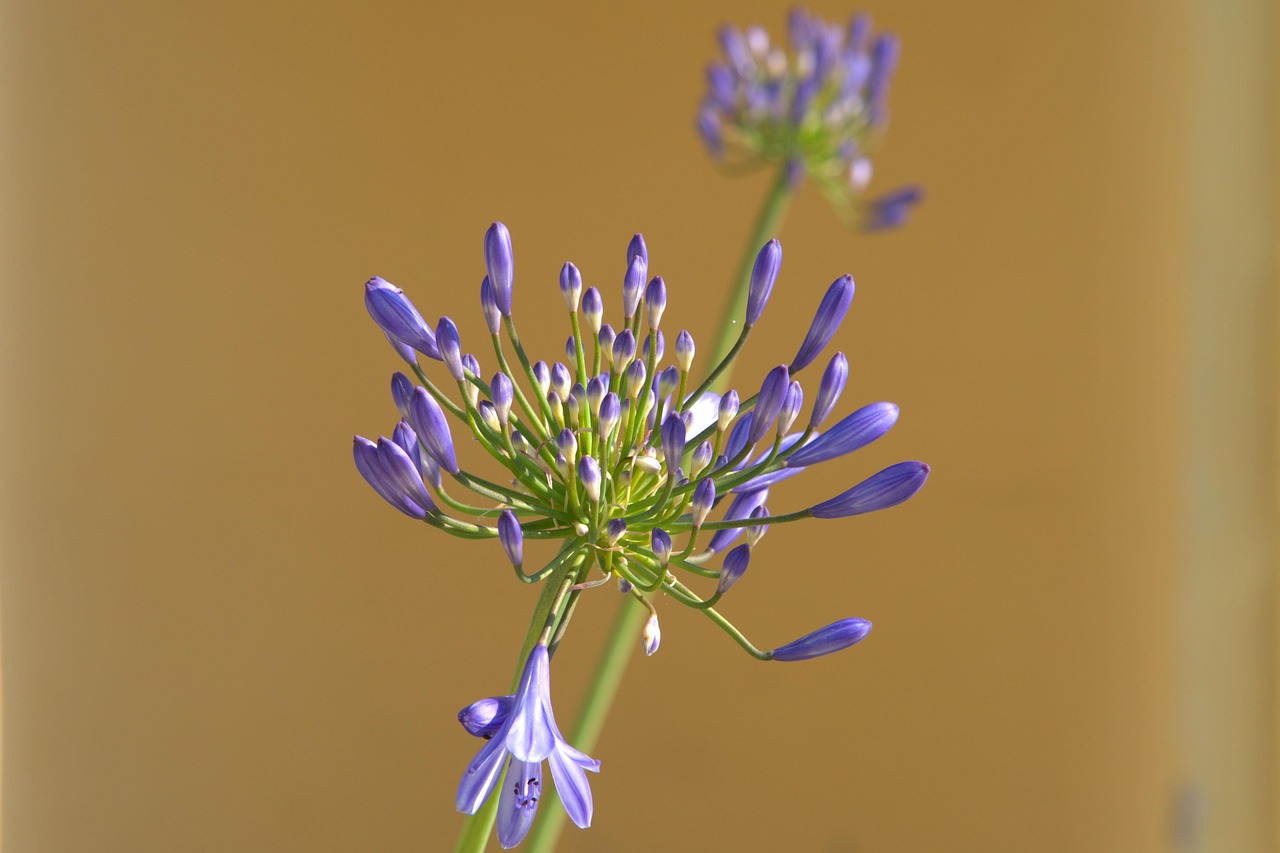
Keep in mind that agapanthus often perform best when slightly crowded in their containers or garden beds, so do not be tempted to dig them up too frequently. With the right placement and initial care, these hardy perennials will reward you with striking, trumpet-shaped flowers season after season. Monitor the area for weeds during the first few weeks, as young plants need to establish their root systems without competing for nutrients. Once established, they are remarkably drought-tolerant and require minimal intervention to thrive in your landscape.
Follow-up Care and Common Questions
Once your agapanthus bulbs are in the ground, consistent moisture is the key to successful establishment. Water them regularly during the first growing season, ensuring the soil remains damp but never waterlogged. Once the root system is well-established, these plants become remarkably drought-tolerant, though they still appreciate occasional deep watering during prolonged dry spells.
Agapanthus are generally low-maintenance, but they reward a little extra attention during their active growth phase. To encourage vigorous foliage and vibrant blooms, apply a balanced liquid fertilizer every four to six weeks throughout the spring and summer. Avoid over-fertilizing with high-nitrogen products, as this may lead to lush leaves at the expense of flowers.
If you live in a region with freezing winter temperatures, you must take steps to protect your plants:
- In-ground plants: Apply a thick layer of organic mulch, such as straw or shredded bark, around the base to insulate the roots from frost.
- Container plants: Move pots to a frost-free location, such as a garage, shed, or greenhouse, until the danger of frost has passed.
A common frustration for gardeners is an agapanthus that refuses to bloom. If your plant is all leaves and no flowers, consider these three factors:
- Sunlight: Agapanthus require at least six to eight hours of direct sunlight daily to produce flower stalks. If they are in too much shade, they will likely remain vegetative.
- Pot-bound status: These plants actually prefer to be slightly crowded. If you have recently repotted your agapanthus into a much larger container, it may take a season or two to settle in and bloom again.
- Planting depth: Ensure the bulbs were not planted too deeply, as this can delay or prevent flowering.
By maintaining proper light levels and avoiding excessive root disturbance, you will create the ideal environment for your agapanthus to thrive year after year.

Dedicated team of gardening enthusiasts with years of hands-on experience testing lawn mowers, gardening tools, and outdoor equipment. We help home gardeners and professionals alike make informed buying decisions with honest, thorough reviews. From push mowers to pruning shears, we test it all so you don’t have to. Got a gardening tool you’d like us to review? Get in touch!