
Growing fresh herbs inside your home is a rewarding way to elevate your cooking year-round. This guide provides actionable advice on lighting, watering, and maintenance to help your indoor herb garden thrive on a windowsill or countertop. With the right approach, you can enjoy flavorful, aromatic ingredients regardless of the season.
While indoor gardening is accessible, it requires understanding the unique needs of container-grown plants. Herbs are not “set it and forget it” decorations; they demand consistent care to remain healthy and productive. By managing your expectations and learning how to mimic their natural outdoor environment, you can avoid common pitfalls like overwatering.
Our comprehensive guide breaks down the essential steps for long-term success with your indoor collection. We will cover how to select the best containers, identify the ideal light exposure for specific varieties, and establish a reliable watering routine. Follow these practical tips to ensure your potted herbs stay vibrant, healthy, and ready for harvest.
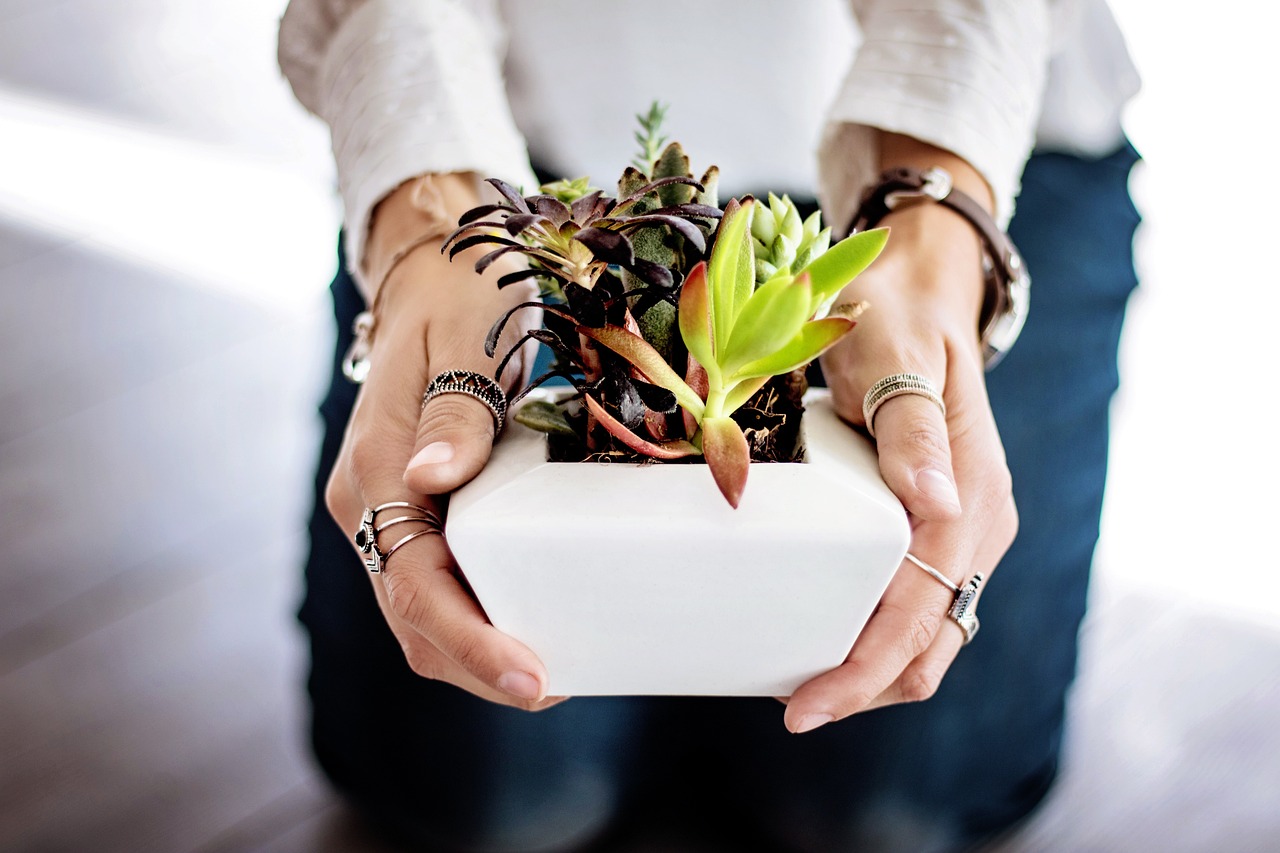
Selecting the Right Herbs and Containers
Success starts with choosing the right herbs. While many plants thrive outdoors, only specific varieties adapt well to the lower light levels and stable temperatures of an indoor environment. For the best results, select sun-loving herbs that are naturally compact. Basil, oregano, and thyme are excellent choices because they tolerate indoor conditions well and provide a steady harvest for your kitchen.
When selecting your plants, ensure they have enough space to grow. While you can start from seed, purchasing small starter plants from a nursery often yields faster results for indoor gardening.
The most critical factor for container gardening is drainage. Herbs hate “wet feet,” and sitting in stagnant water will quickly lead to root rot and plant death. Every pot must have drainage holes at the bottom to allow excess water to escape. If your decorative pot lacks these holes, you have two options:
- Use a plastic nursery liner pot inside the decorative container, removing it to water the plant in the sink.
- Drill drainage holes into the bottom of your existing ceramic or plastic pot.
If you choose to drill your own holes, safety is paramount. Always work on a stable, flat surface to prevent the pot from shifting. Wear protective safety glasses to shield your eyes from flying ceramic shards or plastic debris. Use the appropriate drill bit for your material—a masonry bit for ceramic or a standard twist bit for plastic—and apply steady, gentle pressure. Never force the drill, as this can crack the container or cause the tool to slip.
Once your containers are prepared, fill them with a high-quality, well-draining potting mix rather than garden soil. Garden soil is too dense for pots and can harbor pests or diseases that thrive in indoor environments. By combining the right plant selection with proper drainage, you create a healthy foundation that allows your indoor herb garden to flourish year-round.
Optimizing Light and Temperature
Most culinary herbs, such as basil, rosemary, and thyme, are sun-loving plants that require a minimum of six hours of bright, indirect sunlight daily to thrive. When growing indoors, the placement of your pots is the single most important factor for success. A south-facing window typically provides the most consistent and intense light throughout the day, making it the ideal location for your herb garden.
If your home lacks a sunny windowsill or if you are gardening during the shorter days of winter, natural light may be insufficient. In these cases, your plants will likely become “leggy,” stretching toward the light and producing weak stems. Supplementing with LED grow lights is a practical solution. Position the lights a few inches above the tops of the plants for 10 to 12 hours a day to simulate optimal growing conditions.
Beyond light, maintaining a stable environment is crucial for healthy growth. Most indoor herbs prefer temperatures between 65°F and 75°F (18°C–24°C). Sudden fluctuations can stress the plants, leading to wilting or leaf drop. To keep your herbs healthy, follow these placement guidelines:
- Avoid placing pots directly on or near radiators, space heaters, or heating vents, as these can dry out the soil and foliage rapidly.
- Keep plants away from drafty windows or exterior doors, especially during winter months, to prevent cold shock.
- Ensure your herbs are not sitting directly in the path of air conditioning vents, which can cause excessive transpiration and dehydration.
By monitoring the light intensity and shielding your herbs from extreme temperature shifts, you create a stable microclimate that mimics their natural outdoor environment. Regularly rotating your pots every few days ensures that all sides of the plant receive equal light exposure, promoting even, bushy growth rather than lopsided development. Consistency is the key to harvesting fresh, flavorful herbs from your indoor garden year-round.

Watering and Soil Management
Proper watering is the most critical factor in keeping indoor herbs healthy. While these plants crave consistent moisture, they are highly susceptible to root rot if left in standing water. Overwatering is the most common cause of indoor herb failure, so it is essential to monitor your plants closely rather than following a rigid calendar schedule.
To determine if your herbs need water, use the finger test. Insert your index finger into the soil up to the first knuckle—about an inch deep. If the soil feels damp or cool, hold off on watering. Only add water when the top inch of soil feels dry to the touch. When you do water, pour slowly until you see a small amount of liquid escape through the drainage holes at the bottom of the pot.
Soil management is equally important for long-term success. Never use soil dug directly from your outdoor garden; it is too heavy, prone to compaction, and may harbor unwanted pests or fungal diseases. Instead, invest in a high-quality, lightweight potting mix specifically formulated for containers. This ensures your herbs have the aeration and drainage they need to thrive.
Follow these tips to maintain optimal soil conditions:
- Ensure drainage: Always use pots with drainage holes. If you use a decorative cachepot, remove the inner liner to water, let it drain completely in the sink, and then return it to the decorative container.
- Avoid compaction: Over time, potting mix can settle and become dense. Gently fluff the top layer of soil with a fork every few months to improve oxygen flow to the roots.
- Use a saucer: Place a saucer under your pot to protect your furniture, but never let the pot sit in the runoff. Always empty the saucer 15 minutes after watering to prevent the roots from soaking in stagnant water.
By balancing consistent moisture with excellent drainage, you create the ideal environment for your indoor herb garden to flourish year-round.
Pruning and Harvesting Techniques
Regular harvesting is the secret to maintaining vibrant, productive indoor herbs. Rather than simply picking off individual leaves, you should prune your plants to stimulate new growth. This practice prevents herbs from becoming “leggy” or woody and encourages them to grow into dense, bushy mounds.
Always use clean, sharp kitchen shears or dedicated garden snips for this task. Dull blades can crush delicate plant stems, creating jagged wounds that take longer to heal and act as entry points for pests or fungal diseases. A clean, crisp cut ensures the plant recovers quickly and continues to thrive.
Follow these best practices to ensure your herbs remain healthy throughout the harvest:
- Cut above a leaf node: Always snip just above a set of leaves or a growth node. New stems will emerge from this point, doubling the density of your plant.
- Harvest from the top down: Focus on trimming the top growth to encourage lateral branching. Avoid removing more than one-third of the plant at any single time, as this can shock the herb.
- Remove flowers promptly: If your herbs begin to bolt or produce flowers, snip them off immediately. Flowering diverts energy away from leaf production and can change the flavor profile of the herb.
- Rotate your plants: Since indoor herbs often lean toward a light source, rotate your pots frequently to ensure even growth before you harvest.
Safety is paramount when maintaining your indoor garden. When using sharp cutting tools, always keep your fingers well away from the blades and ensure you are cutting in a direction away from your body. Because these tools are often kept in kitchens or accessible areas, store them securely in a drawer or a locked cabinet immediately after use. Always keep shears and snips completely out of reach of children and pets to prevent accidental injury. By following these simple maintenance techniques, you will enjoy a continuous supply of fresh, aromatic herbs right from your windowsill all year long.

Troubleshooting and Long-Term Care
Even with the best intentions, indoor herbs can face setbacks. Most health issues arise from environmental stressors, so observing your plants daily is the best way to catch problems early.
If you notice yellowing leaves or stunted growth, the culprit is usually improper watering or insufficient light. Herbs like basil and rosemary need at least six hours of bright, indirect sunlight. Before reaching for fertilizer, check the soil moisture. If the soil feels soggy, hold off on watering until the top inch is completely dry. Ensure your pots have drainage holes to prevent root rot, which is often fatal to indoor herbs.
Pests can also find their way indoors. If you spot tiny aphids or webbing on your leaves, take immediate action to prevent an infestation:
- Manual removal: Wipe the leaves gently with a soft, damp cloth to remove insects.
- Organic intervention: Apply an organic insecticidal soap or a diluted neem oil solution to the affected areas.
- Isolation: Move the infested plant away from your healthy herbs to contain the spread.
Long-term care involves monitoring the root system. If your herbs seem to stop growing despite proper light and water, they may be root-bound. This occurs when the roots have filled the pot, leaving no room for growth or nutrient absorption. Spring is the ideal time to repot your herbs into a container one size larger, using fresh, well-draining potting mix. Avoid moving up more than one size at a time, as excess soil can hold too much moisture, leading to root decay.
If you encounter a persistent ailment you cannot identify, do not guess. Take a clear photo or bring a leaf sample to a local nursery professional. They can provide specific guidance on soil amendments or specialized treatments tailored to your local climate and plant variety. With consistent attention and minor adjustments, your indoor garden will remain productive and healthy throughout the year.

Dedicated team of gardening enthusiasts with years of hands-on experience testing lawn mowers, gardening tools, and outdoor equipment. We help home gardeners and professionals alike make informed buying decisions with honest, thorough reviews. From push mowers to pruning shears, we test it all so you don’t have to. Got a gardening tool you’d like us to review? Get in touch!