
To care for Kalanchoe indoors, provide bright, indirect sunlight and allow the soil to dry out completely between waterings. These popular succulents are prized for their vibrant, long-lasting blooms and low-maintenance nature, making them a perfect choice for both novice gardeners and busy plant enthusiasts looking to brighten their home decor.
While Kalanchoe plants are relatively hardy, they do require specific conditions to thrive and produce those signature colorful flowers. Understanding their unique needs is crucial, as improper light or overwatering can quickly lead to stunted growth or rot. With the right environment, these durable plants will remain healthy and beautiful for years.
This guide covers the essential light, water, and soil requirements to keep your Kalanchoe healthy and encourage repeat flowering throughout the year. We will walk you through practical troubleshooting tips, seasonal care adjustments, and the best techniques for pruning. Follow these simple steps to ensure your indoor garden flourishes with vibrant, stunning blooms.
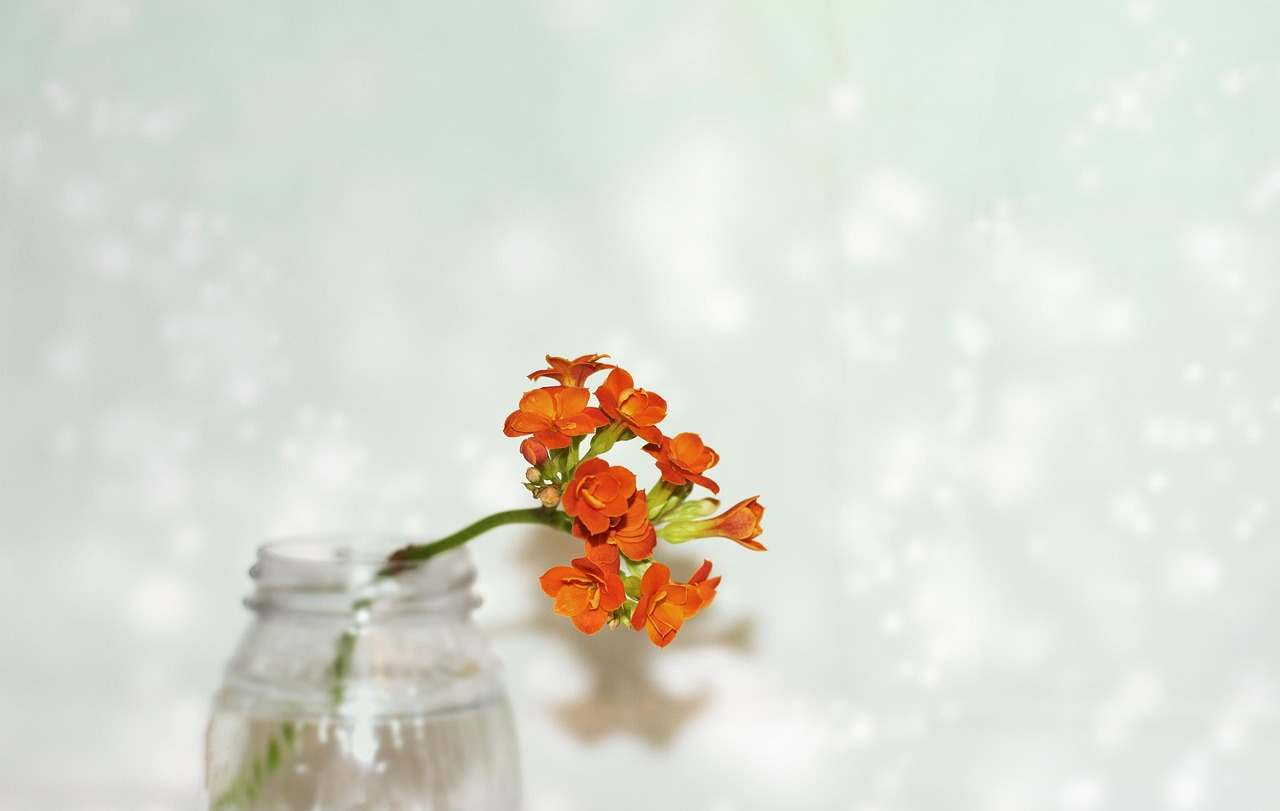
Ideal Light and Temperature Conditions
Kalanchoe plants are desert succulents that crave abundant, high-quality light to maintain their compact shape and vibrant blooms. To keep your plant healthy, place it in a spot that receives bright, indirect sunlight throughout the day. A south or west-facing window is typically the best location in an indoor environment.
If your kalanchoe does not receive enough light, it will quickly begin to stretch, resulting in a “leggy” appearance with long stems and sparse leaves. If you notice your plant leaning heavily toward a light source or losing its bushy form, consider moving it closer to a window or supplementing with a grow light.
Temperature management is equally vital for long-term success. Kalanchoes prefer a consistent indoor climate and will perform best when you follow these guidelines:
- Ideal Range: Keep your plant in an environment between 60 and 75 degrees Fahrenheit (15–24 degrees Celsius).
- Avoid Fluctuations: Do not place your kalanchoe near drafty windows, exterior doors, or air conditioning vents, as sudden temperature swings can stress the foliage.
- Keep Clear of Heat Sources: Ensure your plant is kept away from direct heat sources such as radiators, fireplaces, or space heaters, which can dry out the soil too quickly and scorch the leaves.
While these plants are resilient, they do not tolerate freezing temperatures. If you keep your kalanchoe near a window during the winter, ensure the leaves are not touching the cold glass, as this can cause localized tissue damage. By providing a stable, bright environment, you encourage the plant to store energy for its next blooming cycle. If you live in a home with limited natural light, rotating the pot every few days can help ensure even growth and prevent the plant from becoming lopsided as it reaches for the sun.
Watering and Soil Requirements
Kalanchoes are resilient succulents that store moisture within their thick, fleshy leaves. Because of this natural adaptation, they are highly sensitive to overwatering. The most common mistake indoor gardeners make is keeping the soil constantly damp, which quickly leads to root rot and plant decline.
To keep your Kalanchoe thriving, follow the “soak and dry” method. Before adding more water, check the moisture level by inserting your finger into the soil. You should allow the top two inches of the potting mix to dry out completely. If the soil still feels cool or damp, wait a few more days before watering again.
Selecting the right soil and container is just as important as your watering schedule. These plants require excellent aeration to prevent moisture from lingering around the roots. Follow these guidelines for the best results:
- Use specialized soil: Always use a well-draining potting mix specifically formulated for cacti or succulents. These blends contain perlite, sand, or pumice, which promote airflow and prevent soil compaction.
- Prioritize drainage: Ensure your pot has at least one drainage hole at the bottom. Never plant a Kalanchoe in a container without an exit point for excess water.
- Empty the saucer: After watering, allow the pot to drain thoroughly for several minutes. Always empty the saucer or decorative cachepot afterward. Allowing the plant to sit in standing water is a primary cause of fungal infections and root decay.
During the winter months, your Kalanchoe will enter a period of slower growth. You will likely find that you need to water significantly less frequently during this time. Always prioritize the dryness of the soil over a strict calendar schedule. If the leaves begin to look slightly shriveled, it is a sign that the plant is using its stored water reserves and is ready for a drink. If the leaves feel soft or mushy, however, you are likely watering too often.
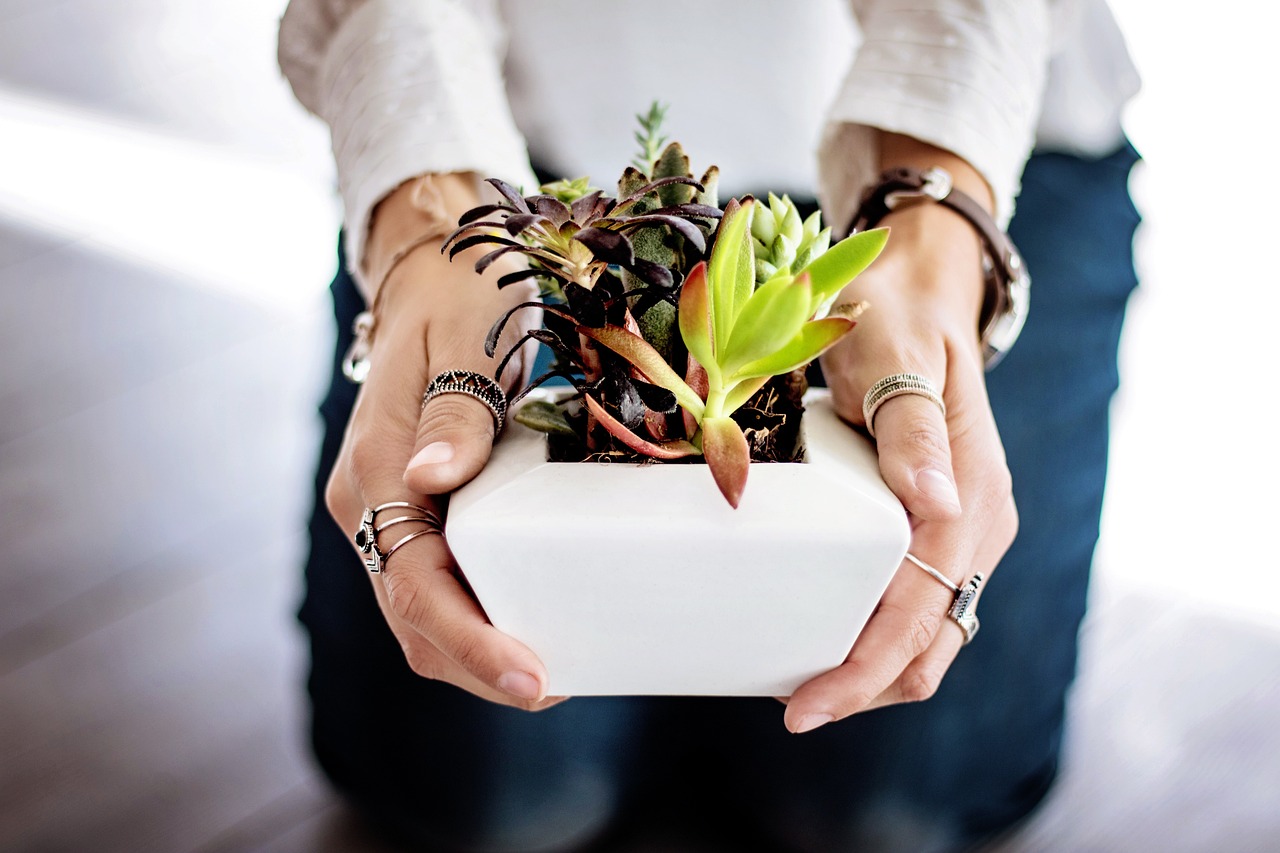
Pruning and Maintenance Safety
Regular pruning is the secret to maintaining a vibrant, compact Kalanchoe. By trimming back stems that have become leggy or overgrown, you encourage the plant to produce new, bushy growth. Additionally, removing faded or spent flower stalks redirects the plant’s energy toward developing fresh blooms rather than seed production.
For the best results, always use clean, sharp bypass pruning shears. These tools provide a clean, precise cut that heals quickly, minimizing the risk of infection. Dull blades can crush delicate stems, creating ragged wounds that serve as entry points for pests or fungal diseases. To maintain your equipment, wipe the blades with rubbing alcohol before and after each session to prevent cross-contamination between your houseplants.
Safety is a critical component of routine maintenance. While Kalanchoe is a beautiful addition to indoor spaces, it requires careful handling:
- Wear protective gloves: Many Kalanchoe species contain sap that can cause skin irritation or contact dermatitis in sensitive individuals. Always protect your hands when pruning or repotting.
- Sanitize your tools: Keeping your shears clean is not just for the plant’s health; it is a standard practice to prevent the spread of pathogens throughout your indoor garden.
- Secure your equipment: Sharp pruning shears are dangerous if left unattended. Always store your tools in a locked cabinet or a secure drawer immediately after use to keep them out of reach of children and pets.
- Dispose of trimmings: If you have pets that are prone to chewing on greenery, ensure all pruned stems and fallen leaves are discarded immediately. Kalanchoe is toxic if ingested, so keeping your workspace tidy is essential for home safety.
By incorporating these simple pruning habits and safety precautions into your care routine, you will keep your Kalanchoe healthy, aesthetically pleasing, and safe for everyone in your household. Consistent maintenance ensures your plant remains a thriving focal point in your home for years to come.
Encouraging Repeat Blooms
Kalanchoes are photoperiodic plants, meaning their flowering cycle is triggered by the length of daylight they receive. While these succulents often bloom once and then sit dormant, you can coax them into producing a vibrant second flush of flowers by mimicking the short days of autumn and winter.
To initiate this process, your plant requires a strict schedule of light and darkness for approximately six weeks. During this period, follow these steps to reset the plant’s biological clock:
- Provide total darkness: For 14 hours every night, place your Kalanchoe in a completely dark closet or cover it with an opaque box. Even small amounts of artificial light, such as a nearby lamp or street light, can disrupt the process and prevent buds from forming.
- Ensure bright days: During the remaining 10 hours of the day, move the plant to a spot that receives bright, indirect sunlight. Consistent, high-quality light during these daylight hours provides the energy necessary for flower development.
- Maintain temperature: Keep the plant in a room with a steady temperature, ideally between 60°F and 70°F (15°C–21°C). Avoid placing the plant near cold drafts or heating vents, as temperature fluctuations can stress the plant and inhibit blooming.
Consistency is the most important factor in this process. If you miss a night or expose the plant to light during its “dark” phase, the cycle will be interrupted, and you may need to restart the six-week countdown. During this time, reduce your watering frequency slightly, as the plant’s growth rate slows down in response to the shorter light cycles. Once you begin to see tiny flower buds forming, you can stop the dark-cycle treatment and return the plant to its regular, bright indoor location.
By carefully controlling these light cycles, you can enjoy the cheerful, long-lasting blooms of your Kalanchoe year after year, transforming a simple houseplant into a reliable seasonal display.

Troubleshooting Common Issues
Even with the best intentions, your Kalanchoe may occasionally show signs of stress. Learning to read these visual cues is the first step toward restoring your plant’s health. Most issues stem from minor adjustments to your watering schedule or light placement.
If you notice yellowing leaves or soft, mushy stems, you are likely overwatering. Kalanchoes are succulents that store water in their foliage, making them highly susceptible to root rot in waterlogged soil. Allow the top two inches of soil to dry out completely between waterings to prevent this damage.
Conversely, if you observe brown, crispy leaf edges, your plant is signaling environmental stress. This typically indicates one of two things:
- Dehydration: The soil has remained dry for too long, causing the plant to sacrifice its outer leaves.
- Sunburn: The plant is receiving too much harsh, direct sunlight, which scorches the foliage. Move the pot to a location with bright, indirect light.
Safety is also a critical component of plant care. Kalanchoes are toxic to cats and dogs if ingested. To keep your pets safe, always place your plant in an elevated, secure location, such as a high shelf or a hanging planter, where curious paws cannot reach the leaves.
Finally, keep a close eye on the undersides of leaves and the soil surface. While Kalanchoes are generally hardy, they can occasionally fall victim to pests like mealybugs or fungal issues if the air circulation is poor. If your plant shows signs of a severe, spreading infestation or persistent fungal growth despite consistent care, do not rely on home remedies alone. Consult with a local nursery professional; they can provide specific treatment recommendations or identify if the plant is beyond recovery. Catching these issues early is the most effective way to ensure your Kalanchoe thrives for years to come.

Dedicated team of gardening enthusiasts with years of hands-on experience testing lawn mowers, gardening tools, and outdoor equipment. We help home gardeners and professionals alike make informed buying decisions with honest, thorough reviews. From push mowers to pruning shears, we test it all so you don’t have to. Got a gardening tool you’d like us to review? Get in touch!