
Growing fresh coriander, or cilantro, inside your home is a rewarding way to have herbs on hand for cooking. While coriander can be a bit finicky, following specific light and watering requirements will help you successfully cultivate this fast-growing herb on your windowsill. With the right approach, you can enjoy homegrown flavor year-round.
It is important to understand that coriander has a short lifespan and prefers cooler temperatures to thrive indoors. Because it grows quickly and often bolts when exposed to excessive heat, managing its environment is key to a successful harvest. Realistic expectations regarding its rapid growth cycle will help you plan your planting schedule effectively.
In this guide, we provide practical, step-by-step instructions to ensure your indoor coriander flourishes. We will cover essential topics, including selecting the right containers, choosing optimal soil mixtures, and mastering the delicate balance of sunlight and moisture. Follow these expert tips to transform your kitchen space into a productive and fragrant herb garden.
Choosing the Right Pot and Soil
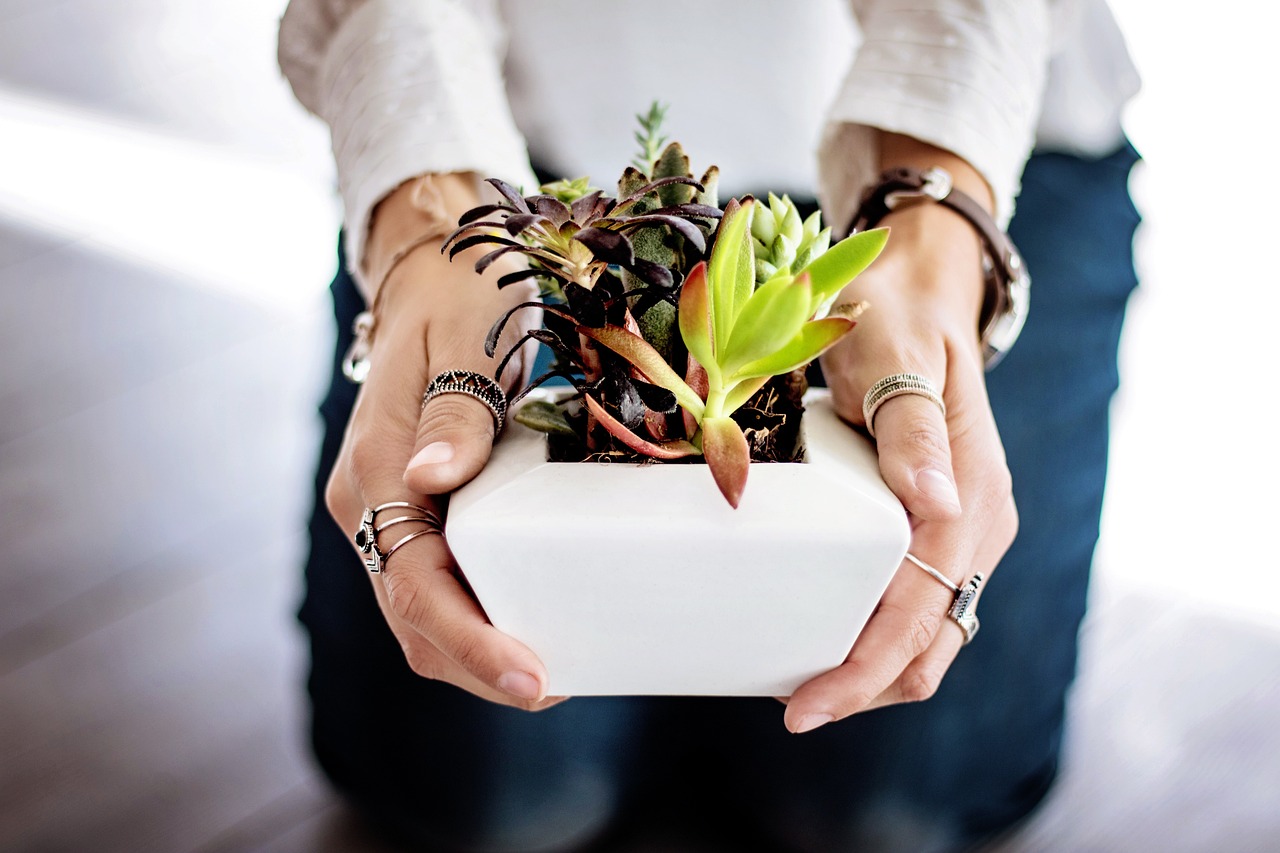
Successful indoor coriander cultivation begins with selecting the right container. Because coriander develops a long, delicate taproot, it requires significant vertical space to thrive. Choose a pot that is at least 8 to 10 inches deep. If the container is too shallow, the roots will become cramped, which often triggers the plant to “bolt” or go to seed prematurely, ruining the flavor of the leaves.
Equally important is drainage. Coriander is highly susceptible to root rot if it sits in stagnant water. Ensure your chosen pot has several drainage holes at the bottom. If you are using a decorative outer pot without holes, place the coriander in a plastic nursery pot inside it, and always empty the excess water from the outer container after every watering session.
Your choice of growing medium is the next critical factor. Avoid using heavy garden soil, which compacts easily and retains too much moisture. Instead, opt for a high-quality, well-draining potting mix. A blend containing perlite or vermiculite is ideal, as these materials improve aeration and prevent the soil from becoming waterlogged.
When setting up your indoor garden, prioritize safety while preparing your pots and soil:
- Always work on a stable, flat surface to prevent pots from tipping over.
- When using gardening tools like trowels, shears, or pruners, keep your fingers well away from the sharp edges.
- If you are opening bags of soil or cutting drainage mesh, use a utility knife away from your body to avoid accidental slips.
- Wear gardening gloves if you have sensitive skin or if your potting mix contains coarse additives like bark or perlite.
By providing the correct depth and a porous soil environment, you create the foundation necessary for healthy, vigorous coriander growth. Proper preparation at this stage reduces the need for constant intervention later, allowing your herbs to establish a strong root system before they begin producing the lush, flavorful foliage you want for your kitchen.
Light and Temperature Requirements
Coriander, also known as cilantro, is a sun-loving herb that requires specific environmental conditions to thrive indoors. Because it is a cool-season crop, managing the balance between light intensity and ambient temperature is the most critical factor in preventing your plant from bolting—a process where it prematurely stops producing lush leaves and begins to flower.
For optimal growth, position your coriander in a south-facing window. This location typically provides the best exposure to natural light throughout the day. Your goal should be at least six hours of bright, indirect sunlight. If you notice your plant becoming “leggy”—stretching out with thin, weak stems—it is a clear sign that it is not receiving enough light and is reaching for a source.
If your home lacks sufficient natural light, especially during winter months, supplement with an LED grow light. Place the light roughly 6 to 12 inches above the foliage for 10 to 12 hours a day to mimic the intensity of the sun without generating excessive heat.
Temperature management is equally vital for healthy development:
- Ideal Range: Maintain an indoor temperature between 60°F and 70°F (15°C to 21°C). Coriander prefers these cool to moderate conditions and will struggle if temperatures consistently exceed 75°F.
- Avoid Extremes: Keep your plant away from direct heat sources, such as radiators, heating vents, or wood stoves. These dry out the soil too quickly and stress the plant.
- Draft Protection: While coriander enjoys good air circulation, avoid placing it in the direct path of cold winter drafts from windows or doors, as sudden temperature fluctuations can damage tender growth.
By mimicking these temperate, bright conditions, you provide the stability your coriander needs to produce flavorful, aromatic leaves for your kitchen. Regularly rotating the pot every few days will ensure that all sides of the plant receive even exposure, promoting a balanced and bushy growth habit.

Watering and Humidity Best Practices
Coriander thrives when its soil remains consistently moist, mimicking the cool, well-drained conditions it prefers in nature. However, balance is critical; while the plant dislikes drying out completely, it is equally susceptible to root rot if left in waterlogged soil. Maintaining this delicate equilibrium is the secret to preventing premature bolting.
To determine if your coriander needs attention, use the finger test. Gently insert your finger into the top inch of the potting mix. If the soil feels dry to the touch, it is time to water. If it still feels damp or cool, wait another day or two before checking again.
How you deliver water is just as important as how often you do it:
- Use a narrow-spout watering can: This allows you to direct water precisely at the base of the plant, ensuring the soil gets hydrated without wetting the foliage.
- Keep leaves dry: Avoid splashing water onto the leaves. Excess moisture sitting on the foliage can encourage fungal issues and powdery mildew, which can quickly ruin a harvest.
- Drain excess water: After watering, check the saucer beneath your pot. If water has accumulated, empty it immediately. Never let the pot sit in standing water, as this suffocates the roots.
If you are growing your coriander on a windowsill or near a kitchen counter, be mindful of your surroundings. Ensure that your pot has a saucer to catch runoff, as standing water can create a mess and potentially damage nearby electrical outlets or wooden surfaces. By keeping the root zone hydrated but well-drained, you create the ideal environment for lush, flavorful leaves.
Harvesting Your Coriander
Knowing when and how to harvest your coriander ensures a steady supply of fresh, flavorful leaves for your kitchen. You can begin harvesting once your plant reaches approximately 6 inches in height and has developed a sturdy set of mature leaves. Harvesting at this stage encourages the plant to continue producing fresh growth from the center, extending its lifespan.
To harvest correctly, use clean, sharp kitchen scissors. Dull blades can crush the delicate stems, leading to browning or plant stress. Always cut the outer leaves first, as these are the oldest and most mature. By removing the outer foliage, you allow the younger leaves in the center to receive more light and space to develop.
Follow these safety guidelines to ensure a productive and injury-free experience:
- Always cut away from your body to maintain control over the scissors.
- Keep your non-cutting hand well clear of the blade path at all times.
- Do not harvest more than one-third of the plant at once, as this can weaken the coriander and hinder future growth.
- Sanitize your scissors with rubbing alcohol before use to prevent the spread of bacteria or plant pathogens.
When you are ready to harvest, grip the stem near the base of the leaf you wish to remove. Make a clean, swift snip just above the main stem or a leaf node. Never pull or tear the leaves by hand, as this can damage the fragile root system or snap the main stalk.
If you notice your coriander starting to bolt—sending up a tall, thin flower stalk—harvest the remaining leaves immediately. Once the plant begins to flower, the leaves often take on a bitter flavor. If you prefer to harvest coriander seeds (coriander spice), you can allow the plant to flower and produce seeds, but keep in mind that leaf production will cease once the plant focuses its energy on seed development.

Troubleshooting and Long-Term Care
Coriander is a cool-weather herb that is notoriously prone to bolting. This occurs when the plant experiences heat stress or excessive light, causing it to prematurely produce a flower stalk. Once a plant bolts, its energy shifts from leaf production to seed development, which makes the remaining foliage taste bitter and tough.
If you notice your coriander starting to bolt, you have two options:
- Harvest early: Snip the remaining usable leaves immediately to enjoy them before the flavor profile changes completely.
- Collect seeds: Allow the plant to flower and dry out. You can then harvest the seeds to use as the spice known as coriander, which is a great way to salvage a plant that has finished its leaf-producing cycle.
Pest management is another essential part of long-term care. Indoor coriander can occasionally attract aphids, which hide on the undersides of leaves and suck the plant’s sap. If you spot these tiny insects, act quickly to prevent an infestation:
- Gently wash the affected leaves with a mixture of mild, fragrance-free dish soap and lukewarm water.
- Use a soft cloth or a gentle spray bottle to ensure you reach the undersides of the foliage.
- Rinse the leaves lightly with clean water afterward to remove soap residue.
Proper environmental control is the best defense against both bolting and pests. Keep your plant in a spot that receives bright, indirect light but remains cool, ideally away from heating vents or drafty windows. Consistent moisture is also vital; allow the top inch of soil to dry out between waterings, but never let the pot sit in standing water, as this leads to root rot.
If you notice severe wilting that does not recover after a thorough watering, or if you see unusual spots or discoloration on the foliage, the issue may be related to soil health or fungal pathogens. In these cases, it is best to consult a local nursery professional. They can provide specific advice tailored to your local climate and help you diagnose persistent issues before they spread to your other indoor plants.

Dedicated team of gardening enthusiasts with years of hands-on experience testing lawn mowers, gardening tools, and outdoor equipment. We help home gardeners and professionals alike make informed buying decisions with honest, thorough reviews. From push mowers to pruning shears, we test it all so you don’t have to. Got a gardening tool you’d like us to review? Get in touch!