
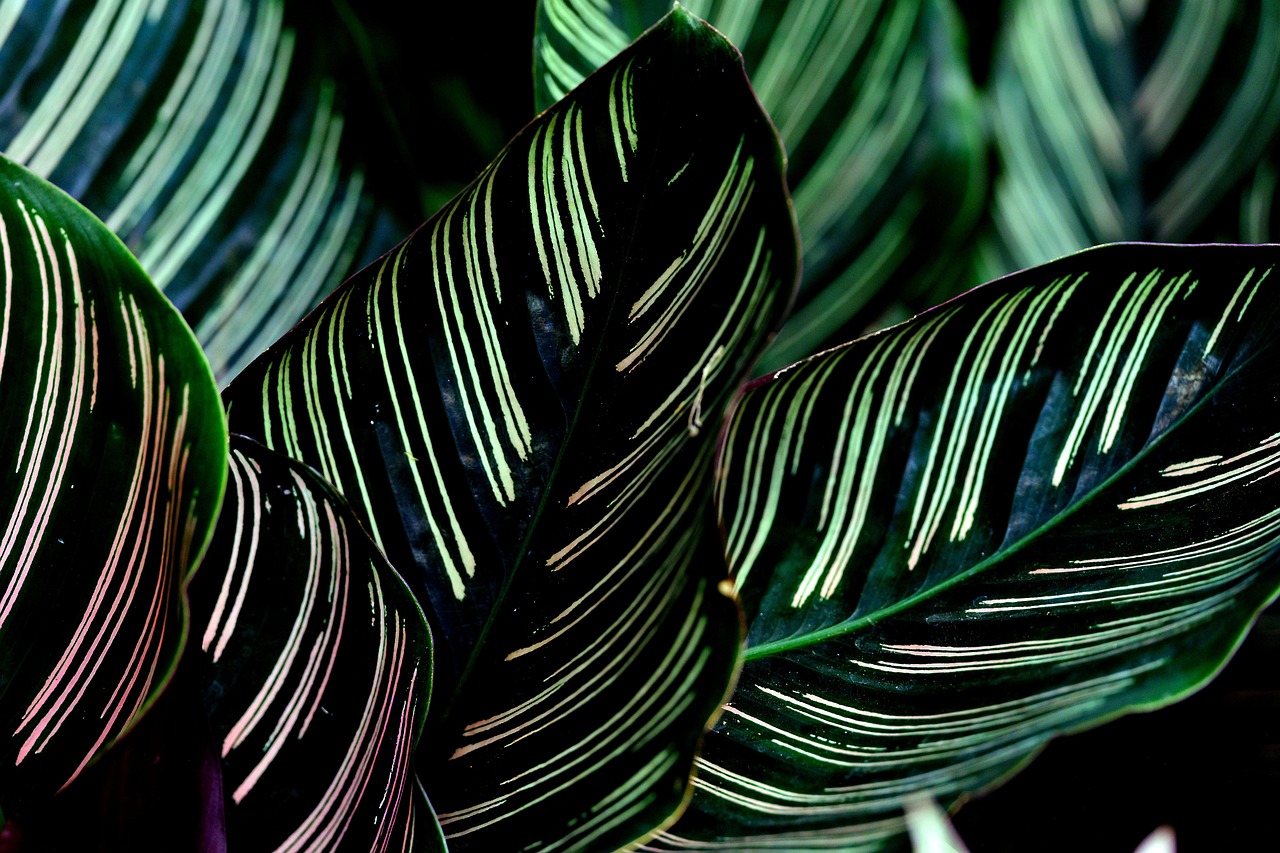
To care for a Calathea peacock plant, provide it with bright, indirect light and consistently moist, well-draining soil. Maintaining high humidity levels is essential to prevent its delicate, patterned leaves from browning at the edges. With the right environmental balance, this stunning tropical plant will reward you with its vibrant, feather-like foliage.
The Calathea makoyana has earned a reputation for being somewhat finicky, often reacting quickly to changes in its surroundings. However, these plants are not impossible to grow; they simply require a stable, consistent environment that mimics their natural rainforest habitat. Understanding these specific needs is the key to moving beyond basic survival.
In this comprehensive guide, we break down the practical steps required to keep your peacock plant thriving throughout the year. From mastering the perfect watering schedule to troubleshooting common issues like leaf curling or discoloration, we cover everything you need to know to become a confident and successful indoor gardener today.

Optimal Light and Temperature Requirements
The Calathea makoyana, commonly known as the peacock plant, is prized for its stunning, translucent foliage. To keep these intricate patterns vibrant, light management is your most critical task. These plants thrive in bright, indirect light, which mimics the filtered canopy of their native tropical rainforests.
Avoid placing your plant in direct sunlight. Harsh rays can quickly scorch the delicate leaves, causing unsightly brown spots and fading the signature markings. For the best results, follow these placement guidelines:
- East-facing windows: These provide gentle morning sun, which is generally safe and beneficial.
- South or West-facing windows: Position the plant at least three to five feet away from the glass. You can also use a sheer curtain to diffuse the light if the area is particularly bright.
- Low-light corners: While they are often labeled as low-light plants, they will grow slowly and may lose their variegation if kept in deep shade.
Temperature stability is equally important for the health of your peacock plant. These tropical natives prefer a consistent environment, ideally between 65 and 80 degrees Fahrenheit. Because they are sensitive to sudden fluctuations, keep them away from areas where temperatures spike or drop unexpectedly.
Avoid placing your plant in the direct path of:
- Cold drafts: Keep them away from drafty windows or exterior doors during winter months.
- HVAC vents: Air conditioning vents and heating units create dry, fluctuating air currents that can cause leaf edges to curl and crisp.
If your home feels chilly at night, ensure the plant is not touching a cold windowpane, as the glass can transfer a significant chill that may damage the foliage. By maintaining a steady, warm, and softly lit environment, you provide the essential foundation for your peacock plant to thrive and maintain its lush, healthy appearance year-round.
Watering and Humidity Needs
Calathea makoyana, or the peacock plant, is a tropical native that thrives on consistency. Mastering its watering routine is the most critical step in preventing common issues like brown, crispy leaf edges or yellowing foliage.
The golden rule for watering is to allow the top inch of soil to dry out before adding more moisture. Stick your finger into the potting mix to gauge the dampness. When it feels dry, water thoroughly until liquid drains from the bottom of the pot. Always ensure your container has drainage holes; sitting in standing water will quickly lead to root rot, which is often fatal for this species.
Water quality matters significantly for these sensitive plants. Calatheas are notoriously reactive to the chemicals found in standard tap water, such as fluoride, chlorine, and excess salts. If you notice brown tips despite proper watering, your plant is likely signaling a sensitivity to these additives. To keep your peacock plant vibrant:
- Use filtered, distilled, or rainwater whenever possible.
- Allow tap water to sit out overnight to let some chlorine evaporate, though this does not remove fluoride.
- Ensure the water is at room temperature to avoid shocking the root system.
Beyond soil moisture, humidity is the secret to lush, healthy growth. As tropical plants, they require ambient humidity levels above 50 percent to mimic their natural rainforest habitat. If your home air is dry, especially during winter months, your plant will struggle to unfurl new leaves.
You can effectively boost local humidity using these practical methods:
- Pebble Trays: Place the pot on a tray filled with pebbles and a small amount of water, ensuring the bottom of the pot sits above the water line.
- Humidifiers: Position a small humidifier nearby to maintain a consistent moisture level in the air.
- Grouping: Cluster your Calatheas together to create a microclimate where moisture released through transpiration benefits the entire group.
Soil and Fertilization Best Practices
The foundation of a healthy Calathea peacock plant lies in its soil structure. Because these plants are native to tropical rainforest floors, they require a medium that stays consistently moist but never soggy. If the soil remains saturated for too long, the roots will quickly succumb to rot.
For the best results, use a high-quality, peat-based potting mix. This provides the necessary acidity and organic material the plant craves. However, standard potting soil is often too dense on its own. To improve aeration and drainage, amend your mix with one of the following additions:
- Perlite: Volcanic glass that creates air pockets, preventing soil compaction.
- Orchid Bark: Adds structural texture and encourages better drainage.
- Coco Coir: An excellent, sustainable alternative to peat that helps maintain moisture levels.
Aim for a mixture that feels light and fluffy to the touch. If you are unsure about your blend, a simple ratio of two parts peat-based soil to one part perlite is a reliable starting point for most indoor environments.
Proper fertilization is equally important for maintaining the vibrant, patterned foliage of your Calathea. During the active growing season—typically spring and summer—your plant will benefit from a steady supply of nutrients. Use a balanced, water-soluble fertilizer specifically formulated for indoor foliage plants.
To prevent fertilizer burn, which can cause brown, crispy leaf edges, always dilute the solution to half-strength. Apply this mixture once a month while the plant is producing new leaves. As the days shorten and temperatures drop in the autumn, the plant will enter a period of natural dormancy. During the winter months, stop fertilizing entirely. Resuming the feeding schedule too early can stress the plant while its metabolic rate is low. Instead, focus on maintaining consistent humidity levels until the first signs of spring growth appear.
Safe Maintenance and Pruning
Maintaining your Calathea peacock plant (Goeppertia makoyana) requires a gentle touch and consistent habits. Because these plants are prized for their intricate, patterned foliage, keeping the leaves clean is essential for both aesthetics and health. Dust buildup on the surface of the leaves can physically block sunlight, hindering the plant’s ability to photosynthesize efficiently.
To clean your plant, use a soft, lint-free cloth dampened with lukewarm water. Gently support the underside of each leaf with one hand while wiping the top surface with the other. Avoid using harsh leaf-shine products or oils, as these can clog the plant’s pores and cause damage.
Regular maintenance also involves removing foliage that has reached the end of its life cycle. It is natural for older leaves to yellow or brown over time. When you notice these signs, follow these steps to prune safely:
- Use the right tools: Always use clean, sharp pruning shears or scissors. Dull blades can crush delicate stem tissue, creating entry points for pathogens.
- Sanitize: Wipe your blades with rubbing alcohol before and after pruning to prevent the spread of potential infections between plants.
- Make clean cuts: Snip the damaged leaf off at the base of the stem, close to the soil line or the main stalk, without damaging the healthy growth.
Safety is a priority during any gardening task. Always wear gardening gloves when handling your plants to protect your skin from potential irritants or accidental scratches from hidden debris in the soil. Furthermore, because your pruning tools are sharp, they pose a risk if left unattended. After you finish your maintenance routine, immediately clean your shears and store them in a secure cabinet or tool shed, well out of reach of children and curious pets.
By keeping the foliage dust-free and removing dying leaves promptly, you allow the Calathea peacock to direct its energy toward new, vibrant growth. Consistent, careful attention is the best way to ensure your plant remains a stunning centerpiece in your home.

Troubleshooting Common Issues
Even with the best intentions, your Calathea Peacock may occasionally show signs of distress. Because these plants are sensitive to their environment, they often communicate their needs through their foliage. Learning to interpret these signals is the key to long-term success.
If you notice the leaves curling inward, your plant is likely struggling with moisture levels. This is a classic symptom of either underwatering or insufficient ambient humidity. Check the top inch of soil; if it feels bone-dry, give the plant a thorough soak. If the soil is moist, increase the humidity around the plant using a pebble tray or a humidifier.
Brown, crispy leaf tips are another common frustration. These are typically caused by two factors:
- Mineral buildup: Tap water often contains chlorine, fluoride, or salts that accumulate in the soil and burn the delicate leaf edges. Switch to filtered, distilled, or rainwater to prevent further damage.
- Low humidity: Dry air draws moisture directly out of the leaves. Aim to keep humidity levels above 50% for optimal health.
Keep an eye on the plant’s natural rhythm. Calatheas exhibit nyctinasty, a behavior where leaves fold up at night and open during the day. If this movement stops, your plant is likely stressed. Check for drafts, sudden temperature drops, or inadequate light levels, as these environmental fluctuations can cause the plant to go dormant or become sluggish.
Finally, inspect the undersides of the leaves regularly for pests, specifically spider mites, which thrive in dry conditions. If you spot fine webbing or tiny, moving specks, take immediate action:
- Isolate the infected plant from your other houseplants to prevent spread.
- Gently wipe the leaves with a damp cloth to remove visible pests.
- Treat the foliage thoroughly with insecticidal soap or neem oil, ensuring you reach the undersides of the leaves where mites prefer to hide.
With prompt attention, most Calathea issues are reversible, helping your plant return to its vibrant, patterned glory.

Dedicated team of gardening enthusiasts with years of hands-on experience testing lawn mowers, gardening tools, and outdoor equipment. We help home gardeners and professionals alike make informed buying decisions with honest, thorough reviews. From push mowers to pruning shears, we test it all so you don’t have to. Got a gardening tool you’d like us to review? Get in touch!