
Learning how to care for a potted rosemary plant is simple when you understand its Mediterranean roots. Rosemary is a versatile, fragrant herb that thrives in containers when given the right environment. By mimicking its natural sunny, dry habitat, you can easily maintain a lush, aromatic plant right on your kitchen windowsill or patio.
While rosemary is hardy, it does not tolerate “wet feet” or heavy, waterlogged soil. Success depends on providing excellent drainage and plenty of direct sunlight, which are the two most critical factors for long-term health. With these basic needs met, your plant will reward you with steady growth and flavorful harvests for many seasons.
This guide covers the essential steps to help your potted rosemary plant grow strong, healthy, and productive all year round. We will walk you through optimal watering techniques, the best soil mixtures for container gardening, and simple pruning tips. Follow these practical instructions to ensure your herb garden remains vibrant and continues to flourish indoors.

Selecting the Right Pot and Soil
The foundation of a thriving potted rosemary plant lies in its container and growing medium. Because rosemary is native to the arid Mediterranean climate, it is highly susceptible to root rot if left in soggy conditions. Your primary goal is to replicate these dry, well-draining conditions within a container.
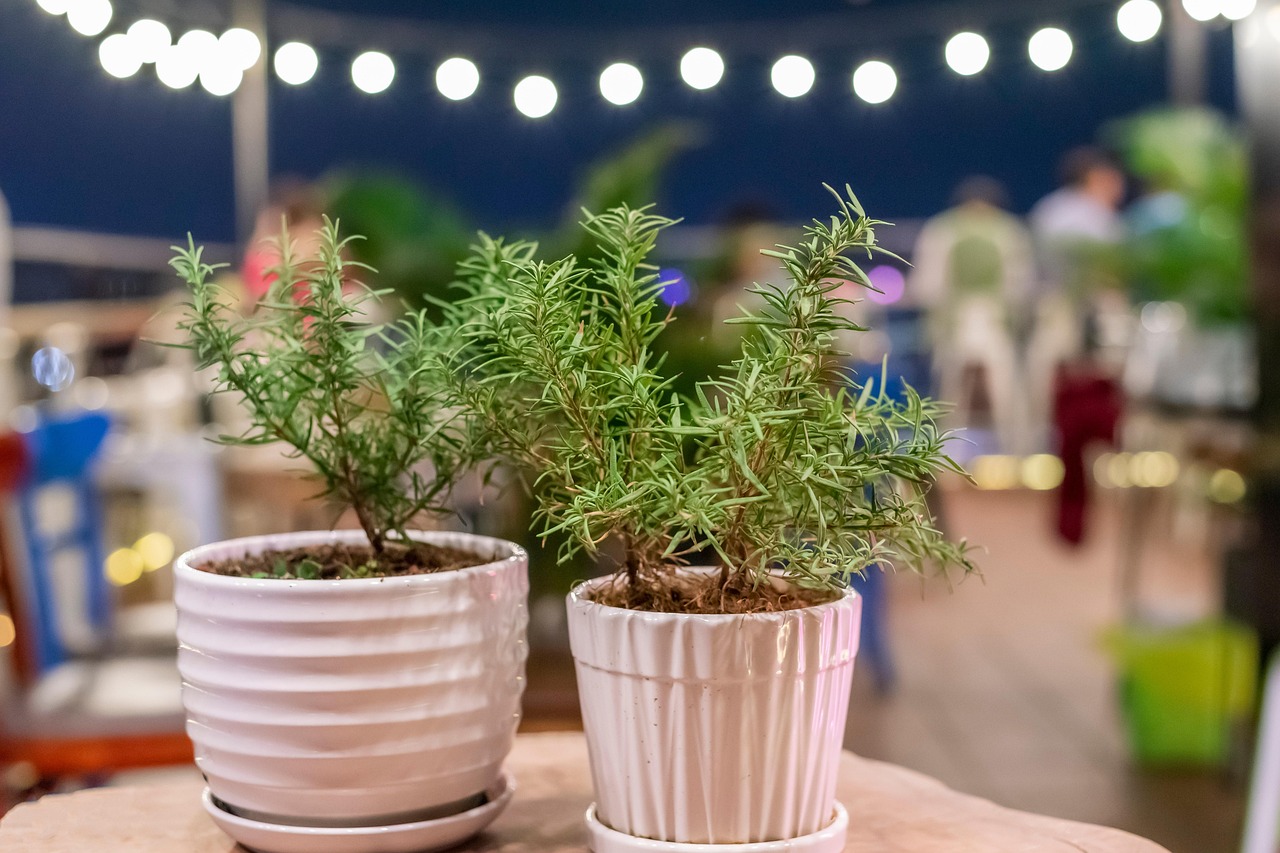
When selecting a pot, prioritize material and functionality over aesthetics. Terracotta or unglazed ceramic pots are ideal choices because they are porous, allowing moisture to evaporate through the walls of the container. This natural breathability helps prevent the soil from staying saturated for too long. Regardless of the material, ensure the pot has at least one large drainage hole at the bottom. If you choose a decorative cachepot without a hole, use it only as an outer shell for a plastic nursery pot to ensure excess water can escape freely.
The soil composition is equally critical. Standard potting soil often retains too much moisture, which can suffocate rosemary roots. To create the perfect environment, use a high-quality, fast-draining potting mix specifically formulated for cacti or succulents. If you cannot find a specialized mix, you can easily amend standard indoor potting soil to improve aeration and water flow.
To improve your potting mix, incorporate the following amendments:
- Perlite: These small, white volcanic glass rocks create tiny air pockets in the soil, allowing water to pass through quickly.
- Coarse Sand: Horticultural-grade sand adds weight and structure, preventing the soil from compacting over time.
- Fine Gravel or Grit: Mixing a small amount of grit into the bottom of the pot (or the soil itself) further encourages drainage.
Aim for a mixture that is roughly 30% drainage material and 70% potting soil. When planting, avoid pressing the soil down too firmly; loose soil allows roots to expand easily and ensures that water drains rapidly rather than pooling around the base of the stem. Proper setup at the beginning will significantly reduce the risk of common fungal issues later on.
Light Requirements and Placement
Rosemary is a sun-loving Mediterranean herb that thrives when provided with intense, direct light. To keep your potted plant vigorous and aromatic, you must prioritize its placement within your home or garden. Aim for a spot that receives at least six to eight hours of direct sunlight every single day.
If you are growing rosemary indoors, a south-facing window is your best option. This orientation provides the highest intensity of light throughout the day. If your home lacks a south-facing window, an east-facing spot may suffice, though you should monitor the plant closely for signs of legginess or stunted growth. If the plant begins to stretch toward the light or appears pale, it is not receiving enough energy and will require supplemental grow lights.
For outdoor placement, choose the sunniest area of your patio or balcony. Rosemary enjoys the warmth and airflow provided by open spaces, which helps prevent fungal issues like powdery mildew. If you live in a region with very hot summers, the plant will still appreciate full sun, but ensure you keep a close eye on soil moisture, as pots dry out much faster than garden beds.
To ensure your plant remains healthy, follow these placement tips:
- Rotate the pot: Turn your rosemary plant a quarter-turn every week. This ensures all sides receive equal light, preventing the plant from leaning heavily in one direction.
- Avoid deep shade: Never place rosemary in dark corners or rooms with only ambient light. It will quickly lose its vitality and become susceptible to pests.
- Monitor temperature: While rosemary loves the sun, avoid placing pots directly against glass that gets scorching hot in mid-summer, as this can sometimes burn the foliage.
- Transition gradually: If you move your plant from indoors to outdoors for the summer, introduce it to full sun gradually over a week to prevent leaf scorch.
By mimicking its native Mediterranean environment, you provide the foundation for a long-lived, productive herb plant.

Watering and Feeding Practices
Mastering the balance of moisture is the most critical factor in keeping a potted rosemary plant thriving. Because rosemary is a Mediterranean herb adapted to arid, rocky conditions, it is highly susceptible to root rot. To avoid this, always check the soil before reaching for your watering can.
Insert your finger about two inches deep into the potting mix. If you feel any dampness, wait a few days before checking again. Only water when the top two inches of soil have dried out completely. When you do water, saturate the soil thoroughly until excess liquid drains freely from the bottom holes of the pot. Never allow the plant to sit in a saucer of standing water, as this will quickly lead to fungal issues and plant decline.
Regarding nutrition, rosemary is a low-maintenance plant that prefers lean soil. Over-fertilizing can lead to rapid, leggy growth that lacks the concentrated essential oils responsible for the herb’s signature aroma and flavor. Feed your plant only during the active growing season, which typically spans from spring through mid-summer.
Follow these simple guidelines for successful feeding:
- Use a balanced, organic liquid fertilizer formulated for herbs or vegetables.
- Dilute the fertilizer to half the strength recommended on the product label to prevent nutrient burn.
- Apply the solution once every four to six weeks during the spring and summer months.
- Cease all fertilization in autumn and winter, as the plant enters a period of dormancy and does not require extra nutrients.
By mimicking the plant’s natural, rugged environment, you ensure that your rosemary remains healthy and productive. Remember that in container gardening, it is almost always safer to underwater than to overwater. If the leaves begin to droop slightly, the plant is signaling for moisture, which is a much easier problem to correct than the irreversible damage caused by waterlogged roots.
Pruning and Tool Safety
Regular pruning is essential for maintaining a healthy, vibrant rosemary plant. Without consistent trimming, rosemary tends to become “leggy,” meaning the stems grow long and sparse while the base turns woody and unproductive. By pruning regularly, you encourage the plant to produce new, bushy growth, resulting in a fuller, more attractive shape.
The best time to prune is during the active growing season, typically in late spring or summer. Focus on removing the top few inches of new growth, which helps stimulate branching. Always use sharp, high-quality garden shears to ensure clean cuts. Dull blades can crush delicate stems, leaving the plant vulnerable to disease or pests.
Follow these steps for safe and effective pruning:
- Sterilize your tools: Wipe your shears with rubbing alcohol before each session to prevent the spread of bacteria or fungi between plants.
- Identify the node: Locate a leaf node—the point where leaves emerge from the stem. Make your cut just above this point to encourage new buds to sprout.
- Avoid old wood: Never prune back into the thick, woody base of the plant, as rosemary often struggles to regrow from old, bare stems.
Safety should always be your priority when working with garden tools. Even small shears can cause significant injury if handled improperly. Always wear sturdy, puncture-resistant gardening gloves to protect your hands from thorns, sap, and accidental slips. Keep your fingers well away from the cutting path at all times, and never force a cut through stems that are too thick for your tool. If a branch is too large for your shears, use a small pruning saw instead.
After you finish, clear away any fallen debris from the top of the pot. Keeping the soil surface clean helps improve airflow and prevents moisture buildup, ensuring your rosemary remains healthy and fragrant throughout the season.
Troubleshooting and Long-Term Care
Even with the best intentions, rosemary plants can occasionally struggle. Recognizing the early signs of distress is the key to long-term success. If you notice yellowing leaves or dark fungal spots, your plant is likely suffering from excess moisture or poor air circulation. Rosemary is a Mediterranean herb that thrives in dry conditions; if the soil stays soggy, the roots cannot breathe, leading to rot.
To address these issues, ensure your pot has adequate drainage holes and use a well-draining potting mix amended with perlite or coarse sand. Always allow the top two inches of soil to dry out completely before watering again. If your rosemary is kept indoors, place it in a spot with good airflow, away from stagnant corners or humid bathrooms.
If your plant appears wilted despite consistent watering, or if growth has stalled entirely, it may be root-bound. Rosemary plants grow quickly and can become constricted in small containers. Gently slide the plant out of its pot to inspect the root ball. If the roots are circling tightly around the bottom, it is time to repot.
Follow these steps for successful repotting:
- Select a new container only one to two inches wider in diameter than the current one.
- Use a fresh, gritty, well-draining potting medium specifically formulated for herbs or cacti.
- Gently tease the outer roots outward to encourage them to grow into the new soil.
- Water lightly after repotting to help the plant settle.
Finally, keep a watchful eye for pests. Spider mites are the most common culprits, often appearing as fine webbing between stems. If you detect an infestation, isolate the plant immediately to protect others. Avoid harsh chemical sprays, which can damage the edible foliage. Instead, visit your local nursery to inquire about organic, horticultural oils or insecticidal soaps that are safe for culinary herbs. With proactive monitoring and proper drainage, your rosemary can thrive for many years.

Dedicated team of gardening enthusiasts with years of hands-on experience testing lawn mowers, gardening tools, and outdoor equipment. We help home gardeners and professionals alike make informed buying decisions with honest, thorough reviews. From push mowers to pruning shears, we test it all so you don’t have to. Got a gardening tool you’d like us to review? Get in touch!