
Learning how to care for a dracaena plant is straightforward because these species are remarkably resilient indoor companions. They thrive when provided with consistent, indirect light and allowed to dry out slightly between waterings. By mastering these simple environmental requirements, you can easily maintain their striking, architectural foliage for many years to come.
While dracaenas are known for being forgiving, they are not entirely indestructible. Understanding their specific needs is essential to prevent common issues like brown leaf tips or root rot. Setting realistic expectations ensures you provide the right balance of attention, helping your plant adapt successfully to the unique conditions inside your home.
This guide offers practical, actionable advice to help your dracaena flourish in any room. We will break down the exact light, water, and maintenance schedules you need to follow for optimal growth. Whether you are a beginner or an experienced gardener, these expert tips will keep your plant healthy, vibrant, and beautiful.

Ideal Light and Temperature Conditions
Finding the right balance of light is the most important factor in keeping your dracaena healthy. These plants thrive in bright, indirect light. This means placing them near a window where they receive plenty of ambient brightness, but are shielded from the harsh, direct rays of the sun. If the sun hits the leaves directly, it can quickly scorch them, leaving unsightly brown or bleached spots.
Conversely, while dracaenas are known for their ability to tolerate lower light conditions, they will not thrive in deep shade. If your plant is placed in a corner that is too dark, you will notice significantly slower growth and potentially smaller, paler leaves. If you notice your plant leaning heavily toward a light source, it is a clear sign that it needs to be moved closer to a window.
Temperature stability is equally important for long-term health. Dracaenas are tropical plants and prefer consistent conditions that mimic their natural environment. To keep your plant happy, aim for the following:
- Ideal Temperature Range: Maintain room temperatures between 65°F and 80°F (18°C to 27°C).
- Avoid Fluctuations: Keep the plant away from drafty windows, doors that lead outside, or areas directly in the path of air conditioning units.
- Watch for Heat Sources: Do not place your dracaena near heating vents, radiators, or fireplaces, as these can dry out the foliage and cause the tips to turn brown.
Sudden temperature shifts can cause the plant to drop leaves prematurely or become stressed. By keeping your dracaena in a stable, temperate spot with filtered light, you provide the foundation it needs to grow strong and vibrant. If you are unsure about your home’s light levels, observe the plant for a few weeks; if it is not producing new growth, gradually move it to a brighter location to see if it responds positively.
Watering and Soil Requirements
Mastering the balance of moisture is the most critical aspect of keeping your Dracaena healthy. These plants are susceptible to root rot, so it is essential to avoid overwatering. Before reaching for your watering can, always check the soil moisture level first.
Use your finger to test the top two inches of the potting mix. If the soil still feels damp, hold off on watering. Only when the top inch or two has dried out completely should you provide more water. When you do water, ensure it reaches the entire root ball, but never leave the plant sitting in a saucer of standing water.
To ensure your Dracaena thrives, follow these soil and container guidelines:
- Use Well-Draining Soil: Choose a high-quality, peat-based potting mix designed for indoor plants. Adding a handful of perlite or coarse sand can further improve drainage if the mix feels too dense.
- Prioritize Drainage Holes: Never plant a Dracaena in a decorative pot without drainage holes. If your favorite pot lacks them, use it as a cachepot by placing the plant in a plastic nursery liner inside it.
- Empty the Saucer: If water collects in the saucer beneath the pot after a thorough watering, discard it immediately. Leaving the roots submerged in stagnant water is a primary cause of yellowing leaves and root decay.
Environmental factors will dictate how often you need to water. During the active growing season in spring and summer, your plant will likely require water more frequently as it consumes moisture faster. In the winter months, growth slows down significantly, and the soil will take longer to dry out. Always adjust your schedule based on the actual dryness of the soil rather than a rigid calendar routine. By allowing the plant to dry out slightly between sessions, you mimic its natural habitat and keep the root system robust and oxygenated.

Pruning and Maintenance Tips
Over time, dracaenas may lose their compact shape, becoming tall, thin, or “leggy” as they reach for light. Pruning is the most effective way to manage their height and encourage a bushier, more attractive growth habit. By removing the top portion of a stem, you trigger the plant to develop new offshoots from the nodes just below the cut.
Before you begin, ensure your tools are prepared. Use sharp, sterilized pruning shears to make a clean, horizontal cut across the stem. Sanitizing your blades with rubbing alcohol before and after each use is essential to prevent the spread of bacteria or fungal diseases between your plants.
Follow these steps for safe and effective pruning:
- Wear protective gear: Dracaena sap can be a skin irritant. Wear gardening gloves to protect your hands during the process.
- Identify the cut: Choose a spot on the stem where you want the new growth to emerge. Remember that the plant will sprout new branches just below where you make your cut.
- Make a clean slice: Use a single, confident motion to cut through the stem. Avoid crushing the tissue, which can lead to rot.
- Manage the sap: If the plant bleeds sap, you can dab the cut end with a clean paper towel.
After pruning, place your dracaena in a spot with bright, indirect light to support its recovery. Avoid overwatering during this period, as the plant has less foliage to transpire moisture. The cut stem will typically begin to show signs of new growth within a few weeks.
If you prefer not to discard the cuttings, you can often propagate them. Simply place the healthy top portion of the stem in a jar of fresh water or directly into moist potting soil. With patience and consistent warmth, these cuttings will develop their own root systems, allowing you to expand your indoor collection while maintaining the health and appearance of your original plant.
Managing Pests and Foliage Health
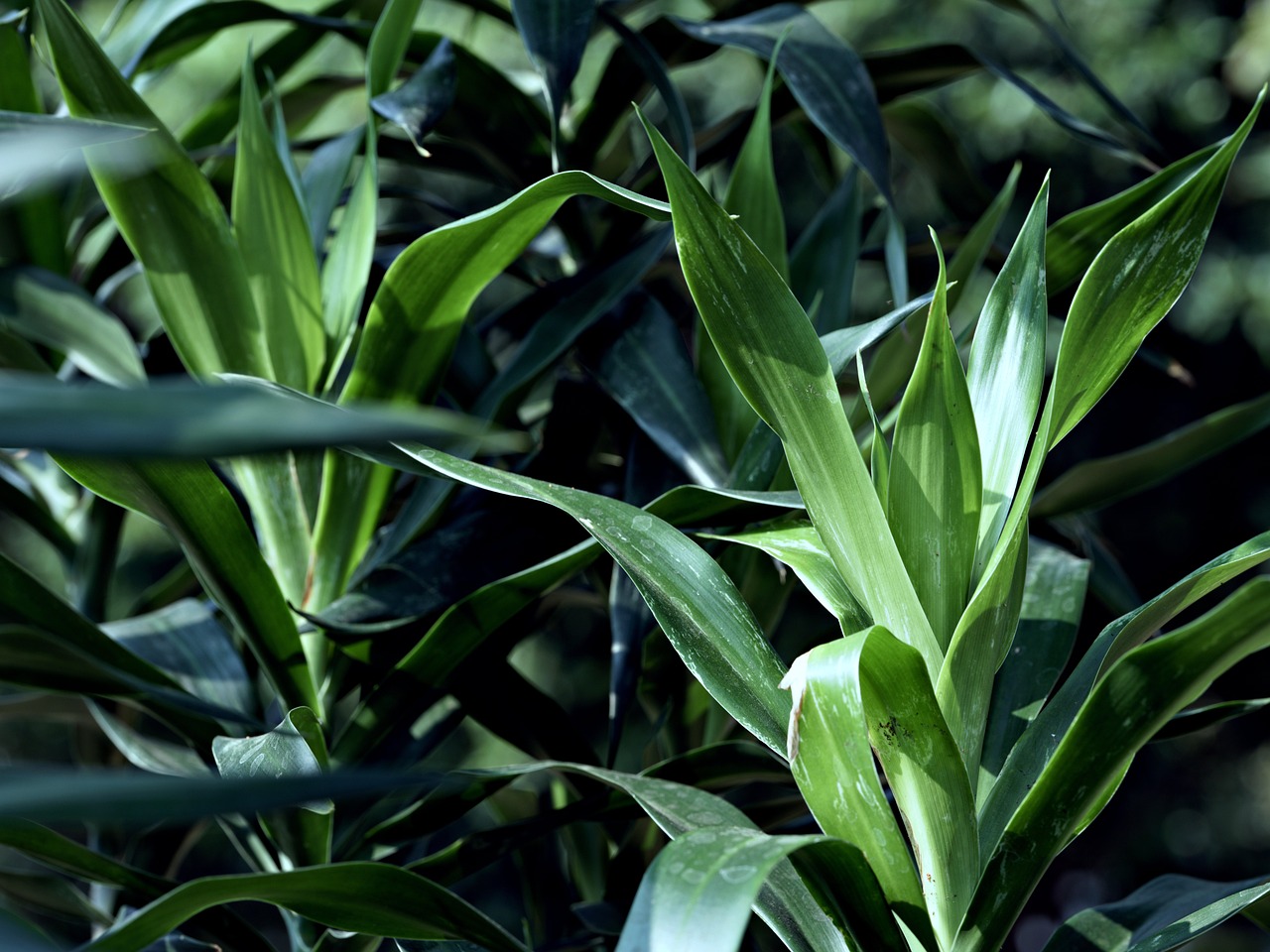
Dracaena plants have beautiful, broad leaves that act as solar panels for the plant. Over time, household dust settles on these surfaces, physically blocking sunlight and hindering the plant’s ability to photosynthesize efficiently. To keep your plant thriving, make it a habit to gently wipe the leaves with a soft, damp cloth every few weeks. This simple maintenance step not only keeps the foliage looking vibrant but also allows the plant to breathe and grow more effectively.
While cleaning, take a moment to inspect the undersides of the leaves and the areas where the leaves meet the stem. Dracaenas can occasionally attract common indoor pests. Being proactive is the best way to prevent a minor issue from becoming an infestation.
Watch for these common signs of trouble:
- Spider Mites: Look for fine, silky webbing between the leaves or stems. These pests thrive in dry indoor air.
- Mealybugs: These appear as small, white, cotton-like clusters, often hiding in the crevices of the plant.
- Scale: These look like small, brown, raised bumps on the stems or leaf surfaces.
If you discover any of these pests, immediate action is necessary to protect your plant and nearby greenery. First, isolate the affected dracaena to prevent the insects from spreading to your other houseplants. Once separated, treat the plant using a gentle, effective method:
- Insecticidal Soap: Spray the leaves thoroughly, ensuring you cover both the tops and bottoms of the foliage.
- Neem Oil: This is a natural, organic option that disrupts the life cycle of many common pests. Follow the dilution instructions on the bottle carefully.
- Manual Removal: For light infestations, you can often dab individual pests with a cotton swab dipped in rubbing alcohol.
Consistent monitoring and quick intervention will ensure your dracaena remains healthy, pest-free, and a stunning focal point in your home.
Common Questions and Troubleshooting
Even with the best intentions, your dracaena may occasionally show signs of distress. Understanding these signals is the first step toward restoring your plant’s health. Most issues are easily corrected by adjusting your care routine.
Yellowing leaves are the most frequent complaint and typically point to overwatering. Dracaenas prefer their soil to dry out slightly between waterings. If the soil feels soggy or the pot lacks proper drainage, the roots may be struggling with rot. Allow the top two inches of soil to dry completely before reaching for your watering can.
Brown, crispy tips are usually a reaction to environmental stressors rather than a disease. Common causes include:
- Low Humidity: Dracaenas are tropical plants that thrive in moisture. If your home air is dry, especially during winter, mist the leaves occasionally or place the pot on a pebble tray filled with water.
- Water Quality: These plants can be sensitive to fluoride and chlorine found in tap water. If you notice persistent browning, try switching to filtered, distilled, or rainwater.
If your plant appears stunted or stops producing new growth despite consistent light and water, it may be time to inspect the roots. Dracaenas are slow growers, but they can become pot-bound over time. Carefully slide the plant out of its container to check for a dense, circular mass of roots that have run out of room to expand.
If the roots are tightly packed and circling the bottom of the pot, it is time to repot. Move the plant to a container that is only one or two inches wider in diameter than the current one. Use a well-draining, high-quality potting mix to ensure the roots have enough oxygen. After repotting, avoid fertilizing for a few weeks to allow the plant to settle into its new environment without stress. With these simple adjustments, your dracaena should return to vibrant health and steady growth.

Dedicated team of gardening enthusiasts with years of hands-on experience testing lawn mowers, gardening tools, and outdoor equipment. We help home gardeners and professionals alike make informed buying decisions with honest, thorough reviews. From push mowers to pruning shears, we test it all so you don’t have to. Got a gardening tool you’d like us to review? Get in touch!