
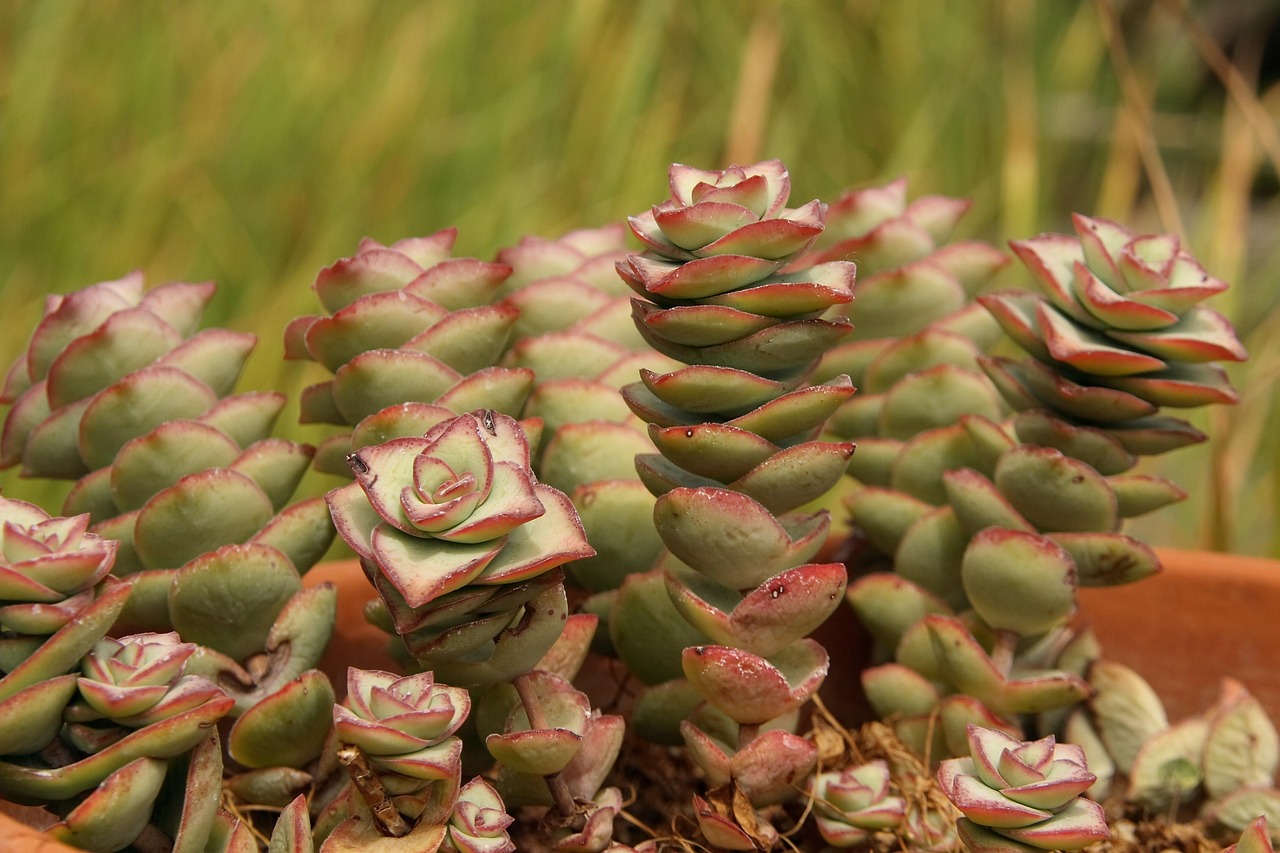
Crassula plants, commonly known as jade plants, are popular succulents loved for their architectural beauty and ease of care. To help your Crassula thrive indoors, you must prioritize bright, indirect sunlight and allow the soil to dry out completely between waterings. Mastering these two simple factors is the key to long-term success.
While these hardy succulents are famously forgiving, they are not entirely indestructible. Understanding that they originate from arid environments helps you anticipate their specific needs, such as avoiding overwatering, which is the most common cause of plant decline. With the right approach, these resilient plants can live for many decades in your home.
This guide covers the essential light, water, and soil requirements to help your Crassula thrive indoors. We will walk you through practical tips for choosing the right container, identifying signs of stress, and establishing a consistent maintenance routine. Follow these straightforward steps to ensure your jade plant remains vibrant, healthy, and beautiful for years to come.

Ideal Light and Temperature Conditions
Crassula plants, including the popular jade plant, are sun-loving succulents that thrive when provided with the right balance of light and warmth. Mimicking their natural arid environment is the key to maintaining a compact, healthy growth habit.
For optimal health, place your Crassula near a south or west-facing window. These locations typically provide the high-intensity, indirect light these plants crave. Aim for at least four to six hours of bright light daily. If your home lacks natural light, a dedicated LED grow light can effectively supplement their needs.
You can tell if your plant is receiving adequate light by observing its physical appearance:
- Healthy growth: The leaves remain tightly packed, firm, and vibrant in color.
- Signs of light deprivation: If the stems begin to stretch or “leggy” growth appears, or if the leaves turn pale and lose their luster, the plant is reaching for more light. Move it to a brighter location immediately to prevent permanent distortion.
Temperature management is equally important for long-term success. Crassula plants prefer typical indoor temperatures, ideally ranging between 65°F and 75°F (18°C to 24°C). While they are resilient, they are sensitive to extreme fluctuations.
To keep your plant stress-free, follow these environmental precautions:
- Avoid cold drafts: Keep the plant away from drafty windows or exterior doors during the winter months, as cold snaps can damage the foliage.
- Steer clear of heat sources: Do not place your Crassula directly next to heating vents, radiators, or wood stoves. The dry, intense heat can cause the soil to dehydrate too rapidly and may scorch the leaves.
By positioning your Crassula in a stable, bright environment, you provide the foundation it needs to develop strong stems and thick, succulent leaves. Consistent conditions reduce the risk of common issues like leaf drop or fungal growth, ensuring your plant remains a decorative staple in your home for years to come.
Watering Best Practices for Succulents
Mastering your watering routine is the single most important step in keeping a Crassula plant healthy. Because these succulents store water in their fleshy leaves and stems, they are highly susceptible to overwatering. Providing too much moisture—or watering too frequently—is the fastest way to invite root rot and cause the plant to decline.
The golden rule for Crassula care is to let the soil dry out completely between waterings. Before you reach for your watering can, check the moisture level by inserting your finger into the soil. You should feel that the top two inches are entirely dry to the touch. If the soil still feels damp, wait a few more days before checking again.
To ensure your plant stays in peak condition, follow these practical watering guidelines:
- Use drainage holes: Never plant a Crassula in a container without drainage holes. If water pools at the bottom of the pot, the roots will sit in stagnant moisture, leading to decay.
- Adjust for the seasons: During the winter months, Crassula plants enter a period of dormancy. Their growth slows significantly, meaning they require much less water. During this time, reduce your watering frequency to once every few weeks, or only when the leaves show very slight signs of shriveling.
- Water the soil, not the leaves: Aim your water directly at the soil surface. Keeping the foliage dry helps prevent fungal issues and unsightly water spots.
- Drain excess water: If you use a decorative saucer under your pot, always empty it shortly after watering. Never let the pot sit in a pool of runoff.
When you do water, soak the soil thoroughly until you see excess liquid draining out of the bottom of the pot. This ensures the entire root system receives hydration. By observing your plant’s response and prioritizing soil dryness, you can easily avoid the most common pitfalls of succulent care and enjoy a thriving, long-lived Crassula.

Choosing the Right Soil and Potting
The foundation of a healthy Crassula plant begins with the soil. Because these succulents are prone to root rot, they require a growing medium that drains quickly and does not hold excess moisture. Avoid standard garden soil or heavy potting mixes, as these retain too much water and can suffocate the roots.
Instead, invest in a high-quality potting mix specifically formulated for cacti and succulents. These blends are designed to be porous, typically incorporating ingredients like perlite, pumice, or coarse sand to improve aeration and facilitate rapid drainage.
When it is time to repot your Crassula, follow these practical steps to ensure a smooth transition:
- Select the right size: Choose a container only one size larger than your current pot. A pot that is too large holds excess soil, which retains more water than the plant can absorb, increasing the risk of rot.
- Prioritize drainage: Always use a pot with drainage holes at the bottom. If you prefer a decorative cachepot without holes, place the plant in a plastic nursery pot inside the decorative container, ensuring you empty any standing water from the bottom after watering.
- Handle with care: If you are repotting a large, heavy specimen or using sharp tools for pruning, wear protective gardening gloves. This prevents skin irritation from the plant’s sap and protects your hands from accidental cuts or scrapes during the process.
Before moving your plant into its new home, gently loosen the root ball to encourage outward growth. After repotting, wait about a week before watering. This “dry period” allows any roots that may have been damaged during the move to callus over, significantly reducing the risk of infection. By providing a well-ventilated, fast-draining environment, you create the ideal conditions for your Crassula to thrive for years to come.
Pruning and Maintenance Tips
Regular pruning is essential for keeping your Crassula plant, often known as a jade plant, looking its best. Without occasional trimming, these succulents can become leggy, stretching toward the light and losing their dense, bushy appearance. Pruning encourages the plant to branch out, creating a more robust and attractive structure.
Before you begin, gather the right equipment. You will need a pair of sharp, clean pruning shears or heavy-duty scissors. To protect your plant from infection, always sanitize your blades with rubbing alcohol before and after each use. This simple step prevents the spread of pathogens that could compromise the health of your succulent.
When you are ready to prune, follow these safety and maintenance guidelines:
- Identify leggy growth: Focus on stems that have grown too long or sparse. Cutting just above a leaf node—the point where leaves emerge from the stem—will stimulate new growth to sprout from that spot.
- Remove dead material: Carefully snip away any brown, shriveled, or dead leaves at the base of the plant. Removing this debris improves airflow and prevents potential rot.
- Maintain stability: Always work on a flat, stable surface. Keep your non-cutting hand well away from the blades at all times to avoid accidental injury.
- Clean cuts: Make decisive, clean cuts to minimize tissue damage. Crassula plants are resilient, but clean cuts help the stems callus over much faster.
After pruning, your plant may look slightly sparse, but do not worry. Within a few weeks, you will notice new buds forming near your cut sites. Ensure the plant receives plenty of bright, indirect light following a trim to support this new growth. Avoid watering the plant immediately after pruning; giving the stems a day or two to form a protective callus at the cut site helps prevent moisture-related issues. With consistent care, your Crassula will reward you with a compact, healthy, and vibrant form that lasts for years.
Troubleshooting Common Issues
Crassula plants are resilient, but they communicate their health through their foliage. Learning to read these signs early can prevent minor issues from becoming fatal.
Watering Imbalances
The most frequent cause of distress in succulents is improper moisture management. Observe your plant closely to determine if your watering schedule needs adjustment:
- Yellowing or mushy leaves: This is a classic sign of overwatering. If the leaves feel soft or translucent, the roots may be sitting in stagnant water. Allow the soil to dry out completely before watering again, and ensure your pot has adequate drainage holes.
- Shriveled or wrinkled leaves: If the leaves look puckered or thin, your plant is likely dehydrated. Give it a thorough watering, ensuring moisture reaches the entire root system.
Pest Management
Keep an eye out for mealybugs, which appear as small, white, cottony clusters nestled in the crevices where leaves meet the stem. These pests feed on plant sap and can weaken your Crassula if left unchecked.
To treat an infestation, dip a cotton swab in 70% isopropyl alcohol and dab it directly onto the white spots. The alcohol kills the pests on contact. Repeat this process every few days until the plant is clear. Avoid using heavy horticultural oils, as these can damage the delicate, waxy coating on succulent leaves.
When to Seek Help
If you notice a sudden, rapid decline—such as black, foul-smelling stems or leaves dropping en masse—you may be dealing with advanced root rot or a systemic fungal infection. In these cases, the plant may be beyond simple home remedies. If you have verified your light and water levels are correct but the plant continues to deteriorate, take a clear photo or a sample to a local nursery professional. They can provide a specific diagnosis based on your local climate and help you determine if the plant can be saved through propagation or specialized treatment.

Dedicated team of gardening enthusiasts with years of hands-on experience testing lawn mowers, gardening tools, and outdoor equipment. We help home gardeners and professionals alike make informed buying decisions with honest, thorough reviews. From push mowers to pruning shears, we test it all so you don’t have to. Got a gardening tool you’d like us to review? Get in touch!