
Learning how to care for a fiddle leaf fig is easier than many beginners assume once you understand its specific needs. This popular indoor tree is famous for its large, violin-shaped leaves that instantly elevate any room’s aesthetic. By mastering a few simple maintenance routines, you can ensure your plant remains vibrant and healthy year-round.
While these plants have earned a reputation for being somewhat finicky, they are actually quite resilient when given the right environment. They thrive when placed in consistent, bright, indirect light and watered only when the top few inches of soil feel dry. Setting realistic expectations helps you avoid common pitfalls like overwatering or sudden relocation shock.
This guide provides actionable steps to help your fiddle leaf fig grow strong and lush. We will cover essential topics, including proper drainage, optimal humidity levels, and effective dusting techniques for those iconic leaves. Follow these practical tips to transform your home gardening experience and keep your indoor tree flourishing for many years to come.

Finding the Perfect Spot for Your Fiddle Leaf Fig
The Fiddle Leaf Fig (Ficus lyrata) is a sun-loving plant that thrives when placed in the right environment. Because these plants originate from tropical rainforests, they crave consistent, bright, indirect light. Finding the perfect spot in your home is the most critical step to ensuring your fig grows tall and healthy rather than becoming leggy or dropping its foliage.
The ideal location is near a window that receives ample natural light throughout the day. A spot near an east-facing window is often perfect, as it provides gentle morning sun. If you are using a south or west-facing window, ensure the plant is set back a few feet or protected by a sheer curtain. Direct, intense sunlight hitting the leaves for extended periods can cause brown, scorched patches that will not heal.
Beyond light, you must consider the stability of the environment. Fiddle Leaf Figs are sensitive to sudden changes in temperature and airflow. To keep your plant happy, avoid these common placement mistakes:
- Drafty zones: Keep your plant away from air conditioning vents, heating ducts, and radiators. Constant airflow can dry out the leaves and cause premature shedding.
- High-traffic doorways: Avoid placing the pot near exterior doors that open frequently. A sudden blast of cold or hot air can shock the plant.
- Tight corners: While these plants look great in corners, ensure they have enough space for air circulation. Stagnant, humid air trapped against a wall can encourage fungal issues.
Once you have selected the perfect spot, try to leave the plant there permanently. Fiddle Leaf Figs do not like being moved; they take time to acclimate to their specific light conditions. If the plant is thriving, resist the urge to reposition it for aesthetic reasons. Consistency is the secret to a lush, vibrant tree that will serve as a beautiful focal point in your home for years to come.
Mastering the Watering Routine
The most frequent mistake new owners make with a Fiddle Leaf Fig (Ficus lyrata) is overwatering. These plants are native to tropical environments but are highly susceptible to root rot if their soil remains constantly soggy. Mastering your watering routine is the single most important factor in keeping your tree healthy and vibrant.
The golden rule for Fiddle Leaf Figs is to let the soil dry out partially between waterings. Before adding more water, insert your finger about two inches deep into the soil. If you feel any moisture, wait a few more days. If the soil feels completely dry, it is time to water.
When you do water, follow this professional approach to ensure deep hydration without the risk of rot:
- Use drainage holes: Never plant your Fiddle Leaf Fig in a pot without drainage. Excess water must have a way to escape the root zone.
- Water thoroughly: Pour water evenly over the soil until you see it flowing freely out of the bottom drainage holes. This ensures that the entire root ball receives moisture, not just the surface.
- Discard excess water: Allow the pot to drain completely for about 15 minutes. If your pot sits inside a decorative cachepot or saucer, empty it immediately. Never allow the plant to sit in standing water, as this is the primary cause of root rot and leaf drop.
Keep in mind that your plant’s thirst will change with the seasons. During the active growing period in spring and summer, the soil will dry out faster due to increased light and warmth. In the winter months, growth slows down significantly, and the soil will remain damp for much longer. Always check the soil moisture manually rather than relying on a strict calendar schedule. By observing your plant’s specific needs and prioritizing drainage, you will avoid the most common pitfalls of Fiddle Leaf Fig care and encourage lush, steady growth.

Maintaining Healthy Leaves and Soil
The large, violin-shaped leaves of a fiddle leaf fig are its most striking feature, but they also act as magnets for household dust. When a layer of dust settles on the foliage, it blocks sunlight and hinders the plant’s ability to photosynthesize efficiently. To keep your plant thriving, gently wipe both the tops and undersides of the leaves every few weeks using a soft, damp cloth. Support the leaf from underneath with your hand while wiping to prevent accidental tearing.
Proper maintenance also involves removing dead, yellowed, or damaged foliage to redirect the plant’s energy toward new growth. When pruning, always use sharp, sterilized garden shears to ensure clean cuts that heal quickly and minimize the risk of infection. Before you begin, keep these safety precautions in mind:
- Wear protective gloves: Fiddle leaf fig sap contains latex and can cause skin irritation or allergic reactions upon contact.
- Ensure stability: If your plant has grown tall, use a sturdy step stool or ladder to reach higher branches. Never overextend yourself on an unstable surface.
- Clean your tools: Wipe your shears with rubbing alcohol before and after pruning to prevent the spread of bacteria or fungi between stems.
Beyond leaf care, pay close attention to the soil surface. While keeping the leaves clean is vital, avoid the common mistake of over-cleaning the soil. Do not add decorative pebbles or heavy top-dressings that prevent the soil from breathing. Instead, focus on maintaining an airy, well-draining potting mix. If you notice a white, crusty buildup on the surface of the soil, this is often a mineral deposit from tap water. Simply scrape off the top inch of soil and replace it with fresh, high-quality potting mix to keep the root environment healthy and free of excess salts.
Fertilizing and Repotting for Growth
Feeding your fiddle leaf fig (Ficus lyrata) is essential for supporting its large, vibrant leaves. During the active growing season—typically from early spring through late summer—your plant requires consistent nutrients to thrive. Use a balanced, water-soluble liquid houseplant fertilizer diluted to half-strength once a month. Avoid fertilizing during the dormant autumn and winter months, as the plant’s growth slows significantly and it cannot process the extra nutrients.
While feeding encourages growth, proper root space is equally important. You do not need to repot your fiddle leaf fig annually; in fact, these plants prefer to be slightly root-bound. Plan to repot only once every two years, or sooner if you observe roots circling tightly around the bottom of the container or emerging from the drainage holes.
When it is time to move your plant to a new home, follow these steps to ensure a smooth transition:
- Choose the right size: Select a pot that is only two inches wider in diameter than the current one. A container that is too large can hold excess moisture, leading to root rot.
- Prioritize drainage: Ensure the new pot has functional drainage holes at the bottom.
- Use quality soil: Use a high-quality, well-draining potting mix. If your mix is too dense, amend it with perlite or orchid bark to improve aeration and prevent the soil from compacting around the roots.
- Minimize shock: Gently loosen the root ball before placing it in the new container. Fill the gaps with fresh soil and press down lightly to remove large air pockets, then water thoroughly to help the roots settle.
After repotting, your plant may experience a brief period of adjustment. Keep it in a spot with consistent, bright, indirect light and avoid fertilizing for at least six weeks, as the fresh potting mix will contain sufficient nutrients to support the plant while it establishes itself in its new environment.
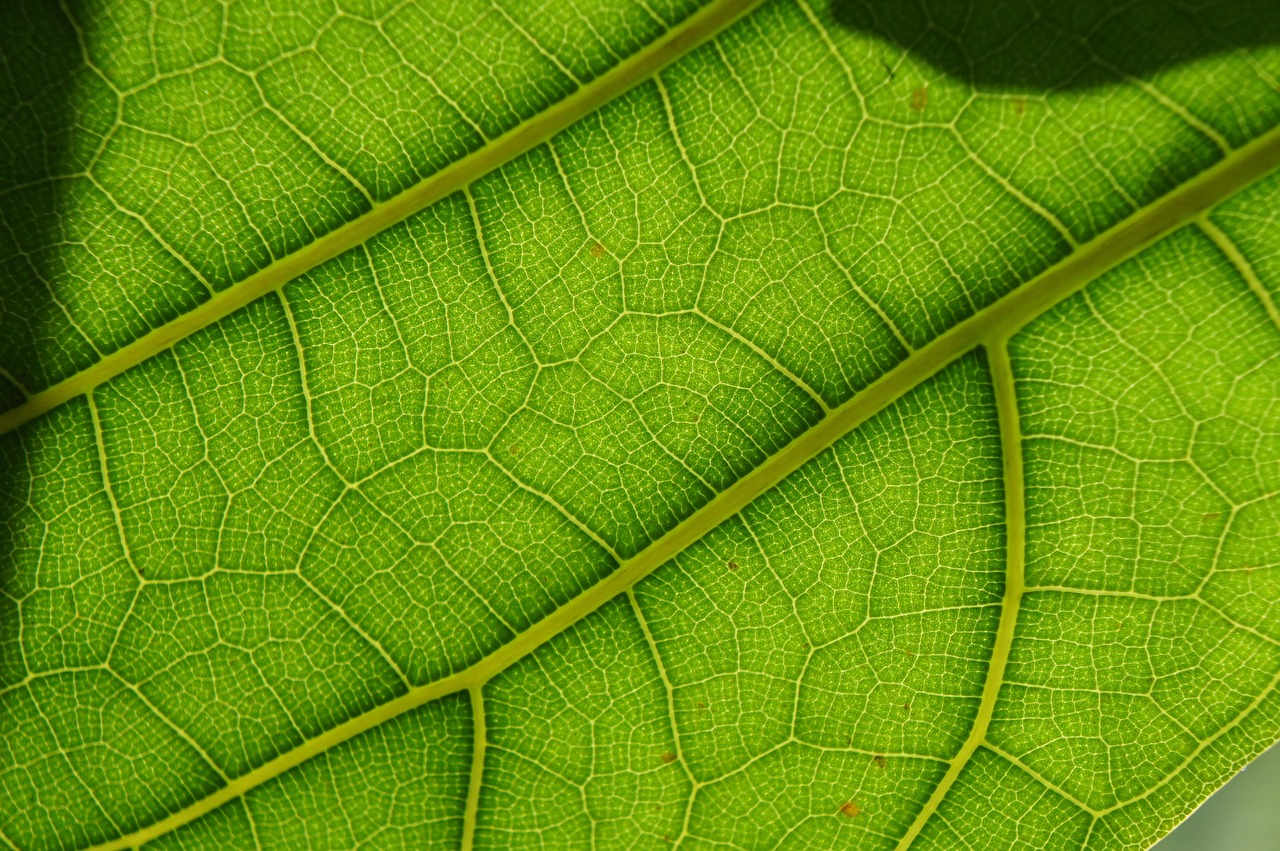
Troubleshooting Common Issues and Ongoing Care
Fiddle Leaf Figs (Ficus lyrata) are notoriously sensitive to environmental changes. If you notice your plant struggling, the first step is to evaluate your routine. Most issues stem from inconsistent watering or improper light exposure.
Addressing Leaf Discoloration
Leaf color is the best indicator of your plant’s health. Use these guidelines to troubleshoot:
- Yellowing leaves: Often a sign of overwatering or poor drainage. Ensure your pot has drainage holes and allow the top two inches of soil to dry out completely before watering again.
- Brown spots: These typically indicate underwatering or root rot. If the spots are crispy, your plant needs more consistent hydration. If they are soft or mushy, check the roots for decay.
- Leaf drop: Sudden leaf loss usually occurs when the plant is moved to a new location or experiences a draft. Keep your Fiddle Leaf Fig away from air conditioning vents and heaters.
Pest Management and Growth Stalls
If your plant stops growing or appears distressed despite proper care, inspect it closely for pests. Spider mites and scale are common culprits. Spider mites create fine webbing on the undersides of leaves, while scale appears as small, brown, bump-like protrusions on stems. Gently wipe leaves with a damp cloth or use neem oil to manage minor infestations.
Professional Assistance
If you have addressed light, water, and pests but the plant continues to decline, reach out to a local nursery or a professional arborist. They can provide specific advice tailored to your climate and the plant’s age.
Safety Note
Finally, prioritize safety if you have household pets. Fiddle Leaf Figs are toxic to cats and dogs if ingested, causing oral irritation and digestive distress. Always position your plant in a sturdy stand or a room that is inaccessible to curious pets to prevent accidental poisoning.

Dedicated team of gardening enthusiasts with years of hands-on experience testing lawn mowers, gardening tools, and outdoor equipment. We help home gardeners and professionals alike make informed buying decisions with honest, thorough reviews. From push mowers to pruning shears, we test it all so you don’t have to. Got a gardening tool you’d like us to review? Get in touch!