
Limelight hydrangeas typically grow between 6 to 8 feet tall when fully mature. These popular shrubs also spread about 6 to 8 feet wide, making them a significant architectural presence in any landscape. Understanding these dimensions is essential for proper garden planning, as it ensures your plants have enough space to thrive without crowding nearby flowers.
While these hardy panicle hydrangeas are known for their reliable, lime-green blooms, their eventual size depends heavily on your specific growing conditions. Factors like soil quality, sunlight exposure, and consistent watering play a major role in how quickly they reach their full height. Providing the right environment helps these shrubs maintain a robust, upright, and healthy growth habit.
This guide explains exactly how tall these shrubs grow and provides practical tips for maintaining their ideal shape and health. You will learn how to implement effective pruning techniques that encourage stronger stems and larger flower heads. Follow our expert advice to ensure your Limelight hydrangeas remain a stunning, well-proportioned focal point in your home garden for many years to come.

Typical Mature Height of Limelight Hydrangeas
When planning your landscape, understanding the mature size of a Hydrangea paniculata ‘Limelight’ is essential for long-term success. Under typical garden conditions, a standard Limelight hydrangea reaches a mature height of 6 to 8 feet. They also develop a similar spread, often reaching 6 to 8 feet in width, creating a substantial, rounded shrub.
While these dimensions serve as a reliable baseline, several environmental factors can influence their final stature:
- Sun Exposure: Limelights thrive in full sun to partial shade. In locations receiving at least six hours of direct sunlight, the plant will be more vigorous and likely to reach the upper end of its height range.
- Soil Quality: Rich, well-draining soil supplemented with organic matter provides the nutrients necessary for robust vertical growth.
- Moisture Consistency: Hydrangeas require consistent moisture to reach their full potential. Plants that experience frequent drought stress may remain slightly more compact.
- Pruning Practices: Because Limelights bloom on new wood, you have significant control over their final size. Annual pruning in late winter or early spring can keep the shrub at a desired height, preventing it from outgrowing its space.
If you have limited space, consider the ‘Little Lime’ cultivar, which is a dwarf version that typically matures at only 3 to 5 feet tall. However, if you are planting the standard Limelight, allow for at least 6 to 8 feet of clearance from walls, fences, and walkways. Providing this space ensures adequate airflow, which is critical for preventing fungal issues and allows the plant to develop its signature, heavy panicles without being crowded by neighboring vegetation.
By anticipating this 6-to-8-foot height, you can position your hydrangea strategically as a focal point, a privacy screen, or a lush backdrop for smaller perennials. Proper placement at the time of planting eliminates the need for drastic corrective pruning later, keeping your shrub healthy and structurally sound for years to come.
Understanding the Limelight Prime and Little Lime Varieties
While the classic Limelight hydrangea is a garden staple, modern breeding has introduced cultivars that offer better performance depending on your landscape needs. If you love the iconic look of the original but want improved structural integrity, the Limelight Prime is an excellent choice.
The Limelight Prime reaches a similar mature height of 6 to 8 feet, consistent with the standard variety. However, it features stronger, sturdier stems that hold the large, lime-green blooms upright even after heavy rain. It also blooms earlier in the season and offers a more refined, upright habit, making it a superior option for gardeners who previously dealt with “flopping” branches.
For those working with smaller garden beds, containers, or foundation plantings, the Little Lime hydrangea is the ideal solution. This dwarf cultivar provides the same spectacular, color-shifting flowers as its larger counterparts but remains significantly more compact.
When selecting your hydrangea, consider these key differences in size and application:
- Limelight: The original standard, reaching 6 to 8 feet. Best for large hedges, privacy screens, or as a bold focal point.
- Limelight Prime: A refined upgrade at 6 to 8 feet. Choose this if you want the classic size but require superior stem strength and earlier flowering.
- Little Lime: A true dwarf variety, growing only 3 to 5 feet tall and wide. Perfect for small urban gardens, perennial borders, or decorative pots.
Regardless of the variety you choose, all three types thrive in full sun to partial shade and require consistent moisture during their first year of establishment. Because these hydrangeas bloom on “new wood,” you should prune them in late winter or early spring before new growth begins. This simple maintenance ensures that no matter which height you select, your shrubs will produce an abundance of vibrant, reliable blooms throughout the summer and into the fall.
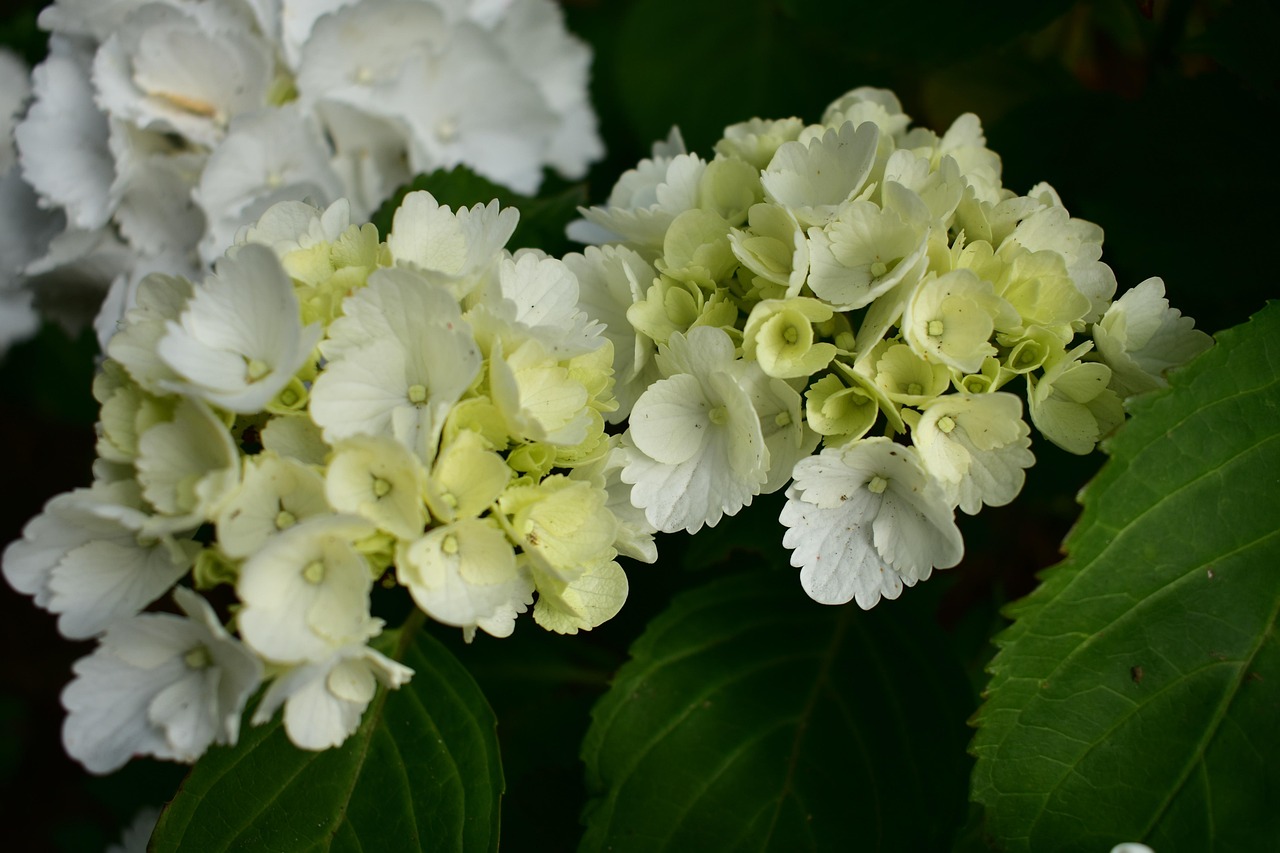
Factors That Influence Growth and Size
While genetics set the theoretical ceiling for a Limelight hydrangea, its actual performance in your landscape depends heavily on environmental conditions. A shrub planted in ideal circumstances will reach its mature height faster and maintain a more robust structure than one struggling against poor soil or inadequate resources.
To help your Limelight reach its full potential, consider these three critical environmental factors:
- Sunlight exposure: Limelights thrive in full sun to partial shade. Providing at least six hours of direct sunlight daily encourages sturdy stems and prolific blooms. In regions with intense afternoon heat, some light shade can prevent the foliage from scorching, though too much shade will result in a leggy, stunted plant.
- Soil quality and moisture: These shrubs prefer rich, well-draining soil that remains consistently moist but not waterlogged. Incorporating organic matter, such as compost, at the time of planting improves soil structure and nutrient availability, which directly translates to more vigorous vertical growth.
- Consistent hydration: Especially during the first two years after planting, water is the primary driver of growth. Limelights have shallow root systems that dry out quickly; a deep, weekly soaking is more effective than frequent, shallow watering.
Strategic spacing is just as important as soil and sun. Because a Limelight hydrangea’s spread often mirrors its height—typically reaching 6 to 8 feet wide—you must account for this girth during installation. If you plant them too close to structures, fences, or other shrubs, the plant will be forced to grow lopsided or become crowded, which limits airflow and increases the risk of fungal issues.
Always check your local hardiness zone requirements to ensure the climate supports the shrub’s natural growth cycle. If you provide the right foundation, your Limelight will naturally fill its designated space within three to five years. Avoid over-fertilizing in an attempt to speed up growth; excessive nitrogen often leads to lush, weak foliage at the expense of the strong, upright stems needed to support those signature heavy blooms.
Pruning for Height and Shape Control
While Limelight hydrangeas naturally reach heights of 6 to 8 feet, you can easily manage their size through consistent annual pruning. Because this variety blooms on new wood, the best time to prune is in late winter or early spring, just before new growth emerges. This timing ensures you do not accidentally remove the buds that will produce the season’s signature lime-green flowers.
Before you begin, prioritize safety and plant health by gathering the right equipment. Always wear heavy-duty gardening gloves to protect your hands from stray branches and potential cuts. Use sharp, clean bypass pruners for smaller stems or long-handled loppers for thicker, woody growth. Dull or dirty blades can crush stems and introduce pathogens, so take a moment to sanitize your tools with rubbing alcohol before you start.
Follow these steps to safely control the height and shape of your shrub:
- Assess the structure: Remove any dead, damaged, or diseased wood first to improve airflow and plant vigor.
- Determine your target height: You can safely reduce the overall height of the shrub by one-third. Avoid “topping” the plant, which can result in weak, floppy stems that cannot support the large blooms.
- Make precise cuts: Angle your cuts about 1/4 inch above a healthy set of buds. Slanting the cut prevents water from pooling on the wound, which significantly reduces the risk of rot.
- Thin the center: If the shrub is becoming too dense, remove a few of the oldest, thickest canes at the base. This encourages fresh growth and keeps the plant from becoming overgrown or lopsided.
Regular maintenance not only keeps your Limelight hydrangea within your desired height range but also promotes a stronger, more attractive frame. By removing excess weight, you ensure the plant remains sturdy enough to hold its heavy, cone-shaped panicles upright throughout the summer. If you prefer a smaller, more compact specimen, remember that you can prune it back more aggressively each spring without sacrificing your floral display.

Common Questions and Maintenance Tips
Many gardeners ask if they can keep a Limelight hydrangea smaller than its natural size. The answer is yes; you can manage its height through regular pruning. However, keep in mind that aggressive trimming may reduce the number of blooms, as these shrubs flower on new wood. Aim to prune in late winter or early spring before new growth begins to maintain your desired shape without sacrificing the summer display.
If your shrub appears stunted, yellowing, or generally unhealthy, investigate the environment before reaching for fertilizer. Limelights require well-draining soil; if water pools around the base, the roots may be suffering from rot. Additionally, inspect the undersides of leaves for common pests like aphids or spider mites, which can sap the plant’s vitality and stunt its vertical growth.
For safe and effective maintenance, follow these best practices:
- Always wear safety glasses when pruning to protect your eyes from stray branches, sap, or debris.
- Use sharp, sterilized bypass pruners to ensure clean cuts, which help the plant heal faster and prevent disease transmission.
- Remove only one-third of the total plant volume in a single season to avoid stressing the root system.
- Focus on removing dead, damaged, or crossing branches first to improve airflow and light penetration.
While basic maintenance is straightforward, older or overgrown specimens can be intimidating to tackle. If you are unsure about structural pruning for a very large or neglected shrub, do not hesitate to consult a local arborist. Professional assistance ensures the plant is cut correctly, preserving its health and structural integrity for years to come.
Finally, remember that Limelight hydrangeas are vigorous growers. If you find yourself pruning heavily every single year just to keep the plant in bounds, it may be a sign that the shrub was planted in a space too small for its mature size. In such cases, transplanting the hydrangea to a more spacious location during the dormant season is often the most sustainable long-term solution.

Dedicated team of gardening enthusiasts with years of hands-on experience testing lawn mowers, gardening tools, and outdoor equipment. We help home gardeners and professionals alike make informed buying decisions with honest, thorough reviews. From push mowers to pruning shears, we test it all so you don’t have to. Got a gardening tool you’d like us to review? Get in touch!