
Pee Gee hydrangeas typically grow between 10 and 20 feet tall when left unpruned. These classic shrubs are a popular choice for gardeners seeking impressive height and dramatic, cone-shaped blooms in their landscape. Understanding their natural growth habits is essential for planning your garden design, as these plants can easily become small trees.
While they are known for their towering stature, their final height often depends on your specific climate, soil quality, and maintenance routine. These vigorous growers require significant space to reach their full potential, so it is important to choose a planting location that accommodates their wide, arching branches and substantial vertical reach over time.
This comprehensive guide explains exactly how tall these shrubs grow and how you can effectively manage their size through proper pruning techniques. Whether you want a soaring focal point or a more contained shrub, we provide the practical care tips you need to keep your Pee Gee hydrangeas healthy, vibrant, and perfectly shaped for your yard.

Understanding the Mature Height of Pee Gee Hydrangeas
The Pee Gee hydrangea (Hydrangea paniculata ‘Grandiflora’) is renowned for its vigorous growth habit. If left unpruned and allowed to grow naturally, these plants can easily reach heights of 10 to 20 feet. Because they develop into large, substantial shrubs or small trees, they require significant space to reach their full potential without crowding other garden elements.
Understanding this mature size is essential for long-term garden planning. If you plant a Pee Gee hydrangea too close to a structure, walkway, or smaller perennials, you will eventually face the difficult choice of constant, heavy pruning or moving the plant entirely. To ensure your garden thrives, consider these placement tips:
- Provide ample clearance: Allow at least 8 to 10 feet of space between the center of the shrub and any neighboring plants or walls to ensure adequate airflow and sunlight.
- Account for width: Remember that these hydrangeas are as wide as they are tall. A 15-foot-tall specimen can easily span 10 to 12 feet in diameter.
- Consider sightlines: Due to their height, these shrubs make excellent privacy screens or focal points, but they can block windows or views if planted incorrectly.
While the natural height of the Pee Gee is impressive, you do have some control over its final stature. Many gardeners choose to train them into a single-trunk tree form, which helps manage their footprint in smaller landscapes. Even if you prefer the shrub form, regular structural pruning in late winter—while the plant is dormant—can help you maintain a more compact size and encourage stronger stems to support the heavy, cone-shaped blooms.
Before digging, always observe the light conditions in your chosen spot. While they are tolerant of various soils, they need full sun to partial shade to maintain the sturdy growth required to support their massive flower heads. By giving your Pee Gee hydrangea the room it needs from day one, you ensure a healthy, low-maintenance plant that serves as a stunning architectural feature in your landscape for years to come.
Factors That Influence Growth and Height
While the genetic makeup of a Pee Gee hydrangea (Hydrangea paniculata ‘Grandiflora’) sets the upper limit for its height, environmental conditions dictate whether the shrub reaches its full potential. Understanding these variables allows you to manipulate your garden environment to encourage more robust vertical growth.
Sunlight is perhaps the most significant driver of size. Pee Gee hydrangeas thrive when they receive at least six hours of direct sunlight daily. While they tolerate partial shade, plants grown in shadier spots will often appear leggier, produce fewer blooms, and fail to reach their maximum height. For the strongest stems and optimal stature, prioritize a location with full sun.
Soil quality and moisture levels are equally critical. These hydrangeas prefer nutrient-rich, slightly acidic, and well-draining soil. If your native soil is heavy clay or overly sandy, amending it with organic matter—such as compost or aged manure—before planting will significantly improve growth rates. Additionally, consistent moisture is essential, especially during the first two years of establishment.
To support healthy, upright development, focus on these practical care habits:
- Mulching: Apply a two-to-three-inch layer of organic mulch around the base of the shrub. This retains soil moisture and regulates temperature, preventing the root stress that stunts growth.
- Consistent Watering: During dry spells, provide deep, thorough watering at the base of the plant rather than frequent, shallow sprinkles. This encourages deep root penetration, which supports a larger above-ground structure.
- Strategic Pruning: While pruning does not necessarily make the plant grow taller, removing weak or crossing branches in late winter directs the plant’s energy into the main structural stems. This helps the shrub maintain a strong, upright habit rather than sprawling outward.
By balancing these environmental factors, you provide your Pee Gee hydrangea with the resources it needs to reach its mature height efficiently. When the plant is well-fed, properly hydrated, and positioned in optimal light, it will reward you with the vigorous, towering display characteristic of the variety.
Managing Size Through Strategic Pruning
While the Pee Gee hydrangea (*Hydrangea paniculata* ‘Grandiflora’) is naturally vigorous and can reach heights of 15 to 20 feet if left untouched, you have significant control over its final stature. Because this variety blooms on new wood—the growth produced during the current season—you can prune it aggressively without sacrificing your summer flowers.
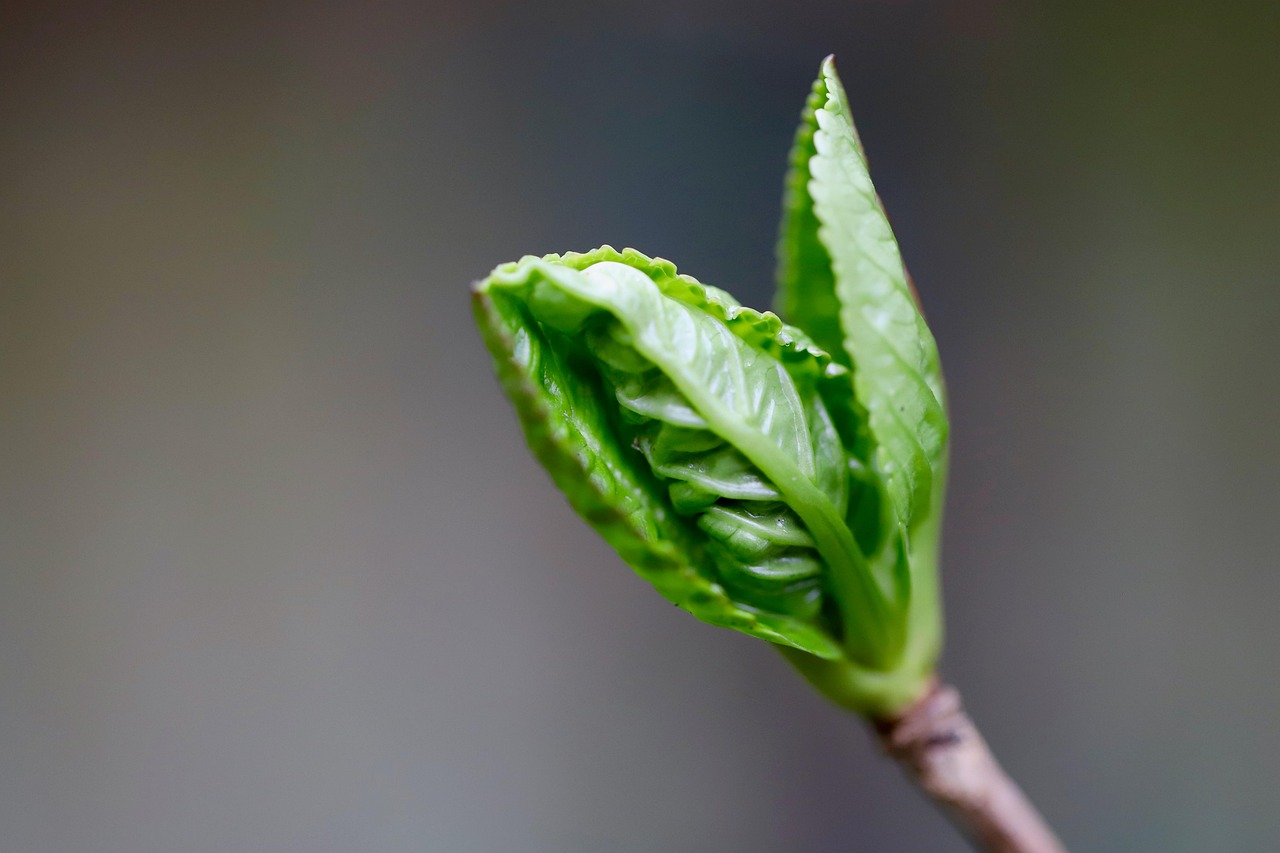
The ideal time to manage the height of your Pee Gee hydrangea is in late winter or very early spring, just before the buds begin to swell. Pruning during this dormant period allows you to shape the plant and set the stage for a flush of vigorous, bloom-heavy growth once the weather warms.
To prune effectively and safely, follow these steps:
- Use the right tools: Always use sharp, sterilized bypass pruners for smaller stems or loppers for thicker branches. Clean tools ensure smooth, precise cuts that heal quickly, minimizing the risk of fungal infections or pest entry.
- Remove the “Three Ds”: Start by cutting away any dead, damaged, or diseased wood. This improves the overall health and airflow of the shrub.
- Reduce height: To manage size, cut back the previous year’s growth by one-third to one-half. Make your cuts just above a pair of healthy buds.
- Thin the canopy: Remove weak or crossing branches from the center of the plant. This encourages a stronger structure capable of supporting the heavy, cone-shaped flower panicles later in the season.
If you prefer a tree form, you can prune the lower branches as the plant matures to expose a single, sturdy trunk. Regardless of the shape you choose, remember that the plant will respond to your cuts by pushing out new, strong stems. If you find your hydrangea is still too tall after a season, do not hesitate to prune it slightly lower the following spring. Consistent, annual maintenance is the most reliable way to keep your Pee Gee hydrangea at your preferred height while ensuring a spectacular floral display every year.
Safety Best Practices for Pruning Large Shrubs
Pruning a mature Pee Gee hydrangea often means working at heights, as these shrubs can reach impressive sizes. Because you may need to reach above your head or utilize a ladder, prioritizing your physical safety is the most critical step in the process.
Before you begin, equip yourself with the proper protective gear. Heavy-duty gardening gloves are essential to protect your hands from sharp, woody stems and potential thorns. Additionally, always wear safety glasses. When cutting branches overhead, debris, dust, and small twigs will inevitably fall, and eye protection prevents painful injuries.
If your shrub has grown too tall to reach from the ground, follow these safety protocols for ladder use:
- Check your foundation: Only place your ladder on firm, level ground. If the soil is soft or uneven, place a wide, sturdy board underneath the ladder feet to prevent sinking or tipping.
- Use a spotter: Whenever possible, have a partner stabilize the ladder at the base while you are working.
- Maintain your center: Never overreach to make a cut. Keep your belt buckle between the ladder rails. If you cannot reach a branch comfortably, climb down and reposition the ladder rather than leaning to the side.
- Tool management: Use a tool belt or a bucket on a rope to hoist your shears and saws. Never attempt to climb a ladder while carrying loose tools in your hands, as this compromises your grip and balance.
Finally, be mindful of your surroundings. Before making any cuts, look up to ensure you are not working near overhead power lines. If a branch is positioned dangerously close to utility lines, do not attempt to prune it yourself; contact a professional arborist. Taking these precautions ensures that your Pee Gee hydrangea remains healthy and aesthetically pleasing without putting your personal safety at risk.

Common Questions and Ongoing Maintenance
Many gardeners ask if they can keep a Pee Gee hydrangea (Hydrangea paniculata ‘Grandiflora’) at a manageable, smaller size rather than letting it reach its full potential height of 10 to 20 feet. The answer is yes; you can maintain this shrub as a smaller bush through consistent annual pruning. Because this variety blooms on new wood, you should prune it in late winter or very early spring before new growth begins. Removing a significant portion of the previous year’s growth will encourage a bushier habit and larger flower heads, effectively controlling the plant’s final stature.
If you notice stunted growth or yellowing leaves, your plant is likely signaling a need for intervention. Before applying fertilizers or amendments, perform a soil test to check the pH and nutrient levels. Pee Gees generally prefer slightly acidic to neutral soil. If the soil is too alkaline, the plant may struggle to absorb iron, leading to chlorosis, or yellowing leaves with green veins.
For ongoing plant health, keep these maintenance tips in mind:
- Watering: Ensure the soil remains consistently moist, especially during the first two years after planting or during prolonged summer droughts.
- Mulching: Apply a two-to-three-inch layer of organic mulch around the base to retain moisture and suppress weeds, keeping the mulch a few inches away from the main trunk.
- Monitoring: Inspect the foliage regularly for pests or signs of fungal issues, such as powdery mildew, which can occur in humid conditions with poor air circulation.
In cases where your hydrangea shows signs of widespread fungal infection, severe pest infestation, or structural damage that you cannot safely manage with standard pruning, it is best to seek expert advice. Contact a local certified arborist or your regional agricultural extension office. These professionals can provide site-specific diagnostics and management plans to help you save the plant or determine if removal is necessary to protect the rest of your landscape.

Dedicated team of gardening enthusiasts with years of hands-on experience testing lawn mowers, gardening tools, and outdoor equipment. We help home gardeners and professionals alike make informed buying decisions with honest, thorough reviews. From push mowers to pruning shears, we test it all so you don’t have to. Got a gardening tool you’d like us to review? Get in touch!