
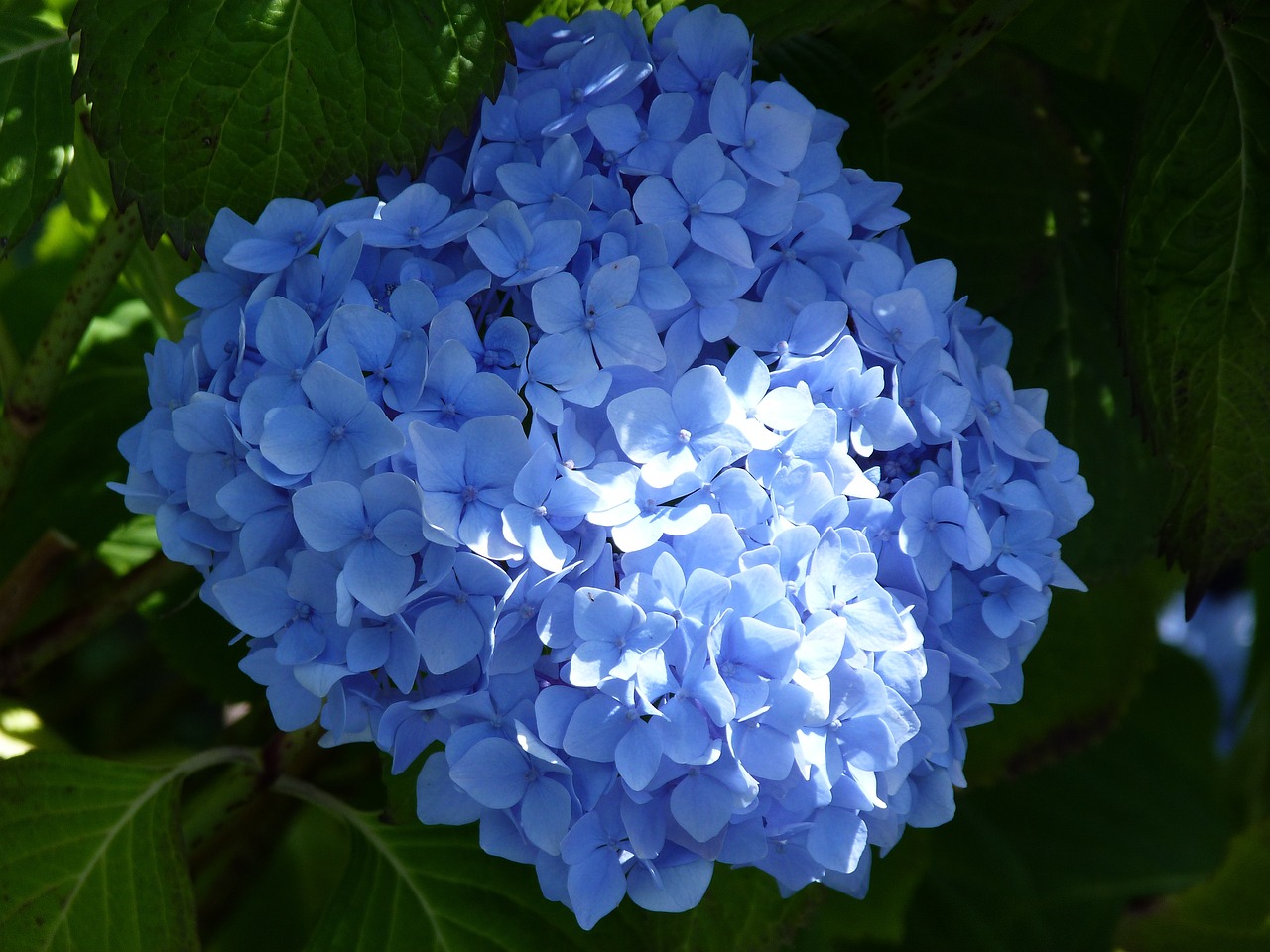
Mophead hydrangeas typically grow between three and six feet tall at maturity. Understanding their potential size is essential for proper garden planning and long-term placement. These beloved shrubs are famous for their large, globe-shaped blooms, but without knowing their eventual height, you might struggle to provide enough space for them to thrive in your landscape.
While most varieties fall within that standard range, some dwarf cultivars stay under three feet, while older, established specimens can occasionally reach even greater heights with ideal conditions. Soil quality, sunlight exposure, and consistent watering play significant roles in how vigorously your plant grows each season, so monitor your specific environment closely for the best results.
This guide explains exactly how tall these shrubs typically grow and how you can maintain their size effectively through seasonal pruning and care. Whether you are designing a new flower bed or managing an existing garden, our practical tips will help you keep your hydrangeas healthy, balanced, and perfectly sized for your unique outdoor space.

Understanding the Mature Height of Mophead Hydrangeas
When planning your landscape, understanding the mature height of mophead hydrangeas (Hydrangea macrophylla) is essential for proper placement. Generally, these popular shrubs reach a mature height of 3 to 6 feet, creating a lush, rounded silhouette that works well as a foundation planting or a mid-border feature.
However, size can vary significantly based on the specific cultivar and your local environment. To ensure you choose the right plant for your space, consider these three categories:
- Dwarf Cultivars: Bred for smaller gardens or containers, these compact varieties typically stay between 2 and 3 feet tall. They are excellent choices for low-maintenance landscaping where space is limited.
- Standard Varieties: Most common mophead hydrangeas fall into the 3 to 6-foot range. These are the classic garden staples that offer the most predictable growth patterns.
- Vigorous Growers: Under ideal conditions—characterized by rich, moist soil, partial shade, and a long growing season—some robust varieties can occasionally stretch to 8 feet in height.
It is important to remember that these height estimates refer to plants that have reached full maturity, which usually takes several years. If you are planting in a container, growth will naturally be more restricted compared to hydrangeas planted directly in the ground.
To keep your hydrangeas within a specific height range, you can use selective pruning. Always prune immediately after the flowers fade in mid-summer. Because mopheads bloom on “old wood”—meaning the buds are formed on the previous year’s growth—pruning too late in the autumn or early spring will remove next season’s blossoms. If you find your hydrangea is consistently outgrowing its designated space, it is often more effective to transplant the shrub to a larger area rather than attempting to force a smaller size through aggressive pruning, which can stress the plant and reduce flower production.
Factors That Influence Growth and Height
While the genetic makeup of your specific mophead hydrangea (Hydrangea macrophylla) sets the baseline for its potential size, environmental factors ultimately dictate how close it gets to that maximum height. Understanding these variables helps you manage expectations and optimize your garden space.
Soil quality serves as the foundation for growth. Mophead hydrangeas thrive in rich, loamy, well-draining soil that remains consistently moist but not waterlogged. If your soil is heavy clay or sandy, amending it with organic matter, such as compost or aged manure, provides the essential nutrients and moisture retention necessary for the plant to reach its full stature.
Climate and light exposure are equally critical. These shrubs are sensitive to extreme conditions, which can stunt their development. Consider the following environmental impacts:
- Light Exposure: Mophead hydrangeas prefer partial shade, ideally receiving morning sun and protection from the harsh afternoon heat. In full, scorching sun, the plant may suffer from leaf scorch and dehydration, forcing it to remain smaller as it struggles to survive.
- Watering Consistency: These plants are notoriously thirsty. During dry spells, inconsistent watering causes stress, which halts growth. A consistent moisture level is vital for the plant to dedicate energy to foliage and stem development.
- Hardiness Zones: In cooler climates, frost can damage the terminal buds that produce the coming year’s growth. If a late spring frost kills these buds, the plant may be forced to regrow from the base, significantly limiting its height for that season.
Finally, pruning practices play a major role. Because mopheads bloom on “old wood”—growth from the previous season—aggressive or poorly timed pruning can remove the buds that determine the plant’s height and flowering potential. To encourage maximum height, avoid heavy pruning and only remove dead or damaged wood in early spring. By balancing these factors—nutritious soil, adequate hydration, and strategic light exposure—you create the ideal conditions for your hydrangea to reach its genetic height potential.
Safe Pruning Practices for Size Control
If your mophead hydrangea (Hydrangea macrophylla) begins to outgrow its designated space, strategic pruning is the most effective way to manage its height. However, because these shrubs bloom on old wood, timing is critical. Prune immediately after the flowers fade in late summer to avoid cutting off next year’s buds.
Always use sharp, clean bypass pruners for this task. Unlike anvil pruners, which can crush stems, bypass blades create a clean, scissor-like cut that promotes rapid healing and prevents tissue damage. Avoid using power tools, such as hedge trimmers, which often leave jagged edges that invite pests and fungal diseases.
Safety should remain your priority while working in the garden. Follow these essential practices to protect yourself and your plants:
- Wear durable gardening gloves to shield your hands from rough bark or hidden debris.
- Use safety glasses if you are working near branches at eye level to prevent scratches or eye irritation.
- Sanitize your blades with isopropyl alcohol before starting to prevent the spread of pathogens between plants.
- Make cuts at a 45-degree angle just above a healthy leaf node, which encourages outward growth rather than inward congestion.
When reducing height, remove no more than one-third of the total shrub volume in a single season. Start by removing dead, damaged, or diseased wood, followed by thinning out the oldest, woodiest stems to the ground. This encourages new growth from the base, which keeps the plant vigorous and prevents it from becoming leggy or top-heavy.
If you find that you must prune your mophead hydrangea back severely every year to keep it within bounds, it may be a sign that the cultivar is too large for its current location. In such cases, consider transplanting the shrub to a more spacious area during the dormant season, allowing it to reach its natural, full height without the need for constant maintenance.
Timing Your Pruning Correctly
Understanding the growth cycle of your mophead hydrangea (Hydrangea macrophylla) is the secret to maintaining a healthy, floriferous shrub. Because these plants set their flower buds for the following year on “old wood”—the stems that grew during the previous season—timing is everything.
If you prune at the wrong time, you risk cutting off next year’s blooms before they have a chance to develop. To ensure a vibrant display, follow these practical guidelines:
- The Ideal Window: Prune your mophead hydrangea immediately after the current season’s flowers begin to fade. This is typically in mid-to-late summer, usually by early August at the latest.
- Avoid Late Pruning: Do not prune in late winter or early spring. By this time, the plant has already set its buds for the upcoming season. Cutting back the stems during these months will effectively remove the flower buds, resulting in a plant with lush foliage but no blooms.
- Focus on Cleanup: If you must prune, keep it minimal. Focus on removing dead, damaged, or diseased wood. You can also trim back stems that have finished flowering to the first or second set of healthy buds below the spent bloom.
- Leave Spent Blooms: In colder climates, you may choose to leave the dried flower heads on the plant throughout the winter. They provide architectural interest and offer a small layer of protection for the terminal buds from frost and wind.
By sticking to a post-bloom pruning schedule, you allow the shrub enough time to produce strong new growth that will harden off before winter. This simple habit preserves the plant’s natural height and shape while guaranteeing that your garden remains filled with those iconic, voluminous mophead clusters year after year. If your hydrangea has become overgrown, it is better to prune it back gradually over two or three years rather than cutting it to the ground in a single season.

Common Questions and Ongoing Care
Many gardeners wonder if they can keep a standard mophead hydrangea (Hydrangea macrophylla) small indefinitely through aggressive pruning. While you can manage the size of a mature shrub, constant cutting often sacrifices the plant’s natural form and reduces future blooms, as these varieties typically set buds on old wood. If your garden space is limited, it is far more practical to select a dwarf cultivar from the start. Varieties like ‘Pia’ or ‘Cityline’ are bred to stay compact, reaching only two to three feet in height without the need for constant maintenance.
Ongoing care is essential to keep your hydrangeas thriving. These plants prefer consistent moisture, but they are highly sensitive to “wet feet.” If you notice a sudden decline in growth or persistent wilting even after deep watering, do not assume the plant simply needs more water. Overwatering can lead to severe issues, particularly in heavy clay soils.
Follow these steps to troubleshoot sudden decline:
- Check Soil Drainage: Use a trowel to dig a small hole near the root zone. If the soil is waterlogged or smells sour, the plant may be suffering from root rot.
- Inspect for Pests: Look under the leaves for signs of aphids or spider mites, which can sap a plant’s vigor.
- Assess Nutrient Levels: If the foliage is yellowing but the veins remain green, your plant may be struggling with iron chlorosis, often caused by an incorrect soil pH.
- Seek Expert Advice: If the cause remains unclear, contact your local Cooperative Extension or a Master Gardener. They can provide specific guidance based on your region’s unique soil chemistry and climate.
By prioritizing the right plant for your specific location and monitoring soil health, you can enjoy lush, mophead blooms for years. Remember, a healthy hydrangea is one that is planted in the correct spot, minimizing the need for constant intervention or chemical fertilizers.

Dedicated team of gardening enthusiasts with years of hands-on experience testing lawn mowers, gardening tools, and outdoor equipment. We help home gardeners and professionals alike make informed buying decisions with honest, thorough reviews. From push mowers to pruning shears, we test it all so you don’t have to. Got a gardening tool you’d like us to review? Get in touch!